
Restaurant in Kahului, United States
Tin Roof Maui
100ptsCounter-Service Local Food
About Tin Roof Maui
A Kahului counter where local plate-lunch tradition meets the kind of precise, ingredient-led cooking more often associated with Hawaii's resort-corridor fine dining. Tin Roof Maui draws consistent lines at its Papa Place address, where the format is casual but the sourcing conversation is serious. For visitors moving through Kahului between airport and coast, it functions as a reliable measure of what local food culture actually looks like off the tourist circuit.
Plate Lunch, Reimagined on Maui's Working Side
Most visitors to Maui move quickly through Kahului, treating it as a transfer point between the airport and the resort corridors to the west and south. That instinct costs them something. The town's food scene, concentrated in the commercial strips and light-industrial pockets around Dairy Road and Papa Place, reflects a version of Hawaiian food culture that the beach towns rarely show: working-class, multiethnic, and shaped by the plantation-era tradition of feeding people well and efficiently. Tin Roof Maui, at 360 Papa Pl in a Kahului commercial suite, belongs to that tradition — though it applies a more considered culinary hand than the genre typically demands.
The plate lunch format, which anchors Hawaiian local food in the same way that the bento anchors Japanese convenience eating, emerged from the sugar and pineapple plantation camps of the late nineteenth and early twentieth centuries. Workers from Japan, Portugal, Korea, the Philippines, and China ate alongside one another, and over generations the food blurred into something distinctly Hawaiian: rice as the default starch, protein-forward mains, macaroni salad as a fixture, and portions calibrated for physical labor. What that history produced is a cuisine defined less by technique than by generosity and cultural layering — and Tin Roof operates inside that tradition while applying sourcing and preparation standards that push it into a different tier from most plate-lunch counters.
What the Format Tells You About the Scene
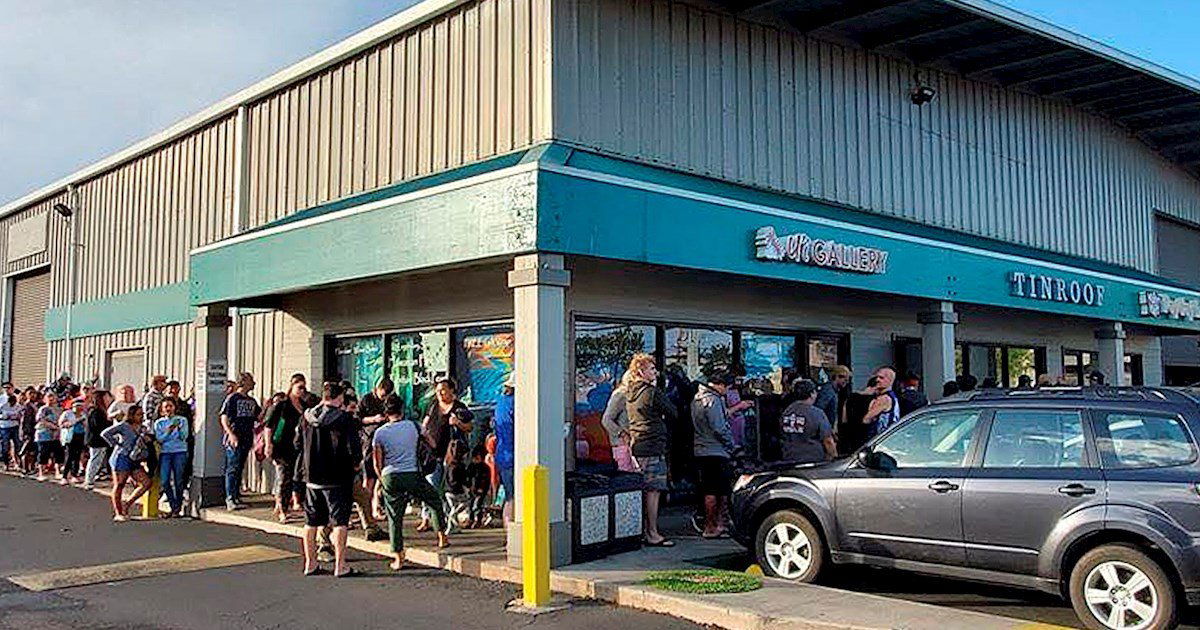
Counter-service restaurants in Hawaii's local food category tend to cluster at the commodity end of the market, where speed and volume are the organizing principles. Tin Roof represents a smaller cohort that takes the same format and applies sourcing discipline and menu restraint to it , a pattern visible in a handful of Honolulu operations as well, though Maui's version of it is thinner on the ground. The result is a place where the line outside during peak hours is not merely a function of low prices but of a genuine reputation that has spread through local word of mouth and, over time, through national food media coverage that recognized the approach as worth the attention.
For context, the serious end of American restaurant culture in 2024 is occupied by places like Le Bernardin in New York City, The French Laundry in Napa, or Smyth in Chicago , operations where the conversation is about tasting menus, sourcing provenance, and per-cover prices that reflect years of credentialing. Tin Roof is not in that peer set, nor is it trying to be. Its relevance is different: it demonstrates that ingredient seriousness and cultural authenticity can coexist with a $15-and-under price point and a counter-service format, which is a less common achievement than it sounds. That same argument is being made in different registers by places like Lazy Bear in San Francisco and Blue Hill at Stone Barns in Tarrytown, though those venues are arguing from the other direction , premium format, democratic sourcing ethos. Tin Roof starts from the format's democratic roots and adds the sourcing conversation.
Kahului's Dining Character, and Where Tin Roof Sits
Kahului's restaurant mix skews practical. The chains serving the airport-adjacent hotels are unremarkable, but the local independents scattered through the town's commercial zones tell a more interesting story. Amigo's handles the Mexican-American appetite that the island's construction and service worker population sustains. Bistro Casanova and Brigit & Bernard's Garden Cafe represent the European-casual register that Maui's longer-term transplant community tends to support. Fuego Argentinean Steakhouse and Las Pinatas of Maui fill in the Latin American end of a town that, like most of Maui's non-resort zones, eats with more range than its tourism-facing reputation suggests.
Tin Roof occupies its own pocket within that mix. It is not the place for a long sit with wine; the format does not support that kind of pacing. It is the place where the food itself carries the argument, and where the absence of ambient design or tableside service is the point rather than a concession. That position in the market is harder to hold than it looks , counter-service spots at this quality level tend either to drift upmarket or to let the standards slip as volume increases. See our full Kahului restaurants guide for how this fits into a broader itinerary across the town.
Cultural Roots and What They Mean at the Table
Hawaiian local food is one of the American food traditions least understood outside the islands, partly because it does not reduce to a single ethnic lineage and partly because its pleasures are not photogenic in the way that, say, Atomix in New York City's Korean fine dining is. The cuisine's power comes from accumulation: decades of communities cooking for one another, adapting, and settling on combinations that work. Spam musubis, kalua pork, loco moco, saimin , each of these has a traceable history that runs through plantation labor, Japanese Buddhism, American military presence, and Portuguese fishing communities. Tin Roof's menu operates within that archive, applying a contemporary sourcing lens without erasing the cultural texture that gives the food its meaning.
That approach puts it in a specific editorial category: not fusion, not heritage preservation in the museum sense, but active cooking within a living tradition. A comparable dynamic, in a completely different cuisine register, is visible at Emeril's in New Orleans or Providence in Los Angeles , places where a regional food identity is being worked with rather than simply reproduced. The scale and price point are entirely different, but the cultural posture has something in common.
Planning Your Visit
Tin Roof Maui's address at 360 Papa Pl, Suite 116 places it in a commercial-industrial block that first-time visitors occasionally find disorienting , there is no resort-corridor signage or valet lane. The operation runs as a counter-service format, which means the queue manages itself and seating, where available, is casual. For visitors arriving or departing through Kahului Airport, the location is convenient enough to treat as a stop on the way in or out of the island rather than a dedicated excursion. Given the format, walk-in is the default approach; the operation is not structured around reservations in the way that tasting-menu restaurants like Addison in San Diego, Single Thread Farm in Healdsburg, or The Inn at Little Washington require. Arriving before peak lunch hours reduces wait time materially. Dress code is effectively none , the neighborhood and format both signal that.
Frequently Asked Questions
- Is Tin Roof Maui good for families?
- The counter-service format and casual Kahului setting make it accessible for families, particularly those comfortable with queue-based ordering rather than table service. The price point in Kahului's local-food category keeps costs manageable across a group, and the plate-lunch format is familiar enough for children who eat rice and protein-based mains without difficulty.
- What should I expect atmosphere-wise at Tin Roof Maui?
- The setting is a commercial suite in a Kahului light-industrial block , functional rather than designed, with no resort-adjacent polish. The atmosphere is shaped by the local crowd and the counter-service format rather than by interior design investment. If you are coming from the resort corridors on Maui's west or south coasts, the gap in ambient register is real and worth knowing about in advance.
- What dish is Tin Roof Maui famous for?
- Tin Roof has built its reputation primarily through its take on local Hawaiian plate-lunch staples, with sourcing and preparation standards that have attracted food media attention beyond the islands. The specific menu items that carry that reputation are leading confirmed directly with the venue, as counter-service operations in this category adjust offerings based on availability and season.
- Can I walk in to Tin Roof Maui?
- Yes , the counter-service format at Tin Roof is walk-in by default. Unlike reservation-driven restaurants, there is no booking system to manage. Peak lunch periods generate queues that are worth accounting for in your timing, but the format is designed for throughput rather than table holds.
- How does Tin Roof Maui fit into Maui's broader local food culture compared to resort-area dining?
- Tin Roof sits firmly within Kahului's working-side food culture, which operates at a different register from the resort-corridor restaurants in Wailea or Ka'anapali. Where resort dining in Maui tends toward Pacific Rim fine dining or international cuisine with premium pricing, local-food counters like Tin Roof reflect the plantation-era culinary tradition that shaped Hawaiian eating habits for over a century. For visitors who want to understand Maui's food identity beyond the hotel dining room, Kahului's independent counter-service scene is the more instructive place to look.
Related editorial
- Asia's 50 Best Restaurants 2026: The Chairman and Wing Go 1-2 from the Same BuildingThe Chairman takes No. 1 and Wing climbs to No. 2 at Asia's 50 Best Restaurants 2026. Both operate from the same Hong Kong building. Here's what it means.
- Four Seasons Yachts Debut: 95 Suites, 11 Restaurants, and a March 2026 Maiden VoyageFour Seasons I launches March 20, 2026, with 95 suites, a one-to-one staff ratio, and 11 onboard restaurants. Worth tracking if you want hotel-grade service at sea.
- LA Michelin Guide 2026: Seven New Restaurants from Tlayudas to Uzbek DumplingsMichelin's March 2026 California Guide update adds six LA restaurants and one Montecito newcomer, spanning Oaxacan tlayudas, Uzbek manti, and Korean-Italian pasta.
Save or rate Tin Roof Maui on Pearl
Keep this venue in your Pearl passport, rate it after you visit, and track it alongside every other place you collect.