
Restaurant in Highland, United Kingdom
The Shores Plockton
100ptsLoch-Driven Coastal Cooking
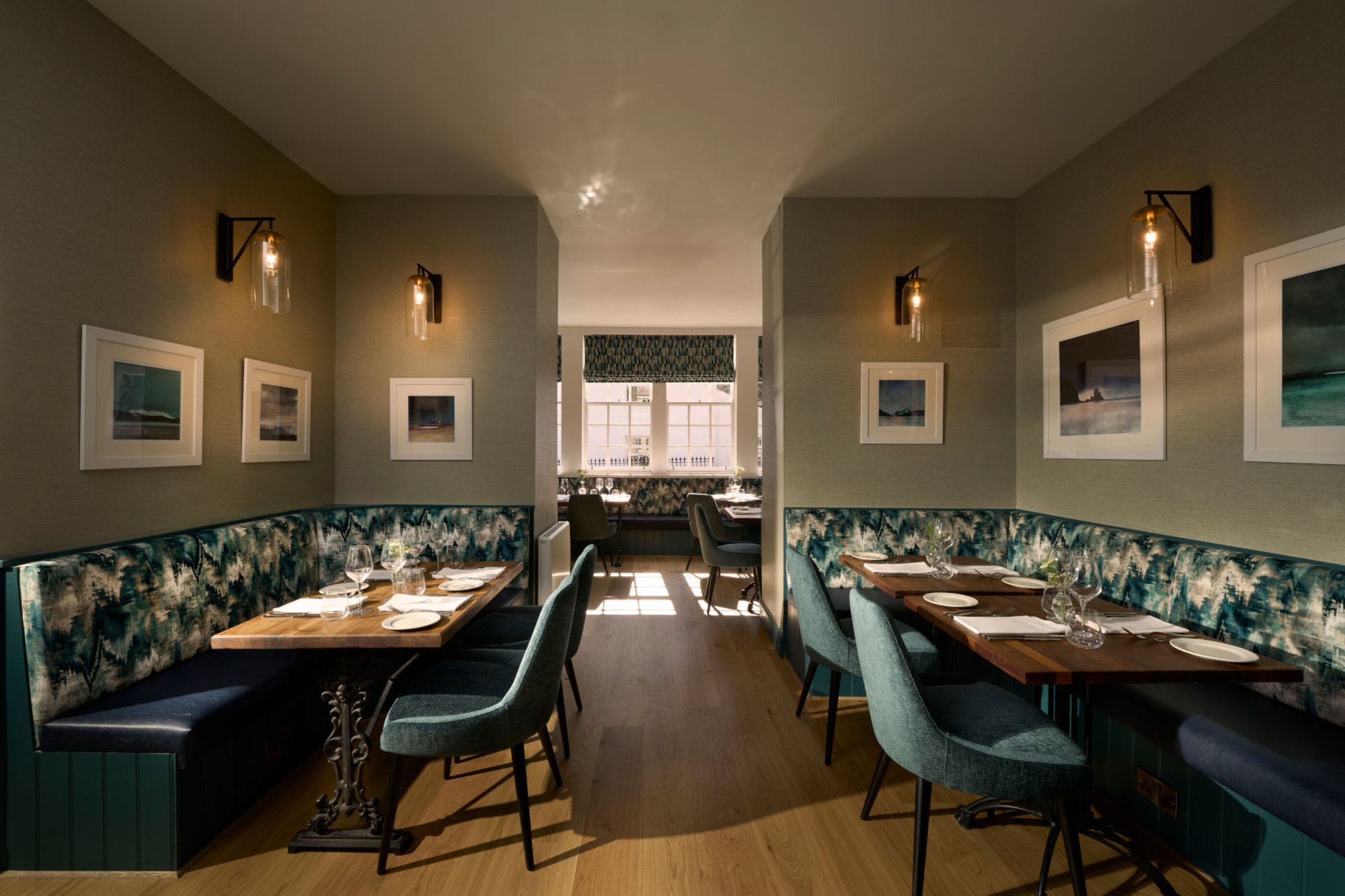
About The Shores Plockton
On Plockton's compact harbourfront, The Shores occupies a position that most Scottish coastal restaurants would envy: direct water frontage in one of the Highlands' most sheltered inlets, with seafood-led cooking that draws visitors making the trip specifically for the table rather than as a stop along the way. For the Highland dining scene, it represents the type of destination dining that punches above its village postcode.
Where the Loch Dictates the Menu
Plockton sits at the end of a single-track road off the A87, on a sheltered inlet of Loch Carron that faces west toward the hills of Applecross. The village is small enough that its palm trees, planted along the shore during milder decades, have become a local talking point. The Shores occupies a position on Harbour Street that leaves no ambiguity about what kind of restaurant this is: the water is immediate, the view unobstructed, and the logic of eating here is inseparable from the location itself. This is not a Highland village restaurant that happens to have seafood on the menu. It is a place where the loch and the cooking exist in direct conversation.
The pattern of dining destinations in the Highlands has shifted meaningfully over the past decade. Restaurants in Inverness, the regional hub, draw reliable footfall from business travellers and overnight visitors. But a smaller cohort of restaurants in remote locations — harbour-facing rooms in fishing villages, converted estate dining rooms, farm-adjacent kitchens — have built reputations that require travellers to come to them rather than the other way around. The Shores at Plockton belongs to this latter category, in a village that has no major motorway access and demands commitment from anyone arriving by car from the south. That friction is, in its own way, a quality signal. Restaurants in places this remote survive on repeat visitors and deliberate first-timers, not passing trade.
The Plockton Position in Highland Dining
Within the Highland dining scene, The Shores occupies a different tier and geography from the Inverness-based operations. Restaurants like The Mustard Seed Restaurant and Hapag Bistro serve a city audience with reliable lunchtime and evening footfall. Salt Seafood Kitchen addresses a similar urban appetite for coastal produce. The Shores, by contrast, is positioned on the west coast's remote fringe, in a village of a few hundred residents, drawing its dining audience specifically to the water's edge. The competitive comparison is not Inverness. It is the small set of destination waterfront restaurants that justify a journey in their own right.
That peer set, across rural Britain, tends to share certain characteristics: direct access to primary produce, a format built around the experience of place rather than culinary theatre, and a dining room that cannot easily scale. Whether through intent or geography, these qualities describe The Shores. Plockton's working relationship with the sea , lobster and langoustine come out of Loch Carron , creates the conditions for the kind of sourcing that urban restaurants pay premiums to replicate. Here, the supply chain is the shoreline.
For a sense of how destination dining outside major British cities works at its most formal, points of reference include L'Enclume in Cartmel, Moor Hall in Aughton, and Gidleigh Park in Chagford , all restaurants that function as the reason for travel rather than a stop along an existing route. The Shores operates at a less formal register, but the underlying logic of place-as-destination is consistent.
Harbour Street and the Logic of the Setting
30 Harbour Street is an address that needs no elaboration in Plockton. The village's main frontage runs along the water, and a restaurant here is, in effect, sitting at the visual centre of the settlement. The inlet is calm enough that boats remain moored through much of the year, and the quality of light in the late afternoon, particularly in summer when the sun moves around the western hills, creates a dining environment that no amount of interior design could replicate indoors. Tables facing the water are, predictably, in demand.
Arriving in Plockton itself is part of the experience. The journey from Kyle of Lochalsh or Strathcarron along the single-track road through Balmacara takes travellers through some of the more austere Highland scenery on this stretch of the coast. By the time the village appears , the palm trees, the painted cottages, the boats , there is a quality of arrival that concentrates attention. Restaurants in cities rely on ambient urban energy to carry the arrival experience. Here, the landscape does that work, and the restaurant inherits the mood.
For those travelling further into the Highlands, Letterewe offers a comparable sense of remote Highland destination dining, accessible only by boat or long overland route. Plockton is considerably more accessible than Letterewe, but both belong to the wider tradition of Highland hospitality that makes geography part of the proposition.
British Coastal Dining in Broader Context
The British tradition of serious cooking in small, water-adjacent rooms has a long lineage. Waterside Inn in Bray represents its most decorated expression, with decades of Michelin recognition built beside the Thames. hide and fox in Saltwood and Hand and Flowers in Marlow both demonstrate that proximity to water or rural England does not preclude serious culinary recognition. At the other end of the ambition spectrum, venues like Le Bernardin in New York City show what seafood-focused cooking looks like when taken to its most technically rigorous expression.
The Shores sits well below that register of ambition and investment, which is not a criticism. Village-scale harbour restaurants serve a different function: they connect the immediate sourcing environment to the table with minimal mediation, and they create the kind of meal that is remembered as much for context as for cooking. The broader Highland dining scene, visible across our full Highland restaurants guide, includes everything from urban tasting menus to remote estate dining, and The Shores occupies a specific and coherent position within it.
For comparison purposes, Alons Uzbek Halal Grill represents a completely different strand of Highland dining, serving a different audience and a different cuisine tradition. The diversity of that comparison illustrates how much ground the Highland restaurant scene now covers. The commonality across the more interesting entries in that scene is intentionality: restaurants that know what they are and for whom, rather than trying to be all things to a passing tourist audience. The Shores, in a village this remote, has no choice but to be intentional.
Planning Your Visit
Plockton is most easily reached by car from Inverness, approximately ninety minutes along the A87 and then south toward Kyle of Lochalsh and northwest to the village. The Plockton railway station, on the Kyle of Lochalsh line from Inverness, sits within walking distance of Harbour Street , one of the few Highland coastal villages where rail access remains viable. Summer visits, particularly July and August, bring the most reliable weather and longest daylight, though the village is visited year-round. Booking ahead for The Shores is advisable in peak season; a village restaurant of this size and profile will fill its tables from advance reservations rather than walk-in trade.
Frequently Asked Questions
- What's the signature dish at The Shores Plockton?
- Specific menu details are not confirmed in current listings data. What the setting strongly implies is a seafood-led approach: Loch Carron produces langoustine and lobster, and restaurants on this stretch of the west coast typically build their menus around local catch. For confirmed dish information, contact the restaurant directly before visiting.
- Can I walk in to The Shores Plockton?
- In a village this remote and at a restaurant with this level of local reputation, walk-in availability is limited, particularly in summer. The Shores draws visitors from well outside Plockton who plan their visits around a table here, which means advance booking is the practical approach. Arriving without a reservation in July or August carries a meaningful risk of no availability.
- Is The Shores Plockton suitable for a special occasion dinner, and how far in advance should I book?
- The combination of direct harbour frontage, remote Highland setting, and a focused seafood menu makes it a natural choice for a significant meal, particularly for visitors already travelling the west coast route. Given the village's small scale and the restaurant's limited capacity, booking several weeks ahead is advisable for summer visits, and the Plockton railway connection from Inverness means it is accessible without a car for those willing to plan around the timetable.
Related editorial
- Asia's 50 Best Restaurants 2026: The Chairman and Wing Go 1-2 from the Same BuildingThe Chairman takes No. 1 and Wing climbs to No. 2 at Asia's 50 Best Restaurants 2026. Both operate from the same Hong Kong building. Here's what it means.
- Four Seasons Yachts Debut: 95 Suites, 11 Restaurants, and a March 2026 Maiden VoyageFour Seasons I launches March 20, 2026, with 95 suites, a one-to-one staff ratio, and 11 onboard restaurants. Worth tracking if you want hotel-grade service at sea.
- LA Michelin Guide 2026: Seven New Restaurants from Tlayudas to Uzbek DumplingsMichelin's March 2026 California Guide update adds six LA restaurants and one Montecito newcomer, spanning Oaxacan tlayudas, Uzbek manti, and Korean-Italian pasta.
Save or rate The Shores Plockton on Pearl
Keep this venue in your Pearl passport, rate it after you visit, and track it alongside every other place you collect.