
Restaurant in Riverside, United States
The Chew Chew
100ptsVillage Main-Street Dining
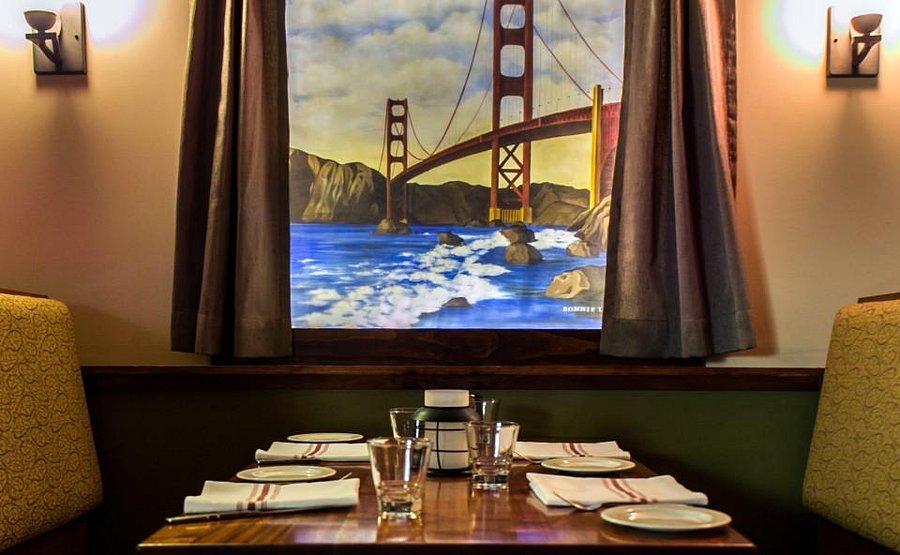
About The Chew Chew
The Chew Chew occupies a specific corner of Riverside, Illinois dining that sits between casual neighbourhood staple and deliberate local institution. Positioned on E Burlington Street in the village of Riverside, it draws comparison to other community-anchored spots in the broader Chicagoland dining corridor, where address and regulars matter as much as menu ambition.
Riverside, Illinois and the Dining Identity of a Planned Village
Riverside is not a suburb that happened. Frederick Law Olmsted designed it in 1869, and that intentionality shaped everything that followed: the curved streets, the preserved green space, and the particular kind of community life that makes a neighbourhood restaurant mean something different here than it does in a strip-mall corridor. When a dining room takes root in a place like Riverside, it tends to absorb that character. The address at 33 E Burlington Street puts The Chew Chew within the village's compact commercial centre, close to the Metra Burlington Northern station that connects Riverside to downtown Chicago in roughly 25 minutes. That transit link matters: it defines who shows up and how often, and it situates this part of the western suburbs in a dining conversation that reaches across Cook and DuPage counties.
The broader Chicagoland dining scene operates across several distinct registers. At the high end, destinations like Alinea in Chicago set the terms for what progressive American cooking looks like in the Midwest. Further along the spectrum, neighbourhood-anchored rooms fill a different function: they anchor community life, they fill consistently, and they earn loyalty through repetition and reliability rather than through seasonal revision. Riverside's dining options reflect that split. The village is small enough that each restaurant occupies a specific role, and a name like The Chew Chew signals something about that role before you even arrive.
Burlington Street and What the Location Asks of a Restaurant
Burlington Street in Riverside reads as a functional main-street corridor: transit-adjacent, walkable for village residents, and oriented around the rhythms of commuter life rather than destination dining tourism. Restaurants that succeed in this kind of location tend to operate on a different logic than urban destination rooms. The peer set is not Le Bernardin in New York City or The French Laundry in Napa. It is the reliable neighbourhood spot that a commuter returns to on a Tuesday, the room that fills for a family birthday without requiring a three-month wait, the place where the regulars outnumber the first-timers.
That context is worth holding alongside the name itself. The Chew Chew carries a lightness that signals accessibility over formality. It is not the register of Single Thread Farm in Healdsburg or Blue Hill at Stone Barns in Tarrytown. Within the Riverside dining corridor, it sits in a different tier than a room like Duane's Prime Steaks and Seafood, which operates with a more formal steakhouse identity, or Le Chat Noir French Restaurant, which positions itself within the French bistro tradition. The Chew Chew's name alone indexes a different set of expectations, one oriented around comfort and approachability.
The Neighbourhood Dining Tier in a Transit Village
Transit-adjacent dining in American suburbs has its own logic. Metra communities along the Burlington Northern line, from La Grange through Hinsdale and into the western reaches of DuPage County, support restaurants that function as extensions of commuter routine. The rhythm of the train schedule structures when people arrive, how long they stay, and what they want when they get there. A village like Riverside, with a population in the low thousands and a tight commercial zone, can support only so many restaurants, which means each one tends to fill a specific functional gap rather than competing for the same customer.
Against that backdrop, the competition set for The Chew Chew is less about cuisine category and more about occasion type. It is not competing with Providence in Los Angeles or Addison in San Diego. It is operating in the register of the dependable local room, the kind of place that Chicagoland commuter towns have sustained for generations alongside spots like Farmer Boys in the broader Riverside dining mix. Where something like Angels Tijuana Tacos represents the Mexican Tijuana tradition as expressed in a Riverside context, The Chew Chew occupies a more generalist, comfort-oriented position that serves the broadest cross-section of local diners.
What to Know Before You Visit
Riverside is accessible by the Metra Burlington Northern Santa Fe line from Chicago Union Station, with the Riverside station within easy walking distance of the Burlington Street commercial strip. For visitors arriving by car, the village's street layout, a result of Olmsted's curved-road design, rewards patience over speed. The compact commercial zone means parking is limited but rarely impossible. The current database record for The Chew Chew does not include confirmed hours, phone contact, or booking method, so visitors planning around a specific time should verify directly before travelling. Given the transit-accessible location and the neighbourhood nature of the room, arrival timing around commuter hours, weekday evenings in particular, may affect wait times and table availability.
For readers building a wider Riverside itinerary, our full Riverside restaurants guide maps the village's dining options across cuisine type and occasion. Those looking to extend a day trip into the broader Chicago dining conversation will find useful context in rooms across the spectrum, from the Korean-focused precision of Atomix in New York City as a reference point for where fine dining ambition currently sits nationally, to the Italian territory staked out by 8 1/2 Otto e Mezzo Bombana in Hong Kong as a global benchmark. Locally, Monark Asian Bistro represents the Asian bistro register within the Riverside dining mix, while Emeril's in New Orleans and Lazy Bear in San Francisco illustrate how community-oriented formats operate at a different scale and ambition level in larger urban markets.
The honest framing for The Chew Chew is that it operates in a category that every well-functioning community needs: the approachable neighbourhood room that serves local life rather than destination dining ambition. In a village designed by Olmsted with community cohesion as its founding premise, that is a meaningful position to hold. The Inn at Little Washington model, where a destination restaurant reshapes a small town's identity, does not apply here. What applies is something quieter and more durable: the restaurant as neighbourhood fixture.
Frequently Asked Questions
- What dish is The Chew Chew famous for?
- The current venue record does not include confirmed signature dishes or a specified cuisine type. The name and neighbourhood context suggest a comfort-oriented format, but specific menu details have not been verified. Visitors should check directly with the venue before travelling to confirm what is currently on offer.
- What's the signature at The Chew Chew?
- No specific signature dish or defined culinary identity is confirmed in the available data. Within the Riverside dining context, The Chew Chew appears to occupy a generalist, accessibility-oriented position rather than a cuisine-specific niche. For confirmed menu information, direct contact with the venue is advised.
- Should I book The Chew Chew in advance?
- No booking method is confirmed in the current record. In transit-adjacent village dining rooms of this type, walk-in seating is common, but commuter-hour demand on weekday evenings can create waits. Given the absence of an online booking system in the available data, calling ahead is a reasonable precaution, though the phone number is also not currently verified in the record.
- Is The Chew Chew suitable for visitors arriving by public transit from Chicago?
- The address at 33 E Burlington Street in Riverside places it within walking distance of the Riverside Metra station on the Burlington Northern Santa Fe line, which connects to Chicago Union Station in roughly 25 minutes. That proximity makes it a practical stop for day-trip visitors from the city who want to explore the Olmsted-designed village alongside a meal, without requiring a car.
Related editorial
- Best Fine Dining Restaurants in ParisFrom three-Michelin-star icons to the next generation of Parisian chefs pushing boundaries, these are the restaurants that define fine dining in the world's culinary capital.
- Best Luxury Hotels in RomeFrom rooftop terraces overlooking ancient ruins to Michelin-starred hotel dining, these are the luxury hotels that make Rome unforgettable.
- Best Cocktail Bars in KyotoFrom sleek lounges to hidden speakeasies, Kyoto's cocktail scene blends Japanese precision with global influence in ways you won't find anywhere else.
Save or rate The Chew Chew on Pearl
Keep this venue in your Pearl passport, rate it after you visit, and track it alongside every other place you collect.