
Restaurant in Jamaica Plain, United States
Ten Tables
100ptsIngredient-Sourced Intimacy
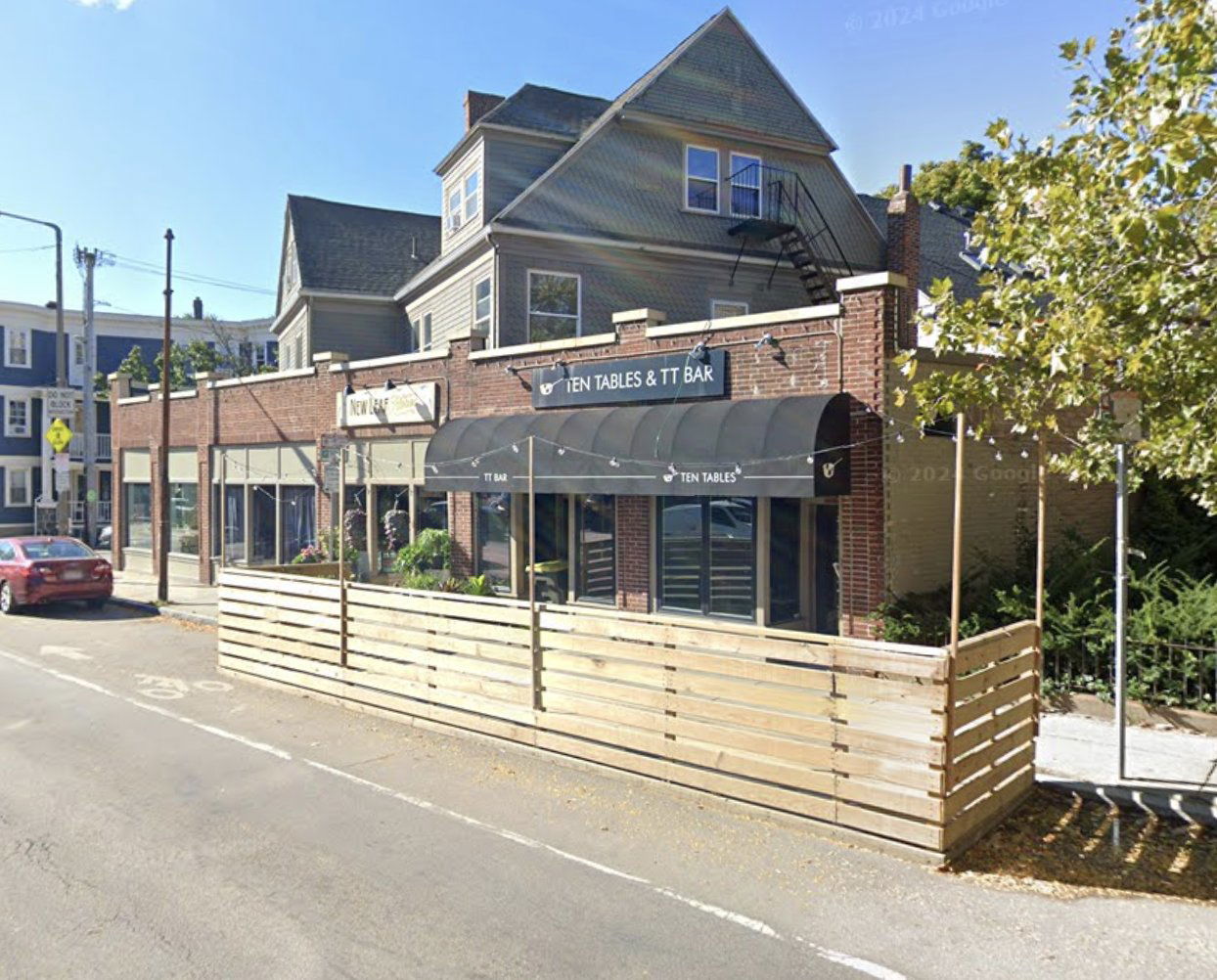
About Ten Tables
Ten Tables sits on Centre Street in Jamaica Plain, a neighbourhood where independent restaurants have long outpaced chain formats. The intimate room and produce-driven kitchen position it within a clear tier of Boston-area neighbourhood dining that prioritises sourcing over spectacle. For anyone moving through JP's dining circuit, it anchors the more considered end of the local scene.
Centre Street After Dark
Centre Street in Jamaica Plain does not announce itself the way Newbury Street or the Seaport does. The neighbourhood's dining strip runs through a genuinely mixed residential corridor, where bodegas and bakeries share frontage with independent restaurants that have been holding the same tables for a decade or more. Ten Tables, at 597 Centre St, belongs to that longer-tenured cohort. The room is small by any measure, which in a neighbourhood like JP functions less as a liability and more as a statement of intent: this is a place built around a specific number of covers, not scalable growth.
That physical constraint shapes the experience before a dish arrives. Smaller rooms in neighbourhood-anchor restaurants tend to generate a particular acoustic register — not loud, not hushed, but the kind of close conversation that makes a Tuesday night feel deliberate. JP's dining scene, which runs from the Ethiopian and West African kitchens near Roxbury Crossing to the Mexican counters along the southern stretch of Centre Street, includes very few rooms operating in this register. Ten Tables occupies a distinct position in that range.
Where the Ingredients Come From — and Why the Address Matters
The broader shift in American independent restaurant culture over the past fifteen years has been toward sourcing transparency: naming the farm, stating the county, building menus around what is arriving that week rather than what has always been on the card. That movement gained its most visible institutional expression at places like Blue Hill at Stone Barns in Tarrytown, where the farm-to-table thesis is also the architecture and the business model. But the same sourcing logic has filtered down into neighbourhood restaurants operating at a fraction of that budget and profile.
In New England, that filtering has a structural advantage. The region's agricultural density , dairy farms in Vermont, small-scale vegetable growers across Massachusetts, fishing fleets working the Gulf of Maine , gives Boston-area restaurants a shorter supply chain than most American cities of comparable size. A kitchen on Centre Street in Jamaica Plain is roughly 50 miles from some of the most productive small-farm acreage in the Northeast. That proximity is not automatic virtue, but it does lower the friction cost of building a menu around seasonal availability rather than year-round commodity supply.
Ten Tables' name itself carries a sourcing logic embedded in its format: fewer tables means fewer covers, which means smaller purchasing volumes that are more compatible with small-farm and artisan-scale suppliers who cannot service high-volume accounts. This is not unique to Ten Tables , it is a structural reality of intimate-format restaurants operating in the produce-driven tier. What it means practically is that the menu composition at a room this size is more likely to shift with seasonal availability than at a larger operation locked into consistent high-volume supply agreements.
Compare this to the sourcing architecture at restaurants operating in the nationally recognised tier. Single Thread Farm in Healdsburg integrates its own farm operation directly into menu construction. The French Laundry in Napa has worked with dedicated suppliers for decades at a price point that makes exclusive sourcing relationships financially viable. Providence in Los Angeles has built its entire identity around the fishing calendar. Ten Tables operates without that institutional scale or national recognition, but the ingredient-first logic runs through the same intellectual tradition.
Jamaica Plain's Dining Context
JP's restaurant scene resists easy categorisation. The neighbourhood has a long history of food-business diversity driven by successive waves of immigration, and that history is still legible on the street. Blue Nile Restaurant represents the Ethiopian end of that spectrum, operating in a tradition where communal dining and fermented-grain staples define the format entirely. Casa Verde Taqueria and The Purple Cactus anchor the Mexican and Latin American end of Centre Street. Brassica Kitchen works a modern American register with its own sourcing emphasis.
Ten Tables sits at the more formally composed end of this range, in a tier that prioritises plating discipline and ingredient pedigree over volume or speed. That positioning is not a claim about superiority within the neighbourhood , it is a description of peer set. The decision to eat at Ten Tables is a different decision from eating at Blue Nile or Casa Verde, and the neighbourhood is large enough to make all of those decisions interesting ones on different evenings.
For readers building a multi-night itinerary through JP, our full Jamaica Plain restaurants guide maps the neighbourhood's dining spread with more granularity across cuisine type and price tier.
The Wider American Sourcing Conversation
Placing Ten Tables in national context requires being honest about scale. The restaurants that have most visibly defined ingredient-sourcing as fine dining's central argument , Alinea in Chicago, Le Bernardin in New York City, Addison in San Diego, The Inn at Little Washington, Bacchanalia in Atlanta, Atomix in New York City, Lazy Bear in San Francisco, and Emeril's in New Orleans , operate with award recognition, dedicated press, and price points that reflect their institutional standing. 8 1/2 Otto e Mezzo Bombana in Hong Kong demonstrates how the same sourcing-led seriousness translates across markets entirely.
Ten Tables is not competing in that tier. But the sourcing-led, small-format neighbourhood restaurant has its own internal logic and its own competitive peer set: the intimate, produce-driven rooms in residential Boston neighbourhoods that serve regulars well rather than destination diners once. In that peer set, Ten Tables' address, format, and positioning are all coherent signals.
Planning Your Visit
Ten Tables is located at 597 Centre St, Jamaica Plain, MA 02130, accessible via the MBTA Orange Line at Green Street or Stony Brook stations, both within a short walk of the Centre Street corridor. For a room of this size in a neighbourhood that rewards regulars, booking ahead on any Friday or Saturday is the pragmatic approach; mid-week evenings tend to be more available. Visitors combining a JP dinner with broader Boston plans should factor in that Jamaica Plain sits southwest of downtown, making it a natural pairing with dining or drinking in Mission Hill, Roxbury, or the South End rather than the Seaport or Back Bay.
Frequently Asked Questions
- Is Ten Tables a family-friendly restaurant?
- At the price point and format this room operates within Boston's neighbourhood dining circuit, it skews toward adult pairs and small groups rather than families with young children. It is not exclusionary, but the intimate room size and composed dining pace make it a better fit for evenings without toddlers in tow.
- Is Ten Tables better for a quiet night or a lively one?
- The small-format, neighbourhood-anchor restaurants that define this tier of Jamaica Plain dining , and Boston's independent scene more broadly , tend toward the quieter register. Ten Tables fits that pattern: the room size limits ambient noise, and the sourcing-led kitchen signals a pace built around attention rather than throughput. If you want energy and volume, the neighbourhood offers other options at lower price points.
- What's the signature dish at Ten Tables?
- Given the produce-driven, seasonally responsive format that defines this category of American neighbourhood restaurant, pinning a single signature dish to Ten Tables is less useful than understanding the sourcing logic: the menu composition shifts with what is available from regional suppliers, which means the answer changes by season. The kitchen's strongest argument is the cumulative effect of ingredient quality across the meal rather than a single showpiece preparation.
- Do they take walk-ins at Ten Tables?
- For a room operating in this format and price tier within a Boston neighbourhood that rewards regulars, walk-in availability depends heavily on day and season. Mid-week evenings are the most viable window for an unplanned visit; weekend slots at rooms of this size in JP tend to fill in advance. If booking ahead is possible, it is the lower-risk approach.
- What distinguishes Ten Tables from other neighbourhood restaurants on Centre Street?
- Ten Tables operates at the more formally composed end of Jamaica Plain's dining range, in a tier defined by small cover counts, ingredient-led menus, and a pace that differs from the neighbourhood's faster-casual and ethnic-specialist options. Its position on Centre Street places it within walking distance of cuisines as different as Ethiopian at Blue Nile and Mexican at The Purple Cactus, making it the anchor for evenings when the priority is a more composed, produce-focused meal rather than a genre-specific or casual one.
Related editorial
- Best Fine Dining Restaurants in ParisFrom three-Michelin-star icons to the next generation of Parisian chefs pushing boundaries, these are the restaurants that define fine dining in the world's culinary capital.
- Best Luxury Hotels in RomeFrom rooftop terraces overlooking ancient ruins to Michelin-starred hotel dining, these are the luxury hotels that make Rome unforgettable.
- Best Cocktail Bars in KyotoFrom sleek lounges to hidden speakeasies, Kyoto's cocktail scene blends Japanese precision with global influence in ways you won't find anywhere else.
Save or rate Ten Tables on Pearl
Keep this venue in your Pearl passport, rate it after you visit, and track it alongside every other place you collect.