
Restaurant in یزد, Iran
Talar-e Yazd Restaurant (رستوران تالار یزد)
100ptsDesert Plateau Hospitality
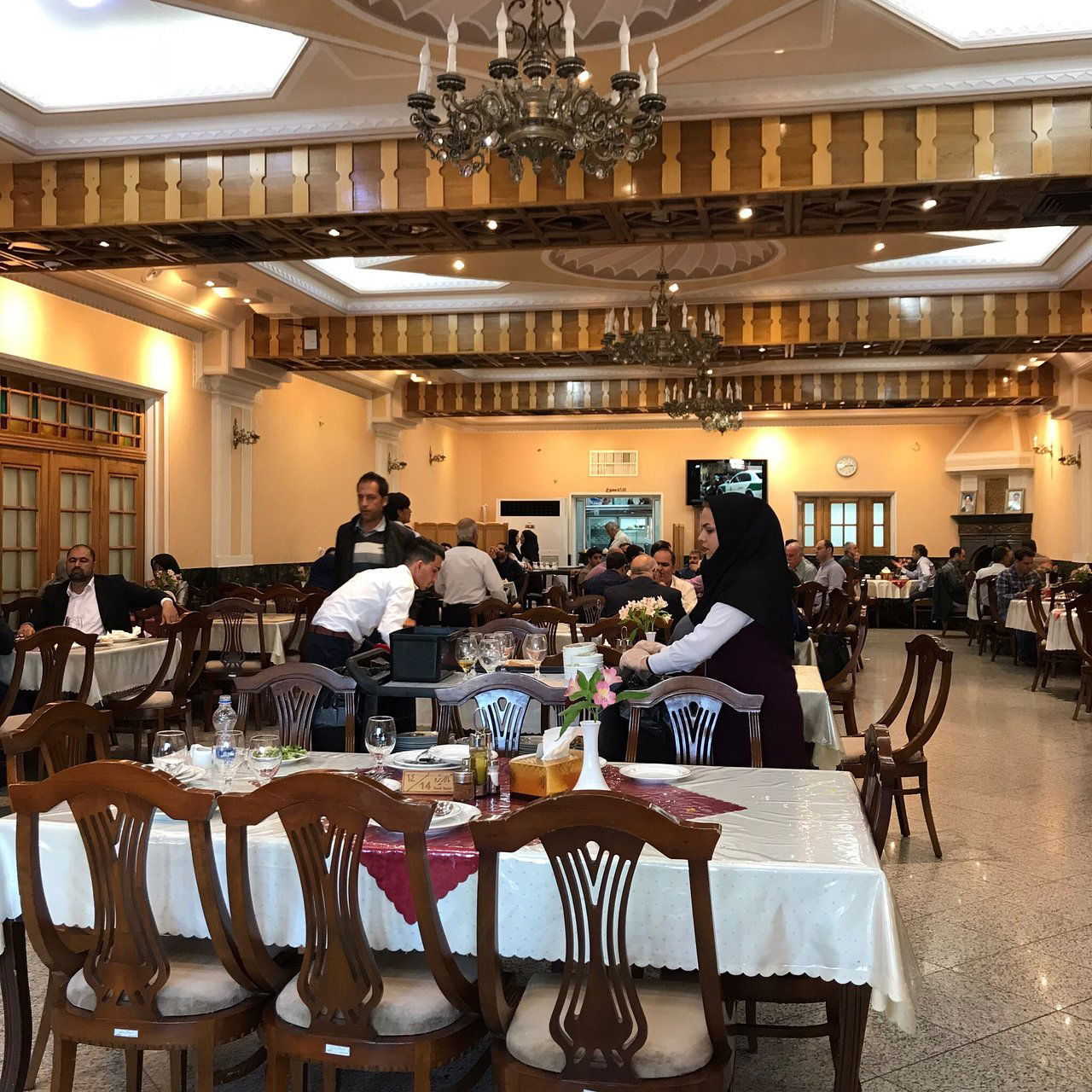
About Talar-e Yazd Restaurant (رستوران تالار یزد)
Yazd and the Architecture of Iranian Hospitality Yazd operates at a different register from Iran's busier cities. The old town, a UNESCO-listed labyrinth of mud-brick lanes, wind towers, and caravanserai courtyards, has shaped a hospitality...
Yazd and the Architecture of Iranian Hospitality
Yazd operates at a different register from Iran's busier cities. The old town, a UNESCO-listed labyrinth of mud-brick lanes, wind towers, and caravanserai courtyards, has shaped a hospitality culture built around shade, slowness, and the rituals of shared eating. Dining in Yazd is not incidental to the city; it is continuous with it. The food arrives from the same logic as the architecture: patient, resource-aware, layered with spice rather than theatrical gesture. Talar-e Yazd Restaurant sits inside that tradition, offering a setting in which the city's culinary character can be read directly through what reaches the table.
What Yazdi Cuisine Actually Is
Central Iranian cuisine, particularly that of Yazd and the surrounding desert plateau, is among the country's most internally coherent regional traditions. Lamb and legumes form the structural base, with pomegranate molasses, dried limes (limoo amani), saffron, and turmeric providing the flavor architecture that distinguishes this cuisine from the herb-forward cooking of the Caspian north or the tamarind-inflected dishes of the Persian Gulf south. Dizi (slow-cooked lamb shank with chickpeas, potatoes, and tomato, served with its own broth and flatbread) is the region's most discussed single-vessel dish, traditionally mashed tableside in a stone mortar before eating. Ash-e reshteh, a thick noodle soup laden with legumes and dried whey, is another cornerstone, its density reflecting a cooking culture built for cold desert nights. Yazd is also one of the country's centers for traditional confectionery: baklava, qottab (almond-filled pastry dusted with powdered sugar), and haj badam cookies are produced here at a standard that draws visitors specifically for the sweets, and a meal in the city often ends with a plate of local pastries rather than a composed dessert.
For broader Iranian dining context across the country, Baastan Restaurant in Isfahan illustrates how this same tradition of historic Persian cooking is presented in a similarly ancient urban setting, while Anar Caravanserai in Anar offers a comparable model of dining rooted in the caravanserai heritage of the Iranian interior.
The Setting as Context
Talar-e Yazd takes its name partly from its physical form. The word "talar" in Persian historically denotes a grand hall or reception chamber, a space designed for gathering and ceremony, not efficiency. That architectural reference matters in a city where the built environment still organizes social life: courtyard houses, bazaar arcades, and historic tea houses all share the logic of the inward-facing room, insulated from the desert heat outside. A restaurant bearing that name positions itself within a lineage of formal Iranian hospitality, the kind where the spread of food is itself a statement of welcome.
Yazd sits in the center of Iran, roughly equidistant between Isfahan and Kerman, and is most directly reached by domestic flight from Tehran or by overnight bus from Isfahan. The old city is compact and walkable once you arrive; most dining destinations, including traditional restaurants, are embedded within or immediately adjacent to the historic core. Travel during spring (March to May) and autumn (September to November) to avoid the desert summer, when midday temperatures regularly exceed 40°C and the pace of the city adjusts accordingly. Many local restaurants shift their primary service to evenings during summer months.
Where Talar-e Yazd Sits in the City's Dining Tier
Yazd's restaurant scene divides broadly into three clusters: tea houses and snack counters inside the bazaar, mid-scale traditional restaurants targeting both locals and the growing number of cultural tourists, and a smaller number of heritage-property dining rooms attached to historic mansions now operating as boutique hotels. Talar-e Yazd belongs to the second tier, a category that has expanded meaningfully over the past decade as Yazd's status as a cultural tourism destination has grown, aided by its 2017 UNESCO World Heritage listing. That recognition accelerated investment in hospitality infrastructure across the old city, which means visitors now have a wider range of settings at this price tier than was previously the case.
For comparison, Koohpayeh Restaurant in Tehran and Laneh Tavoos in Marv Dasht occupy a similar position in their respective cities: traditional format, regional menus, and dining rooms designed to communicate cultural continuity through their decor and service. Pasargad Restaurant in Marv Dasht offers another regional reference point for Persian cooking presented in a formal setting near historic sites. The genre is well-established across Iran, and Yazd's version of it has the advantage of a food culture that has remained notably resistant to outside influence, partly because of the city's geographic isolation and partly because of the historically conservative social character of the region.
Iran's wider dining range also includes restaurants that depart sharply from the traditional model. Caesar Italian Restaurant and Ras Tooran represent a different appetite within the country's urban dining culture. For seafood-focused dining in the south, Khorsand Seafood in Bandar Abbas and Mr Fish in Bandar Abbas define how Persian Gulf coastal ingredients are handled at the restaurant level, a register entirely distinct from the desert-interior cooking that defines Yazd. Gulf-adjacent formats like Croll in Qeshm and Jijian Classic Kabab in Qeshm similarly illustrate how Iranian cuisine diversifies dramatically with geography. Good Fish Restaurant in Tabriz shows the same principle operating in the northwest. Iranian dining, in short, is not one tradition but several, and Yazd sits at one of its most historically grounded points.
For those building a broader Iranian dining itinerary, Bozorgi Restaurant in Qom, Eghbali Restaurant in Qazvin, and Polo Restaurant in Zanjan each anchor the traditional format in their own regional contexts. Our full Yazd restaurants guide covers the city's dining tier in greater detail, including practical notes on timing, proximity to major sites, and how the market for traditional dining has shifted since the UNESCO designation.
Planning Your Visit
Because specific booking data, hours, and pricing for Talar-e Yazd are not currently confirmed in our records, the most reliable approach is to arrange reservations through your accommodation in the old city, where guesthouses and boutique hotels maintain current contacts for dining establishments and can advise on availability, particularly during national holidays and the Nowruz new year period in late March, when Yazd receives significantly higher domestic visitor numbers and table availability tightens. Walking-in during shoulder hours (early lunch or late evening) is generally viable outside peak periods, but the safest approach for a specific meal is confirmation in advance. Dress code follows general Iranian norms for public dining.
Frequently Asked Questions
What should I order at Talar-e Yazd Restaurant?
Without a confirmed current menu in our records, specific dish recommendations cannot be verified. That said, any serious engagement with Yazdi cuisine should include dizi (the slow-cooked lamb and legume dish served with broth and flatbread), ash-e reshteh, and at minimum one of the city's traditional sweets such as qottab or baklava, which Yazd produces at a standard recognized across Iran. These represent the cultural core of the region's food, and any restaurant operating in this tradition would be expected to anchor its menu around them.
Is Talar-e Yazd Restaurant reservation-only?
Confirmed booking policy is not available in our current records. Yazd's traditional mid-tier restaurants generally accept walk-in guests outside peak periods, but during Nowruz (late March) and major Iranian public holidays, demand across the old city's dining rooms rises sharply. Contacting your hotel or guesthouse to confirm availability before visiting is the most practical approach, particularly if you are traveling as a larger group.
What do critics highlight about Talar-e Yazd Restaurant?
Specific critical coverage of Talar-e Yazd is not in our current records. In the broader context of Yazdi dining, restaurants operating in this format are typically recognized for fidelity to regional cooking traditions and for settings that reflect the city's historic character. The critical conversation around Iranian traditional restaurants in cities like Yazd tends to focus on authenticity of preparation and the quality of locally sourced ingredients, particularly saffron, dried fruits, and legumes, rather than on technical innovation.
How does dining at Talar-e Yazd compare to other traditional restaurant experiences in historic Iranian cities?
Yazd's traditional dining scene shares a structural similarity with Isfahan and Kashan in that restaurants are typically positioned close to or within historic architecture, and menus reflect centuries-old preparation methods rather than contemporary adaptation. What distinguishes the Yazdi version is the desert-plateau ingredient base: the cooking is drier, spice-forward, and more reliant on preserved and dried ingredients than the fresher, herb-heavy cooking of northern Iran. For visitors moving between historic cities, the contrast between Yazdi cooking and the food traditions of Isfahan (represented by venues like Baastan Restaurant) is worth paying attention to as evidence of how sharply Iranian regional cuisines diverge even within the same cultural framework. At the international level, the disciplined specificity of Persian regional cooking invites comparison with tasting-focused formats like Atomix in New York or the ingredient-precision approach of Le Bernardin, though the register, price point, and cultural context differ entirely.
Related editorial
- Best Fine Dining Restaurants in ParisFrom three-Michelin-star icons to the next generation of Parisian chefs pushing boundaries, these are the restaurants that define fine dining in the world's culinary capital.
- Best Luxury Hotels in RomeFrom rooftop terraces overlooking ancient ruins to Michelin-starred hotel dining, these are the luxury hotels that make Rome unforgettable.
- Best Cocktail Bars in KyotoFrom sleek lounges to hidden speakeasies, Kyoto's cocktail scene blends Japanese precision with global influence in ways you won't find anywhere else.
Save or rate Talar-e Yazd Restaurant (رستوران تالار یزد) on Pearl
Keep this venue in your Pearl passport, rate it after you visit, and track it alongside every other place you collect.