
Restaurant in Toyama, Japan
Takano
100ptsToyama Bay Provenance
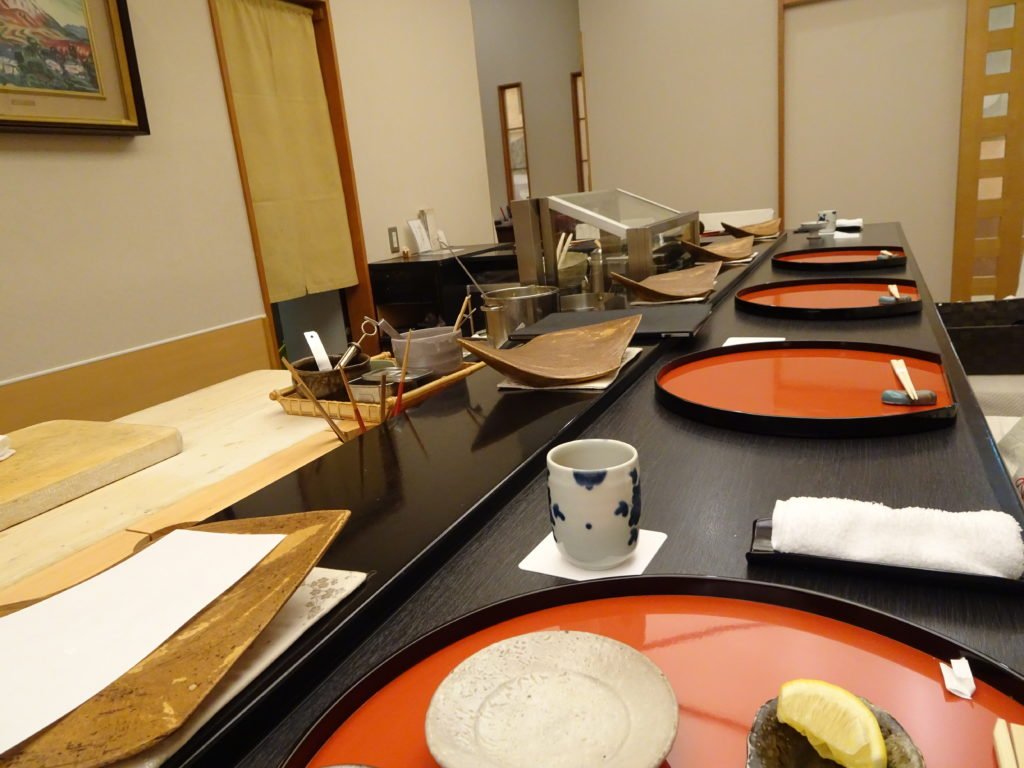
About Takano
Takano sits in Toyama's Shimizumachi district, positioning it within a city whose seafood credentials — built on the prefecture's access to Toyama Bay's cold, deep waters — are increasingly drawing serious diners away from the obvious urban circuits. The address alone places it in the quieter residential tier of the city's dining scene, away from the busier corridors closer to the station.
Arriving in Shimizumachi
Toyama's dining scene has a particular quality that rewards patience. Unlike Kanazawa, which wears its culinary reputation openly and draws visitors who have already read the itinerary, Toyama requires more deliberate navigation. The city's address at 7 Chome-3-6 Shimizumachi places Takano in a residential pocket south of the city centre, the kind of block where restaurants exist primarily because the neighbourhood supports them, not because foot traffic sustains them. That distinction matters when you're deciding whether to seek a place out. Venues in this part of Toyama are not performing for passing tourists. They are operating for a local dining culture that is, by most accounts, quietly serious about what goes on the plate.
Toyama Prefecture's relationship with its seafood is the structural fact underlying almost every worthwhile meal in the city. Toyama Bay functions as a natural cold-water reservoir, its depth reaching over 1,000 metres within a short distance of the coast, which means the fish pulled from it carry a density and flavour profile that chefs in larger cities regularly import. For a restaurant in Shimizumachi, proximity to that supply chain is logistical rather than marketing. The bay's white shrimp, firefly squid, and buri (yellowtail) define the prefecture's table in the same way that Kobe beef defines Hyogo or Matsuzaka defines Mie.
Where Takano Sits in Toyama's Dining Structure
Toyama's restaurant tier has been reshaping itself over the past decade. The city has enough serious dining to sustain an informed visitor, but it does not yet have the volume of internationally flagged venues that Kanazawa or Kyoto carry. What it has instead is a compact set of restaurants — some operating in kaiseki tradition, some working in European formats, and some holding the territory between — that collectively make a case for the city as a dining destination rather than a transit point on the way to somewhere more famous.
Among the identifiable peers, L'évo (Innovative) has achieved the kind of recognition that places it in a national conversation, working an innovative format rooted in Toyama ingredients. Daimon and Ebi-tei Bekkan (also listed as Ebitei Bekkan) represent the city's more established hospitality tier. Himawari Shokudo 2 (Italian) occupies the mid-to-upper bracket in the Italian format at JPY 20,000 to JPY 29,999 per head, which gives a reference point for how this part of the market prices. Takano sits in Shimizumachi with less immediately verifiable data attached to it than some of these peers, which means approaching it requires a different kind of research discipline , the kind that involves making contact directly, arriving with an open framework, and being prepared for the possibility that the experience will not be pre-explained before you get there.
The Booking Question
The editorial angle on Takano, given what the address and the surrounding dining context suggest, is primarily a logistics problem. Toyama does not have the booking infrastructure of Tokyo or Osaka, where aggregator platforms and English-language concierge services have made access to even highly sought-after counters relatively systematic. For a venue in Shimizumachi with no website and no listed phone number in the standard directories, the planning process defaults to the slower methods: hotel concierge assistance, Japanese-language outreach, or connections built through prior visits to the city.
This is not unusual in provincial Japanese dining. Many of the most consistently respected restaurants in second- and third-tier Japanese cities operate without any English-language digital presence whatsoever. The absence of a listed website or phone number in this record does not signal a venue in decline; it is more often the signature of a place that relies on reputation within a local network and does not need inbound inquiry from outside it. Compare this with the booking mechanics at a counter like Harutaka in Tokyo, where international reservations now run through structured waitlists, or at HAJIME in Osaka, where the format and pricing are published clearly. Toyama's quieter venues sit in a different register entirely , not less serious, but less legible to the uninitiated.
For travellers building a trip around Toyama's dining, the practical sequence looks roughly like this: identify your hotel first, since a property with a knowledgeable concierge team will be your most effective tool for accessing venues in the Shimizumachi tier. Then, if possible, plan the Toyama leg of any Japan itinerary to allow at least two or three days in the city, not because the city is large, but because the better meals here tend to require lead time. The broader Toyama dining scene, including kaiseki formats and the city's European-influenced rooms, repays a slow approach more than a rushed one. Our full Toyama restaurants guide covers the breadth of what's available.
Putting Takano in a National Frame
Japan's provincial dining circuit has strengthened considerably over the past fifteen years, partly driven by Michelin's expansion into regional prefectures and partly by a generational shift in how Japanese chefs have weighed the appeal of operating outside the capital. Venues like Gion Sasaki in Kyoto, Goh in Fukuoka, and akordu in Nara have demonstrated that credible, even nationally discussed dining can root itself in smaller cities without sacrificing the ingredient access or technical standard that defines the top tier. Toyama, with Toyama Bay as its supply base, has the raw material logic to support this argument locally.
For international visitors who have already worked through the headline circuits in Tokyo (including counters like 1000 in Yokohama) or come from the refined seafood traditions at restaurants like Le Bernardin in New York City or Atomix in New York City, Toyama represents an opportunity to encounter Japanese produce-driven cooking in a context that has not yet been heavily interpreted for outside consumption. That unmediated quality is precisely what makes venues like Takano worth the additional planning effort.
Beyond restaurants, the city has enough to structure a complete stay. Our full Toyama hotels guide, Toyama bars guide, Toyama wineries guide, and Toyama experiences guide map out a city that rewards deliberate planning rather than improvisation.
Planning Your Visit
Takano's address at 7 Chome-3-6 Shimizumachi, Toyama, 930-0036 is the most concrete anchor available for planning. Given the absence of a listed booking channel, the practical approach is to arrive in Toyama with a hotel concierge relationship already established and to treat the local knowledge network as the primary access mechanism. Timing matters: Toyama Bay's seasonal rhythms shape what is available across the city's kitchens, with winter months producing buri in peak condition and spring bringing firefly squid in volume. Planning a visit to align with these seasonal peaks is the kind of decision that separates a good Toyama meal from a very good one.
Frequently Asked Questions
What should I eat at Takano?
Toyama's defining ingredient story runs through Toyama Bay, and any serious meal in the city is likely to engage with what that bay produces: white shrimp, firefly squid, and buri in season. Restaurants at Takano's address tier in Shimizumachi typically draw on these local supplies as a matter of geographic logic rather than deliberate positioning. For the most current picture of what is being served, direct contact through a hotel concierge remains the most reliable approach, given the absence of a published menu or website in the available record.
How hard is it to get a table at Takano?
Toyama sits outside the main international booking infrastructure that covers Tokyo and Osaka, which means venues here require a different access approach regardless of their demand level. Takano in Shimizumachi has no listed website or published booking channel in the current record, placing it firmly in the category of restaurants where local contacts and concierge relationships do the work that digital platforms handle elsewhere. Visitors building a Japan itinerary that includes Toyama should treat this kind of advance groundwork as standard for the city, not exceptional to this specific address.
Is Takano in Toyama a good choice for travellers already familiar with high-end Japanese dining in Tokyo or Osaka?
Toyama's dining scene addresses a different part of the Japanese food argument than the capital's most structured omakase counters or Osaka's kaiseki rooms. The city's strength is in ingredient provenance, specifically what Toyama Bay delivers across seasons, and a local restaurant culture that is not calibrated for international legibility. For a traveller who has already spent time at venues like HAJIME in Osaka or Harutaka in Tokyo, Takano's Shimizumachi address represents a step further into the city's quieter, locally oriented dining tier, which requires more planning but offers a different kind of encounter with Japanese produce-driven cooking.
Related editorial
- Best Fine Dining Restaurants in ParisFrom three-Michelin-star icons to the next generation of Parisian chefs pushing boundaries, these are the restaurants that define fine dining in the world's culinary capital.
- Best Luxury Hotels in RomeFrom rooftop terraces overlooking ancient ruins to Michelin-starred hotel dining, these are the luxury hotels that make Rome unforgettable.
- Best Cocktail Bars in KyotoFrom sleek lounges to hidden speakeasies, Kyoto's cocktail scene blends Japanese precision with global influence in ways you won't find anywhere else.
Save or rate Takano on Pearl
Keep this venue in your Pearl passport, rate it after you visit, and track it alongside every other place you collect.