
Restaurant in Koksijde, Belgium
't Blekkertje
100ptsNorth Sea Neighbourhood Table
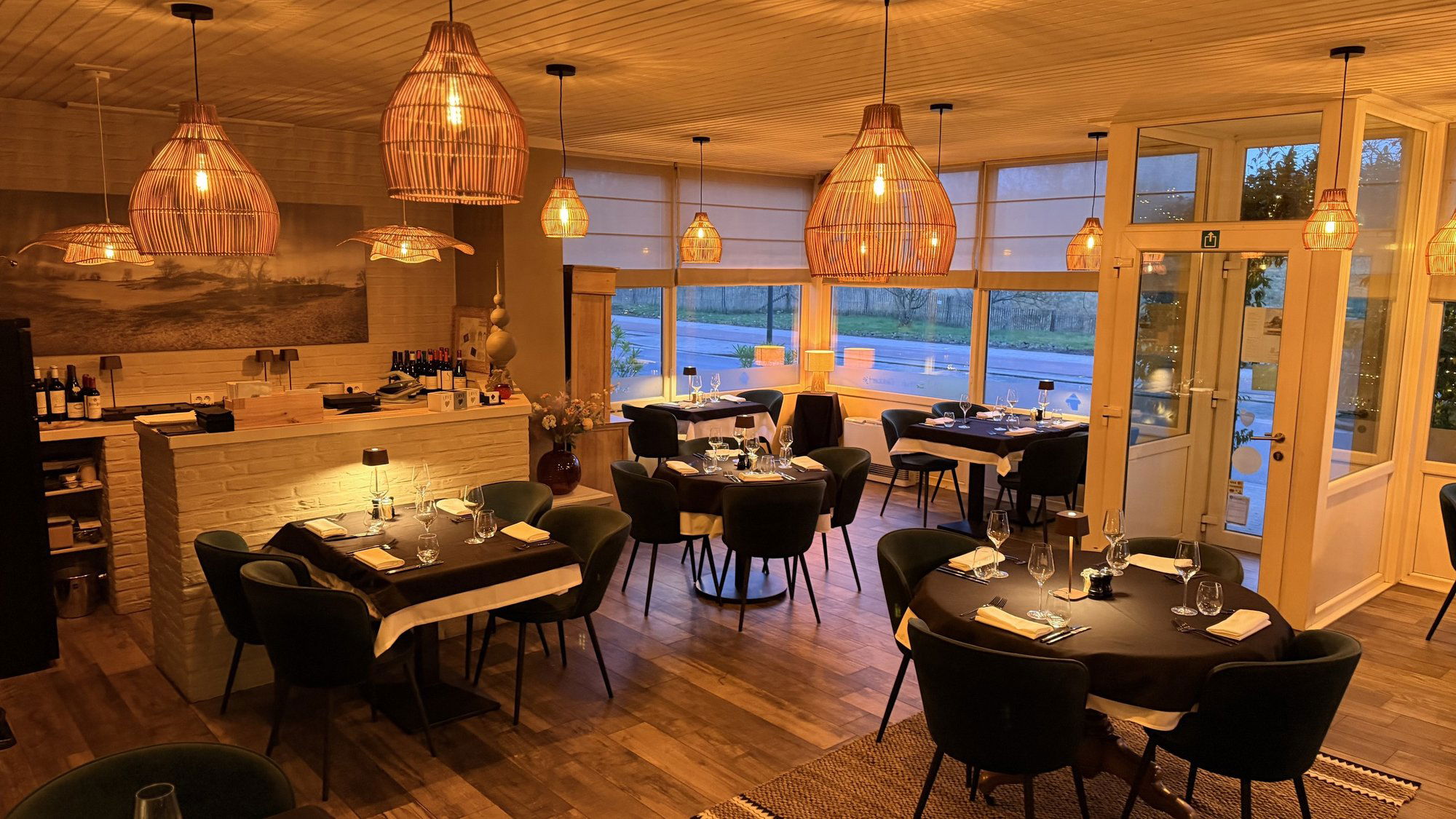
About 't Blekkertje
On Koksijde's main Zeelaan strip, 't Blekkertje occupies a position familiar to anyone who has spent time along the Belgian Flemish coast: a neighbourhood address where the kitchen leans on what the North Sea and local farmland reliably provide. The surrounding area's dining scene runs from traditional Flemish standbys to sharper modern cooking, and 't Blekkertje sits within that range as a locally embedded option worth understanding in context.
The Flemish Coast Table: What Koksijde's Dining Scene Is Actually About
The Belgian coast between De Panne and Nieuwpoort has never chased the kind of international dining recognition that accumulates in Ghent or Antwerp. What it has built, over decades of seasonal trade and a resident population that expects substance over spectacle, is a distinct food culture grounded in proximity: proximity to the North Sea, to polderland agriculture, and to a Flemish culinary tradition that prizes honest technique over elaborate presentation. Koksijde sits at the centre of that stretch, and its restaurant addresses — from the traditional end represented by De Huifkar (Traditional Cuisine) to the more contemporary register of BOÎTE — reflect a community that eats locally and often.
The Zeelaan, Koksijde's main commercial artery, is where much of that activity concentrates. It runs parallel to the dunes rather than directly onto the beach, which means its restaurants serve a mixed crowd: weekend visitors from Ghent and Brussels, summer families, and year-round residents who have opinions about where to eat and largely ignore anything that feels performative. 't Blekkertje, at number 103, is an address on that strip whose name , a Dutch diminutive referencing a small cuttlefish or ink-cap , signals a seafood orientation from the outset.
Ingredient Geography: What the North Sea and the Polder Provide
Understanding what ends up on plates in coastal Flemish kitchens requires understanding the supply geography. The North Sea fishery operating out of nearby Nieuwpoort is one of Belgium's most active, landing day-boat catches that reach coastal kitchens within hours. Grey shrimp from the Flemish Banks, sole from the southern North Sea, and seasonal flatfish form the reliable core of what coastal Belgian restaurants have always done well. Further inland, the Westhoek polder region , flat, fertile, and intensively farmed , supplies vegetables, dairy, and meat that complement the marine catch. This dual sourcing model, sea and polder, is the structural logic behind most serious Flemish coastal cooking.
Across Belgium, the restaurants that have earned the most sustained attention are those that have taken this ingredient geography seriously rather than treating it as incidental. Willem Hiele in Oudenburg has become a reference point for this approach, building a kitchen programme almost entirely around hyperlocal West Flemish sourcing. Further along the coast, Bartholomeus in Heist has made North Sea seafood the centre of a tasting format that has drawn sustained critical attention. These are the addresses that define what coastal Belgian fine dining can look like when sourcing logic is applied with rigour.
't Blekkertje operates in the same ingredient geography, though without the documented critical recognition of those higher-profile addresses. For the Koksijde visitor assembling a broader picture of where to eat, that context matters: the gap between a neighbourhood address and a destination kitchen in this region is real, but the raw material available to both is often identical. The difference lies in what the kitchen does with it and how the dining format is structured around it.
The Zeelaan Setting: What Arriving Here Looks Like
Approaching 't Blekkertje along the Zeelaan, the streetscape is characteristically Flemish coastal: a mix of low-rise retail, cafés, and restaurant frontages interspersed with the occasional older building that pre-dates the postwar beach tourism boom. The address sits among neighbours that include De Kelle and Carcasse, which together suggest a strip with more dining density than the town's modest size might imply. Koksijde's population swells substantially in July and August, and the Zeelaan's restaurant trade reflects that seasonal rhythm: tables fill quickly on summer weekends, and the pace is noticeably different from the quieter shoulder seasons of April or October.
The name itself is worth noting as an atmospheric signal. In Dutch, a blekkertje refers to a small cuttlefish, the cephalopod whose ink has flavoured and coloured Flemish and broader European coastal cooking for centuries. It is a specific, marine reference , not a generic coastal gesture , and it suggests a kitchen whose identity is tied to the sea rather than to the broader Flemish bistro tradition. Whether that promise is fully realised in the current format is something a first-time visitor would need to assess on arrival, since specific menu and format data is not available in the public record at time of writing.
Koksijde in the Wider Belgian Dining Conversation
Belgium's most-discussed restaurant addresses are not on the coast. Hof van Cleve in Kruishoutem, Boury in Roeselare, and Zilte in Antwerp operate at a tier defined by documented Michelin recognition and sustained critical attention. Bozar Restaurant in Brussels occupies a different but comparably high-profile position in the capital. Further afield, addresses like Le Bernardin in New York City and Atomix in New York City represent what seafood-centred and precision-driven tasting formats can look like at the highest documented level internationally , a useful reference point for understanding where ambition in seafood cooking can lead.
The coastal strip around Koksijde is not competing in that tier. What it offers is something structurally different: a concentration of locally embedded restaurants, each shaped by the same ingredient geography, serving a community that treats dining out as a regular activity rather than a special-occasion event. Bistronomie Eglantier represents one current in that local scene. For a fuller picture of what is available in town, the EP Club Koksijde restaurants guide maps the range across price tiers and formats. Elsewhere in Belgium, addresses like Castor in Beveren, De Jonkman in Sint-Kruis, L'air du temps in Liernu, and d'Eugénie à Emilie in Baudour demonstrate the range of what serious Belgian regional cooking looks like beyond the coast.
Planning a Visit: What to Know Before You Go
't Blekkertje is located at Zeelaan 103, 8670 Koksijde , direct to reach by car from the E40 motorway exit at Veurne, or by coastal tram from De Panne or Oostende on the Kusttram line, which stops near the Koksijde centre. During summer months, parking on the Zeelaan itself is limited; arriving earlier in the day or using the municipal lots off the main strip is the practical approach. Booking ahead is advisable for weekend visits between June and August, when coastal demand compresses capacity across the strip. Specific hours, reservation methods, and current pricing are not confirmed in available records, so contacting the venue directly before visiting is the sensible step.
Frequently Asked Questions
Can I bring kids to 't Blekkertje?
Koksijde is a family-oriented coastal town, and most restaurants along the Zeelaan accommodate children without issue; without confirmed pricing or format data for 't Blekkertje specifically, the safest approach is to call ahead and ask directly.
What should I expect atmosphere-wise at 't Blekkertje?
If the address follows the pattern common to Zeelaan restaurants in Koksijde, expect a neighbourhood dining room rather than a destination format: approachable, locally frequented, and calibrated for regular use rather than occasion dining. The coastal tram and summer visitor traffic mean the atmosphere shifts noticeably between a quiet March weekday and a Saturday in August. No awards data is on record, so expectations should be set around solid local cooking rather than high-end tasting formats.
What should I order at 't Blekkertje?
Given the name's explicit cephalopod reference and the address's position on the Flemish coast, the kitchen's strongest ground is almost certainly seafood from the North Sea fishery. In the absence of confirmed menu data, lean toward whatever the kitchen signals as its daily catch , coastal Belgian restaurants at this level tend to source what is freshest that morning rather than maintaining a fixed menu year-round.
Is 't Blekkertje reservation-only?
No confirmed booking policy is on record. In Koksijde, most mid-range restaurants accept walk-ins outside peak summer weeks, but weekend evenings in July and August are a different matter across the entire Zeelaan strip. Contacting the venue directly before a summer visit is the practical step.
Is 't Blekkertje a good choice for a solo seafood-focused lunch along the Flemish coast?
The address on Koksijde's main Zeelaan strip and the name's clear marine reference suggest it is oriented toward exactly that kind of visit. Coastal Belgian restaurants in this neighbourhood tier typically offer shorter lunch formats , often two or three courses built around the day's fish , that work well for solo diners. No chef credentials or awards are documented in the public record, which places it in the locally embedded rather than destination category, but the ingredient access from the Nieuwpoort fishery is the same as that available to kitchens operating at higher price points along this coast.
Related editorial
- Asia's 50 Best Restaurants 2026: The Chairman and Wing Go 1-2 from the Same BuildingThe Chairman takes No. 1 and Wing climbs to No. 2 at Asia's 50 Best Restaurants 2026. Both operate from the same Hong Kong building. Here's what it means.
- Four Seasons Yachts Debut: 95 Suites, 11 Restaurants, and a March 2026 Maiden VoyageFour Seasons I launches March 20, 2026, with 95 suites, a one-to-one staff ratio, and 11 onboard restaurants. Worth tracking if you want hotel-grade service at sea.
- LA Michelin Guide 2026: Seven New Restaurants from Tlayudas to Uzbek DumplingsMichelin's March 2026 California Guide update adds six LA restaurants and one Montecito newcomer, spanning Oaxacan tlayudas, Uzbek manti, and Korean-Italian pasta.
Save or rate 't Blekkertje on Pearl
Keep this venue in your Pearl passport, rate it after you visit, and track it alongside every other place you collect.