
Restaurant in San Juan Capistrano, United States
Sundried Tomato Cafe
100ptsCalifornia-Mediterranean Daytime Cooking
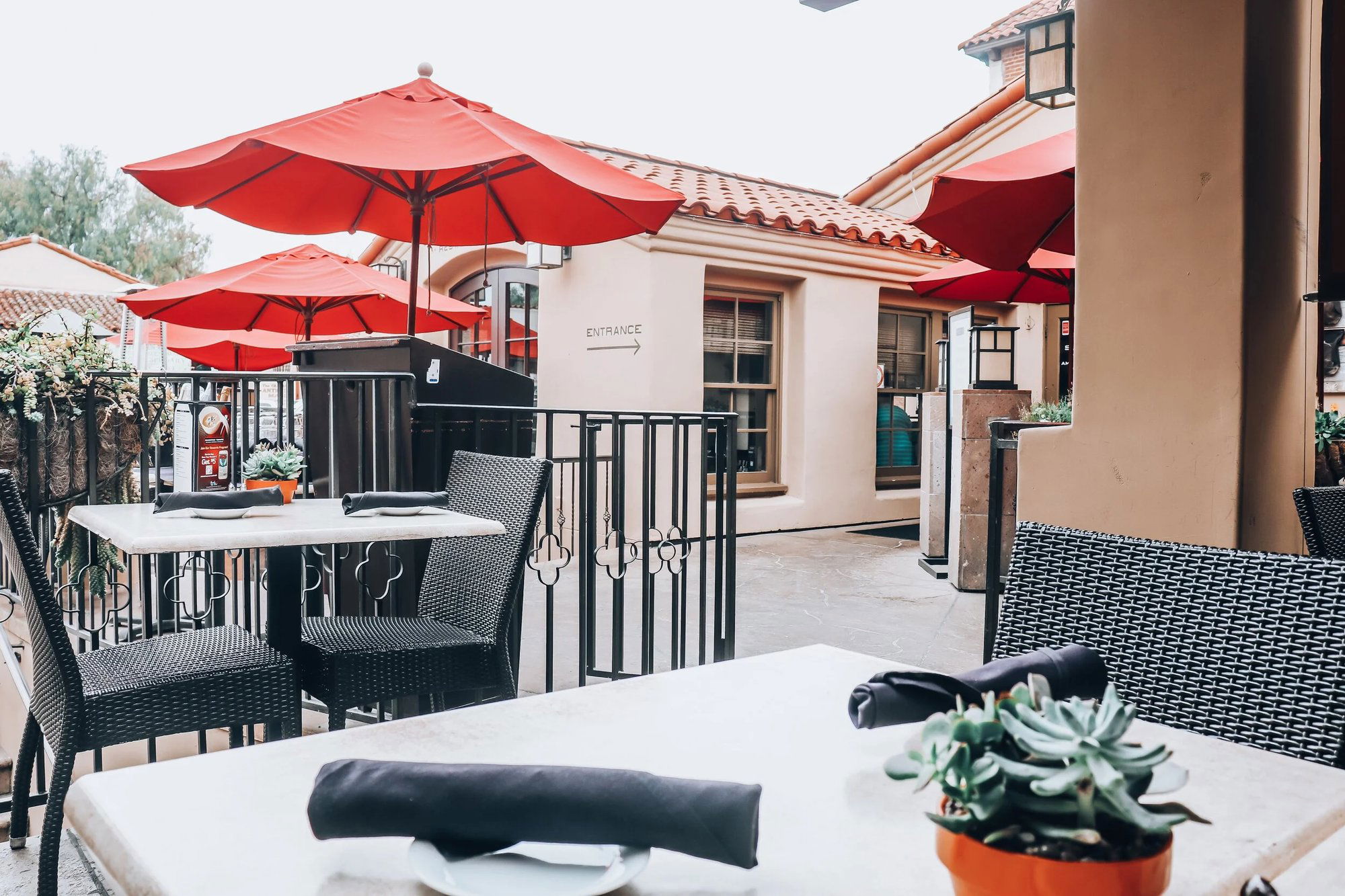
About Sundried Tomato Cafe
A neighborhood cafe on Camino Capistrano, Sundried Tomato Cafe sits within walking distance of the San Juan Capistrano Mission and the town's historic core. The cafe occupies a tier of casual, ingredient-forward dining that has quietly defined the town's daytime food culture for locals and visiting day-trippers alike. It holds a recognizable place among the restaurants that give San Juan Capistrano its unhurried, California-meets-Mediterranean character.
San Juan Capistrano's Daytime Dining Register
San Juan Capistrano is not a city that announces itself through high-volume restaurant culture. The town's dining scene has always tracked closer to its character: historically layered, architecturally preserved, and oriented toward the kind of meal you take at a measured pace. Along Camino Capistrano, the main artery that threads past the mission ruins and the old rail depot, casual cafes with Mediterranean-inflected menus have carved out a reliable niche. Sundried Tomato Cafe sits on that street, at 31781 Camino Capistrano, positioned in a dining tier that prizes freshness and approachability over ceremony. In a town where El Adobe de Capistrano holds the historic-institution role and Ramos House Cafe anchors the slow-brunch end of the market, this cafe occupies its own lane: a daytime gathering point with a name that signals its culinary orientation before you even walk in.
The Cultural Grammar of California-Mediterranean Cafe Cooking
The sundried tomato is a useful cultural artifact. It arrived in California kitchens in force during the late 1980s and 1990s, carried by the same wave that brought imported olive oils, fresh basil, and a broader appetite for the flavors associated with southern France and coastal Italy. What began as a restaurant novelty became shorthand for a certain mode of California cooking: light, produce-centered, visually warm, and rooted in the idea that good ingredients require limited intervention. By naming itself after that ingredient, the cafe locates itself inside a specific culinary lineage, one that sits closer to the farmers market sensibility than to the white-tablecloth tradition.
That lineage is worth tracing, because it explains why this style of cafe has proven durable in towns like San Juan Capistrano. The mission-era architecture, the narrow streets, the proximity to the coast without being a beach town proper: all of it favors a dining culture that is convivial rather than competitive, and daytime-weighted rather than destination-dinner focused. Visitors who drive down from Los Angeles or up from San Diego to walk the mission grounds tend to want a meal that extends the experience of the town rather than interrupting it with something jarring. A cafe built around Mediterranean-adjacent flavors, garden herbs, and the kind of ingredients that travel well in the California heat serves that expectation without strain.
For contrast, consider what the region's more formally ambitious restaurants require of a visitor. Providence in Los Angeles demands a specific kind of planned evening. Addison in San Diego operates inside a dedicated tasting-menu format that structures the entire night. Even at the national level, venues like The French Laundry in Napa or Alinea in Chicago sit inside a register that demands planning windows of weeks or months and a particular disposition from the diner. The California-Mediterranean cafe format operates on entirely different terms: lower friction, faster access, and a premise that the food should suit a Tuesday afternoon as naturally as a weekend outing.
Where Sundried Tomato Cafe Sits in the San Juan Capistrano Picture
The local dining picture in San Juan Capistrano has diversified steadily over the past decade. Heritage Barbecue has brought serious wood-fire technique and a different kind of weekend queue to the town, while Mayfield has raised the bar on the dinner-occasion side. Five Vines Wine Bar addresses the afternoon wine-and-small-plates need that a town with this much foot traffic from mission visitors and Amtrak day-trippers naturally generates. Within that picture, a cafe on Camino Capistrano with a Mediterranean-leaning identity serves a function the town's more specialized venues do not: it provides a midday anchor that works equally well for a solo visitor with two hours and a couple who have just finished a tour of the mission grounds.
The address on Camino Capistrano is logistically sensible. The street connects directly to the San Juan Capistrano Metrolink station, which means the cafe sits within a short walk of one of the more compelling rail-day-trip options from Los Angeles. The Metrolink Pacific Surfliner corridor puts San Juan Capistrano roughly 75 minutes from downtown Los Angeles Union Station, and visitors arriving by train tend to cluster along Camino Capistrano precisely because it contains the mission, the Los Rios Historic District, and the town's walkable dining options within a compact geography. A cafe at this address does not need to do much marketing work: the foot traffic structure of the town delivers its audience.
Wider editorial context: the California-Mediterranean cafe format is, in some respects, the format that made farm-to-table legible to a broad audience before farm-to-table became a self-conscious category. Restaurants like Blue Hill at Stone Barns in Tarrytown and Single Thread Farm in Healdsburg operate at the formal, multi-course end of that same philosophical arc. The neighborhood cafe version compresses the premise into an accessible daily format without the tasting-menu apparatus. That compression is a feature, not a compromise.
Planning a Visit
San Juan Capistrano rewards visits timed outside peak summer weekend traffic, when the mission draws large tour groups and Camino Capistrano can feel compressed. Weekday mornings and early afternoons give the town a quieter register that suits a cafe meal more naturally. The Los Rios Historic District, a short walk from the Camino Capistrano strip, adds a sensible pre- or post-meal itinerary for visitors with time to spend. Those arriving by car should note that parking in the immediate mission area fills quickly on weekends; side streets east of Camino Capistrano typically offer more availability. For a broader map of where this cafe sits relative to the full range of dining options in the town, our full San Juan Capistrano restaurants guide provides the complete editorial picture.
Frequently Asked Questions
- What's the signature dish at Sundried Tomato Cafe?
- The cafe's name itself anchors its culinary identity in the sun-dried tomato tradition of California-Mediterranean cooking, a genre built around preserved produce, olive oil, and fresh herbs. Because verified menu data is not currently available in our records, we cannot confirm specific dishes or preparations. For the current menu, visiting the cafe directly or checking their local listings will give you accurate, up-to-date detail on what is being served.
- Should I book Sundried Tomato Cafe in advance?
- San Juan Capistrano's daytime dining options are concentrated along a relatively short stretch of Camino Capistrano, which means popular cafes can fill quickly on weekends and during summer peak season when mission visitor traffic is at its highest. If you are planning a weekend visit, arriving early or mid-morning reduces the likelihood of a wait. Venues in this tier and price register in the town, including comparable options like Ramos House Cafe, tend to operate on a walk-in basis, but local conditions vary; contacting the venue directly before a weekend visit is the reliable approach.
- Is Sundried Tomato Cafe a good option for visitors arriving by train to San Juan Capistrano?
- The cafe's position on Camino Capistrano places it within the walkable zone from the San Juan Capistrano Metrolink station, which is one of the more practical rail access points on the Los Angeles to San Diego corridor. Visitors using the Pacific Surfliner or Metrolink 91/PVL line disembark within a few minutes' walk of the mission district and the Camino Capistrano dining strip. For day-trippers structuring a visit around the train schedule, the cafe's daytime format aligns well with the rhythm of a morning arrival and afternoon departure. See our San Juan Capistrano dining guide for further options in the same walkable radius.
Related editorial
- How travel will be redefined by 2040By 2040, Travel Won't Be a Trip — It Will Be a Stack My thesis is simple and, I think, uncomfortable: by 2040, "travel" will no longer describe a discrete journey from point A to point B.
- How travel will be redefined by 2040The Death of Tourism as We Know It: Why 2040 Will Demand a Completely Different Kind of Traveler Let me be direct: the version of travel most of us grew up dreaming about — cheap flights, crowded lan
- Asia's 50 Best Restaurants 2026: The Chairman and Wing Go 1-2 from the Same BuildingThe Chairman takes No. 1 and Wing climbs to No. 2 at Asia's 50 Best Restaurants 2026. Both operate from the same Hong Kong building. Here's what it means.
Save or rate Sundried Tomato Cafe on Pearl
Keep this venue in your Pearl passport, rate it after you visit, and track it alongside every other place you collect.