
Restaurant in Kegeyli, Uzbekistan
Shayxana Nayman
100ptsKarakalpak Shayxana Tradition
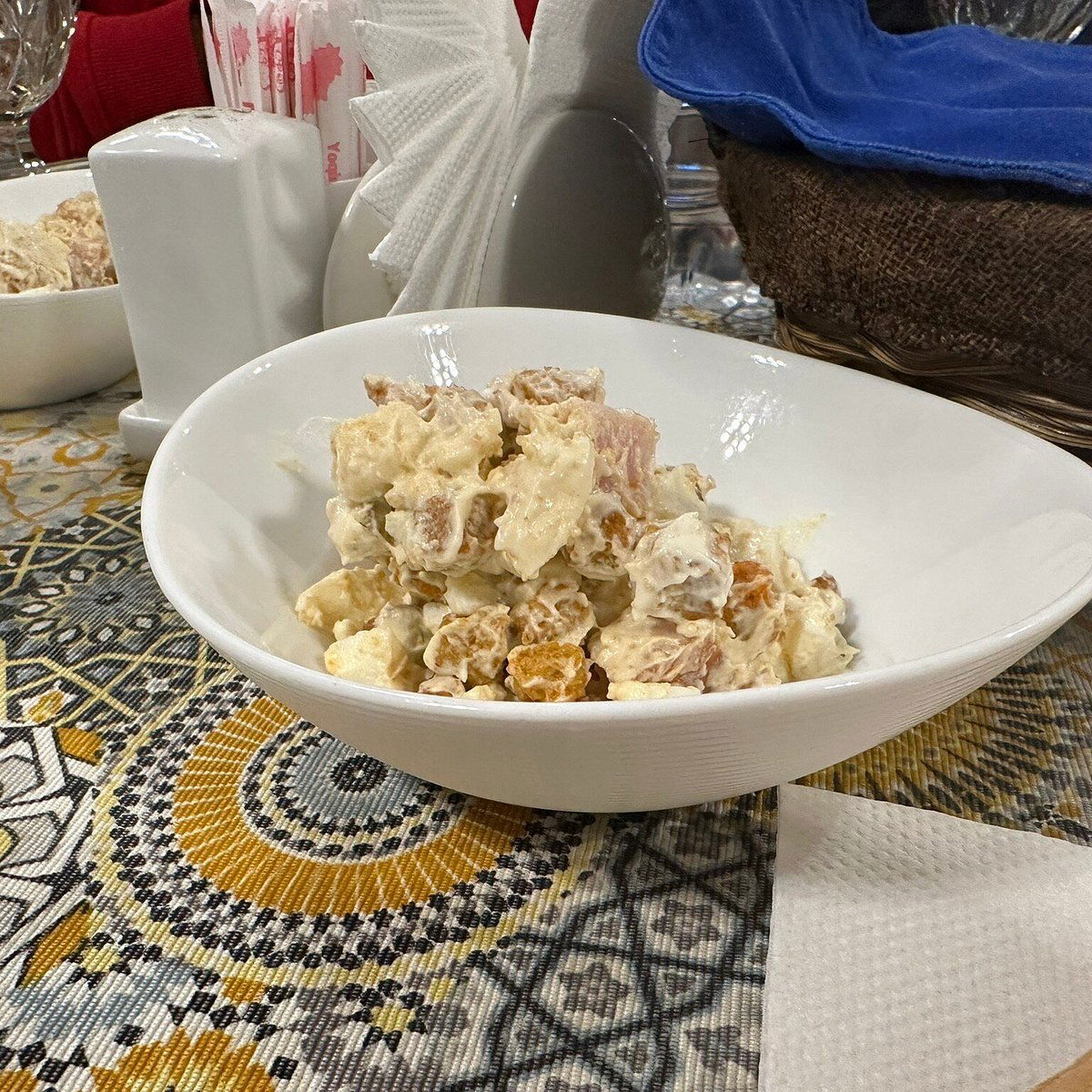
About Shayxana Nayman
Shayxana Nayman sits in Kegeyli, a working town in Karakalpakstan where the supply chain for local dining runs through the same agricultural channels that have fed this corner of Central Asia for centuries. The kitchen draws on the region's grain, livestock, and produce traditions rather than imported ingredients, placing it firmly in the Karakalpak cooking tradition that remains largely unfamiliar to outside visitors.
Where Karakalpak Cooking Meets Its Source Material
Most of the world's coverage of Uzbek dining begins and ends in Tashkent or Samarkand, where the restaurant trade has long adapted itself to foreign expectations. Kegeyli operates on a different logic. The town sits in the Karakalpakstan region of northwestern Uzbekistan, between the shrinking Aral Sea basin and the agricultural plains that still supply much of the area's food. Restaurants here are not destination operations built around tourism; they are functional parts of a food culture whose ingredients travel short distances from land to table. Shayxana Nayman belongs to that context, and understanding it means starting with the supply chain, not the dining room.
The Ingredient Geography of Karakalpakstan
Karakalpakstan's cuisine is a branch of Central Asian cooking that shares DNA with Uzbek, Kazakh, and Turkmen traditions while maintaining its own character, shaped largely by what the land around it produces. The region's flatlands yield rice, wheat, and vegetables, while livestock, particularly sheep, remain central to the diet in a way that reflects centuries of semi-nomadic food culture. Lamb-based dishes, rice preparations, and bread baked in clay ovens follow patterns that predate any restaurant trade in the area. In towns like Kegeyli, that sourcing geography is not a marketing angle; it is simply how the kitchen operates. Produce comes from nearby agricultural operations, meat from local suppliers, and grain-based staples from the same regional mills that have supplied the area for generations.
This is the context that separates a shayxana, the Uzbek-derived term for a traditional teahouse or informal eatery, from the more curated dining experiences found in larger Uzbek cities. For comparison, [Afrosiyob Restaurant in Samarqand](https://www.enprimeurclub.com/restaurants/afrosiyob-restaurant-samarqand-restaurant) and [Old Bukhara in Buxoro](https://www.enprimeurclub.com/restaurants/old-bukhara-buxoro-restaurant) operate in cities where the tourist trade has shaped menus and presentation over decades. Kegeyli's dining scene has not undergone that same adjustment, which means the food at a place like Shayxana Nayman is likely to reflect regional sourcing more faithfully than venues in higher-traffic corridors.
The Shayxana Format and What It Signals
Across Central Asia, the shayxana format occupies a specific social function. These are spaces where tea is central, where meals extend over time rather than moving through timed courses, and where the food served tends to reflect what is available and affordable locally rather than any imported concept. The format is democratic in the leading sense: the same dishes appear on tables across income levels because the local supply chain makes those dishes natural rather than curated. Plov, the rice and meat dish that functions as a daily staple across Uzbekistan, would be a reasonable expectation; so would samsa, shurpa, and bread prepared in the tandoor style that persists throughout the region.
The shayxana's position in the dining ecosystem is worth placing against the broader spectrum of Central Asian restaurant formats. Venues like [Mirza Bashi in Xiva](https://www.enprimeurclub.com/restaurants/mirza-bashi-xiva-restaurant) and [Ayvan Restaurant in Bukhara](https://www.enprimeurclub.com/restaurants/ayvan-restaurant-bukhara-restaurant) have moved toward a more composed presentation aimed at visitors familiar with international dining conventions. Shayxana Nayman, by the nature of its location in Kegeyli, sits at a different point on that spectrum: a working-town format where the clientele is predominantly local and the kitchen's decisions are driven by what the surrounding region grows and raises.
Approaching Kegeyli as a Dining Destination
Kegeyli is not a destination that draws visitors independently; it sits roughly 45 kilometres from Nukus, the regional capital of Karakalpakstan, which is itself reached via a domestic flight from Tashkent or a long overland journey. Travellers who reach this part of Uzbekistan are generally en route to the ancient Khorezm fortresses scattered across the steppe, or are making the increasingly discussed journey to the remnants of the Aral Sea. Those itineraries bring a small but growing number of independent travellers through towns like Kegeyli, and the dining options along those routes offer a more unfiltered view of how Karakalpak communities actually eat than anything available in Uzbekistan's tourism centres.
For travellers already spending time in the broader Uzbekistan circuit, the contrast with Tashkent's increasingly internationalised scene is instructive. Operations like [Jumanji in Tashkent](https://www.enprimeurclub.com/restaurants/jumanji-tashkent-restaurant) and [Khiva Cafe in Toshkent](https://www.enprimeurclub.com/restaurants/khiva-cafe-toshkent-restaurant) are calibrated for urban, mixed audiences. Shayxana Nayman, in Kegeyli, operates without that calibration, which is precisely what makes a stop worthwhile for the kind of traveller interested in how regional cuisine functions when it is not performing for an outside audience.
Globally, the contrast becomes even sharper when placed against fine dining in other regions. The sourcing philosophy that defines places like [Aponiente in El Puerto de Santa María](https://www.enprimeurclub.com/restaurants/aponiente-el-puerto-de-santa-mara-restaurant) or the local-produce commitments discussed at venues like [Lazy Bear in San Francisco](https://www.enprimeurclub.com/restaurants/lazy-bear) has been formalised into a restaurant narrative. In Kegeyli, the same sourcing logic applies, but without the narrative architecture around it. The food is local because the supply chain is local, not because a menu has chosen to frame it that way.
Planning a Visit
Practical information about Shayxana Nayman, including phone numbers, hours, and booking procedures, is not available through published channels, which is consistent with the informal nature of the shayxana format across the region. Visitors should expect to arrive without a reservation and pay in cash, as card infrastructure in smaller Karakalpak towns remains limited. Prices at shayxanas in Kegeyli sit at the lower end of the Uzbekistan dining range, consistent with local rather than tourist-facing pricing. The leading approach is to arrive during a standard meal window, typically midday or early evening, and to treat the experience as an opportunity to observe the local dining rhythm rather than a timed, structured meal. For broader orientation before the trip, [our full Kegeyli restaurants guide](https://www.enprimeurclub.com/cities/kegeyli) covers additional options in the town. Those building a wider Uzbekistan itinerary around dining might also reference [Yi Palace in Konigil](https://www.enprimeurclub.com/restaurants/yi-palace-konigil-restaurant) for the Samarkand region, and for the international fine dining reference points that contextualise this kind of regional food culture, the EP Club covers venues from [Le Bernardin in New York City](https://www.enprimeurclub.com/restaurants/le-bernardin) to [Alain Ducasse's Louis XV in Monte Carlo](https://www.enprimeurclub.com/restaurants/alain-ducasse-louis-xv-monte-carlo-restaurant), [Atomix in New York City](https://www.enprimeurclub.com/restaurants/atomix), [Alinea in Chicago](https://www.enprimeurclub.com/restaurants/alinea), [Alléno Paris au Pavillon Ledoyen in Paris](https://www.enprimeurclub.com/restaurants/allno-paris-au-pavillon-ledoyen-paris-restaurant), [Amber in Hong Kong](https://www.enprimeurclub.com/restaurants/amber-hong-kong-restaurant), [8½ Otto e Mezzo Bombana in Hong Kong](https://www.enprimeurclub.com/restaurants/8-12-otto-e-mezzo-bombana-hong-kong-restaurant), and [Emeril's in New Orleans](https://www.enprimeurclub.com/restaurants/emerils-new-orleans-restaurant).
Frequently Asked Questions
- Can I bring kids to Shayxana Nayman?
- Kegeyli's shayxanas are family-oriented spaces by default, and given the local pricing at venues of this type, bringing children is unlikely to raise any practical or social issues.
- How would you describe the vibe at Shayxana Nayman?
- If you are arriving from a larger Uzbek city where restaurants have adapted to mixed audiences, the atmosphere here will register as more functional and unhurried. Kegeyli is a working town without a significant tourist trade, and the dining room at a shayxana reflects that: tea takes precedence, conversation runs long, and the pace is set by local habit rather than a service model calibrated to outside visitors. No awards or price signals suggest any departure from that format.
- What should I eat at Shayxana Nayman?
- Order according to what the region grows and raises. Plov, the rice and lamb preparation central to Uzbek and Karakalpak cooking, is the logical starting point at any shayxana in this part of the country. Shurpa, a meat-based broth, and samsa are reasonable expectations. Follow what is available on the day rather than a fixed menu, as the kitchen's output at this format level typically reflects what came in from local suppliers that morning.
- Do I need a reservation for Shayxana Nayman?
- No booking infrastructure has been identified for this venue, consistent with the shayxana format across Karakalpakstan. Arrive during a standard meal window and expect to be seated without prior arrangement. Cash is the working assumption for payment.
- What is Shayxana Nayman known for?
- Shayxana Nayman sits in Kegeyli's local dining ecosystem as a representative of the Karakalpak shayxana tradition, a format built around tea, communal eating, and regionally sourced staples. No independent awards or chef credentials have been published, which places it in the category of venues whose value is contextual rather than credentialed.
- Is Shayxana Nayman a good stop for travellers visiting the Aral Sea or the Khorezm fortresses?
- Kegeyli lies along the route connecting Nukus to the Khorezm steppe fortresses, making it a practical midpoint stop for travellers on that circuit. A shayxana meal here offers a more accurate read of Karakalpak daily food culture than anything available at the tourist-facing venues closer to Khiva or Nukus. No specific credentials distinguish Shayxana Nayman from other shayxanas in the town, but the format itself, local sourcing and local clientele, makes it a useful stop for travellers interested in the region's food on its own terms.
Related editorial
- Asia's 50 Best Restaurants 2026: The Chairman and Wing Go 1-2 from the Same BuildingThe Chairman takes No. 1 and Wing climbs to No. 2 at Asia's 50 Best Restaurants 2026. Both operate from the same Hong Kong building. Here's what it means.
- Four Seasons Yachts Debut: 95 Suites, 11 Restaurants, and a March 2026 Maiden VoyageFour Seasons I launches March 20, 2026, with 95 suites, a one-to-one staff ratio, and 11 onboard restaurants. Worth tracking if you want hotel-grade service at sea.
- LA Michelin Guide 2026: Seven New Restaurants from Tlayudas to Uzbek DumplingsMichelin's March 2026 California Guide update adds six LA restaurants and one Montecito newcomer, spanning Oaxacan tlayudas, Uzbek manti, and Korean-Italian pasta.
Save or rate Shayxana Nayman on Pearl
Keep this venue in your Pearl passport, rate it after you visit, and track it alongside every other place you collect.