
Restaurant in Lucan, Ireland
Sabatini Winebar e Ristorante
100ptsItalian Regional Wine-Bar Format
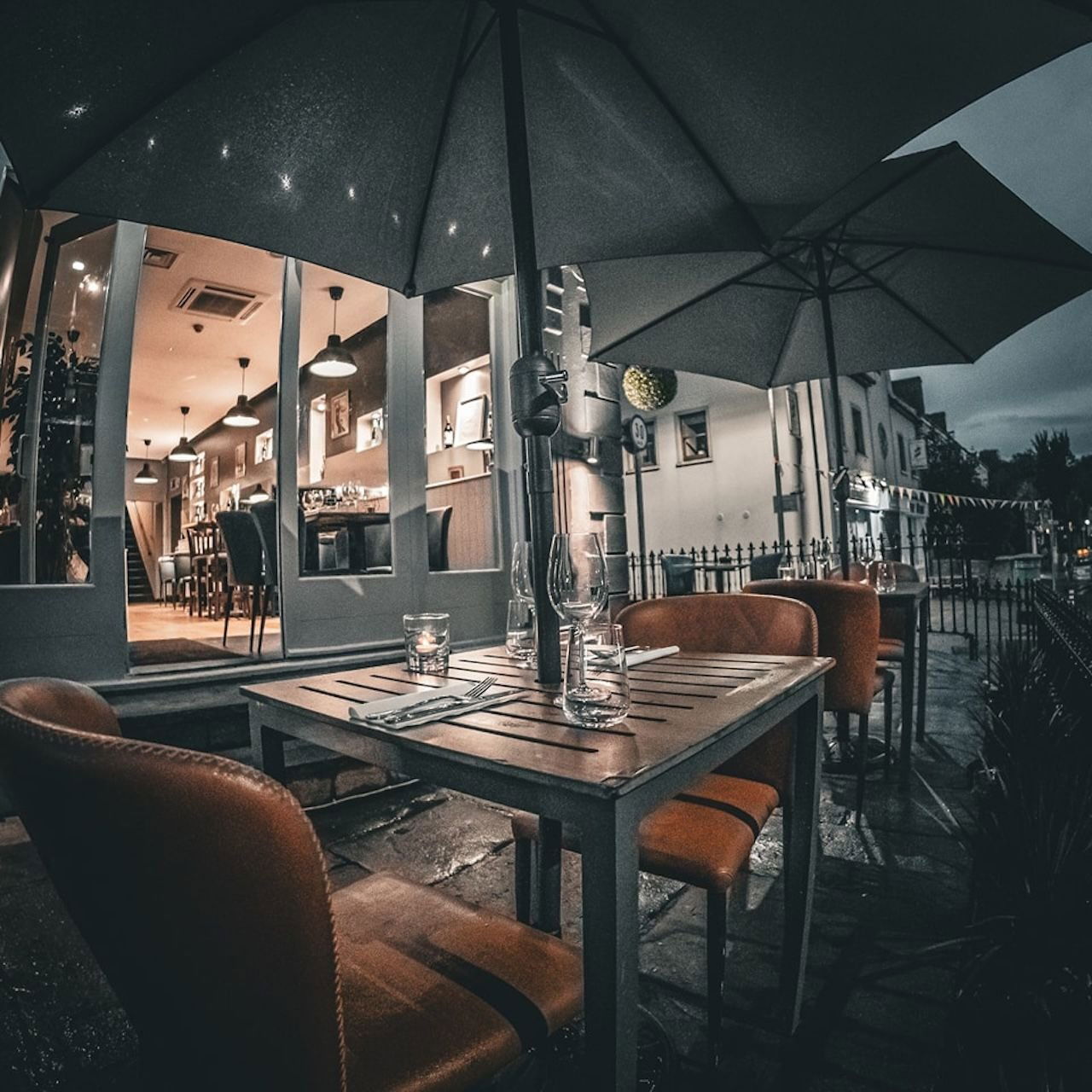
About Sabatini Winebar e Ristorante
On Lucan's Main Street, Sabatini Winebar e Ristorante brings Italian wine-bar sensibility to a suburban Dublin setting where that combination remains relatively rare. The format sits between a casual neighbourhood trattoria and a more considered wine-focused room, making it a practical option for residents looking beyond the usual pub-food circuit. It occupies a distinct niche on a strip that otherwise skews toward casual chains and family dining.
Where Lucan's Main Street Meets the Italian Wine-Bar Format
Lucan's dining scene has expanded steadily as the town's population has grown into one of the larger suburban centres west of Dublin city. Main Street, the commercial spine running through Lucan village, hosts a mix of casual eateries and neighbourhood restaurants that reflect a community eating out regularly rather than occasionally. Into that context, Sabatini Winebar e Ristorante introduces a format that is more specific than a general Italian restaurant: the winebar-restaurant hybrid, where the wine list and the food menu carry roughly equal weight and neither exists merely to support the other. In most Irish suburban towns, that pairing remains the exception. For the broader Lucan dining picture, see our full Lucan restaurants guide.
The Italian Wine-Bar Model and Why Sourcing Anchors It
The Italian winebar-restaurant format, at its most considered, is structured around provenance. Italian regional cooking draws its authority from the specificity of its ingredients: the variety of olive oil, the curing method of the charcuterie, the grain used in the pasta, the appellation of the wine poured alongside it. In Italy, the enoteca or vineria tradition holds that the wine and the food should share a geographic logic — that a Sicilian red and a plate of cured pork from the same island tell a coherent story that a generic restaurant menu cannot. When that model is transplanted to an Irish suburban setting, the sourcing question becomes more complicated and, for the same reason, more interesting. The kitchen must decide how faithfully to source Italian product, how much to incorporate Irish produce, and where the menu sits relative to its stated identity.
That tension between Italian authenticity and Irish context is something the country's more ambitious Italian-influenced venues have navigated in different ways. At the fine-dining end, places like Chapter One by Mickael Viljanen in Dublin and Liath in Blackrock show how European classical training can be anchored in Irish produce. At the other end of the scale, neighbourhood venues often resolve the tension by leaning into familiarity over rigour. The winebar format, at its most effective, splits that difference: it uses imported Italian product where provenance is non-negotiable (cured meats, specific cheeses, olive oils with DOP status) and sources locally where freshness and cost-efficiency align.
Neighbourhood Context: Lucan's Eating-Out Habits
Lucan sits roughly 12 kilometres west of Dublin city centre, accessible via the N4 and served by multiple bus routes, which places it firmly in the commuter-belt category where dinner out is as likely to be a weeknight habit as a weekend occasion. The restaurant stock in the area reflects that: casual formats with broad menus and family-friendly pricing tend to dominate. A winebar format, with its implication of slower, more wine-led eating, sits at a slightly more deliberate point on that spectrum. Venues like Elephant & Castle Lucan occupy the more casual, high-footfall end of the local market; Sabatini's positioning, at least in concept, points toward a different kind of evening.
For comparison, the broader Irish dining scene has seen wine-bar formats gain traction in urban centres over the past several years, partly driven by the success of natural wine programs and small-plate menus that suit drinking-led occasions. Outside Dublin, towns like Kinsale and Kilkenny have supported ambitious restaurant formats at venues such as Bastion in Kinsale and Campagne in Kilkenny, suggesting that suburban and smaller-town markets can sustain more considered formats when the local population density supports them. Lucan, with its scale, is plausibly in that category.
Ireland's Italian Restaurant Tradition and What Sets the Wine-Bar Format Apart
Italian restaurants have been a fixture of the Irish eating-out market for decades, typically gravitating toward the mid-market comfort zone of pizza, pasta, and tiramisu. The winebar variant is structurally different: it centres the beverage program as a primary draw and organises the food accordingly, with smaller plates, cured and preserved products, and dishes designed to work alongside a glass rather than compete with it. That approach aligns with broader European eating habits that Irish diners have increasingly adopted, particularly since the post-pandemic expansion of outdoor dining culture encouraged a more grazing, wine-focused style of eating out.
Across Ireland, the venues that have pushed ingredient sourcing most rigorously tend to be those with specific geographic or philosophical commitments. Aniar in Galway has built its entire program around Connacht produce and terroir. Chestnut in Ballydehob operates from a hyper-local West Cork framework. dede in Baltimore draws on Turkish and Irish coastal produce in combination. These are models where sourcing is the editorial premise, not an afterthought. A well-executed Italian winebar operates on a related logic: the geography of the ingredients carries the menu's meaning.
Planning Your Visit
Sabatini Winebar e Ristorante is located on Main Street, Lucan, Co. Dublin (K78 DD28), making it walkable from the village centre and reachable by bus from central Dublin via the regular N4 corridor services. Given the absence of published booking information, contacting the venue directly to confirm opening hours and reservation availability before visiting is the practical approach, particularly for weekend evenings when wine-bar formats in suburban settings tend to draw their strongest covers. For comparison points further afield in the Irish dining circuit, Homestead Cottage in Doolin, House in Ardmore, Lady Helen in Thomastown, The Morrison Room in Maynooth, The Oak Room in Adare, Terre in Castlemartyr, and LIGИUM in Bullaun represent the range of ambition currently operating across the country's regional dining circuit. At the international reference point, the sourcing rigour and produce-led format found at venues like Le Bernardin in New York City and Atomix in New York City illustrate what ingredient-led editorial commitment looks like at its most formal.
Frequently Asked Questions
- Can I bring kids to Sabatini Winebar e Ristorante?
- The winebar format in Lucan's mid-market suburban context generally skews toward adult dining, so while there is no published policy, a wine-led room on Main Street is likely better suited to adults than young children.
- What should I expect atmosphere-wise at Sabatini Winebar e Ristorante?
- The Italian winebar-restaurant format, as it operates across European cities, tends toward a more intimate, lower-key room than a full-service ristorante: expect a setting oriented around the wine list and slower-paced eating rather than high-volume table turns. In Lucan's suburban Dublin context, that positions Sabatini at a more deliberate register than most of the casual options on the same street, without the formal weight of the city's Michelin-tier dining.
- What do people recommend at Sabatini Winebar e Ristorante?
- With no verified menu data or published dish descriptions available, the format itself is the clearest guide: in a winebar-restaurant, the Italian charcuterie and cheese selections and the wine pairings are typically the strongest argument for visiting, rather than a single signature dish. Ask the staff directly for current recommendations when you arrive.
- Is Sabatini Winebar e Ristorante the only Italian wine-bar format operating in the Lucan area?
- The Italian winebar-restaurant combination, where the beverage program carries as much editorial weight as the food menu, is relatively uncommon in suburban Dublin towns. Within Lucan's current restaurant offer, which skews toward casual family dining and pub-format eating, Sabatini occupies a distinct niche by virtue of its format alone, though visitors with higher reference points should consult the wider Irish dining scene for credentialed comparisons.
Related editorial
- Best Fine Dining Restaurants in ParisFrom three-Michelin-star icons to the next generation of Parisian chefs pushing boundaries, these are the restaurants that define fine dining in the world's culinary capital.
- Best Luxury Hotels in RomeFrom rooftop terraces overlooking ancient ruins to Michelin-starred hotel dining, these are the luxury hotels that make Rome unforgettable.
- Best Cocktail Bars in KyotoFrom sleek lounges to hidden speakeasies, Kyoto's cocktail scene blends Japanese precision with global influence in ways you won't find anywhere else.
Save or rate Sabatini Winebar e Ristorante on Pearl
Keep this venue in your Pearl passport, rate it after you visit, and track it alongside every other place you collect.