
Restaurant in St Polten, Austria
Roter Hahn
100ptsResidential-Quarter Austrian Cooking
About Roter Hahn
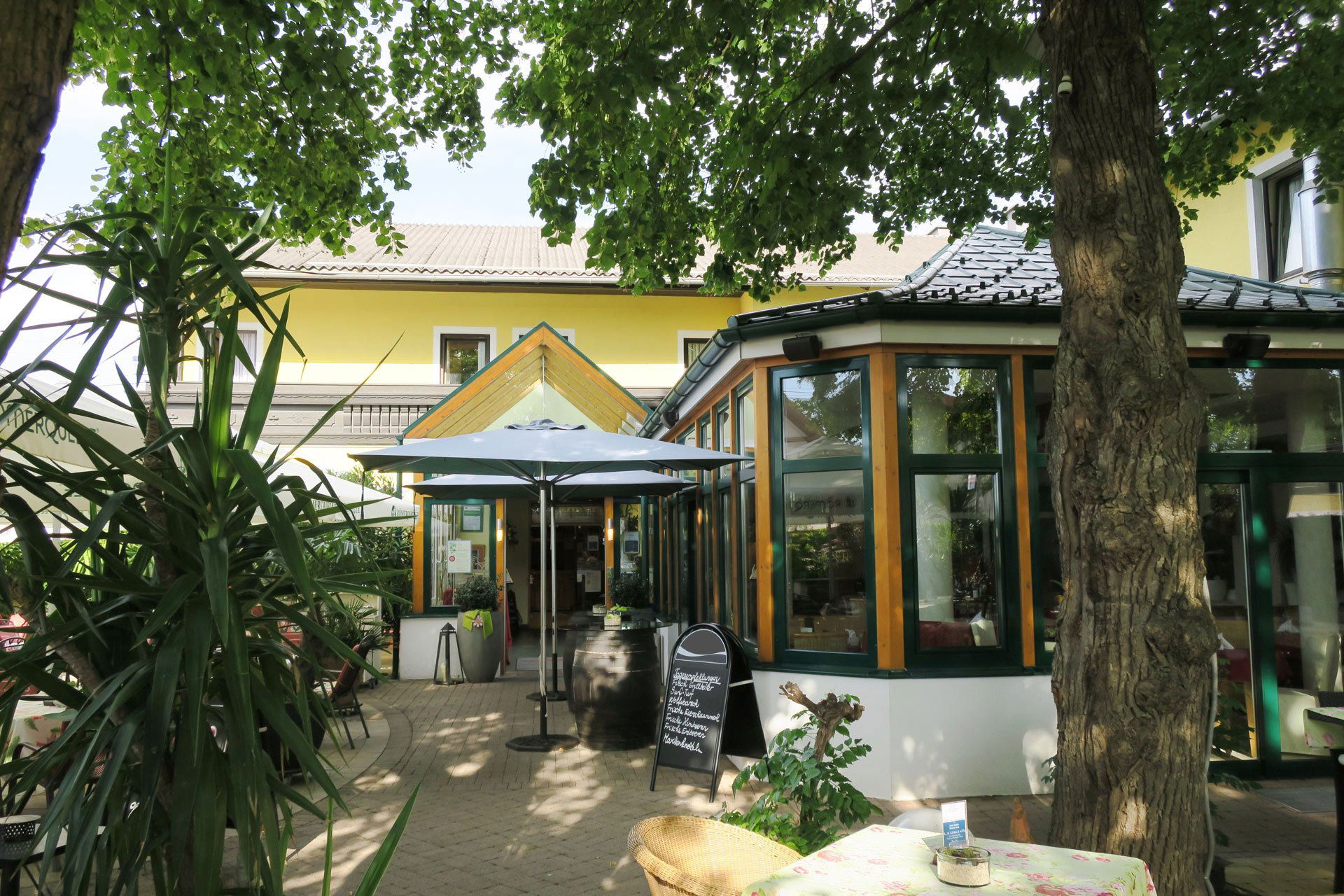
Roter Hahn sits on Teufelhofer Strasse in St. Pölten, Austria's often-overlooked state capital, operating within a regional dining tradition where Gasthäuser and neighbourhood restaurants form the backbone of daily eating life. With limited public data available, the venue draws interest from those tracking St. Pölten's emerging food scene alongside established addresses like AELIUM and La Dolce Vita.
St. Pölten and the Architecture of Austrian Neighbourhood Dining
Approach Teufelhofer Strasse on the western edge of St. Pölten and you enter a part of the city that functions at a different register from the pedestrianised centre. The streets here are quieter, the buildings more residential, and the restaurants that survive in this kind of setting tend to do so not on passing trade but on repeat custom. Roter Hahn sits at number 26, and the address alone signals something about the kind of operation it represents: a neighbourhood anchor rather than a destination designed for first-time visitors on a city break.
That distinction matters in the context of Austrian dining culture. The country's restaurant tradition runs on two parallel tracks. One is the high-visibility fine dining circuit, where addresses like Steirereck im Stadtpark in Vienna, Döllerer in Golling an der Salzach, and Ikarus in Salzburg compete for Michelin recognition and attract international visitors. The other track, far larger and arguably more representative of how Austrians actually eat, runs through the Gasthaus and the neighbourhood Wirtshaus: rooms built around regulars, seasonal menus shaped by proximity to suppliers, and a hospitality model where the relationship between kitchen and customer accumulates over years rather than single visits.
St. Pölten, as the capital of Lower Austria (Niederösterreich), occupies an interesting position within this structure. The city has long operated in the shadow of Vienna, 65 kilometres to the east by train, and its restaurant scene has historically reflected that status: competent, locally oriented, and largely invisible to national food media. But Lower Austria as a region holds serious culinary weight. Landhaus Bacher in Mautern an der Donau and Taubenkobel in Schützen am Gebirge represent the region at Michelin level, and their existence demonstrates that the agricultural richness of Lower Austria — its market gardens, its viticulture, its game and freshwater fish — can support cooking of serious ambition. The question for any restaurant operating within this region is how much of that supply-side depth it chooses to draw from.
The Name and What It Implies
The name Roter Hahn translates directly as Red Rooster, a designation common enough in German-speaking hospitality to function as a category signal. Across Austria and Germany, the red rooster motif appears on signs above Gasthäuser that have been operating for decades, often in family hands, often without much online presence. The choice of such a name in a residential St. Pölten street suggests a deliberate alignment with that tradition: the Wirtshaus model, where the room is as important as the plate and where the same faces appear at the same tables across seasons.
This matters because it positions Roter Hahn within a different competitive set than the city's more formally presented addresses. AELIUM and La Dolce Vita operate at a different register within St. Pölten's dining mix, serving distinct functions for the city's eating-out population. Roter Hahn, by address and by name, reads as the kind of place that fills a gap those venues leave open: the mid-week dinner, the extended Sunday lunch, the meal eaten without occasion or ceremony.
Austrian Regional Cooking and What It Demands of a Kitchen
The broader Austrian culinary tradition that venues like Roter Hahn operate within is more demanding to execute well than its unpretentious presentation might suggest. Classic Niederösterreichisch cooking draws on a larder that includes game from the Waldviertel highlands, carp and pike from the Danube corridor, Marchfeld asparagus, and a range of root vegetables and pulses that form the base of the region's cold-season cooking. Managing that larder well requires sourcing relationships, technical knowledge of preservation and preparation, and a kitchen willing to work with what the season actually provides rather than importing from a consolidated national supplier.
At the higher end of the Austrian spectrum, this discipline produces the results visible at addresses like Obauer in Werfen, Ois in Neufelden, and Kräuterreich by Vitus Winkler in Sankt Veit im Pongau. At neighbourhood level, the same principles apply in simpler form: a Schnitzel cut properly from the right veal, a Tafelspitz built on a stock that has been running since morning, a dessert that relies on correct technique rather than imported components. The gap between a neighbourhood restaurant that takes this seriously and one that does not is immediately legible to anyone who eats in the region regularly.
For visitors accustomed to the fine dining circuits of other European capitals, the comparison to something like Le Bernardin in New York City or Atomix in New York City may feel distant. But the neighbourhood Gasthaus tradition serves a function those venues cannot: it is the everyday infrastructure of a food culture, the institution that keeps regional cooking alive between generations. The tasting-menu format that defines internationally recognised Austrian restaurants like Gourmetrestaurant Tannenhof in Sankt Anton am Arlberg, Griggeler Stuba in Lech, Stüva in Ischgl, or Schwarzer Adler in Hall in Tirol depends, in part, on a regional cooking culture that persists at street level. Roter Hahn, in its residential St. Pölten setting, operates as part of that foundation, and Restaurant 141 by Joachim Jaud in Mieming reflects a similar dynamic in Tirol.
Planning a Visit
Roter Hahn is located at Teufelhofer Strasse 26, 3100 St. Pölten. Given the residential address and neighbourhood character of the venue, visiting during the local lunch or dinner service periods is advisable rather than arriving without prior contact. Current booking details, hours, and pricing are not available through public data at the time of writing; direct contact with the venue before visiting is the most reliable approach. For a broader map of eating in St. Pölten, the full St. Pölten restaurants guide covers the city's range from neighbourhood addresses to more formally presented options.
Frequently Asked Questions
- Is Roter Hahn a family-friendly restaurant?
- Given its residential St. Pölten address and neighbourhood Gasthaus character, Roter Hahn is likely suited to family dining, but current pricing and format details are not publicly confirmed, so contacting the venue directly before visiting with children is advisable.
- What is the atmosphere like at Roter Hahn?
- If the venue follows the Wirtshaus model that its name and address suggest, expect a room oriented around regulars rather than occasion dining: direct in presentation, warm in service register, and more comfortable than formal. St. Pölten's neighbourhood restaurant culture generally runs at this pitch, and without Michelin recognition or a high-profile chef attached to the address, the atmosphere is likely to reflect that local, repeat-customer context.
- What do people recommend at Roter Hahn?
- Specific dish recommendations are not available through verified public sources. Austrian neighbourhood restaurants of this type typically anchor their menus in regional classics, and the cooking tradition of Lower Austria, with its emphasis on game, freshwater fish, and seasonal vegetables, provides the most likely frame of reference for what the kitchen prioritises.
- How hard is it to get a table at Roter Hahn?
- Book ahead for weekend evenings in any St. Pölten neighbourhood restaurant with a local following, regardless of whether the address appears in national food media. Without current booking data, calling or messaging the venue directly is the only way to confirm availability.
- Is Roter Hahn connected to the Austrian tradition of regionally named Gasthäuser?
- The name Roter Hahn places it within a long-standing Germanic and Austrian hospitality convention where animal or heraldic names signal a Gasthaus or Wirtshaus operating at neighbourhood level, often with roots in family ownership. In Lower Austria, that tradition connects directly to regional cooking built around local supply chains, and addresses operating under such names tend to prioritise a regular clientele over destination-driven footfall. Whether Roter Hahn fits that model fully can only be confirmed on-site, but the address on Teufelhofer Strasse and the naming choice are consistent with it.
Related editorial
- Best Fine Dining Restaurants in ParisFrom three-Michelin-star icons to the next generation of Parisian chefs pushing boundaries, these are the restaurants that define fine dining in the world's culinary capital.
- Best Luxury Hotels in RomeFrom rooftop terraces overlooking ancient ruins to Michelin-starred hotel dining, these are the luxury hotels that make Rome unforgettable.
- Best Cocktail Bars in KyotoFrom sleek lounges to hidden speakeasies, Kyoto's cocktail scene blends Japanese precision with global influence in ways you won't find anywhere else.
Save or rate Roter Hahn on Pearl
Keep this venue in your Pearl passport, rate it after you visit, and track it alongside every other place you collect.