
Restaurant in Basanija, Croatia
Restoran Bruno
100ptsNorthwestern Istrian Terroir
About Restoran Bruno
Restoran Bruno sits on Ul. belveder in Bašanija, a small Istrian coastal settlement where the peninsula's agricultural and maritime supply chains converge. The kitchen draws on the same ingredient logic that defines serious Istrian cooking: proximity to producers, seasonal discipline, and a format that reflects the area rather than imitating urban fine dining. For visitors covering northwestern Istria, it warrants a dedicated stop.
Where Istrian Ingredients Do the Talking
Bašanija occupies the northwestern tip of the Istrian peninsula, a stretch of coastline where olive groves run close to the Adriatic and small agricultural holdings have supplied local kitchens for generations. This corner of Istria sits outside the main tourist corridor that connects Poreč to Rovinj, which means its restaurants operate against a different set of pressures than the more visited towns to the south. There is less incentive to perform for passing trade and more reason to cook for a local constituency that knows the source material well. Restoran Bruno, addressed at Ul. belveder 5, occupies that context directly.
The physical approach to Bašanija tells you something about what to expect on the plate. The road narrows as it descends toward the coast, passing terraced land and dry-stone walls that signal centuries of cultivation. The Adriatic appears in fragments before the village itself does. Arriving here, the frame of reference shifts from resort dining to something more vernacular, and that shift is consequential if you are eating with any attention to where food actually comes from.
The Ingredient Logic of Northwestern Istria
Istrian cuisine has attracted serious attention over the past two decades, partly because of its truffle supply from the Motovun forest interior, partly because of the olive oil produced along the western coast, and partly because the peninsula's short distances between sea and land allow kitchens to work with ingredients at a quality level that larger, more supply-chain-dependent restaurants cannot easily replicate. The Istrian olive oil sector, in particular, has accumulated a record of international competition results that places it among the more credible producing regions in the Mediterranean. Kitchens that source locally inherit that credential by proximity.
Northwestern Istria adds a further variable: the villages along this coastline have not been absorbed into the Poreč or Umag resort economy to the same degree as some neighboring areas, which preserves supplier relationships that urban-adjacent restaurants often lose when tourist volume increases and sourcing gets centralized. A restaurant in this setting has the option of working with fishermen from the same stretch of coast, producers whose landholdings are within sight of the dining room, and seasonal cycles that local regulars understand and track. Whether Restoran Bruno exercises all of those options fully is difficult to verify from outside the kitchen, but the geographic logic is in place.
For comparison, the Istrian restaurants that have drawn the most sustained critical attention, such as Agli Amici Rovinj in Rovinj, operate at a higher price point and with a more formalized structure, while still grounding their identity in regional ingredient sourcing. Bašanija's scale and position suggest a different register: less ceremony, more directness, and a menu shaped by what is available rather than what a tasting format requires.
Istria in Its Wider Croatian Dining Context
Croatia's restaurant scene has developed considerable range over the past decade. At the higher end, addresses like Pelegrini in Sibenik and Restaurant 360 in Dubrovnik have pursued Michelin recognition and international positioning. Nebo by Deni Srdoč in Rijeka and LD Restaurant in Korčula occupy similar territory, using Croatia's ingredient diversity as the foundation for technically ambitious cooking. Further inland, Dubravkin Put in Zagreb and Korak in Jastrebarsko represent the continental Croatian tradition, while Boskinac in Novalja on Pag works a comparable island-sourcing model to what Istrian coastal restaurants do.
What this broader context illustrates is that Croatia's most compelling dining experiences tend to be rooted in specific geography. The restaurants that have built reputations, whether in Dubrovnik, Split (see Krug in Split), or along the Istrian coast, share a commitment to ingredient provenance that reflects the country's genuine agricultural and maritime wealth. Bašanija, for all its small scale, sits on the same supply network that feeds those larger reputations.
For visitors specifically focused on ingredient-driven eating at a more accessible price and format level, Croatia also offers addresses like BioMania Bistro Bol in Bol and Bodulo in Pag, which similarly prioritize sourcing transparency over formal structure. Burin in Crikvenica and Cantilly Garden Restaurant in Samobor extend the same principle across different regional contexts. Internationally, the standard for ingredient-first cooking at the highest level is set by addresses like Le Bernardin in New York City and Atomix in New York City, where sourcing specificity and technique intersect with a level of investment that village restaurants cannot match but can still learn from in principle.
Dining in Bašanija: What the Setting Demands
Bašanija is a small settlement, and the seasonality of the Istrian coast means that restaurants here calibrate their operations to a visitor pattern that concentrates in summer and thins considerably from October onward. Visiting outside high season carries a real risk of finding the restaurant closed or operating reduced hours; confirming availability directly before making the trip is advisable. The drive from Umag takes under fifteen minutes, and Bašanija is reachable from Poreč in approximately forty-five minutes, making it a viable lunch stop rather than a destination that requires an overnight stay.
The address at Ul. belveder 5 is on a short residential street above the shoreline. Parking in Bašanija is informal and generally uncomplicated. For visitors covering northwestern Istria more broadly, pairing a meal here with a stop at Anna's Garden, also in Bašanija, allows a fuller read of what local cooking in this corner of the peninsula looks like across two different formats.
For a fuller picture of where Restoran Bruno sits within Bašanija's dining options, the EP Club Basanija restaurants guide maps the area's addresses against each other with comparative context.
Planning Your Visit
Given the limited publicly available information on hours, booking method, and current pricing, the practical advice is to treat Restoran Bruno as a walk-in or phone-ahead proposition during high season and to verify operating status before visiting at any other time of year. The village's scale means that turning up without a reservation is often feasible, but in July and August the same logic that makes small Istrian restaurants appealing, namely their size and locality, also makes them fill quickly on warm evenings when the terrace is in demand.
Frequently Asked Questions
- Is Restoran Bruno a family-friendly restaurant?
- Bašanija is a small residential village rather than a resort town, and its restaurants generally serve a local clientele that includes families; Restoran Bruno fits that profile, though without published pricing or seating data it is difficult to confirm specific amenities for children.
- What should I expect atmosphere-wise at Restoran Bruno?
- If you are arriving from a larger Istrian town, expect a marked shift in register: Bašanija has no resort infrastructure, so the atmosphere is shaped by the village itself rather than by hospitality design. In the absence of awards data or price confirmation, the experience likely sits closer to a well-run local konoba than to a formal dining room, which in northwestern Istria is often exactly the right format for the ingredient quality on offer.
- What should I order at Restoran Bruno?
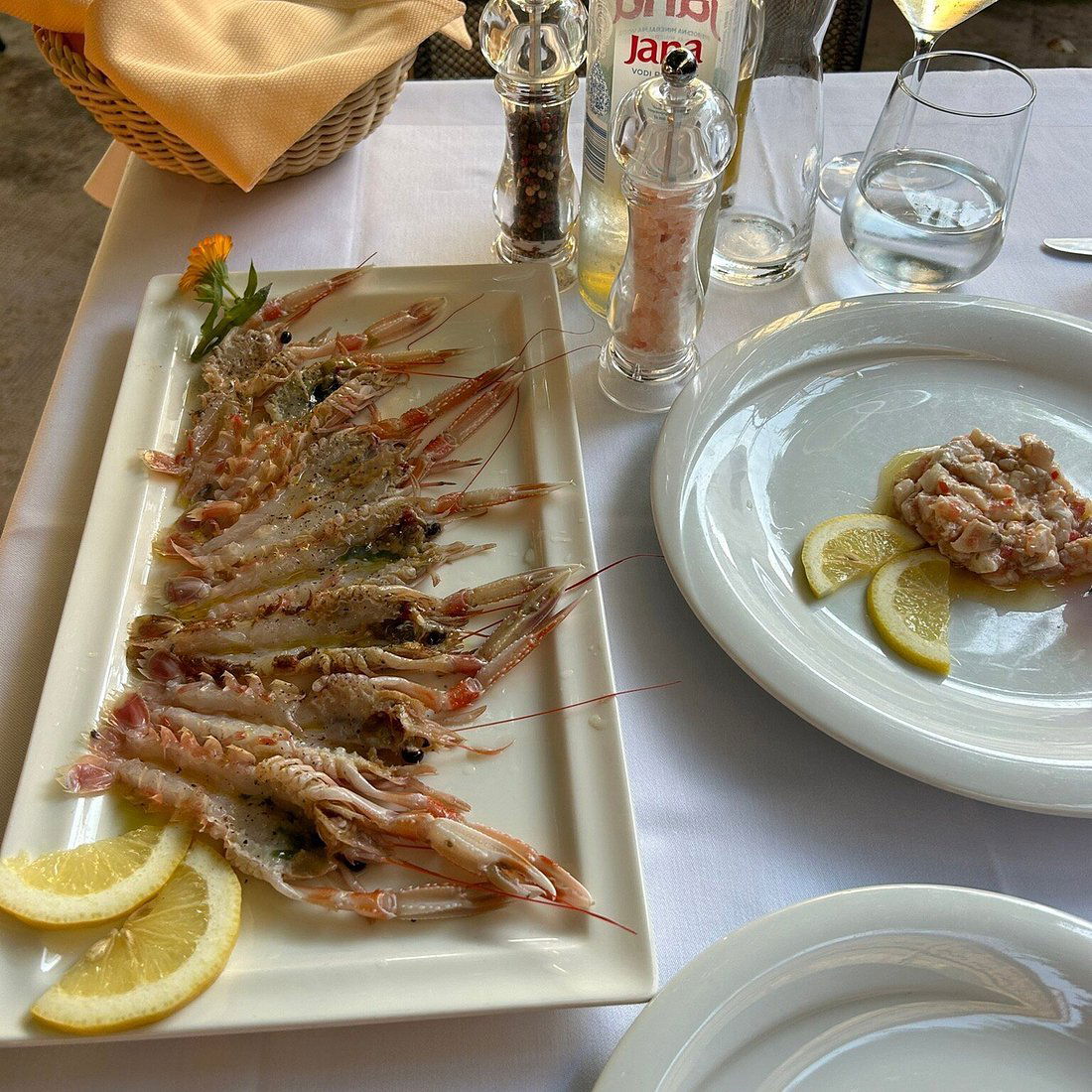
- Without a confirmed menu or documented signature dishes, the most grounded recommendation is to follow the seasonal availability that the kitchen signals on arrival. Istrian coastal kitchens in this location typically have access to Adriatic fish, local olive oil, and seasonal vegetables from nearby holdings; dishes built around those inputs, rather than imported proteins or year-round staples, are where the geographic advantage is most apparent.
- How does Restoran Bruno compare to other small Istrian coastal restaurants in terms of what it offers?
- Northwestern Istria has a cluster of village-scale restaurants that operate outside the formal recognition circuits tracked by guides like Michelin, which covers Croatia's higher-end addresses such as those in Dubrovnik and Split. Restoran Bruno's position in Bašanija places it in that informal tier, where the competitive set is defined by sourcing proximity and local reputation rather than tasting menus or award counts. For visitors who have already covered the headline Istrian addresses, a restaurant in this category offers a different and often more direct read of what the peninsula actually produces.
Related editorial
- Best Fine Dining Restaurants in ParisFrom three-Michelin-star icons to the next generation of Parisian chefs pushing boundaries, these are the restaurants that define fine dining in the world's culinary capital.
- Best Luxury Hotels in RomeFrom rooftop terraces overlooking ancient ruins to Michelin-starred hotel dining, these are the luxury hotels that make Rome unforgettable.
- Best Cocktail Bars in KyotoFrom sleek lounges to hidden speakeasies, Kyoto's cocktail scene blends Japanese precision with global influence in ways you won't find anywhere else.
Save or rate Restoran Bruno on Pearl
Keep this venue in your Pearl passport, rate it after you visit, and track it alongside every other place you collect.