
Restaurant in تونس, Tunisia
Restaurant Sultan Ahmet
100ptsOttoman-Referenced Neighbourhood Table
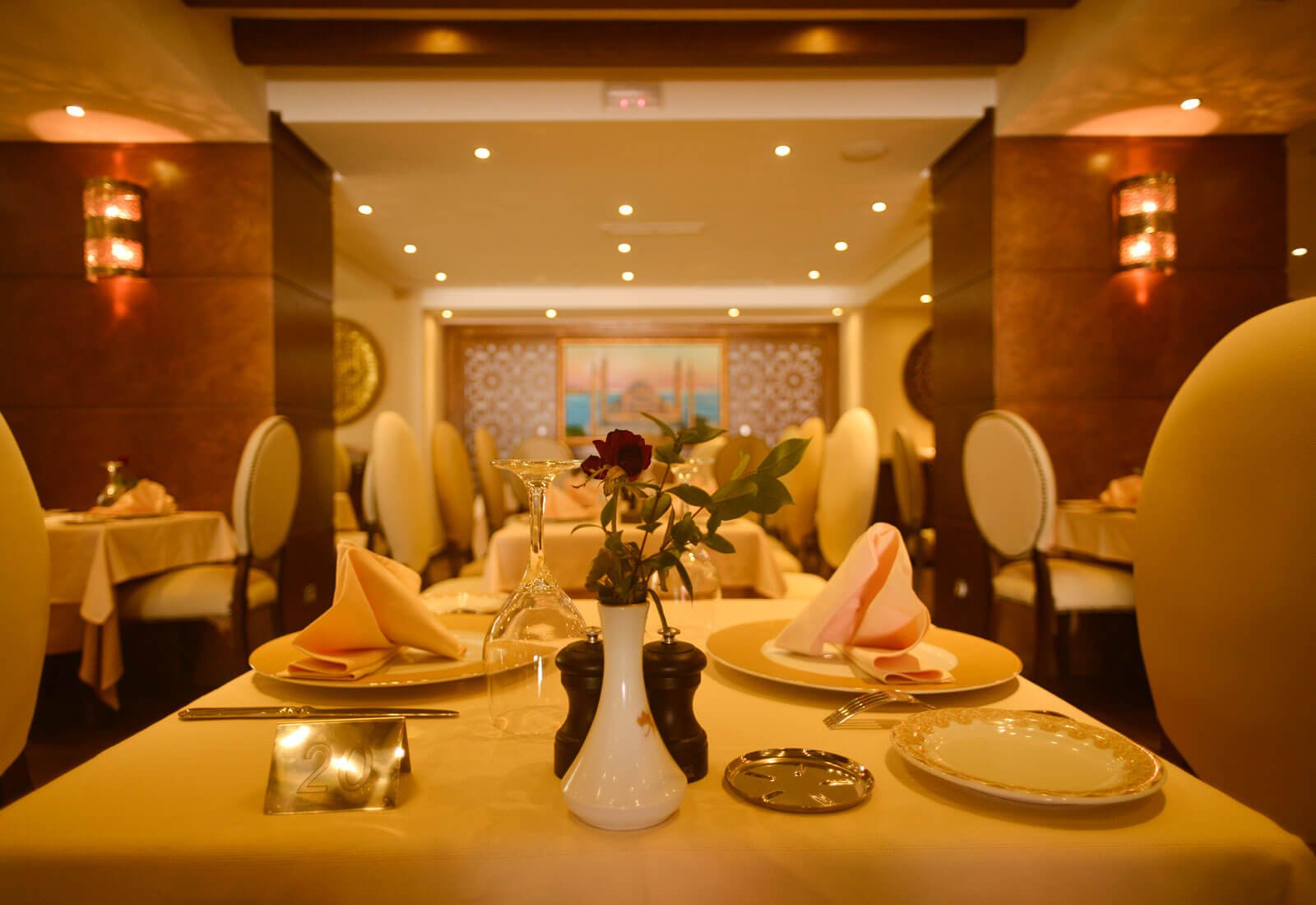
About Restaurant Sultan Ahmet
Restaurant Sultan Ahmet occupies a residential address in Manar II, one of Tunis's quieter northern districts, placing it at a remove from the medina's more trafficked dining corridor. The name signals Ottoman culinary reference points, a thread that runs through Tunisian cooking in ways that mainstream restaurant culture rarely makes explicit. For those tracking where the city's neighbourhood dining is heading, it merits attention.
Manar II and the Geography of Tunis Neighbourhood Dining
Tunis's restaurant geography has long been anchored to two poles: the medina's historic houses converted into formal dining rooms, and the coastal strip running through La Marsa and Carthage. The middle ground, the residential northern districts where locals actually eat on ordinary evenings, gets less coverage. Manar II sits in that middle ground, a planned neighbourhood of apartment blocks and small commercial streets that functions as a working residential district rather than a dining destination. Restaurant Sultan Ahmet's address on Impasse Azzouz Rebaï places it inside that fabric, which tells you something before you've looked at a menu: this is a neighbourhood address serving a neighbourhood clientele, not a venue positioning itself for tourists or for the expense-account circuit.
That geographic context matters when thinking about ingredient sourcing and what it implies about the kitchen's priorities. Neighbourhood restaurants in Tunis's northern districts tend to work with local market supply rather than imported premium product, partly by necessity and partly because the clientele expects it. The question worth asking of any such venue is whether that local supply chain is a constraint being managed or a genuine editorial choice being made.
The Ottoman Thread in Tunisian Cooking
The name Sultan Ahmet points toward a specific historical reference: Sultan Ahmed I, the Ottoman ruler associated with Istanbul's Blue Mosque. Ottoman culinary influence in Tunisia is a documented historical layer, the result of three centuries of Regency rule that left marks on spice use, pastry technique, and the grammar of slow-cooked meat dishes. In the medina's more formally positioned restaurants, that Ottoman thread is often foregrounded as heritage; at [Dar El Jeld in Tunis](https://www.enprimeurclub.com/restaurants/dar-el-jeld-tunis-restaurant), for instance, the architectural setting and menu vocabulary both invoke that lineage explicitly. A neighbourhood restaurant carrying an Ottoman name is making a different kind of claim, one rooted in culinary identity rather than heritage tourism.
What the Ottoman reference implies for sourcing is a kitchen that takes seriously the slow-protein traditions: braised lamb, offal preparations, dishes where cheap cuts cooked long outperform expensive cuts cooked fast. These are ingredient-led menus in the most literal sense, where the sourcing of the animal and the skill of the butcher matter more than the theatre of the plate.
What the Manar II Location Signals About the Room
Residential addresses in Manar II don't come with the architectural theatre of the medina's dar houses or the sea-view premium of La Marsa. [Le Golfe in La Marsa](https://www.enprimeurclub.com/restaurants/le-golfe-la-marsa-restaurant) operates in a setting where the physical environment does significant work for the dining experience. Sultan Ahmet's setting works differently: the room is the conversation, the food, the regulars at adjacent tables. This is the format that sustains neighbourhood restaurants across North African cities, where the social function of eating out is less about spectacle and more about the reliable reproduction of a particular standard on a Tuesday evening.
For visitors accustomed to tracking restaurants through award systems or formal review publications, this category can be difficult to assess from the outside. There are no Michelin designations in Tunisia's current framework, no 50 Best entry points, no formal EP Club rating on file for this venue. The trust signals here are contextual: the longevity of the address, the specificity of the culinary reference in the name, and the fact that Manar II's restaurant economy is driven by repeat local custom rather than one-off tourist spending. Restaurants that don't serve a tourist circuit have to be good enough to bring the same people back.
Tunis's Broader Dining Range and Where to Go Next
Understanding Sultan Ahmet's position is easier when you can map it against the full range of what Tunis offers. At the more internationally visible end, venues like [Walima in Tunis Carthage Cedex](https://www.enprimeurclub.com/restaurants/walima-tunis-carthage-cedex-restaurant) operate in a register closer to formal destination dining. The medina's heritage houses, including [Dar El Jeld](https://www.enprimeurclub.com/restaurants/dar-el-jeld-tunis-restaurant), anchor the city's high-end traditional offer. Further out, suburban addresses like [Chef Zhang in El Menzah](https://www.enprimeurclub.com/restaurants/chef-zhang-el-menzah-restaurant) show how non-Tunisian cuisines have established themselves in the residential northern arc. And for pan-Mediterranean comparison, [L'antica Pizzeria DaPietro in Ariana](https://www.enprimeurclub.com/restaurants/lantica-pizzeria-dapietro-unknown-city-restaurant) and [Le Resto du Peuple in Sousse](https://www.enprimeurclub.com/restaurants/le-resto-du-peuple-unknown-city-restaurant) illustrate how coastal Tunisia's dining range spans well beyond the capital. Our [full Tunis restaurants guide](https://www.enprimeurclub.com/cities/82892dedf0d6) maps the complete picture across price points and neighbourhoods.
For those who want a reference point beyond the region: the commitment to local supply chains and traditional protein-forward cooking that defines the leading neighbourhood restaurants in North Africa has parallels in what drives serious sourcing conversations at places like [Aponiente in El Puerto de Santa María](https://www.enprimeurclub.com/restaurants/aponiente-el-puerto-de-santa-mara-restaurant) or the ingredient discipline at [Aqua in Wolfsburg](https://www.enprimeurclub.com/restaurants/aqua-wolfsburg-restaurant). The scale and formality are entirely different, but the underlying question of where the food comes from and why that matters is the same.
Planning a Visit
Restaurant Sultan Ahmet is located at 05, Impasse Azzouz Rebaï in Manar II, a residential district in the northern part of Tunis. The address is most easily reached by car or taxi from central Tunis; the impasse designation means it sits on a small dead-end lane rather than a main arterial road, so allow extra navigation time if you're unfamiliar with the area. No website or phone number is currently on record through our database, which means advance booking confirmation should be sought through local channels or in person. Hours, pricing, and current menu details are not available through our system and should be verified directly. Given the neighbourhood format, arriving without a reservation during busy meal service periods carries some risk.
Frequently Asked Questions
- Is Restaurant Sultan Ahmet child-friendly?
- In Tunis's neighbourhood restaurant tier, family dining is the norm rather than the exception, and Manar II's residential character suggests a room accustomed to all-ages tables. That said, without confirmed seating capacity or price data on record, it's worth verifying current setup directly before arriving with young children.
- What's the overall feel of Restaurant Sultan Ahmet?
- If you're coming from a context where award designations and formal dining formats set expectations, adjust those expectations here. Tunisia has no active Michelin framework, and this is a neighbourhood address in a residential district rather than a destination venue. If what you're after is a room that runs on local repeat custom, Ottoman-inflected Tunisian cooking, and no particular interest in performing for outsiders, this address fits that profile. If you need the architectural theatre of a medina dar house or a coastal sea view, look elsewhere.
- What should I eat at Restaurant Sultan Ahmet?
- Go toward whatever slow-cooked meat or offal preparation is on the day's menu. The Ottoman culinary reference in the name points to a kitchen tradition that prizes long-cooked protein over quick-fire plating, and in neighbourhood restaurants of this type across Tunis, the dishes worth ordering are the ones that require the most time and the least glamour to produce. Specific current menu items are not available through our database and should be asked about on arrival.
- Does the Ottoman-themed name reflect the actual cooking style at Restaurant Sultan Ahmet?
- Ottoman culinary influence in Tunisia is a documented historical layer rather than a decorative choice, and a restaurant name that references that heritage is making a claim about its cooking vocabulary. In Tunis's neighbourhood dining tier, this typically means an emphasis on spice-forward braised dishes, slow-cooked lamb and offal preparations, and pastry traditions that trace back to the Regency period. Whether Sultan Ahmet's current menu follows that lineage consistently is something the kitchen itself would need to confirm, but the name is a reasonable signal of culinary intent rather than mere branding.
Related editorial
- Best Fine Dining Restaurants in ParisFrom three-Michelin-star icons to the next generation of Parisian chefs pushing boundaries, these are the restaurants that define fine dining in the world's culinary capital.
- Best Luxury Hotels in RomeFrom rooftop terraces overlooking ancient ruins to Michelin-starred hotel dining, these are the luxury hotels that make Rome unforgettable.
- Best Cocktail Bars in KyotoFrom sleek lounges to hidden speakeasies, Kyoto's cocktail scene blends Japanese precision with global influence in ways you won't find anywhere else.
Save or rate Restaurant Sultan Ahmet on Pearl
Keep this venue in your Pearl passport, rate it after you visit, and track it alongside every other place you collect.