
Restaurant in Bastia, France
Radiche
100ptsCorsican Ingredient Advocacy

About Radiche
Place de l’Hôtel de Ville, Bastia The square in front of Bastia’s town hall operates at a different rhythm from the tourist circuits around the old port. Local traders, civil servants, and residents on unhurried errands move through it at street...
Place de l’Hôtel de Ville, Bastia
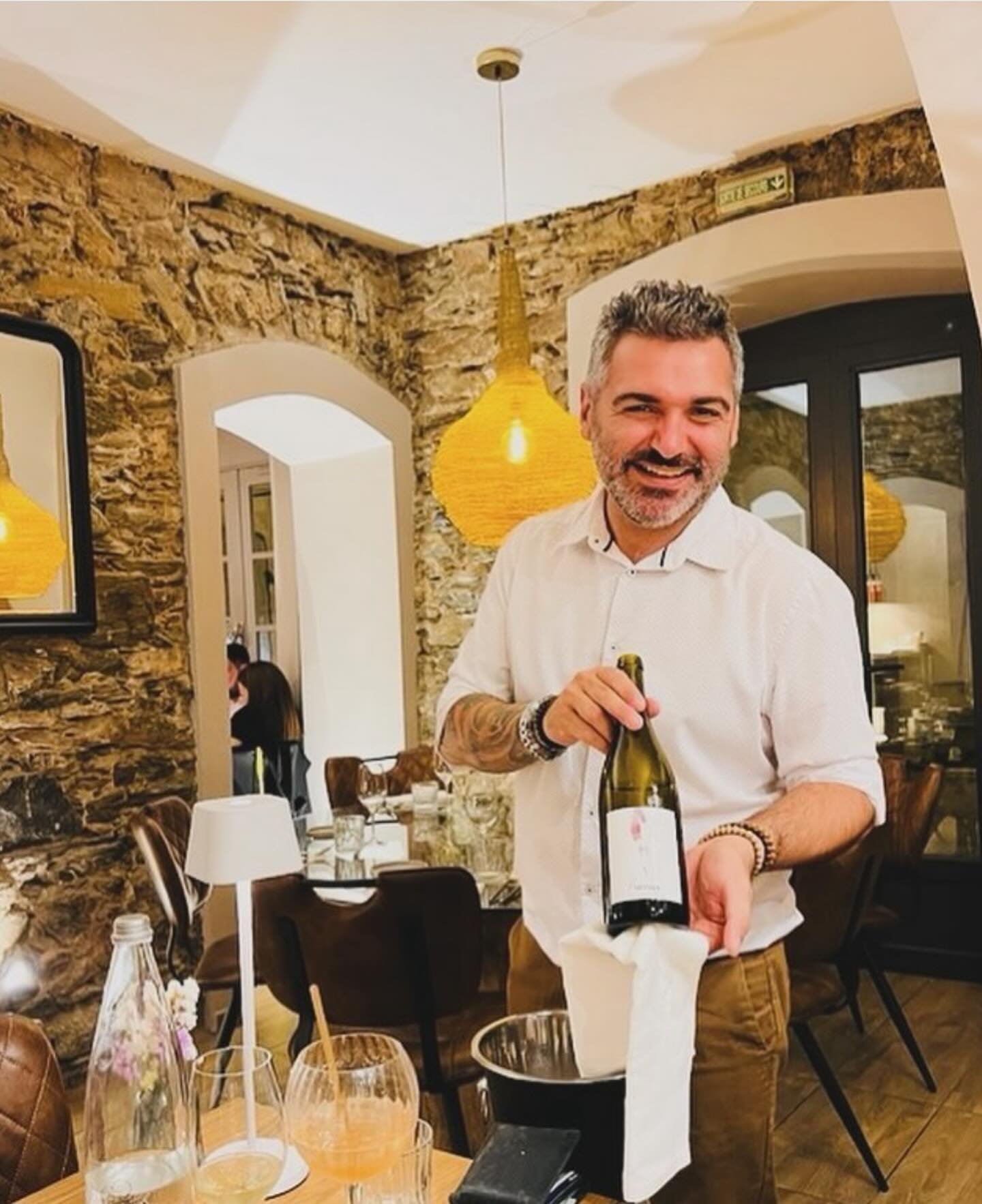
The square in front of Bastia’s town hall operates at a different rhythm from the tourist circuits around the old port. Local traders, civil servants, and residents on unhurried errands move through it at street pace, and the buildings that frame it carry the kind of scuffed civic dignity that no renovation budget has yet smoothed away. It is in this setting that Radiche occupies its spot: an address that reads as part of the neighbourhood rather than an interruption of it, with a room whose decor the restaurant’s own Michelin citation describes as possessing “unpolished charm.” That phrase is precise. There is nothing here that signals a calculated aesthetic programme; the space fits the square, and the square fits the city.
The Corsican Ingredient Argument
The name Radiche translates from Corsican as “roots,” and that word functions as an editorial position as much as a name. A generation of cooks trained on the mainland and returned home has been reshaping what Corsican restaurant cooking looks like, and Radiche sits within that pattern. The logic is direct: Corsica’s larder is genuinely differentiated. Prisuttu, the island’s dry-cured charcuterie, is produced under protected designation rules and carries a flavour profile shaped by chestnut-fed free-range pigs. Bottarga, in this context, arrives from the island’s own fishing tradition rather than imported from Sardinia or elsewhere. These are not interchangeable commodities, and a kitchen that treats them as foundational rather than decorative is making a specific claim about what Corsican cooking should be.
Michelin note points directly to this: Corsican ingredients prepared “with panache,” dishes described as “forthright and generous” with “flashes of creative flair.” Those adjectives tell you something about proportion and intent. The cooking does not dress local produce in mainland technique as an exercise in elevation; it applies craft in the service of the ingredient’s own argument. For a city like Bastia, which sits closer in character to a working Corsican port than to a resort town, that alignment between kitchen and place matters.
What the Dishes Signal
Michelin’s citation names two dishes that illustrate the kitchen’s method. The bluefin tuna crudo in an iced prisuttu broth seasoned with bottarga places three Corsican or locally adjacent products in the same bowl and asks them to do distinct work: the tuna supplies texture and clean oceanic flavour, the prisuttu broth adds cured depth and a saline cold note, the bottarga layers concentrated umami across both. The construction is technically considered, and it draws from a school of French bistro cooking that has absorbed Japanese crudo thinking without advertising the debt.
The second dish moves to dessert: floating islands topped with fermented milk cream and a tarragon sorbet. The classic floating island is a schoolroom test of French pastry fundamentals; the version here shifts the dairy towards fermented acidity and introduces the anise-adjacent sharpness of tarragon as a sorbet. This is where the “creative flair” the Michelin entry mentions becomes legible. The dish is not simply traditional, nor is it French fine-dining technique dropped onto a Corsican address; it sits between those positions, which is a harder balance to hold than either extreme.
It is worth comparing the register here with what Michelin-recognised French kitchens look like at the higher end of the national spectrum. Restaurants such as Mirazur in Menton, Flocons de Sel in Megève, or Alléno Paris au Pavillon Ledoyen in Paris operate within a framework of haute cuisine that is resource-intensive and format-driven. Radiche is not competing in that tier and does not need to. Its peer set is the generation of informed regional bistros across France where the competitive measure is ingredient honesty and culinary point of view, not tasting menu architecture. On that measure, the Michelin recognition it carries is a meaningful signal. For regional comparison, AM par Alexandre Mazzia in Marseille operates as a southern French reference for what a chef’s return to a Mediterranean regional identity can produce at high intensity; Radiche operates in a quieter register but with a cognate logic.
Bastia’s Dining Position
Bastia is routinely overlooked in favour of Ajaccio or the resort towns of the Balagne when visitors plan Corsican itineraries. That imbalance benefits the city’s restaurant scene in one specific way: the better addresses here are calibrated to a local and returning clientele rather than to seasonal tourist traffic, which tends to produce more consistent cooking and less menu drift. The square where Radiche sits is a case in point; nothing about the address suggests a seasonal trade, and the kitchen’s commitment to Corsican ingredients points to a supply chain built around the island’s producers rather than imported convenience.
For visitors building a broader picture of eating and drinking in the city, ADN represents another reference point in Bastia’s current restaurant moment. Our full Bastia restaurants guide covers the city’s dining options across price points and styles, and for those planning the full trip, our Bastia hotels guide, bars guide, wineries guide, and experiences guide provide context across the city’s hospitality categories.
For those comparing Radiche to other France-based references in the Michelin system, the tradition of French regional cooking earning recognition outside the capital is long and well-documented, from Auberge de l’Ill in Illhaeusern and Au Crocodile in Strasbourg in Alsace to Bras in Laguiole and Troisgros in Ouches. The shared argument across all of them, regardless of price tier, is that French regional identity can sustain culinary seriousness on its own terms. Radiche is making that argument at a bistro scale, on an island whose cuisine has received far less institutional recognition than regions like Alsace or the Auvergne.
Planning a Visit
Radiche is at 4 place de l’Hôtel-de-Ville in central Bastia, a short walk from the train station and accessible on foot from most of the city’s central accommodation. Current hours and booking availability are leading confirmed directly through the restaurant; given the Michelin recognition and the small scale that a bistro on a town-hall square typically implies, advance reservations are advisable, particularly in summer when the island’s visitor numbers peak. Bastia’s airport connects to multiple French mainland cities and some European hubs, making the city a practical entry point for a Corsican trip rather than a logistical afterthought.
Frequently Asked Questions
- What dish is Radiche famous for?
- The Michelin guide identifies two dishes as representative of the kitchen’s approach: a bluefin tuna crudo in an iced prisuttu broth finished with bottarga, and a dessert of floating islands with fermented milk cream and tarragon sorbet. Both draw directly on Corsican or locally grounded ingredients, and both reflect the kitchen’s stated method of applying French technique to island produce without letting the technique overshadow the source material.
- Is Radiche better for a quiet night or a lively one?
- The positioning helps answer this. A bistro on Bastia’s town-hall square, Michelin-cited for its “unpolished charm” and forthright cooking, is not a high-decibel destination. The room and the square suggest a pace that suits a measured dinner rather than a late, festive evening. If a livelier setting is the priority, Bastia’s bar scene, covered in our Bastia bars guide, offers a different register.
- Can I bring kids to Radiche?
- No specific family policy is published, so confirming with the restaurant directly before booking is sensible. In general terms, a bistro operating at this price positioning in a French city, with a menu anchored in local produce and classical technique, is likely to run a more relaxed service format than a formal tasting-menu restaurant, which would make it more accommodating for families than the higher-end options in our Bastia restaurants guide. Whether the specific menu suits younger palates depends on the current offering, which changes; the kitchen’s noted generosity in portioning is a reasonable indicator that the environment is not austere.
Recognized By

Similar venues by awards
Related editorial
- Best Fine Dining Restaurants in ParisFrom three-Michelin-star icons to the next generation of Parisian chefs pushing boundaries, these are the restaurants that define fine dining in the world's culinary capital.
- Best Luxury Hotels in RomeFrom rooftop terraces overlooking ancient ruins to Michelin-starred hotel dining, these are the luxury hotels that make Rome unforgettable.
- Best Cocktail Bars in KyotoFrom sleek lounges to hidden speakeasies, Kyoto's cocktail scene blends Japanese precision with global influence in ways you won't find anywhere else.
Save or rate Radiche on Pearl
Keep this venue in your Pearl passport, rate it after you visit, and track it alongside every other place you collect.