
Restaurant in Staraya Derevnya, Russia
Primorskiy Prospekt, 72
100ptsGulf Shore Outer-District Dining
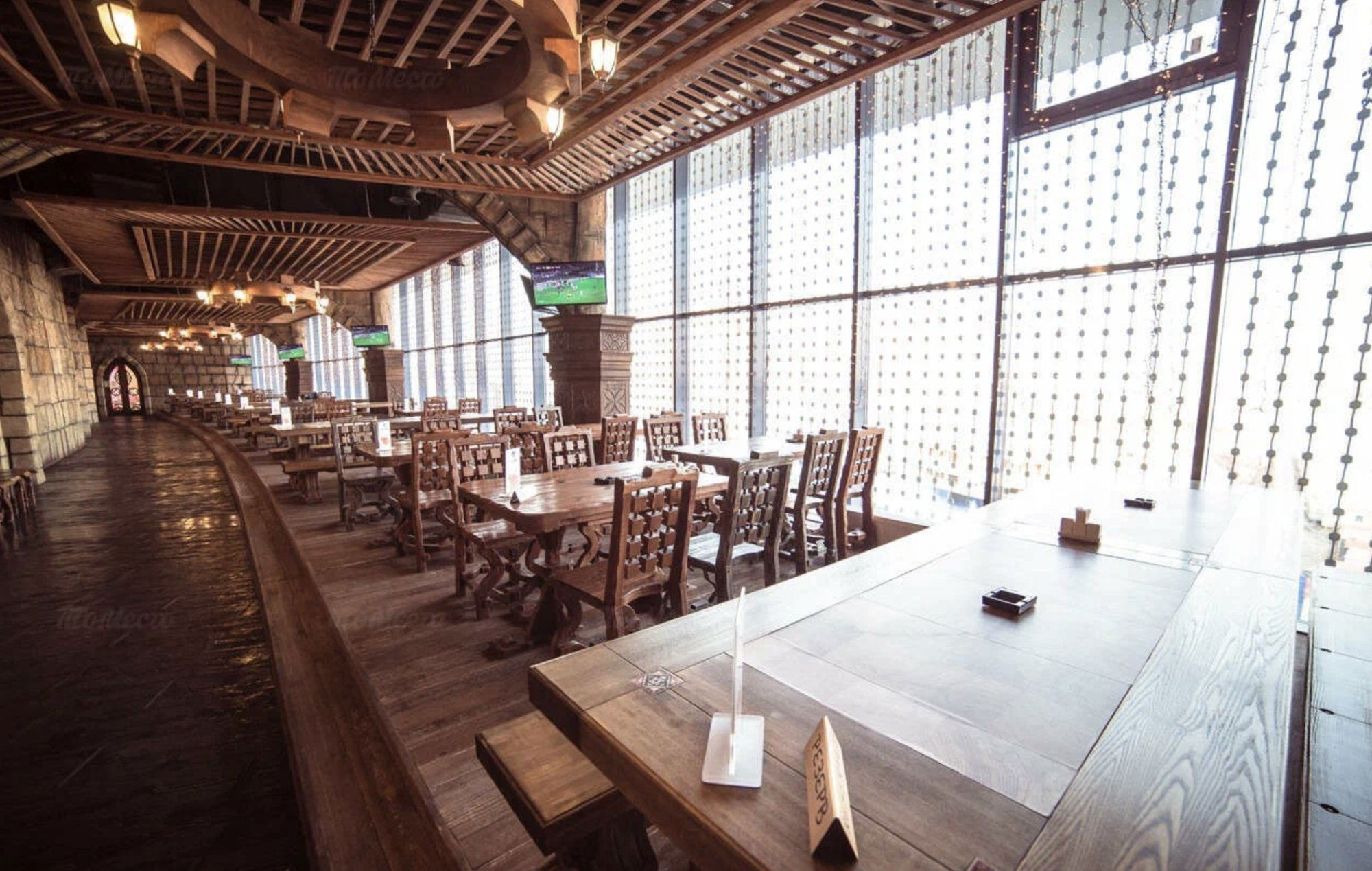
About Primorskiy Prospekt, 72
Primorskiy Prospekt, 72 sits on Saint Petersburg's northwestern Gulf of Finland shore in the Staraya Derevnya district, where the city's appetite for ingredient-driven dining meets the quieter rhythms of a neighbourhood removed from the historic centre. With sparse public information available, this address warrants direct verification before visiting — but its position within one of the city's most food-curious outer districts makes it worth tracking.
Where the Gulf Shore Meets Saint Petersburg's Outer Dining Belt
Primorskiy Prospekt runs along Saint Petersburg's northern waterfront like a long exhale after the compressed grandeur of the city centre. By the time the address reaches number 72, the Neva delta has given way to the wider Gulf of Finland shore, and the neighbourhood of Staraya Derevnya settles into a residential register that most visitors never reach. That remoteness is, in part, the point. Dining culture along this stretch operates differently from the tourist-dense corridors around Nevsky Prospekt or the design-conscious rooms that have made Saint Petersburg's inner districts a reference point for modern Russian cuisine.
The broader Primorskiy district has developed steadily as a dining destination for Saint Petersburg residents who value proximity to the water and distance from the city's more theatrical food scene. Restaurants here tend to serve a local clientele first, which shapes everything from sourcing priorities to service tempo. For context on how Saint Petersburg's dining scene divides across its various districts, our full Staraya Derevnya restaurants guide maps the neighbourhood's character in more detail.
The Sourcing Logic of Russia's Northwestern Coast
Saint Petersburg's position at the eastern end of the Baltic gives it access to a particular set of ingredients that restaurants in Moscow or further inland cannot replicate as readily. The Gulf of Finland produces Baltic herring, smelt, and various freshwater species from the Neva and Ladoga systems. The forests of Karelia and Leningrad Oblast supply mushrooms, game, and berries through seasonal harvests that have structured Russian northern cooking for centuries. Any serious kitchen operating along the Primorskiy shore sits within reach of those supply chains, and the city's most committed restaurants have built menus around the logic of what arrives fresh from that geography.
This sourcing tradition places Saint Petersburg restaurants in a distinct position relative to their Moscow peers. Where [Twins Garden in Moscow](https://www.enprimeurclub.com/restaurants/twins-garden-moscow-restaurant) operates with the supply diversity that a continental capital can assemble, kitchens closer to the Gulf work within a narrower but sharper seasonal frame. The smelt run in spring, the mushroom season peaks in September, and the white nights of June and July shift both supply and appetite in ways that define the city's dining calendar more concretely than any single ingredient.
Within Saint Petersburg itself, the sourcing conversation has matured significantly over the past decade. Restaurants like COCOCO Bistro in Saint Petersburg City and Birch in St. Petersburg have built their identities explicitly around Russian regional ingredients, creating a reference framework that other kitchens in the city now measure themselves against. The question for any address in the outer districts is how it relates to that framework — whether it participates in the sourcing conversation actively or operates on a more pragmatic local-supply model.
Staraya Derevnya in Context
Staraya Derevnya, which translates loosely as Old Village, sits at the northwestern edge of the city proper, bordered by the Krestovsky Island recreational belt to the south and the Sestroretsk road corridor to the north. It is not a neighbourhood that appears in most Saint Petersburg dining itineraries, which means the restaurants that do operate here serve a concentrated local market rather than rotating tourist traffic. That dynamic tends to produce kitchens with consistent regulars and less pressure to perform for first-time visitors, which can translate into more grounded, less theatrical cooking.
The contrast with more celebrated Saint Petersburg addresses is worth holding in mind. Bourgeois Bohemians in Sankt-Peterburg and Astoria Cafe in Saint Petersburg both operate in the city's inner districts where international recognition and design investment signal a different kind of ambition. The outer districts operate on a different register, where neighbourhood loyalty and consistent daily cooking matter more than press cycles. That is neither better nor worse as a model — it reflects a different set of priorities.
For comparison, Russian regional cooking in other cities , from Alanskaya Kukhnya in Krasnodar to SEASONS in Kaliningrad , shows how strongly geography shapes the cooking conversation even within a single country. Kaliningrad's Baltic-facing kitchens share a water-sourcing logic with Saint Petersburg's north shore, while Krasnodar's steppe larder produces a categorically different set of reference flavours. Primorskiy Prospekt 72's position on the Gulf shore places it within the Baltic-influenced tradition, whatever form its kitchen currently takes.
What Remains Unknown
The honest position here is that the public record for this specific address is sparse. No confirmed cuisine type, chef, price range, hours, or awards data is available through verified channels. Before visiting, direct confirmation with the venue is the appropriate step. This is not unusual for smaller neighbourhood addresses in outer Saint Petersburg districts, where digital presence often lags behind actual operation by a significant margin.
What can be said with confidence is that the address places any operation within a neighbourhood where the waterfront proximity and local residential character set a distinct context. Whether the kitchen leans toward modern Russian, traditional northern cooking, or a more European register, the geography of Primorskiy Prospekt creates specific sourcing opportunities that the city's inner-district kitchens cannot replicate by virtue of location alone.
Readers planning a broader Saint Petersburg itinerary will find useful comparison points in how the city's confirmed dining addresses divide between the historic centre's more theatrical rooms and the outer districts' quieter, locally-oriented kitchens. The range extends from the classical Russian formality of Cafe Pushkin to the more ingredient-forward approaches seen at La Colline in Bolshoye Sareyevo and Leo Wine & Kitchen in Rostov. Internationally, the ingredient-sourcing conversation that defines serious northern coastal cooking finds its parallel in kitchens like Le Bernardin in New York City, where proximity to supply and seasonal discipline are the primary editorial claims.
Planning a Visit
Primorskiy Prospekt 72 is reachable from central Saint Petersburg via the metro to Staraya Derevnya station, which sits on the northwestern extension of the city's subway network. The journey from Nevsky Prospekt takes approximately 25 to 30 minutes by metro, placing this address at a meaningful remove from the historic centre's walking-distance restaurant cluster. Given the absence of confirmed hours, booking policy, and price data in the public record, contacting the venue directly before making a trip from the city centre is the practical recommendation. No website or phone number is confirmed through current data.
Visitors with a broader interest in how Russian regional ingredients shape menus across different city types and price tiers will find the comparison set informative: Restaurant Baran-Rapan in Sochi, Barak in Novosibirsk, BEEFSTROGANOFF GRILL in Yekaterinburg, Cafe Berloga in Veliky Novgorod, and Lazy Bear in San Francisco each represent a distinct take on how regional sourcing logic translates into dining format. Tsarskaya Okhota in Zhukovka offers a useful reference for the game-and-forest tradition that northern Russian kitchens draw on seasonally.
Frequently Asked Questions
Is Primorskiy Prospekt, 72 child-friendly?
No confirmed information about family or child-specific facilities is available for this address. In Saint Petersburg's outer residential districts, neighbourhood restaurants tend to operate with a local family clientele as a baseline, which generally means a more relaxed atmosphere than the formal dining rooms of the city centre. If the price point and format are at the casual end of the register , which outer-district locations in this city often are , a family visit is likely practical. Confirm directly with the venue before planning around it.
What should I expect atmosphere-wise at Primorskiy Prospekt, 72?
Saint Petersburg's outer-district restaurants, as a category, run at a quieter frequency than the design-forward rooms that attract critical attention in the city centre. Without confirmed style or awards data for this address, the expectation set by its Staraya Derevnya location is a neighbourhood-oriented room , likely without the theatrical design investment or international press recognition that distinguishes the city's more celebrated venues. That can mean a more genuinely local atmosphere, which for some visitors is precisely the point.
What's the must-try dish at Primorskiy Prospekt, 72?
No confirmed menu data exists for this address through verified channels. Given the Gulf of Finland context and Saint Petersburg's established tradition of seasonal northern ingredients , smelt, Baltic fish, foraged mushrooms, and game , any kitchen operating on Primorskiy Prospekt has access to that regional larder. What the kitchen does with those ingredients is unconfirmed. For sourcing-driven menus with documented dish information in the Saint Petersburg area, COCOCO Bistro and Birch offer verified reference points.
Do I need a reservation for Primorskiy Prospekt, 72?
No booking policy or demand data is confirmed for this venue. In Saint Petersburg's outer residential neighbourhoods, walk-in capacity tends to be more available than at the city's busier central addresses, which book weeks ahead during the summer white-nights season and around major cultural events. That said, given the absence of confirmed hours and the potential for limited seating in a neighbourhood room, attempting contact before arrival is the practical approach , particularly if visiting from outside the city.
What kind of cuisine tradition does the Primorskiy Prospekt address reflect, and how does it compare to Saint Petersburg's better-documented dining scene?
The address sits within a neighbourhood shaped by the Gulf of Finland shoreline and Karelia's immediate hinterland, both of which have historically supplied Saint Petersburg kitchens with the northern larder , cold-water fish, game, preserved and foraged ingredients , that distinguishes the city's regional cooking from Moscow's more cosmopolitan supply base. Without confirmed cuisine type or chef credentials on record, how this specific kitchen engages with that tradition remains unverified. For a mapped view of how Saint Petersburg's documented dining addresses relate to each other across district and register, the Staraya Derevnya restaurants guide provides a starting point.
Related editorial
- Best Fine Dining Restaurants in ParisFrom three-Michelin-star icons to the next generation of Parisian chefs pushing boundaries, these are the restaurants that define fine dining in the world's culinary capital.
- Best Luxury Hotels in RomeFrom rooftop terraces overlooking ancient ruins to Michelin-starred hotel dining, these are the luxury hotels that make Rome unforgettable.
- Best Cocktail Bars in KyotoFrom sleek lounges to hidden speakeasies, Kyoto's cocktail scene blends Japanese precision with global influence in ways you won't find anywhere else.
Save or rate Primorskiy Prospekt, 72 on Pearl
Keep this venue in your Pearl passport, rate it after you visit, and track it alongside every other place you collect.