
Restaurant in St. Johns, Canada
PORTAGE
150ptsNewfoundland Canadiana Casual

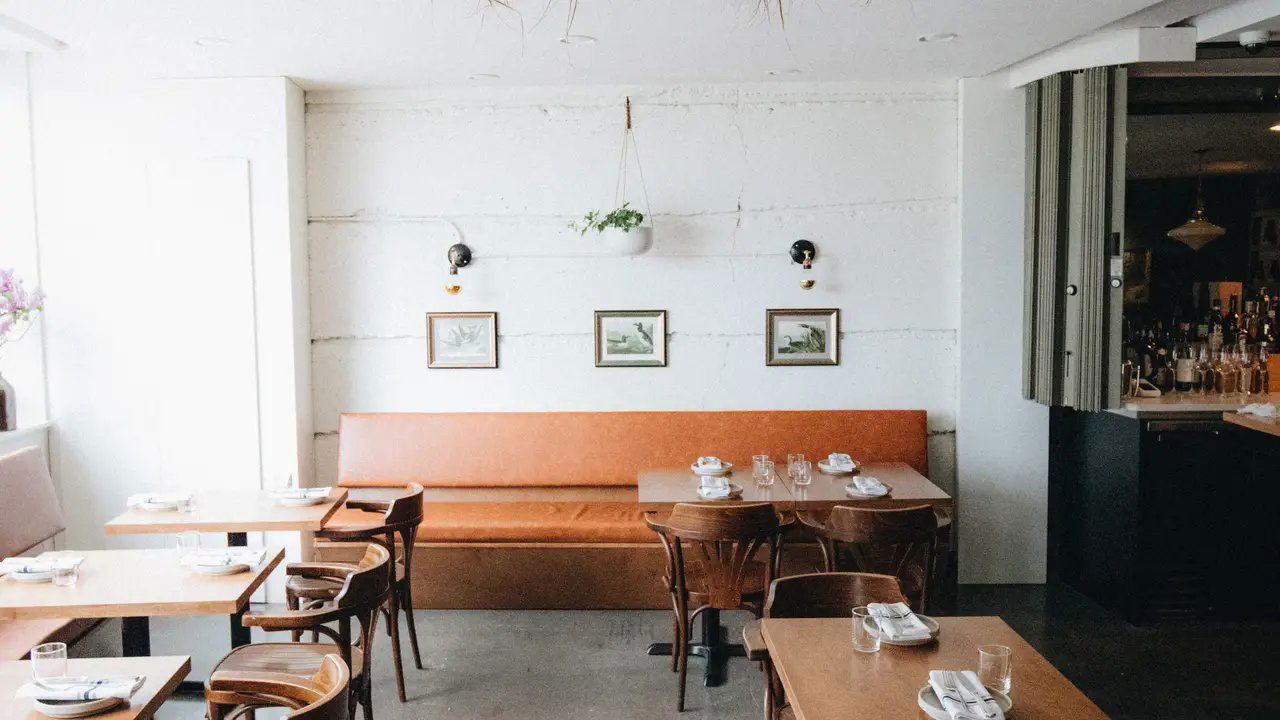
About PORTAGE
On Water Street in the heart of downtown St. John's, Portage runs a casual, convivial room where Newfoundland ingredients meet global technique without ceremony. Chefs Celeste Mah and Ross Larkin, both formerly of Raymonds, build plates that are grounded in place — cured char, scallop toast, pork dumplings — and pair them with inventive cocktails. It is among the more considered addresses on the St. John's dining scene.
Water Street and What It Says About St. John's Dining Now
Water Street runs along the edge of St. John's harbour, where the North Atlantic presses close and the city's mercantile history sits in the bones of every low-rise building. The strip has been through several cycles of reinvention, and the dining that has settled along it in recent years reflects a broader shift in Newfoundland's food culture: away from the tourist-facing cod-and-brewis circuit, toward rooms that treat local ingredients as a starting point rather than a marketing angle. Portage, at 128 Water St, sits in that current. The room is casual without being careless, the kind of place where the energy is sociable and the cooking is more considered than the atmosphere might first suggest.
The Newfoundland Canadiana Frame — and Why It Matters
The phrase "Newfoundland Canadiana" describes something specific and worth unpacking. Canadian cooking at its most interesting has always been a conversation between geography and migration — what the land and sea produce, filtered through the communities that arrived, stayed, and layered their own culinary instincts on leading of local materials. In Newfoundland, that means North Atlantic seafood, preserved and cured traditions shaped by long winters and fishing economics, and a food culture that has historically been more subsistence-shaped than cosmopolitan. The generation of cooks now working in St. John's is the first to treat that inheritance as genuinely interesting source material rather than something to apologise for or dress up beyond recognition.
Portage's menu reads as a confident expression of that moment. Scallop toast with kimchi jam and garlic mayo draws on East Asian fermentation technique to amplify a local shellfish. Cured char with cream cheese, lavash and crispy garlic sits between the smoked-fish traditions of the North Atlantic and the kind of composed small plate more associated with urban Canadian rooms in Toronto or Vancouver. Pork dumplings with sweet soy and chili crisp acknowledge the Asian pantry that has become as much a part of Canadian cooking's working vocabulary as the French techniques that dominated an earlier generation. None of this arrives with affectation. The dishes are described plainly, which is itself an editorial statement about what the cooking is trying to do.
The Raymonds Line , Understanding the Credential
Raymonds, the fine-dining benchmark St. John's built its contemporary restaurant reputation around, trained a generation of cooks who have since dispersed across the city's dining scene. That lineage functions as a form of culinary infrastructure: technique absorbed in a rigorous kitchen, then applied with more latitude elsewhere. Chefs Celeste Mah and Ross Larkin both came through Raymonds before opening Portage, which positions the restaurant inside a well-documented local tradition of fine-dining alumni opening more casual, less expensive rooms without abandoning the underlying craft. The pattern is familiar in cities with a strong anchor restaurant , you see versions of it in how kitchens associated with Alo in Toronto or AnnaLena in Vancouver have seeded the broader scenes around them. In St. John's, Raymonds plays that role, and Portage is among the clearer examples of what that downstream influence looks like when it takes a distinctly informal shape.
The comparison is useful for calibrating expectations. This is not the tasting-menu format or the ceremony of fine dining. The cooking carries the technical DNA of that training, but the room operates at a different register: convivial, accessible, the kind of place where the dishes work as sharing plates across a table of people who are talking rather than contemplating. That distinction matters for how you approach the booking and what you expect on arrival.
Where Portage Sits in the Wider Canadian Context
The casual-but-serious format that Portage occupies has become one of the more interesting categories in Canadian dining. At the tasting-menu end of the spectrum, rooms like Tanière³ in Québec City or Jérôme Ferrer's Europea in Montreal represent a maximalist approach to Canadian terroir , long, elaborate, expensive. At the opposite end, there are gastropubs and neighbourhood spots that lean on local ingredients as a marketing claim without the kitchen rigour to back it up. Portage operates in the middle of that range, where the format is loose enough to be genuinely relaxed but the cooking is careful enough to reward attention. It shares a sensibility with places like Narval in Rimouski and ÄNKÔR in Canmore , regional rooms that are serious about their geography without requiring a special occasion to visit.
For international reference points, the model of technically trained cooks running deliberately informal rooms with globally inflected menus is well established. Atomix in New York City represents the high end of that impulse; Portage is its more approachable, less destination-driven Canadian cousin. The cocktail program adds to that positioning. Inventive drinks in a casual room signal a kitchen and front-of-house that are paying attention to the full experience without charging for a category of dining the format doesn't claim to be.
The St. John's Scene This Fits Into
St. John's has a dining scene that punches above what its population size would predict, partly because of Newfoundland's food culture renaissance and partly because a small number of ambitious restaurants have created enough gravity to attract and retain serious kitchen talent. Portage sits alongside Merchant Tavern as one of the addresses that reflects where the city's cooking is right now: informed by global technique, anchored in local ingredients, and operating without the formality that sometimes alienates casual diners from ambitious food. For a fuller map of where to eat, drink, and stay, the EP Club St. John's restaurants guide covers the scene in detail, alongside guides to bars, hotels, wineries, and experiences across the city.
Planning Your Visit
Portage is at 128 Water Street in downtown St. John's, within easy reach of the harbour and the city's main hotel cluster. The casual, convivial format means it works across a range of occasions , a solo seat at the bar, a small group sharing plates, or a relaxed dinner before or after something else on Water Street. Given the kitchen's Raymonds credentials and the relative scarcity of serious cooking at this price register in St. John's, the room draws a mix of locals and visitors. Booking ahead is the sensible approach, particularly on weekends and during the summer season when St. John's sees its highest visitor traffic. For a broader sweep of what Canadian regional cooking looks like across the country, the EP Club also covers rooms like The Pine in Creemore, Restaurant Pearl Morissette in Lincoln, Eigensinn Farm in Singhampton, and ARLO in Ottawa , each a different expression of what serious Canadian cooking looks like outside the major urban centres.
Frequently Asked Questions
What is the atmosphere like at Portage?
The room is casual and sociable , this is not a white-tablecloth experience. The Water Street address puts it in one of St. John's most active dining corridors, and the format (sharing-style plates, inventive cocktails, a kitchen with fine-dining lineage operating at a relaxed register) makes it one of the more convivial options on the strip. The energy leans toward conversation and groups rather than quiet, considered tasting-menu dining.
What do people recommend at Portage?
The menu that Mah and Larkin have built reflects their Raymonds training applied to a more informal format. The scallop toast with kimchi jam and garlic mayo, cured char with cream cheese and lavash, and pork dumplings with sweet soy and chili crisp are the dishes that leading illustrate the kitchen's approach: local or regionally sourced ingredients handled with technique borrowed from Korean, Japanese, and broader Asian pantry traditions. The cocktail program is worth your attention alongside the food.
Is Portage good for families?
Casual, convivial format and sharing-plate approach make Portage a reasonable choice for families comfortable with a sociable, informal room. The menu covers enough range , from lighter preparations to richer plates , that it works across different appetites. St. John's is a manageable city for families, and Water Street puts the restaurant within reach of most of the central accommodation options. For a fuller picture of where to stay, the EP Club St. John's hotels guide covers the main options across price points.
Recognized By

Related editorial
- Best Fine Dining Restaurants in ParisFrom three-Michelin-star icons to the next generation of Parisian chefs pushing boundaries, these are the restaurants that define fine dining in the world's culinary capital.
- Best Luxury Hotels in RomeFrom rooftop terraces overlooking ancient ruins to Michelin-starred hotel dining, these are the luxury hotels that make Rome unforgettable.
- Best Cocktail Bars in KyotoFrom sleek lounges to hidden speakeasies, Kyoto's cocktail scene blends Japanese precision with global influence in ways you won't find anywhere else.
Save or rate PORTAGE on Pearl
Keep this venue in your Pearl passport, rate it after you visit, and track it alongside every other place you collect.