
Restaurant in Phan Thiao T, Vietnam
Pardis Restaurant
100ptsCoastal Province Table
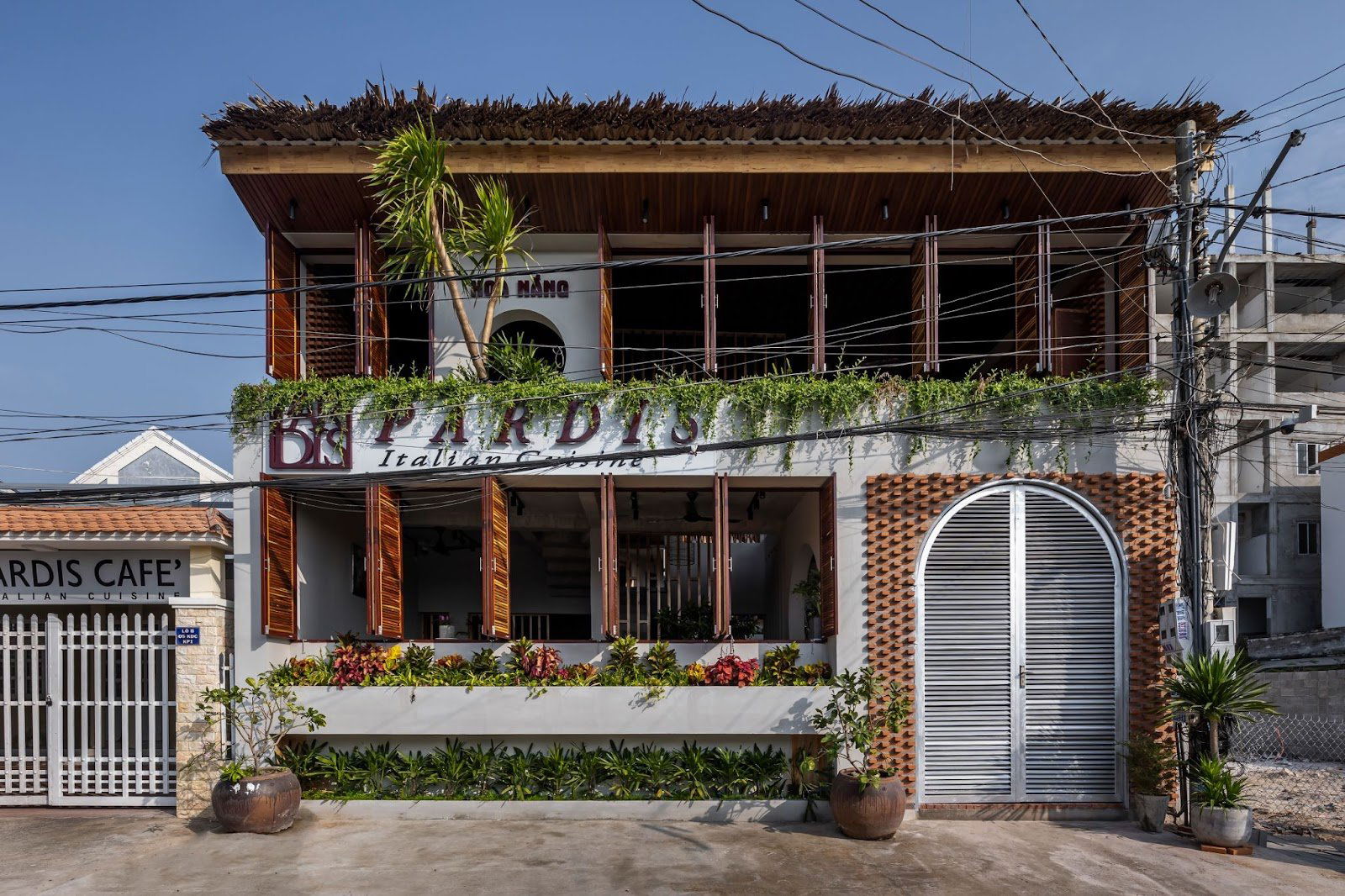
About Pardis Restaurant
Phan Thiet's Dining Scene and Where Pardis Sits Within It Phan Thiet, the coastal capital of Binh Thuan province, occupies a useful position in Vietnam's food geography. It sits far enough from Ho Chi Minh City to retain a local culinary...
Phan Thiet's Dining Scene and Where Pardis Sits Within It
Phan Thiet, the coastal capital of Binh Thuan province, occupies a useful position in Vietnam's food geography. It sits far enough from Ho Chi Minh City to retain a local culinary identity built around the South China Sea catch and the inland produce of the Binh Thuan highlands, yet close enough to the resort corridor of Mui Ne that international visitors have shaped restaurant expectations over two decades. The dining options along Phan Thiet's beachfront strip range from open-air seafood grills serving whatever came off the boats that morning to more composed indoor restaurants drawing on both Vietnamese and broader Asian cooking traditions. Pardis Restaurant, addressed on Lo B Nguyen Tan Dinh in the Ham Tien ward, sits within that inland-meets-coast residential stretch that connects central Phan Thiet to the Mui Ne tourist corridor.
Ham Tien is not the tourist core but it is not remote either. It occupies the transition zone where local residents and resort visitors share the same pavements and the same restaurant tables, which tends to produce a more grounded dining experience than venues positioned purely for the resort trade. For visitors staying along the Mui Ne strip, the ward is reachable without significant effort, and the address on Nguyen Tan Dinh places Pardis within a stretch of the street that has developed a modest concentration of dining options over the past several years.
Ingredient Geography in a Coastal Province
Any honest account of eating in Binh Thuan has to start with what the province produces. The coastline running from Phan Thiet north toward Mui Ne and beyond contributes some of Vietnam's most consistent seafood supply, with fishing communities operating out of the harbour at the mouth of the Ca Ty River. The fish sauce produced in Phan Thiet carries a designation recognised across Vietnam, and the province's squid, crab, and reef fish appear in restaurant kitchens at a proximity that most inland Vietnamese cities cannot replicate. This sourcing proximity is not incidental: in coastal Vietnamese cooking, the interval between sea and kitchen has always been understood as a quality variable, and the short supply chains available to restaurants in this province carry real culinary significance.
Beyond seafood, Binh Thuan's agriculture contributes dragon fruit at a scale that makes the province Vietnam's leading producer, along with a range of tropical vegetables and herbs that find their way into local cooking. The combination of coastal protein and agricultural diversity gives kitchens in Phan Thiet a raw material base that is genuinely different from what is available in, say, the central highlands or the Mekong delta, and restaurants that work closely with local supply benefit from that specificity. Where Pardis sources and how it uses the regional ingredient base is not documented in available records, but the address and category place it within a scene defined by these supply conditions.
The Physical Setting
Ham Tien ward reads differently depending on what you are comparing it to. Against the purpose-built resort compounds further along the coast, it feels functional and unpolished. Against the dense urban grid of central Phan Thiet, it feels quieter and more residential. Restaurants in this zone tend to occupy ground-floor spaces in low-rise buildings, with interiors that prioritise ceiling fans and natural ventilation over air-conditioned isolation. Evening dining here carries the ambient noise of a working neighbourhood, not the managed quiet of a hotel restaurant. That context shapes expectations: what you are getting in Ham Tien is proximity to the ingredients and the community that produces them, not the physical remove of resort dining.
For context on the broader dining range in the area, BIG CHILL INTERNATIONAL FOOD COURT - Khu am thuc Mui Ne represents the casual international end of the local spectrum, while EI Cafe International Vegan/Vegetarian addresses a more specialist dietary category. Com Nieu Panda sits in the Vietnamese everyday dining tier. Pardis occupies a different position, though the exact nature of its cuisine and format is not captured in available records.
Planning a Visit
Without confirmed hours, booking policy, or pricing data in the available record, visitors planning a trip to Pardis should treat the address on Lo B Nguyen Tan Dinh, Ham Tien ward, Phan Thiet as the primary anchor and confirm operating details directly on arrival or through local accommodation concierge services. This is practical advice for any restaurant in this tier and location: independent restaurants in provincial Vietnamese cities frequently operate on schedules that differ from published information, and the most reliable current data tends to come from local sources rather than online listings. Ham Tien ward is accessible by motorbike taxi or private car from both central Phan Thiet and the Mui Ne resort strip.
For those building a wider itinerary across Vietnam, the country's dining range is considerable. At one end of the spectrum, La Maison 1888 in Da Nang and Gia in Hanoi represent Vietnam's most formally recognised dining tier, while Akuna in Ho Chi Minh City sits in the creative urban mid-range. Coastal and seafood-focused dining can also be found at Bien 14 Seafood Buffet Restaurant in Ha Long. For the full picture of what Phan Thiet's dining scene currently offers, the EP Club Phan Thiet restaurants guide covers the range in detail.
Elsewhere in Vietnam's dining geography, Before and Now in Hoi An and Duyen Anh Restaurant in Phu Vang offer useful reference points for central Vietnam's style. Further afield in the region, Fujiya Sushi in Da Lat and Genji in Cam Pha represent the Japanese dining thread running through Vietnamese resort towns. For Korean BBQ formats in the country, GoGi House in Bac Lieu and Matchandeul BBQ in Binh Duong are relevant comparisons, alongside Dookki in Tuyen Quang for the Korean hotpot format. For northern Vietnamese reference points in a port city context, Le Pont Club in Hai Phong is worth noting. At the global fine dining end, Le Bernardin and Atomix in New York represent the benchmarks against which serious dining programs internationally are often measured.
Frequently Asked Questions
- Is Pardis Restaurant child-friendly?
- No pricing or format data is confirmed for Pardis, but restaurants in Ham Tien ward generally operate in a casual neighbourhood register that accommodates families without difficulty.
- How would you describe the vibe at Pardis Restaurant?
- If you are arriving from the Mui Ne resort strip, expect a more residential, low-key atmosphere than the beach-adjacent venues along the coast. Without confirmed awards or a documented format, the tone is leading read as neighbourhood dining rather than destination dining, which in a province with Phan Thiet's ingredient base is a reasonable place to eat well.
- What is the leading thing to order at Pardis Restaurant?
- No menu data, chef details, or awards are on record for Pardis. In a coastal Binh Thuan setting, the regional logic points toward seafood sourced from the local catch and dishes that work with the province's agricultural output, but no specific ordering guidance can be confirmed.
- How far ahead should I plan for Pardis Restaurant?
- Without pricing tier or award signals to indicate demand level, and given the neighbourhood address rather than a resort-facing location, Pardis is unlikely to require advance booking. Confirming directly before arrival is the practical approach for any independent restaurant in this category and city.
- Is Pardis Restaurant connected to Persian or Middle Eastern cuisine, as the name might suggest?
- The name Pardis carries Persian etymology, meaning garden or paradise, which is a reference that surfaces across various restaurant names in Southeast Asia without necessarily indicating a cuisine type. No cuisine classification is documented in available records for this venue. Visitors curious about the menu should confirm directly, as the name alone is not a reliable indicator of what is being served in a Vietnamese provincial city context.
Related editorial
- Asia's 50 Best Restaurants 2026: The Chairman and Wing Go 1-2 from the Same BuildingThe Chairman takes No. 1 and Wing climbs to No. 2 at Asia's 50 Best Restaurants 2026. Both operate from the same Hong Kong building. Here's what it means.
- Four Seasons Yachts Debut: 95 Suites, 11 Restaurants, and a March 2026 Maiden VoyageFour Seasons I launches March 20, 2026, with 95 suites, a one-to-one staff ratio, and 11 onboard restaurants. Worth tracking if you want hotel-grade service at sea.
- LA Michelin Guide 2026: Seven New Restaurants from Tlayudas to Uzbek DumplingsMichelin's March 2026 California Guide update adds six LA restaurants and one Montecito newcomer, spanning Oaxacan tlayudas, Uzbek manti, and Korean-Italian pasta.
Save or rate Pardis Restaurant on Pearl
Keep this venue in your Pearl passport, rate it after you visit, and track it alongside every other place you collect.