
Restaurant in South Miami, United States
Old Lisbon Restaurants - South Miami
100ptsAtlantic Portugal on Sunset Drive
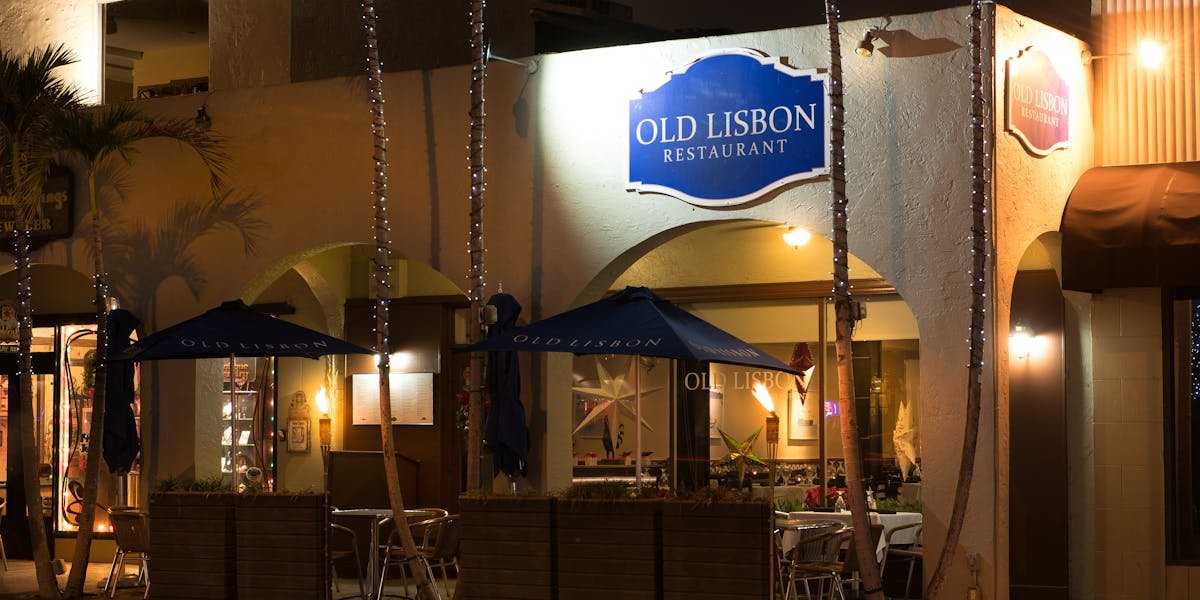
About Old Lisbon Restaurants - South Miami
Old Lisbon Restaurants brings Portuguese cooking to South Miami's Sunset Drive corridor, where the tradition of salt cod, petiscos, and Atlantic-sourced ingredients sits at an interesting remove from the city's more dominant Latin and Caribbean dining currents. The address at 5837 Sunset Dr places it within reach of Coral Gables and the broader South Miami dining circuit for those tracking Iberian options in the region.
Portuguese Cooking in South Florida: A Different Atlantic Conversation
South Florida's dining identity is built primarily around Latin American and Caribbean ingredients and technique, with Cuban, Peruvian, and Colombian kitchens dominating the mid-Miami conversation. Portuguese cooking occupies a narrower lane in this city, which makes its presence in South Miami worth examining. The Iberian peninsula's culinary traditions, rooted in Atlantic fishing culture, preserved meats, and an ingredient philosophy shaped by centuries of maritime trade, don't map neatly onto Florida's dominant culinary references. That tension is part of what makes a Portuguese address in this neighborhood interesting to track.
Old Lisbon Restaurants sits on Sunset Drive in South Miami at 5837, a corridor that has developed as a community dining destination distinct from the high-visibility venues of Brickell or Wynwood. South Miami's restaurant scene tends toward neighborhood regulars rather than destination-driven traffic, which shapes the kind of cooking that sustains itself here. For broader context on what's currently active in this part of the city, our full South Miami restaurants guide maps the range of options across price points and cuisine types.
The Ingredient Logic Behind Portuguese Tradition
Any serious engagement with Portuguese food begins with sourcing questions that are more consequential here than in Lisbon itself. The backbone ingredients of the cuisine, particularly bacalhau (salt cod), Alentejo pork, and the olive oils and wines of the Douro and Alentejo regions, travel well in preserved or bottled form, but the fresh components require a different calculation in Florida. The Atlantic is close, and South Florida's fish markets carry species that align reasonably well with the Portuguese kitchen's reliance on fresh seafood. Sardines, octopus, clams, and similar products move through Miami's wholesale network, giving kitchens in this region access to ingredients that support traditional preparation methods.
The broader point about Portuguese cooking and sourcing is that the cuisine has always been built around preservation as a virtue rather than a necessity of last resort. Bacalhau, which arrives dried and salted rather than fresh, is the defining example: the transformation the salt achieves is the point, not a workaround. That philosophy extends to cured linguiça, tinned fish preparations, and aged cheeses from the Serra da Estrela region. A Portuguese kitchen working in South Miami has to decide how closely it tracks those traditions versus adapting to local ingredient availability, and that decision defines what kind of Portuguese restaurant it becomes.
Restaurants across the United States working in European ingredient traditions face a version of this question. Frasca Food & Wine in Boulder has built its identity around Northern Italian sourcing discipline applied to a Colorado context. Blue Hill at Stone Barns in Tarrytown takes the most rigorous farm-to-table position in American fine dining, treating sourcing as the primary editorial statement. Portuguese cooking in a Florida setting doesn't require that level of institutional commitment to local agriculture, but the decisions about which ingredients to import, which to substitute, and which to celebrate as local equivalents shape the entire experience.
Where South Miami Fits in the Miami Dining Map
South Miami is not where Miami's most credentialed kitchens tend to cluster. The high-concentration zones for award-recognized dining sit further north, in areas with higher foot traffic and greater proximity to hotel dining infrastructure. That geographic reality means restaurants in South Miami are generally serving a residential audience rather than competing for the same tourists and expense-account diners that Brickell or Coral Gables venues target. The competitive set for a neighborhood Portuguese restaurant here is local regulars and the South Miami-adjacent population that wants reliable cooking within a short drive, not the national press circuit that covers venues like Le Bernardin in New York City or Alinea in Chicago.
That doesn't diminish the category. The neighborhood dining tier in any city is where most people actually eat, and a kitchen that maintains quality Portuguese cooking consistently for a local audience is doing something more durable than a high-concept venue chasing press coverage. CRAFT South Miami is another restaurant working this same neighborhood-anchored position on the South Miami dining circuit, worth considering as a point of comparison when planning a visit to the area.
Petiscos, Shared Plates, and the Social Structure of the Meal
Portuguese dining culture is structured differently from the three-course frameworks that dominate American restaurant expectations. The petisco tradition, roughly equivalent to tapas in Spanish culture, centers the meal around shared small plates, wine, and extended conversation rather than a fixed progression. This format translates well to Florida's social dining culture and aligns with how South Florida diners across multiple cuisine types tend to prefer eating: shareable, iterative, low-formality. For a Portuguese kitchen in this market, leaning into petiscos rather than positioning around a formal dinner structure is both a culturally authentic choice and a practical one given the neighborhood's dining habits.
The wine question matters here too. Portugal's wine regions, particularly the Douro, Alentejo, and Vinho Verde appellations, are producing bottles at quality levels that consistently surprise drinkers unfamiliar with Iberian wines outside of Port. A Portuguese restaurant that maintains even a modest selection of these wines provides a pairing context that's genuinely different from what a South Florida Italian or Latin American kitchen offers. At the list-building level, Portuguese wines remain underpriced relative to their quality tier, which creates an opportunity for a neighborhood restaurant to offer something interesting without charging fine-dining premiums. For comparison of how sourcing and pairing commitments operate at the highest American restaurant tier, Single Thread Farm in Healdsburg and The French Laundry in Napa both treat the wine program as an extension of the kitchen's ingredient philosophy.
Planning a Visit
Old Lisbon Restaurants is located at 5837 Sunset Dr, South Miami, FL 33143, positioned within the Sunset Drive commercial stretch that runs through South Miami's community retail and dining corridor. The address is accessible from Coral Gables and the surrounding residential areas by car, and sits in a part of South Miami where street parking is generally available. Specific hours, pricing, and booking arrangements are leading confirmed directly, as the available public record for this venue does not include current operational details. The South Miami dining circuit rewards exploration beyond the high-profile addresses, and a neighborhood Portuguese kitchen at this location offers a category that remains underrepresented in this part of Florida's dining map.
For readers tracking Portuguese and Iberian dining across broader American restaurant coverage, the ingredient-sourcing questions raised by a venue like this have parallels in how regionally grounded American kitchens approach European tradition. Bacchanalia in Atlanta, Addison in San Diego, and Emeril's in New Orleans each represent different answers to the question of how American kitchens relate to European culinary roots. The Portuguese question in South Miami is smaller in scale and ambition but no less real as a question about what the cuisine means when it travels.
Frequently Asked Questions
- Would Old Lisbon Restaurants be comfortable with kids?
- For a neighborhood restaurant in South Miami at a non-fine-dining price positioning, this is generally a reasonable choice for families with children.
- Is Old Lisbon Restaurants formal or casual?
- If the venue follows the standard positioning for neighborhood Portuguese restaurants in a South Miami context, where there are no noted awards and the address suggests community dining rather than destination fine dining, expect a casual to smart-casual environment with no formal dress requirements.
- What should I order at Old Lisbon Restaurants?
- In a Portuguese kitchen, the starting point is always bacalhau in one of its traditional preparations, followed by grilled seafood if the kitchen is sourcing well from Florida's Atlantic supply. The petisco format, if available, gives the most useful survey of what the kitchen does across its range.
- What makes Portuguese cooking in South Miami distinct from the city's other European restaurant options?
- Portuguese cuisine's Atlantic sourcing logic, built around salt cod, tinned fish, and preserved meats rather than the fresh-luxury framework of French or Italian fine dining, puts it in a different ingredient conversation than most of Miami's European-adjacent restaurants. In a city where Cuban and Latin American kitchens dominate the non-American European dining space, a Portuguese address like this one at 5837 Sunset Dr represents a cuisine category with limited direct competition in the South Miami area, making it a reference point for diners specifically tracking Iberian food in South Florida.
Related editorial
- Asia's 50 Best Restaurants 2026: The Chairman and Wing Go 1-2 from the Same BuildingThe Chairman takes No. 1 and Wing climbs to No. 2 at Asia's 50 Best Restaurants 2026. Both operate from the same Hong Kong building. Here's what it means.
- Four Seasons Yachts Debut: 95 Suites, 11 Restaurants, and a March 2026 Maiden VoyageFour Seasons I launches March 20, 2026, with 95 suites, a one-to-one staff ratio, and 11 onboard restaurants. Worth tracking if you want hotel-grade service at sea.
- LA Michelin Guide 2026: Seven New Restaurants from Tlayudas to Uzbek DumplingsMichelin's March 2026 California Guide update adds six LA restaurants and one Montecito newcomer, spanning Oaxacan tlayudas, Uzbek manti, and Korean-Italian pasta.
Save or rate Old Lisbon Restaurants - South Miami on Pearl
Keep this venue in your Pearl passport, rate it after you visit, and track it alongside every other place you collect.