
Restaurant in Villeneuve Tolosane, France
O FIL DES SAVEURS
100ptsOccitanie Market Cooking
About O FIL DES SAVEURS
Cozy dining on a gourmet voyage with specials
A Suburban Table in the Toulouse Orbit
Villeneuve-Tolosane sits roughly fifteen kilometres southwest of Toulouse, close enough to draw from the city's appetite for serious food but operating at a quieter register. The commune is residential rather than destination-driven, which shapes the dining character of its restaurants: they tend to serve a local clientele with genuine loyalty rather than a tourist circuit. In this context, a restaurant named O Fil des Saveurs, at 8 Rue du Canalet, signals something specific. The name translates loosely as "following the thread of flavours," a phrase that points toward a cooking style organised around seasonal and sourced ingredients rather than fixed set-pieces. French restaurants carrying that framing tend to sit in the mid-to-upper tier of neighbourhood dining, where the sourcing narrative is a working kitchen principle, not a branding gesture.
The broader regional setting matters here. The Occitanie region around Toulouse is one of the more varied larders in southern France: Gascony duck and foie gras from the west, market gardens along the Garonne, Pyrenean lamb and cheese from the south, and, within the city itself, a strong tradition of market-driven bistro cooking. Restaurants that take sourcing seriously in this part of France are working with genuine geographic advantage. The raw material is close, seasonally legible, and regionally distinctive in ways that kitchens further north cannot replicate as directly. Compare this to the supply lines available to, say, a restaurant in a major metropolitan centre: ingredient provenance here is a shorter chain, which tends to mean more responsive menus.
The Sourcing Argument in Occitanie Dining
Across France, the most durable neighbourhood restaurants have shifted away from fixed menus toward formats that allow the kitchen to adapt to what is actually available in a given week. This is particularly visible in the southwest, where the agricultural calendar is pronounced enough that a chef ignoring it is actively working against the region's strength. Foie gras duck appears from late autumn into winter; spring brings white asparagus from the Landes; summer produces tomatoes, courgettes, and stone fruit in quantities that reward kitchens willing to re-centre their menu around them. The restaurants that command loyalty in towns like Villeneuve-Tolosane tend to be the ones where regulars trust the kitchen to make those calls, rather than expecting a static menu across twelve months. For a broader survey of what the Toulouse suburban dining circuit looks like, our full Villeneuve Tolosane restaurants guide maps the category in more detail.
In the same commune, D'Cadéi represents another point in the local dining picture, operating with a different format and tone. The presence of more than one serious neighbourhood table in a town of this size suggests that local appetite for considered cooking is real rather than occasional. That is the competitive context for O Fil des Saveurs: not a restaurant scene with dozens of options, but one where each table plays a particular role and draws a particular following.
What the Regional Frame Implies About the Menu
Without confirmed dish data from a verified source, it would be irresponsible to describe specific plates here. What the regional and editorial context supports as inference is this: a restaurant at this address, with this name and this location in Occitanie, is almost certainly working with the Gascon and Pyrenaean product calendar in some form. Duck, lamb, seasonal vegetables from the Garonne corridor, and cheese from the southern highlands are the building blocks of serious cooking in this postal code. The question a sourcing-focused kitchen answers is not what it cooks, but how closely it tracks the agricultural moment: whether the duck is from a specific producer, whether the vegetable selection changes week to week, whether the cheese board reflects what is ready rather than what stores conveniently. Those distinctions separate a restaurant with sourcing values from one that merely lists regional products on a menu.
For comparison, consider how sourcing rigour plays out at different scales of French dining. Bras in Laguiole built its entire identity around the Aubrac plateau's specific terroir. Mirazur in Menton operates its own gardens to control the ingredient chain from soil to plate. Auberge du Vieux Puits in Fontjoncouse anchors its sourcing in a specific village microclimate. At the neighbourhood level, the ambition is different but the principle is the same: proximity and trust with producers determines what quality the kitchen can access. Restaurants in the Toulouse orbit that have lasted and developed a genuine following, whether in the city itself or in its surrounding communes, have generally done so by developing those producer relationships rather than relying on wholesale supply chains.
This regional tradition has a longer lineage that runs through some of France's most documented restaurants. Paul Bocuse at L'Auberge du Pont de Collonges, Troisgros in Ouches, and Auberge de l'Ill in Illhaeusern all built reputations partly on the argument that French regional produce, handled seriously, needs no apology and no internationalist gloss. That argument has filtered down through decades of training and is now embedded in how French culinary culture treats neighbourhood cooking as a legitimate form rather than a lesser one. A restaurant like O Fil des Saveurs inherits that tradition by geography and, if the kitchen is doing its job, by practice.
Planning a Visit
The address, 8 Rue du Canalet in Villeneuve-Tolosane, places the restaurant in a quiet residential street typical of the commune's character. Villeneuve-Tolosane is accessible from Toulouse by road in under twenty minutes and has connections via the D road network rather than motorway. Booking in advance is advisable for any serious neighbourhood restaurant in the Toulouse suburbs, where covers tend to be limited and local regulars occupy a reliable share of the diary. Specific hours, pricing, and reservation method are not confirmed in our current data; contacting the restaurant directly before visiting is the practical step. For context on the broader price tier, neighbourhood restaurants of this type in the Toulouse region typically operate at a more accessible level than the grand tasting-menu format represented by Alléno Paris au Pavillon Ledoyen or Assiette Champenoise in Reims, though confirmed pricing here requires direct verification. Other reference points in French regional dining, including Flocons de Sel in Megève, AM par Alexandre Mazzia in Marseille, Christopher Coutanceau in La Rochelle, Georges Blanc in Vonnas, L'Oustau de Baumanière in Les Baux, Au Crocodile in Strasbourg, Le Bernardin in New York City, and Atomix in New York City, illustrate the range of formats within which sourcing-led kitchens operate across different price tiers and geographies.
Frequently Asked Questions
- Is O Fil des Saveurs child-friendly?
- Neighbourhood restaurants in Villeneuve-Tolosane at this price tier and style tend to be informal enough to accommodate children without difficulty, though it is worth confirming directly given that specific seating and service format details are not confirmed in our current data.
- What should I expect atmosphere-wise at O Fil des Saveurs?
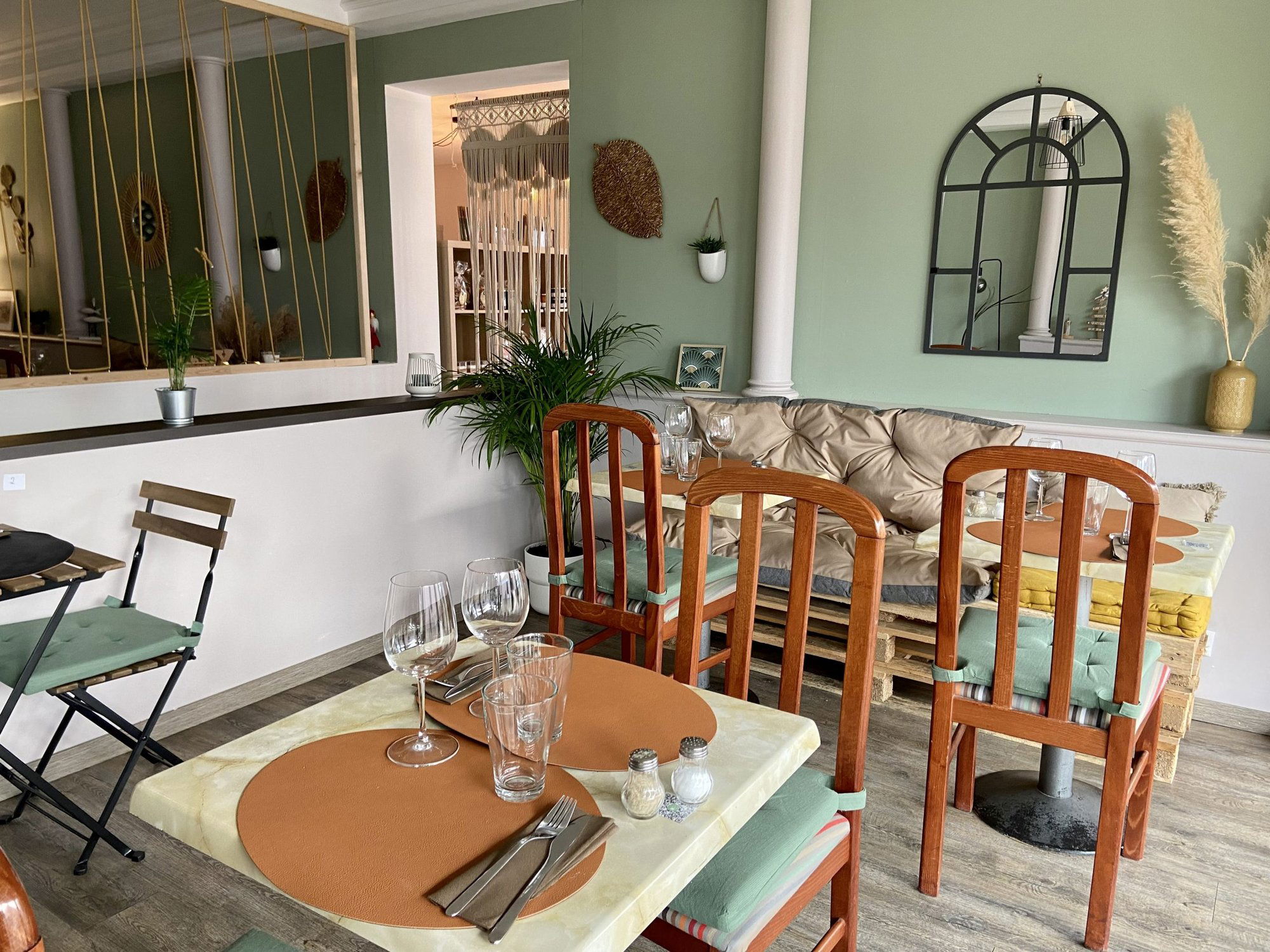
- If the restaurant follows the pattern of comparable neighbourhood tables in the Toulouse suburban belt, expect a low-key room where the cooking rather than the decor carries the experience. In the absence of awards data or confirmed price tier, the most reliable guide is that sourcing-focused restaurants in this commune format tend toward relaxed, conversational service over formal staging.
- What is the must-try dish at O Fil des Saveurs?
- Specific dish data is not available from a verified source, so no particular plate can be cited here with confidence. What cuisine tradition and regional context support is that a kitchen in this part of Occitanie, with a sourcing-led brief, is most likely to be at its clearest when working with duck, lamb, or the seasonal vegetable harvest from the Garonne valley, though this is editorial inference rather than confirmed menu detail. Checking the current menu directly before visiting is the practical step.
- How does O Fil des Saveurs fit into the Villeneuve-Tolosane dining scene?
- Villeneuve-Tolosane is a residential commune rather than a dining destination in the conventional sense, which means restaurants that develop a genuine following here do so primarily through repeat local custom rather than tourist footfall. O Fil des Saveurs, by name and address, positions itself in the sourcing-focused neighbourhood category that has become the dominant serious-cooking format at this scale in the Toulouse orbit. Alongside D'Cadéi, it represents the upper tier of local dining options rather than a destination restaurant drawing from across the region.
Related editorial
- Asia's 50 Best Restaurants 2026: The Chairman and Wing Go 1-2 from the Same BuildingThe Chairman takes No. 1 and Wing climbs to No. 2 at Asia's 50 Best Restaurants 2026. Both operate from the same Hong Kong building. Here's what it means.
- Four Seasons Yachts Debut: 95 Suites, 11 Restaurants, and a March 2026 Maiden VoyageFour Seasons I launches March 20, 2026, with 95 suites, a one-to-one staff ratio, and 11 onboard restaurants. Worth tracking if you want hotel-grade service at sea.
- LA Michelin Guide 2026: Seven New Restaurants from Tlayudas to Uzbek DumplingsMichelin's March 2026 California Guide update adds six LA restaurants and one Montecito newcomer, spanning Oaxacan tlayudas, Uzbek manti, and Korean-Italian pasta.
Save or rate O FIL DES SAVEURS on Pearl
Keep this venue in your Pearl passport, rate it after you visit, and track it alongside every other place you collect.