
Restaurant in Hao Long, Vietnam
Nhà Hàng Hồi Chay
100ptsCoastal Chay Tradition
About Nhà Hàng Hồi Chay
Nhà Hàng Hồi Chay sits along the coastal villa strip at Cột 5, Hạ Long, positioning itself within a growing tier of plant-based dining in a city better known for seafood. The restaurant draws on Vietnamese Buddhist vegetarian traditions, offering a counter-point to the bay's dominant grilled and shellfish formats. Visitors seeking a quieter, produce-led meal away from the harbour crowds will find it worth seeking out.
Plant-Based Dining Along the Hạ Long Coastline
Vietnam's coastal resort towns have long been defined by their seafood. In Hạ Long, the default dining mode runs from grilled shellfish at the harbour to buffet spreads at hotel restaurants. Against that backdrop, a vegetarian restaurant operating along the coastal villa road at Cột 5 occupies a different register entirely. Nhà Hàng Hồi Chay sits within the villa estate near Bia 365 on the seafront perimeter road, a location that places it physically within the upscale residential fringe of Hạ Long rather than the tourist-dense core. That positioning, away from the main visitor flow, is part of what defines its character: this is a restaurant built for a local and returning clientele, not passing foot traffic.
Plant-based dining in Vietnamese cities has a deep cultural foundation. Buddhist vegetarian cooking, known as ẩm thực chay, operates on a distinct culinary grammar from Western vegetarianism. It draws on centuries of temple cooking, using fermented sauces, braised tofu preparations, mushroom-based stocks, and imitation proteins shaped from gluten or soy to replicate the textures and appearances of meat dishes. The tradition is not about subtraction; it is about replication and refinement within strict ingredient constraints. Restaurants working in this tradition across Vietnam, from Hanoi's Old Quarter to Hội An's riverside, tend to serve a clientele that is partly devout Buddhist and partly health-oriented, with the two groups often overlapping. For broader context on the Vietnamese dining scene, see Gia in Hanoi or the coastal sophistication of La Maison 1888 in Da Nang.
What Ẩm Thực Chay Means in Practice
The cultural weight behind Vietnamese Buddhist vegetarian cooking is considerable. Lunar calendar observance shapes demand, with the 1st and 15th days of each lunar month drawing significantly higher numbers of diners to chay restaurants across the country. On those dates, practising Buddhists avoid meat entirely, and restaurants in this tradition often operate at near-capacity. Timing a visit to Nhà Hàng Hồi Chay around these dates would likely mean the fullest version of the restaurant's service, and also the most communal atmosphere, as tables fill with families and local regulars rather than tourists.
The Hạ Long dining scene, compared to major Vietnamese cities, has less density of specialist vegetarian options. Most of the city's restaurant infrastructure orients toward seafood, given the bay's identity and the expectations of the tour group traffic that passes through. A standalone chay restaurant in this environment serves a gap, drawing from the city's permanent resident population and the growing number of Vietnamese domestic tourists who travel with dietary preferences shaped by health or religious practice. For comparison across dining formats in Hạ Long, see Bien 14 Seafood Buffet Restaurant and BRUNCH, both representing the city's more dominant dining categories. The Indian Master Food Halal Restaurant similarly addresses a specialist dietary audience within the city.
The Coastal Villa Address
Address itself, within a villa estate on the coastal perimeter road near Cột 5, signals something about the restaurant's intended audience. Villa-zone dining in Vietnamese resort cities tends to attract a wealthier domestic clientele and long-stay visitors rather than the day-trip cruise crowd. The seafront perimeter road offers views toward the bay and operates at a lower commercial intensity than the central tourist zones. This kind of address is common for restaurants that prioritise a calmer dining environment over walk-in volume. Whether the setting translates into terrace seating with bay sightlines or an interior focused on traditional Vietnamese decorative elements is not confirmed by available data, but the villa estate context generally implies more spatial generosity than a street-front shophouse.
Across Vietnam's culinary landscape, specialist restaurants in quieter residential or resort-fringe addresses tend to operate on word-of-mouth and repeat custom rather than aggregator-driven traffic. Compare this to high-footfall formats like White Rose in Hội An, which sits in a high-volume tourism corridor, or the branded chain formats represented by King BBQ in Rạch Giá and GoGi House in Bạc Liêu. Nhà Hàng Hồi Chay operates in a different register from all of these: smaller in commercial ambition, more specific in its audience, and rooted in a culinary tradition that has its own internal logic.
Vietnamese Vegetarian Cooking in a Regional Context
Within Vietnam's northern region, Quảng Ninh province has a cultural character shaped by its maritime economy and its proximity to the Chinese border. Buddhist practice is present across the province, as it is throughout northern Vietnam, and chay restaurants in provincial cities often serve as community anchors as much as commercial dining venues. The context is meaningfully different from the chay scene in Ho Chi Minh City, where restaurants like Akuna operate within a more internationally influenced dining environment. Hạ Long's chay dining sits closer to the traditional end of the spectrum, oriented toward local practice rather than cosmopolitan plant-based trends.
For international visitors accustomed to European fine dining benchmarks, the reference points shift considerably. A restaurant like Le Bernardin in New York City or Atomix operates with entirely different structural assumptions about service, format, and price. Vietnamese chay dining, even at its most accomplished, is priced and paced differently. The value proposition is not tasting-menu sophistication but ingredient honesty, cultural authenticity, and a meal format that fits into local rhythms.
Planning a Visit
Nhà Hàng Hồi Chay is located within the villa estate development along the coastal perimeter road near Cột 5, Hạ Long, adjacent to the Bia 365 landmark. The address sits outside the main tourist zones, so reaching it requires a taxi or ride-hailing app rather than being walkable from the central harbour area. Phone and website details are not publicly listed in available records, which suggests reservations may be made in person or through local contacts. Visiting around the 1st or 15th of the lunar month will correspond with peak Buddhist observance days, when demand for chay dining across Vietnam rises noticeably. Our full Hạ Long restaurants guide covers the broader dining context across the city's different formats and price tiers. For those exploring Vietnam's wider specialist dining scene, Dookki in Minh Xuân, Big Bowl in Cam Ranh, and Fujiya Sushi in Đà Lạt illustrate how specialist dining formats are distributed across the country's secondary cities.
Frequently Asked Questions
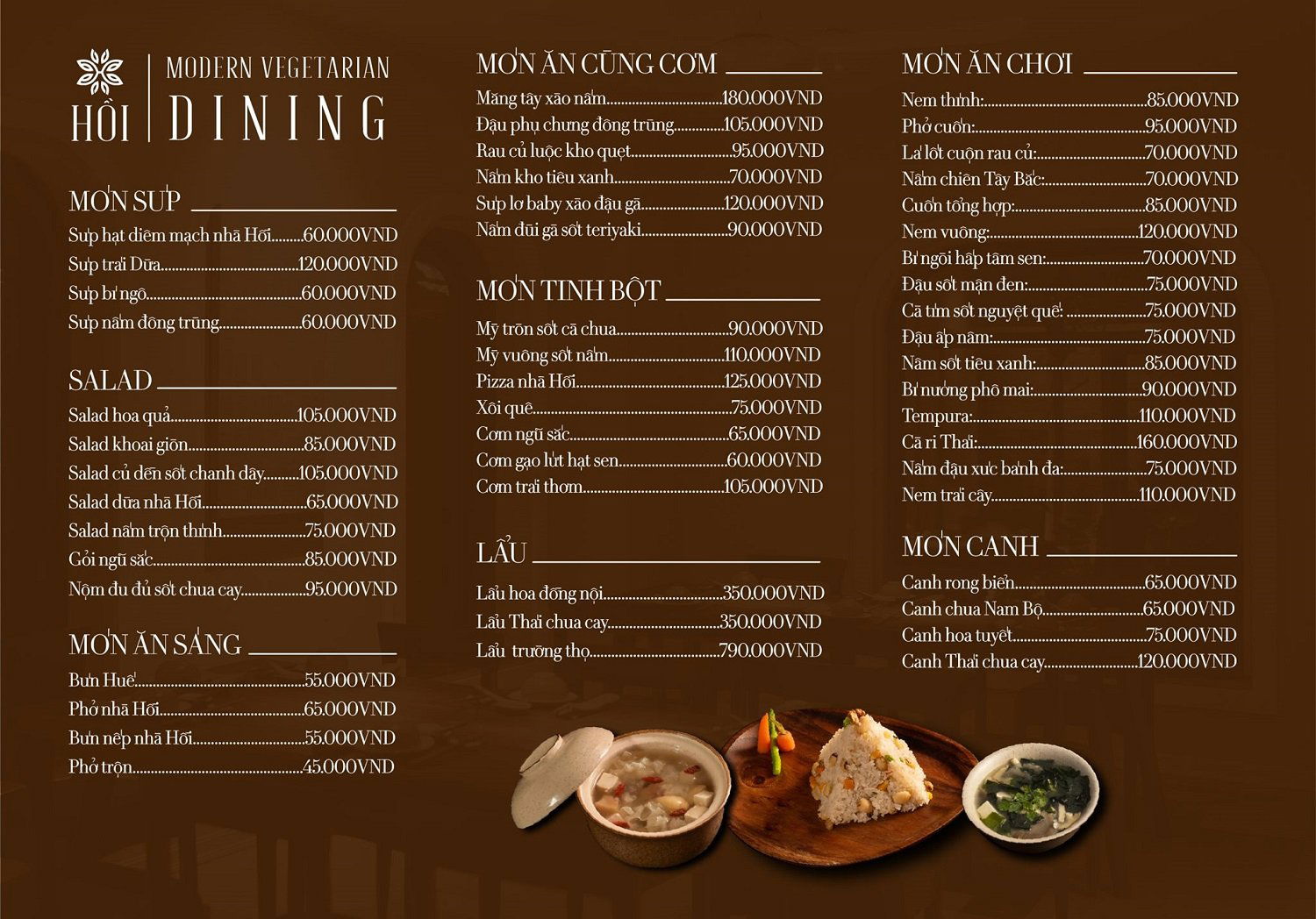
- What do regulars order at Nhà Hàng Hồi Chay?
- Specific dish details are not confirmed in available records. In the broader Vietnamese Buddhist vegetarian tradition, staple orders at chay restaurants typically include braised tofu preparations, mushroom-based pho, and imitation meat dishes built from gluten or soy protein. These formats appear consistently across the cuisine type and are a reasonable expectation here.
- How hard is it to get a table at Nhà Hàng Hồi Chay?
- No confirmed booking data is publicly available. Given the restaurant's location outside Hạ Long's main tourist corridors and its orientation toward a local and returning clientele, walk-in access is likely more direct than at high-demand visitor-facing venues. Demand increases around Buddhist lunar calendar observance dates, the 1st and 15th of each lunar month, when chay dining across Vietnam sees a notable spike in traffic.
- Is Nhà Hàng Hồi Chay suitable for non-Buddhist visitors with no prior experience of Vietnamese vegetarian cuisine?
- Vietnamese Buddhist vegetarian cooking operates on a distinct culinary logic, using fermented, braised, and imitation-protein techniques that produce familiar textures within a plant-based framework. Visitors without prior exposure to the cuisine type will find the format more approachable than the name might suggest, since the dishes are designed to replicate recognisable Vietnamese meal structures. The restaurant's location in Hạ Long's villa estate zone, rather than a tourist-facing street, means the dining environment leans toward local custom, which can be an asset for those seeking an authentic rather than adapted experience.
Related editorial
- Asia's 50 Best Restaurants 2026: The Chairman and Wing Go 1-2 from the Same BuildingThe Chairman takes No. 1 and Wing climbs to No. 2 at Asia's 50 Best Restaurants 2026. Both operate from the same Hong Kong building. Here's what it means.
- Four Seasons Yachts Debut: 95 Suites, 11 Restaurants, and a March 2026 Maiden VoyageFour Seasons I launches March 20, 2026, with 95 suites, a one-to-one staff ratio, and 11 onboard restaurants. Worth tracking if you want hotel-grade service at sea.
- LA Michelin Guide 2026: Seven New Restaurants from Tlayudas to Uzbek DumplingsMichelin's March 2026 California Guide update adds six LA restaurants and one Montecito newcomer, spanning Oaxacan tlayudas, Uzbek manti, and Korean-Italian pasta.
Save or rate Nhà Hàng Hồi Chay on Pearl
Keep this venue in your Pearl passport, rate it after you visit, and track it alongside every other place you collect.