
Restaurant in Sint Pieters Woluwe, Belgium
Mucha
100ptsResidential Table Cooking
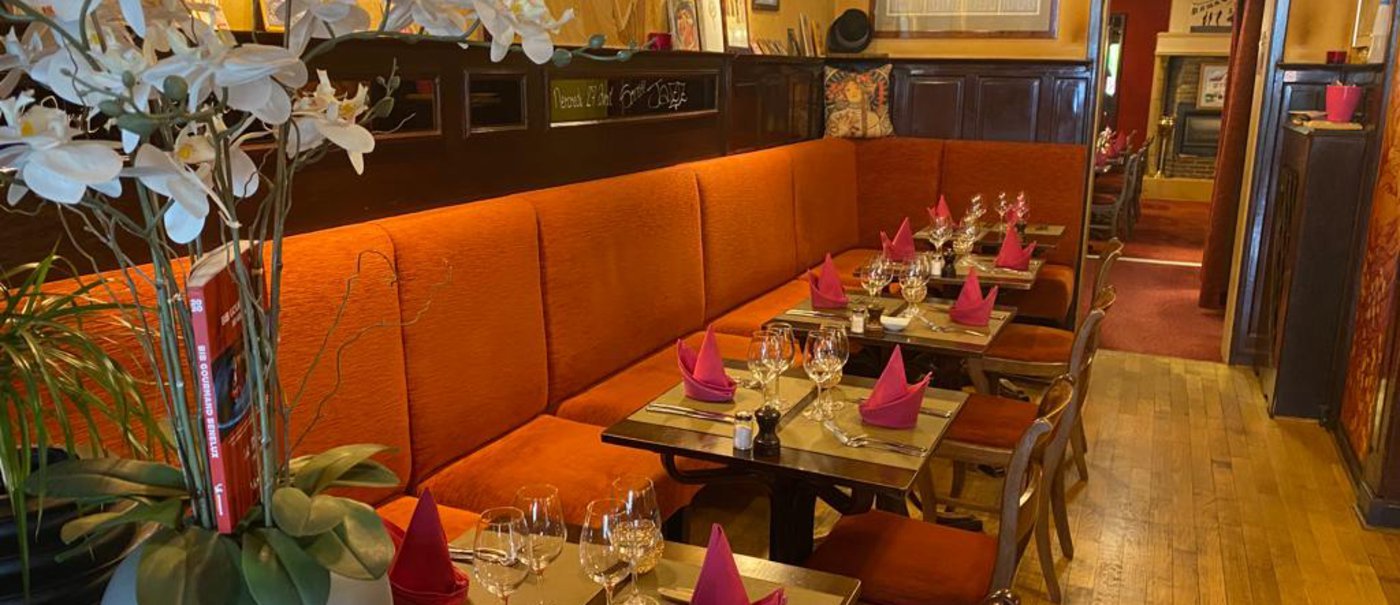
About Mucha
Mucha sits on Avenue Jules du Jardin in Sint Pieters Woluwe, one of Brussels' quieter residential communes where the dining scene rewards attention over footfall. The address places it within a neighbourhood cluster that includes [CoinCoin](https://www.enprimeurclub.com/restaurants/coincoin-sint-pieters-woluwe-restaurant) and [Eclat Cacao](https://www.enprimeurclub.com/restaurants/eclat-cacao-sint-pieters-woluwe-restaurant), a pocket of Sint Pieters Woluwe that has developed a consistent appetite for considered, local dining.
Avenue Jules du Jardin and the Sint Pieters Woluwe Dining Shift
Sint Pieters Woluwe rarely appears in the shortlists that dominate Brussels dining coverage. That is partly geography: the commune sits east of the ring, away from the Ixelles bistro density and the Sablon restaurant cluster that attract most editorial attention. But neighbourhood dining in the capital's outer communes has been quietly consolidating around a different model, one where proximity to residential life and access to local producers matter more than visibility from the tourist circuit. Mucha, addressed at Av. Jules du Jardin 23 in 1150 Woluwe-Saint-Pierre, sits inside that pattern.
The avenue itself is typical Sint Pieters Woluwe: wide, tree-lined, the kind of street where restaurants serve the neighbourhood rather than draw from it. Walking the block, you pass the quiet domesticity that defines this part of the commune, and that context shapes what dining here tends to mean. The venues that have held ground in this area, including Gueuleton and L'Auberge des Maïeurs, share a common logic: they are built for return visits, not discovery moments.
Ingredient Sourcing as a Structural Choice
Across Belgium's more thoughtful mid-range and upper-mid-range dining rooms, the sourcing question has moved from marketing talking point to structural decision. Whether a kitchen is pulling from Belgian short-supply chains, working with specific market vendors, or maintaining direct relationships with small-scale producers, those choices now define the texture of a meal as much as technique does. Belgium is positioned to make this model work: the country's agricultural zones, from Walloon vegetable farms to North Sea coastal suppliers, put a kitchen like Mucha's within reach of genuinely seasonal, traceable produce without the logistical complexity that undermines sourcing claims in larger cities.
That matters comparatively. At the leading end of the Belgian scene, venues like Hof van Cleve in Kruishoutem, Boury in Roeselare, and Zilte in Antwerp have made provenance central to their identity at a Michelin-recognised level. Further down the price register, the more interesting question is whether that discipline holds. A neighbourhood address in Woluwe-Saint-Pierre, with the infrastructure costs that come with running a full dining room, creates real pressure to maintain sourcing standards without the price ceiling that a tasting menu format provides.
Mucha's address in this context reads as a deliberate positioning: neighbourhood scale, neighbourhood prices implied by the local competitive set, with the sourcing expectation that Brussels diners in this commune have come to read as a signal of seriousness. Peer venues in Sint Pieters Woluwe, including Fernand Obb Delicatessen and Eclat Cacao, each occupy a distinct niche within that same sourcing-aware register.
Where Mucha Sits in the Brussels Dining Map
Brussels dining has a layered structure that does not always map cleanly onto arrondissement lines. The headline addresses, places like Bozar Restaurant in Brussels, anchor the centre. But the commune-level dining fabric, spread across Ixelles, Etterbeek, Auderghem, and Woluwe-Saint-Pierre, supports a different kind of kitchen: lower key, serving regulars, reliant on word of mouth rather than awards cycles. That circuit is, for many Brussels residents, where they actually eat week to week.
Sint Pieters Woluwe specifically has developed a restaurant cluster that punches modestly but consistently. The full Sint Pieters Woluwe restaurants guide maps the breadth of that offer. Within it, Mucha occupies the Av. Jules du Jardin node, alongside CoinCoin, a neighbouring address that points toward the cluster logic: complementary rather than competing, differentiated by format or cuisine type, collectively making the street a destination for the immediate catchment.
Beyond Brussels, the Belgian restaurant scene at its upper tier provides a useful reference frame for understanding what disciplined provincial dining looks like. Willem Hiele in Oudenburg, Bartholomeus in Heist, and Castor in Beveren each demonstrate how Belgian kitchens operating outside the capital can sustain strong sourcing and technique credentials. The Brussels commune format is different in scale, but the underlying discipline, treating proximity to producers as a structural asset rather than a branding exercise, is the same instinct.
For international comparison, the contrast with a venue like Le Bernardin in New York City or Atomix in New York City illustrates the scale difference: both operate at the high end of global dining with sourcing programmes that require dedicated supply chain infrastructure. A neighbourhood address in Sint Pieters Woluwe is working with entirely different constraints and a different relationship to its audience, one built on frequency and familiarity rather than occasion dining.
Walloon peers like d'Eugénie à Emilie in Baudour and L'air du temps in Liernu, along with Flemish kitchens such as De Jonkman in Sint-Kruis, round out a picture of Belgian dining that treats sourcing rigour as a baseline rather than a differentiator at even the commune level.
Planning a Visit
Av. Jules du Jardin 23 is accessible by tram from central Brussels, with Sint Pieters Woluwe's residential grid making the walk from the nearest stop direct. Given the neighbourhood dining format, early evening slots during the week tend to be more available than weekend service, when local regulars book ahead. Specific hours, booking method, and current pricing are not confirmed in available data; contacting the venue directly before visiting is the reliable approach. Dress code expectations at this kind of address are typically in line with Brussels' general smart-casual norm for neighbourhood restaurants.
Frequently Asked Questions
Is Mucha okay with children?
Sint Pieters Woluwe is a family-oriented commune, and neighbourhood restaurants in this part of Brussels generally accommodate children without issue. That said, the dining format and atmosphere at any given address affects how comfortable the experience is in practice. If a relaxed, local-bistro atmosphere is what you are reading into Mucha's positioning, that typically means children are fine; if the format leans toward a quieter, longer sitting, a weekday early slot is the safer call. Confirming with the venue directly before booking is always worth doing, particularly at smaller addresses where seating is limited.
What's the vibe at Mucha?
The street address and commune context point toward a neighbourhood dining room rather than a destination restaurant. Sint Pieters Woluwe's restaurant scene has a consistent register: lower-key than the Ixelles bistro circuit, geared toward regulars, with a pace that suits a two-hour dinner rather than a quick turn. At this price tier and city-area positioning, expect a room that feels familiar to the people in it, which in practice means a lower ambient noise level and a service dynamic built on recognition rather than theatre.
What do people recommend at Mucha?
Without confirmed menu data or sourced dish-level detail available, specific recommendations cannot be responsibly named here. What the cuisine context and neighbourhood positioning suggest is a kitchen oriented toward seasonal, market-driven plates rather than a fixed signature format. For dish-level intelligence, the most reliable approach is checking current reviews on Google or a Belgian dining platform immediately before your visit, since a sourcing-led menu changes with the market.
Does Mucha's location in Sint Pieters Woluwe affect how it compares to central Brussels restaurant options?
The commune address is a meaningful variable. Sint Pieters Woluwe sits outside the density of the Ixelles and Sablon dining clusters, which means Mucha is not competing for the same walk-in traffic or tourist audience as central Brussels addresses. That positions it in a local-first market where consistency and neighbourhood trust matter more than awards recognition, a different competitive logic than you would apply to, say, a Bozar-adjacent room. For visitors, the trade-off is a slightly longer transit from the centre in exchange for a dining room operating at a neighbourhood rather than occasion-dining pitch.
Related editorial
- Best Fine Dining Restaurants in ParisFrom three-Michelin-star icons to the next generation of Parisian chefs pushing boundaries, these are the restaurants that define fine dining in the world's culinary capital.
- Best Luxury Hotels in RomeFrom rooftop terraces overlooking ancient ruins to Michelin-starred hotel dining, these are the luxury hotels that make Rome unforgettable.
- Best Cocktail Bars in KyotoFrom sleek lounges to hidden speakeasies, Kyoto's cocktail scene blends Japanese precision with global influence in ways you won't find anywhere else.
Save or rate Mucha on Pearl
Keep this venue in your Pearl passport, rate it after you visit, and track it alongside every other place you collect.