
Restaurant in Osaka Shi, Japan
Moeyo Mensuke Ramen
100ptsFukushima Counter Ritual
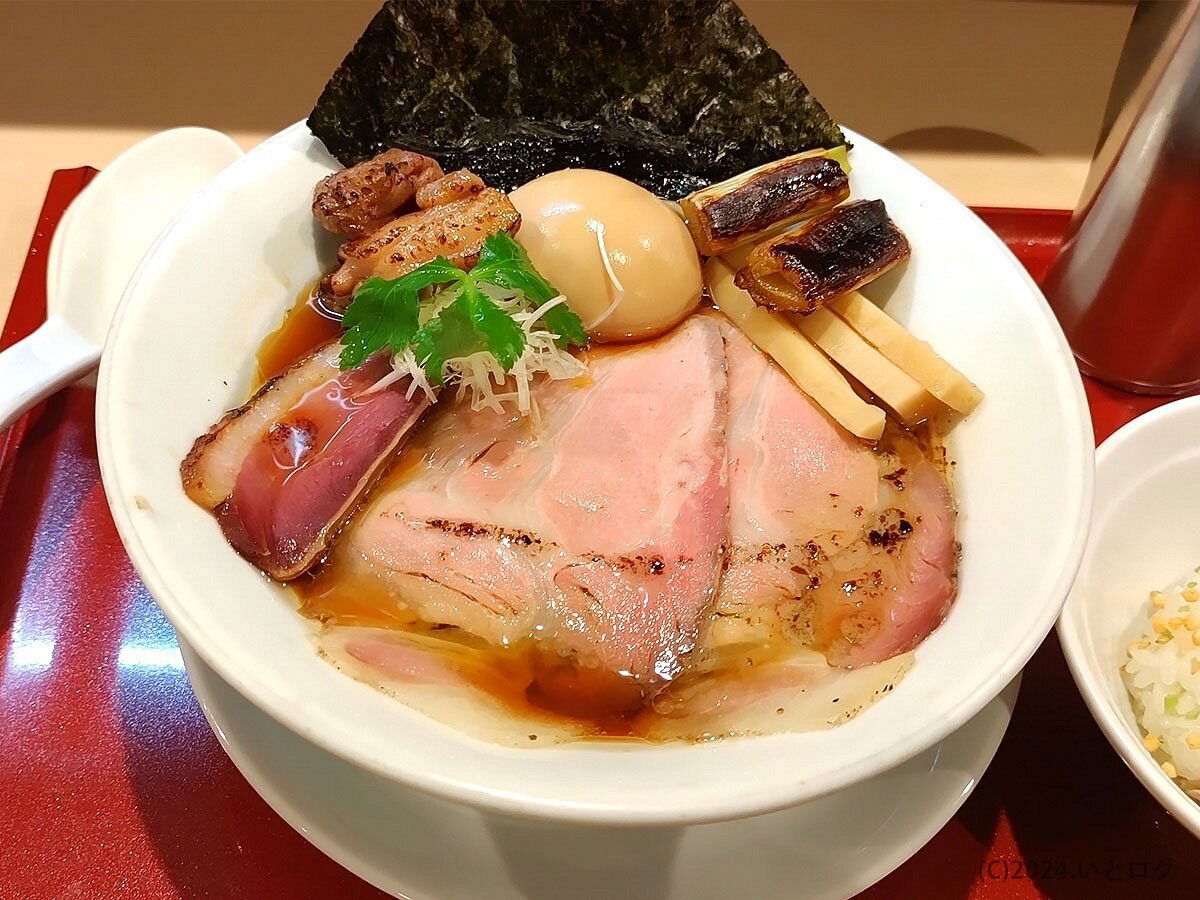
About Moeyo Mensuke Ramen
Moeyo Mensuke Ramen operates out of Fukushima Ward, one of Osaka's quieter but increasingly food-serious neighbourhoods. In a city where ramen sits alongside takoyaki and kushikatsu as daily ritual, Fukushima offers a different cadence from the Dotonbori circuit. Expect a focused counter format consistent with how Osaka approaches its best bowl-and-chopstick institutions.
Fukushima Ward and the Ramen Counter as Daily Ritual
In Osaka, the ramen counter is not a destination so much as a habit. The city's eating culture runs on proximity and repetition: a familiar shop, a regular order, a bowl that arrives before you have fully settled onto your stool. Moeyo Mensuke Ramen sits in Fukushima Ward at 5 Chome-12-21 Fukushima, a neighbourhood that has quietly built a serious food reputation without the tourist volume of Shinsaibashi or the spectacle of Dotonbori. That address matters. Fukushima is where Osaka residents eat, not where they perform eating for visitors.
The ramen counter as a format carries its own set of customs in this city. You enter, you read the menu quickly, you order with minimal deliberation. The assumption is that you already know what you want, or that the person behind the counter will steer you right if you hesitate. Pacing is brisk without being rushed. Slurping is expected, not forgiven. The bowl is the focal point and the conversation, if any, stays brief. At venues like Moeyo Mensuke, this ritual is not a performance of authenticity but a functional mode of operation that Osaka eating has always favoured. For context on how the city's dining spectrum runs from this kind of focused counter all the way to kaiseki or French fine dining, our full Osaka Shi restaurants guide maps the range.
The Fukushima Eating Neighbourhood
Fukushima Ward sits just west of Umeda, separated from the main commercial hub by the Dojima River. Over the past decade, the area has drawn a concentration of chef-driven small restaurants, specialist bars, and counter-format spots that attract a local professional crowd rather than day-tripping visitors. It is the kind of neighbourhood where the quality-to-noise ratio runs in the diner's favour. Ramen shops here tend to operate inside that same logic: less signage, shorter hours, a dependable bowl made with conviction.
Osaka's ramen scene differs from Tokyo's in ways that matter. While Tokyo became the testing ground for hyper-specialised broth categories and Instagram-legible bowls, Osaka maintained a stronger attachment to kotteri (rich, heavier) styles, particularly chicken-based white broths and pork-forward tonkotsu variants, without the baroque layering that some Tokyo shops favour. Shoyu-leaning styles also appear in Osaka, but the city's palate generally runs richer and saltier than the capital's. This is a population that grew up eating kushikatsu and takoyaki and brings those flavour preferences to the ramen counter.
How a Ramen Sitting Unfolds
The customs of eating ramen in Japan are worth understanding before you arrive. Ticket machines at the entrance remain common at established shops, where you select and pay before sitting. This system compresses the transactional part of the meal so the bowl can arrive quickly and you can focus on eating while everything is at the right temperature. At counter-format ramen shops, seats often face the kitchen, giving diners a direct line of sight to preparation, though conversation with the staff is not a feature of the format the way it might be at a sushi counter.
Ramen is eaten hot and fast. The broth continues to cook the noodles as it sits, so the accepted approach is to eat without pausing for photos or lengthy conversation. Regulars lift the bowl for the final broth at the end. Variations in topping combinations are often the primary form of personalisation: the number of chashu slices, noodle firmness on request, extra fat or green onion. These small adjustments are where regular customers signal their familiarity with a shop, and they are the closest thing the format has to a diner-chef dialogue. Compare this to the very different pace and protocol at a kaiseki table like Ajikitcho Bunbuan in Osaka, or the studied omakase progression you find at Harutaka in Tokyo.
Where Ramen Sits in Osaka's Dining Hierarchy
Osaka is not primarily a ramen city. Its culinary identity runs through konamon (flour-based dishes), offal culture, and the deep street-food tradition concentrated around Dotonbori and Shinsekai. But ramen occupies a specific daily-meal position that higher-format restaurants cannot fill. It is what you eat after a long train commute, before a late shift, or on a weeknight when the decision-making budget is low. That social function is inseparable from the format's appeal.
Within that frame, neighbourhood ramen shops in areas like Fukushima often develop a loyalty that more celebrated restaurants do not, because the repeat-visit frequency is simply higher. A diner might visit a kaiseki restaurant twice a year; they might visit their local ramen counter twice a week. The cumulative relationship between a shop and its regulars is different in kind, not just degree. For a sense of how Osaka's broader restaurant spectrum is mapped across formats and neighbourhoods, venues like Ajihei Sonezaki, Aka to Shiro, and Calendrier each represent a different point on that range. Further afield, Gion Sasaki in Kyoto and akordu in Nara illustrate how the Kansai region more broadly handles the middle and upper tiers of dining, formats that operate at a completely different tempo from the ramen counter.
Planning Your Visit
Fukushima Ward is direct to reach from Osaka-Umeda station on several lines, and the short walk from Fukushima Station on the JR Osaka Loop Line puts the neighbourhood's restaurant cluster within easy reach. Ramen shops in this format typically open for lunch and a dinner service with fixed closing times, and many sell out of broth before the posted closing hour. Arriving within the first thirty minutes of a service is advisable at shops with a strong local following. No reservations apply at this category of venue; the queue, if there is one, moves quickly given the format's pace. For dining in the same general area with a higher level of advance planning required, Az and HAJIME in Osaka sit at the other end of the booking and planning spectrum. Across Japan more broadly, reference points at very different formats include Goh in Fukuoka, Abon in Ashiya, affetto akita in Akita, Aji Arai in Oita, Ajidocoro in Yubari District, and Akakichi in Imabari. Internationally, the contrast with tasting-menu formats such as Le Bernardin in New York City or Lazy Bear in San Francisco underlines just how different the ramen counter's pace and purpose really are.
Frequently Asked Questions
- Is Moeyo Mensuke Ramen child-friendly?
- Ramen counters in Osaka generally accommodate children, and at Fukushima Ward price points the financial commitment is low enough to make it a practical family stop.
- Is Moeyo Mensuke Ramen better for a quiet night or a lively one?
- Ramen counters in Osaka run on focused efficiency rather than atmosphere in the conventional sense. Fukushima Ward's restaurant scene leans toward the quieter, local-professional end compared to the high-energy corridors of Dotonbori, and no awards profile signals this as a high-volume destination; expect a functional, convivial hum rather than a loud evening out.
- What do regulars order at Moeyo Mensuke Ramen?
- Specific menu items are not confirmed in available data, but in Osaka's ramen culture regulars typically gravitate toward the house broth in its standard form, with incremental topping adjustments, such as extra chashu or adjusted noodle firmness, that accumulate into a personal order over repeat visits. The cuisine tradition here favours rich, savoury profiles consistent with the city's broader palate.
- Does Moeyo Mensuke Ramen suit a solo diner visiting Osaka for the first time?
- Counter-format ramen shops are among the most solo-diner-friendly venues in Japan, with single seats at the counter the default configuration and no social expectation around table-sharing or extended conversation. Fukushima Ward is a short trip from the main Umeda transport hub, making Moeyo Mensuke a practical option for a visitor who wants to experience neighbourhood ramen culture away from the more concentrated tourist circuit around Dotonbori.
Related editorial
- Best Fine Dining Restaurants in ParisFrom three-Michelin-star icons to the next generation of Parisian chefs pushing boundaries, these are the restaurants that define fine dining in the world's culinary capital.
- Best Luxury Hotels in RomeFrom rooftop terraces overlooking ancient ruins to Michelin-starred hotel dining, these are the luxury hotels that make Rome unforgettable.
- Best Cocktail Bars in KyotoFrom sleek lounges to hidden speakeasies, Kyoto's cocktail scene blends Japanese precision with global influence in ways you won't find anywhere else.
Save or rate Moeyo Mensuke Ramen on Pearl
Keep this venue in your Pearl passport, rate it after you visit, and track it alongside every other place you collect.