
Restaurant in Doraville, United States
Mamak
100ptsBuford Highway Hawker
About Mamak
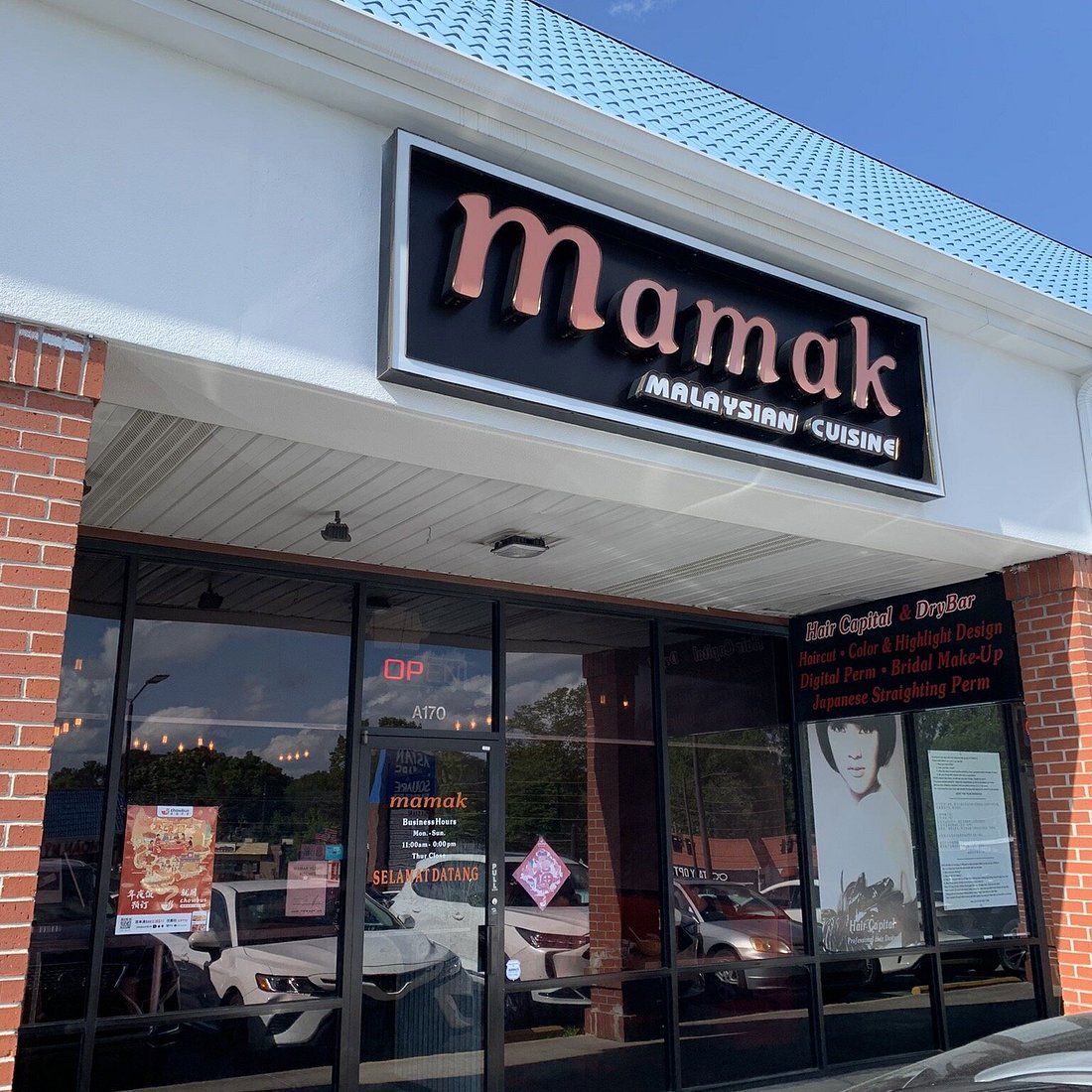
Mamak occupies a strip-mall address on Buford Highway in Doraville, the stretch of metro Atlanta that functions as the region's most concentrated corridor of immigrant-run kitchens. The name points toward Malaysian hawker tradition, placing it inside a dining corridor where Chinese, Korean, and Latin American cuisines compete for the same weeknight table. For Southeast Asian cooking in this zip code, options are genuinely sparse, which gives Mamak an outsized role in the neighbourhood's food map.
Buford Highway and the Doraville Dining Corridor
Buford Highway does not announce itself with much fanfare. The six-lane arterial that runs northeast out of Atlanta through Doraville and into Chamblee is ringed by strip malls, parking lots, and hand-painted signage in a dozen scripts. But for decades it has functioned as metro Atlanta's most reliable address for immigrant-driven cooking, a corridor where Sichuan peppercorns, Korean barbecue smoke, and fresh tortillas compete for the same lunch crowd. Mamak sits along this stretch, in the Buford Highway Farmers Market plaza at 5150 Buford Hwy NE, and its presence signals something specific about how Southeast Asian cuisine fits into Doraville's broader culinary order.
The name itself is a marker. In Malaysia, a mamak is an Indian-Muslim hawker stall or coffeehouse, typically open long hours, serving roti canai, teh tarik, nasi lemak, and char kway teow to a mixed crowd of workers, students, and night-owl regulars. The format is deliberately unpretentious: communal tables, fluorescent light, food built for repetition and consistency rather than occasion. Transplanting that tradition to a strip-mall anchor in suburban Georgia is not a compromise so much as a faithful translation of what the mamak format actually is. It was never a white-tablecloth proposition.
Where Mamak Sits in Doraville's Dining Order
Doraville's dining scene does not organize itself by cuisine the way a formal food district might. It organizes by community, and the result is an unusually dense cluster of specialist kitchens operating within a few square miles. Korean restaurants like Hae Woon Dae hold significant ground on this corridor, joined by Chinese dining rooms such as Bo Bo Garden and Man Chun Hong, and by Mexican counters like El Rey Del Taco. American formats also hold a place, including Baldinos Giant Jersey Subs. Southeast Asian cooking, by contrast, is thinner on the ground, which places Mamak in an underrepresented tier within an already specialist corridor.
That positioning matters for readers trying to map the area. The Buford Highway strip rewards visitors who treat it as a full afternoon or evening itinerary rather than a single-stop destination. The concentration of distinct culinary traditions within walkable proximity — or at most a short drive — makes the corridor function as a loose dining district even without formal coordination. Mamak contributes Malaysian-influenced hawker cooking to that mix, a register that sits apart from both the Korean barbecue houses and the Cantonese seafood operations that anchor neighbouring blocks.
The Hawker Tradition and What It Means at the Table
Malaysian hawker cooking emerged from a specific geography of cultural exchange. The Malay Peninsula has historically absorbed culinary influence from southern India, southern China, and the indigenous Malay tradition itself, and the mamak format is where Indian-Muslim and Chinese-Malay cooking most visibly converge. Dishes associated with the hawker register , roti canai served with dal or curry dipping sauces, char kway teow stir-fried with egg and bean sprouts over high heat, laksa built from coconut milk and dried shrimp paste , are calibrated for speed, flavour intensity, and price accessibility rather than elaborate plating.
That culinary logic runs counter to the direction American fine dining has moved. At the other end of the American restaurant spectrum, tasting-menu formats at places like Alinea in Chicago, The French Laundry in Napa, or Le Bernardin in New York City represent one end of the hospitality spectrum, while Lazy Bear in San Francisco, Providence in Los Angeles, and Blue Hill at Stone Barns in Tarrytown push toward farm-driven or concept-led experiences. Internationally, restaurants like Atomix in New York City and 8½ Otto e Mezzo Bombana in Hong Kong signal how far formal dining has extended its ambitions. The hawker model runs in the opposite direction: it derives authority from repetition and accessibility rather than from scarcity and ceremony. Venues like Single Thread Farm in Healdsburg, Emeril's in New Orleans, Addison in San Diego, and The Inn at Little Washington in Washington represent an entirely different hospitality register. Mamak does not compete in that sphere and makes no pretension toward it.
Planning a Visit to Mamak
The address , 5150 Buford Hwy NE, Suite A-170, Doraville, GA 30340 , sits within a large commercial plaza that shares space with the Buford Highway Farmers Market, itself a destination for Southeast Asian, Latin American, and Eastern European grocery items. Visiting Mamak and combining it with a pass through the market is a natural pairing, and the proximity makes the plaza an efficient stop for anyone making a dedicated Buford Highway run. Parking is strip-mall abundant, which removes one of the friction points that suburban Atlanta dining corridors sometimes impose.
Current hours, phone contact, and online booking details are not available in this record; checking directly with the venue before visiting is advisable, particularly for weekend lunch hours when Buford Highway restaurants can draw fuller crowds from across the Atlanta metro. Walk-in format is consistent with the mamak tradition globally, where queuing at the counter or taking a free table is the standard interaction model rather than advance reservation. That said, conditions on the ground may vary, and confirming directly is the reliable approach. Our full Doraville restaurants guide covers the wider corridor and can help structure a longer visit.
Frequently Asked Questions about Mamak
What should I eat at Mamak?
Malaysian hawker menus typically anchor around a set of high-rotation dishes: roti canai with curry dipping sauce, nasi lemak with sambal and fried accompaniments, char kway teow, and laksa in its various regional forms. Without confirmed menu data for this specific location, the reliable approach is to look for those core items on arrival, as they define the mamak format across both Malaysia and its diaspora kitchens. Dishes in this register are built for bold flavour and fast preparation rather than elaborate presentation.
Do I need a reservation for Mamak?
The mamak format globally operates on a walk-in basis, and that is consistent with the Doraville strip-mall context. If you are visiting on a weekend or during peak lunch hours on Buford Highway, arriving early in the service period reduces wait time. Confirmed booking policy details are not available in this record, so contacting the venue directly before a first visit is the practical step, particularly if visiting with a larger group.
What has Mamak built its reputation on?
Mamak's positioning on Buford Highway places it as one of the few Southeast Asian kitchens operating in a corridor dominated by Korean, Chinese, and Latin American cuisines. Its reputation within the Doraville dining corridor rests on filling a specific gap: Malaysian-inflected hawker cooking in a stretch of metro Atlanta where that tradition has limited competition. The mamak format itself carries decades of cross-cultural culinary layering from the Malay Peninsula, which gives the kitchen a defined culinary identity regardless of scale or formality.
Is Mamak allergy-friendly?
Malaysian hawker cooking frequently involves peanuts, shellfish, gluten, and dairy-adjacent ingredients such as coconut milk, all of which are common allergen concerns. Without confirmed menu or allergen documentation for this location, readers with dietary restrictions should contact the venue directly before visiting. Phone and website details are not available in this record; visiting in person during a quieter service period to speak with staff is the most reliable option for allergy-specific queries.
Is Mamak good value for money?
The mamak format is structurally a value-oriented dining category. In its home context in Malaysia, hawker cooking occupies the accessible end of the price spectrum, and that orientation tends to carry through to diaspora versions in the United States. Buford Highway as a corridor consistently offers some of metro Atlanta's most price-competitive specialist cooking, and Mamak's positioning within that strip fits the broader pattern. Confirmed pricing is not available in this record, but the format and location together indicate a casual, accessible price tier.
Is Mamak a good option for exploring Malaysian food for the first time in the Atlanta area?
For visitors unfamiliar with Malaysian hawker cooking, the Buford Highway location places Mamak inside a broader corridor that rewards exploratory eating across multiple cuisines in a single outing. The mamak format is an accessible entry point: dishes are designed for broad appeal, prices in the category tend toward the modest end, and the cooking draws on Chinese-Malay and Indian-Muslim culinary traditions that produce recognizable flavour profiles for anyone familiar with either cuisine. Combining a visit with the adjacent Buford Highway Farmers Market adds further context for the ingredients and regional foodways that underpin the menu.
Related editorial
- Asia's 50 Best Restaurants 2026: The Chairman and Wing Go 1-2 from the Same BuildingThe Chairman takes No. 1 and Wing climbs to No. 2 at Asia's 50 Best Restaurants 2026. Both operate from the same Hong Kong building. Here's what it means.
- Four Seasons Yachts Debut: 95 Suites, 11 Restaurants, and a March 2026 Maiden VoyageFour Seasons I launches March 20, 2026, with 95 suites, a one-to-one staff ratio, and 11 onboard restaurants. Worth tracking if you want hotel-grade service at sea.
- LA Michelin Guide 2026: Seven New Restaurants from Tlayudas to Uzbek DumplingsMichelin's March 2026 California Guide update adds six LA restaurants and one Montecito newcomer, spanning Oaxacan tlayudas, Uzbek manti, and Korean-Italian pasta.
Save or rate Mamak on Pearl
Keep this venue in your Pearl passport, rate it after you visit, and track it alongside every other place you collect.