
Restaurant in Ciudad De Guatemala, Guatemala
Luka
100ptsZone 10 Market Cooking
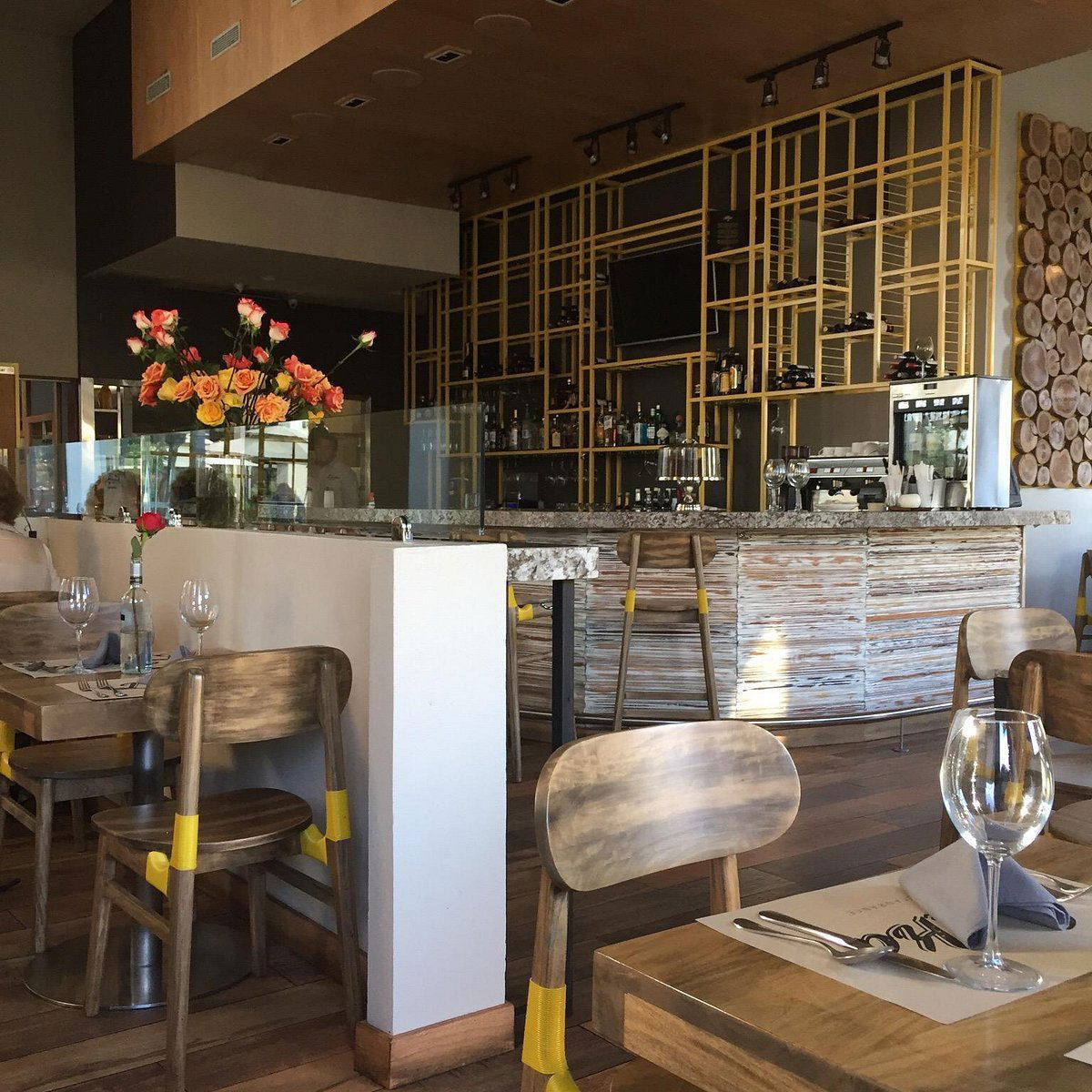
About Luka
Luka occupies a polished address inside Edificio Zenit in Guatemala City's Zone 10, placing it within the corridor where the capital's more considered dining options tend to concentrate. The kitchen works within a broader regional shift toward ingredient-led cooking, where provenance matters as much as technique. For visitors mapping Guatemala City's table, Luka is a reference point worth holding.
Zone 10 and the Logic of Guatemala City's Dining Corridor
Guatemala City's serious restaurants cluster with unusual consistency in Zone 10 and the streets immediately surrounding it. This is not accidental: the neighbourhood carries the commercial density, the international foot traffic, and the spending capacity that allow kitchens to source at a level that shows up on the plate. Luka, addressed inside the Edificio Zenit on 9A Avenida, sits within that corridor, which places it in a particular competitive conversation — one where the expectations around produce quality, room design, and service register are meaningfully higher than elsewhere in the capital.
The building itself frames the arrival. Zenit is a composed commercial development rather than a street-level walk-in, which immediately signals something about the clientele Luka is built for. That physical context does a kind of editorial work before the menu appears: you are entering a space conceived for a specific level of occasion, not a neighbourhood drop-in.
For an orientation across the full capital dining map, our full Ciudad De Guatemala restaurants guide positions Luka relative to the broader range of options across the city's zones.
Ingredient Sourcing in a Country Where the Produce Is the Story
Guatemala's agricultural range is, by any honest reckoning, one of the most varied in Central America. The country moves from Pacific lowlands through volcanic mid-altitude zones and into the cool highlands of the Cuchumatanes, producing ingredients that span tropical fruit, highland corn varieties, specialty coffee, cacao, and some of the most distinctive chiles in the region. For a kitchen that pays attention, this is not a background condition — it is the operational premise.
The restaurants in Guatemala City that have begun to distinguish themselves over the last several years share a common orientation: they source from named regional producers, they rotate by availability rather than locking menus into annual cycles, and they treat Guatemalan ingredient identity as a credential rather than a constraint. This is a departure from an earlier period when the capital's aspirational dining rooms looked outward , toward European technique and imported produce , as a signal of seriousness. The direction has reversed, and the kitchens tracking that reversal most deliberately are the ones building credibility with both local and international diners.
Luka operates within this context. The address in Zone 10 positions it for the clientele willing to pay for provenance, and the broader momentum in Guatemala City's dining conversation is toward exactly that kind of offer. How completely any individual kitchen executes on that promise depends on supplier relationships, seasonal discipline, and the specific decisions made at the sourcing level , details that reveal themselves over time and across multiple visits.
Comparisons to destination-level ingredient-driven restaurants elsewhere in the hemisphere , places like Lazy Bear in San Francisco or Atomix in New York City , make clear how much work the sourcing layer does in establishing a restaurant's identity. The technique can be learned; the supplier relationships and the seasonal intelligence take years to build.
How Luka Sits in the Regional Picture
Guatemala City does not yet attract the same volume of international food-press attention as, say, Mexico City or Lima, but the trajectory is observable. A set of kitchens has emerged over the last decade that operates at a level of seriousness comparable to the more documented scenes further north and south. The regional circuit now includes Antigua , where venues like Kombu Ramen and Fridas represent different registers of the dining offer , as well as the lake district, where Casa Palopó in Santa Catarina Palopó has built a Guatemalan fusion offer with a particular design identity.
Within the capital itself, the competitive set for a Zone 10 address like Luka includes Clio's in Guatemala City, which operates in a similar tier of occasion dining. Further afield in the Guatemalan territory, Restaurante La Danta in Flores and Pacaya in San Vicente Pacaya show how regional identity gets expressed at different price points and contexts. Even Pappy's BBQ in La Antigua and Restaurant Don Carlos in Mazatenango are part of the broader map of where Guatemalan dining energy is distributed.
At the furthest end of the international reference frame, the kitchens that have most thoroughly integrated sourcing identity into their critical reputation , Le Bernardin in New York City, Alain Ducasse at Louis XV in Monte Carlo, 8½ Otto e Mezzo Bombana in Hong Kong, Alléno Paris at Pavillon Ledoyen, Amber in Hong Kong, Alinea in Chicago, and Emeril's in New Orleans , illustrate that the standard for ingredient-driven seriousness is set by decisions made long before service begins.
Planning Your Visit
Luka is located at Edificio Zenit, 9A Avenida 19-61, Guatemala City 01010. Zone 10 is accessible from both the city's main hotel corridor and Zona Viva, and the Edificio Zenit address is findable by most navigation apps. Given the building format, confirm reservation status and current hours directly with the venue before arriving, as the commercial building context means access may be structured differently than a street-facing restaurant. Guatemala City's Zone 10 dining tends to peak at weekends and around public holidays, so advance planning is worth it if your visit coincides with those windows.
Frequently Asked Questions
- Is Luka okay with children?
- Given the Zone 10 address and the occasion-dining register that Edificio Zenit implies in Guatemala City, Luka skews toward adult diners rather than family groups , though nothing in the available data formally excludes younger guests.
- What's the overall feel of Luka?
- Luka sits in Guatemala City's Zone 10 dining corridor, a neighbourhood where the better-resourced kitchens tend to position themselves for occasion dining and international visitors. Without published awards data, the clearest signal of its register comes from its address in Edificio Zenit and its position within a city where that kind of address carries specific expectations around room quality and service.
- What's the must-try dish at Luka?
- Specific dish information is not available in the current record, which means any recommendation would be speculative. The broader logic of Guatemala City's ingredient-focused kitchens suggests that anything anchored in highland or volcanic-zone produce , seasonal corn, local cacao, regional chiles , is worth tracking on whatever the current menu offers. Confirming specifics with the restaurant directly before visiting is the most reliable approach.
- Should I book Luka in advance?
- If Luka operates at the occasion-dining tier implied by its Zone 10 address and Edificio Zenit location in Guatemala City, then advance booking is the sensible default, particularly on weekends. The capital's more composed dining rooms at this address level do not typically hold significant walk-in capacity, and arriving without a reservation in a building-format setting carries more risk than in a street-facing restaurant.
- How does Luka fit into a broader Guatemala City dining itinerary?
- Zone 10 functions as the anchor point for the capital's more structured dining, and Luka's address in Edificio Zenit places it within that cluster. Pairing a visit with other Zone 10 options , or extending the itinerary to Clio's for contrast , gives a useful read on where Guatemala City's kitchen ambitions currently sit. For visitors moving through the wider country, the regional picture includes Antigua, the lake district, and the volcanic corridor, each of which adds a different register to the Guatemalan dining argument.
Related editorial
- Asia's 50 Best Restaurants 2026: The Chairman and Wing Go 1-2 from the Same BuildingThe Chairman takes No. 1 and Wing climbs to No. 2 at Asia's 50 Best Restaurants 2026. Both operate from the same Hong Kong building. Here's what it means.
- Four Seasons Yachts Debut: 95 Suites, 11 Restaurants, and a March 2026 Maiden VoyageFour Seasons I launches March 20, 2026, with 95 suites, a one-to-one staff ratio, and 11 onboard restaurants. Worth tracking if you want hotel-grade service at sea.
- LA Michelin Guide 2026: Seven New Restaurants from Tlayudas to Uzbek DumplingsMichelin's March 2026 California Guide update adds six LA restaurants and one Montecito newcomer, spanning Oaxacan tlayudas, Uzbek manti, and Korean-Italian pasta.
Save or rate Luka on Pearl
Keep this venue in your Pearl passport, rate it after you visit, and track it alongside every other place you collect.