
Restaurant in Pl De Brouckere, Belgium
L'Arcadi
100ptsGrand-Place Proximity Dining
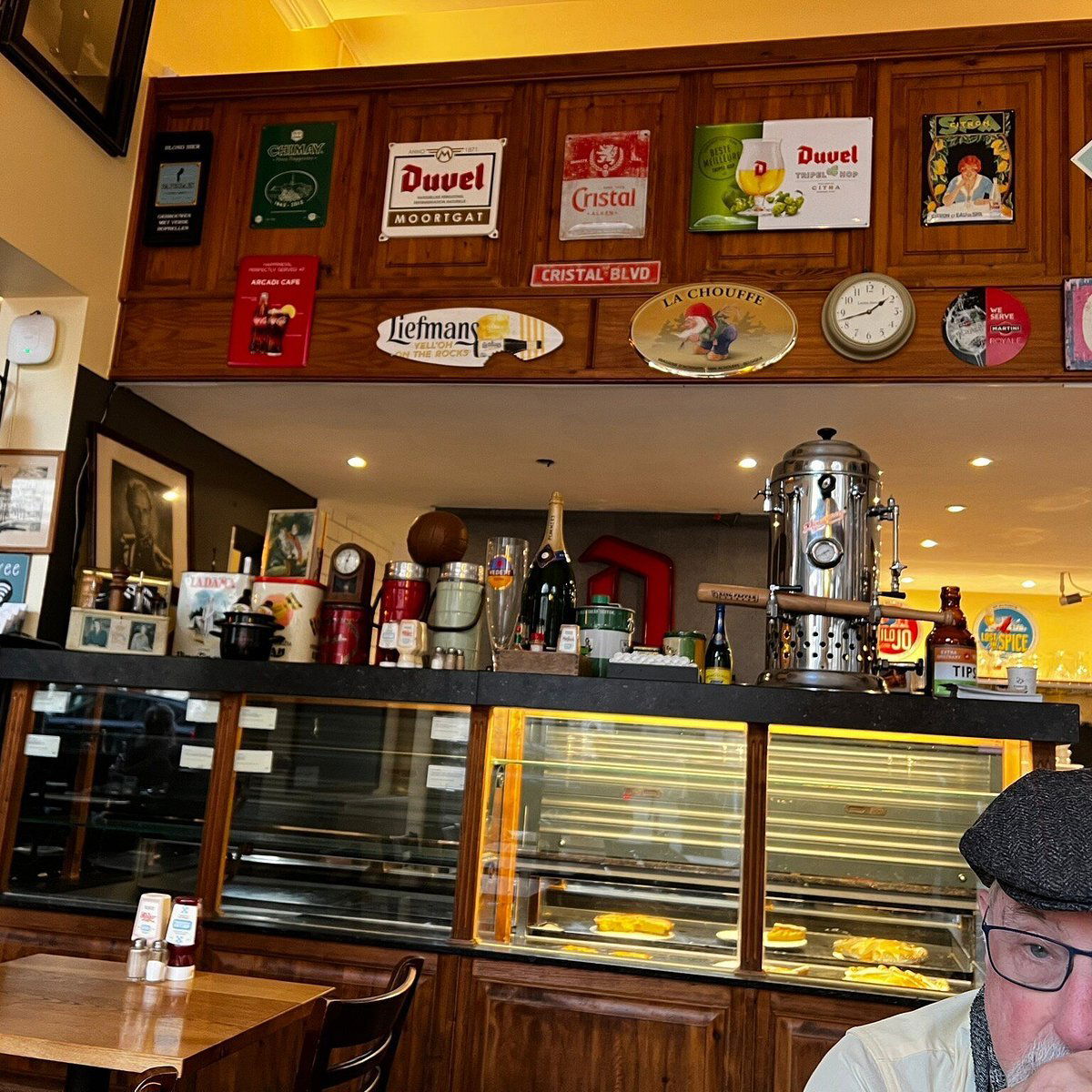
About L'Arcadi
On Rue d'Arenberg, just off the Place de Brouckère in central Brussels, L'Arcadi occupies a spot where the city's café culture and more considered dining traditions converge. The address places it within easy reach of the Grand-Place and the broader historic centre, situating it in a neighbourhood that rewards those who know where to slow down. A visit here is as much about the rhythm of a Brussels meal as it is about what arrives on the plate.
Where Brussels Slows Its Pace
The streets around Place de Brouckère carry a particular rhythm: tram lines cutting through broad avenues, the low hum of a city that treats its café terraces as civic infrastructure rather than afterthoughts. Rue d'Arenberg sits just off this axis, and the address of L'Arcadi at number 1B places it at the intersection of working Brussels and the quieter, more deliberate tempo that the city's dining culture has always valued. Walking in from the square, you move from the city's public bustle into something considerably more composed.
This part of central Brussels, within close reach of the Grand-Place, occupies a different register from the city's more contemporary dining districts. It is an area where the built fabric is older and heavier, where the interiors of restaurants often carry the accumulated character of decades rather than the visual language of a recent refit. That context shapes the expectation before a meal begins, and in Brussels, expectation is part of the dining ritual.
The Brussels Dining Ritual and What It Demands
Belgium's capital has never been a city that rushes a meal. Across the French-speaking tradition that dominates much of Brussels' serious dining, lunch and dinner carry structural weight: courses are sequenced with intention, service pacing is measured, and the expectation that you will remain at the table for two hours or more is treated as a given rather than an indulgence. This is not nostalgia for a slower era but a functional approach to eating that the city has maintained even as hospitality elsewhere has compressed into faster formats.
The neighbourhood around Place de Brouckère reflects this. Venues like Belga Queen operate at volume in grand historic interiors, while Karen Torosyan at Bozar Restaurant and Bozar Restaurant anchor a more considered tier of cooking in the immediate area. L'Arcadi sits within this neighbourhood fabric, drawing on the same expectation that a table in central Brussels carries with it a certain commitment of time and attention.
For a broader view of the area's options and how different venues position themselves across price and format, the full Pl De Brouckère restaurants guide maps the complete picture.
Positioning Within Belgium's Wider Fine Dining Context
Belgium punches well above its population in terms of Michelin-recognised kitchens per capita, and the range of serious cooking across the country sets a high baseline for any city-centre restaurant. The Flemish side of that equation includes kitchens such as Hof van Cleve in Kruishoutem, Boury in Roeselare, Zilte in Antwerp, and Willem Hiele in Oudenburg, all operating at the country's highest level of creative ambition. The French-speaking tradition, represented by places like d'Eugénie à Emilie in Baudour and Le Chalet de la Forêt in Uccle, applies comparable rigour within a different aesthetic register.
Other notable Belgian kitchens across the country include Vrijmoed in Gent, La Durée in Izegem, Cuchara in Lommel, Ralf Berendsen in Neerharen, De Jonkman in Sint-Kruis, and La Table de Maxime in Our. Against this national field, a Brussels city-centre address operates with specific advantages and specific constraints: accessibility and footfall are higher, but the competitive density of the immediate neighbourhood is also greater.
The comparison set within Brussels' central dining tier is instructive. The city's dining traditions split broadly between the grand-café format, the brasserie tradition rooted in Belgian and French cooking, and the newer wave of more technically focused kitchens. L'Arcadi's address places it in the first two categories' gravity, even if its specific offer occupies a different register.
What a Meal Here Asks of You
The etiquette of a Brussels meal is rarely stated but consistently observed. Arriving on time matters more than in some other European capitals, where the aperitivo stretch and late seating have softened the structure. In Brussels, the sequence of a meal has an internal logic: aperitif, bread, amuse, starter, main, cheese if available, dessert. Each transition is paced by service rather than rushed by the diner. The expectation is that you follow that rhythm rather than reorder it.
This is the tradition in which L'Arcadi operates, and the Rue d'Arenberg address is consistent with that register. The physical approach, moving from a major public square into a quieter street and then into an interior, mirrors the structural movement of the meal itself: from the public and general toward the particular and considered.
For readers accustomed to the more compressed formats of cities like New York or San Francisco, where kitchens such as Le Bernardin and Lazy Bear have developed their own distinct ritual structures, the Brussels pace requires a deliberate adjustment. The meal here is not a transaction but a scheduled interval in the day, and the city's dining culture expects you to treat it accordingly.
Planning Your Visit
L'Arcadi is located at Rue d'Arenberg 1B, 1000 Brussels, a short walk from Place de Brouckère and the Brouckère metro station on lines 1 and 5. The central position means arriving by public transport is practical from most parts of the city. As with many Brussels restaurants in the central historic tier, confirming hours and availability directly with the venue before visiting is advisable, particularly for weekend service when the area draws higher foot traffic from tourism concentrated around the Grand-Place, roughly three minutes on foot from the address.
Frequently Asked Questions
What's the must-try dish at L'Arcadi?
Specific dish recommendations for L'Arcadi are not available from verified sources at this time. The editorial advice for this category of Brussels dining, operating in the French-Belgian café and brasserie tradition in the historic centre, is to follow the kitchen's daily offer rather than arriving with a fixed order in mind. Seasonal menus in this tier of Belgian cooking change with supply, and the kitchen's judgment about what is at its leading on a given day is generally the most reliable guide. Ask your server what has arrived that week rather than defaulting to a fixed expectation.
Can I walk in to L'Arcadi?
The Rue d'Arenberg address is accessible on foot from Place de Brouckère and the surrounding central area. Whether walk-in dining is available without a reservation depends on the day and time: the neighbourhood sees high visitor density during peak tourist periods, particularly in summer and around public holidays, when the area near the Grand-Place draws significant foot traffic. Outside those peak windows, central Brussels restaurants in this tier are more accommodating of unplanned visits, but confirming availability by phone or in person before committing to a table is the safer approach.
Is L'Arcadi a good choice for a long, leisurely lunch in central Brussels?
The Rue d'Arenberg address, a short walk from Place de Brouckère and the Grand-Place, positions L'Arcadi squarely within Brussels' historic centre, where the city's tradition of extended, unhurried midday dining is most firmly embedded. Central Brussels restaurants in this location and register have historically served a clientele that treats lunch as a structured interval rather than a quick stop, and the surrounding neighbourhood supports that pace with its covered galleries and quieter side streets away from the main tourist flow. Visitors with a full afternoon available will find the location and format well suited to the longer rhythm that Brussels dining rewards.
Related editorial
- Best Fine Dining Restaurants in ParisFrom three-Michelin-star icons to the next generation of Parisian chefs pushing boundaries, these are the restaurants that define fine dining in the world's culinary capital.
- Best Luxury Hotels in RomeFrom rooftop terraces overlooking ancient ruins to Michelin-starred hotel dining, these are the luxury hotels that make Rome unforgettable.
- Best Cocktail Bars in KyotoFrom sleek lounges to hidden speakeasies, Kyoto's cocktail scene blends Japanese precision with global influence in ways you won't find anywhere else.
Save or rate L'Arcadi on Pearl
Keep this venue in your Pearl passport, rate it after you visit, and track it alongside every other place you collect.