
Restaurant in Taizhou, China
Lao Bian Jin jia
150ptsDongbei Heritage Cooking

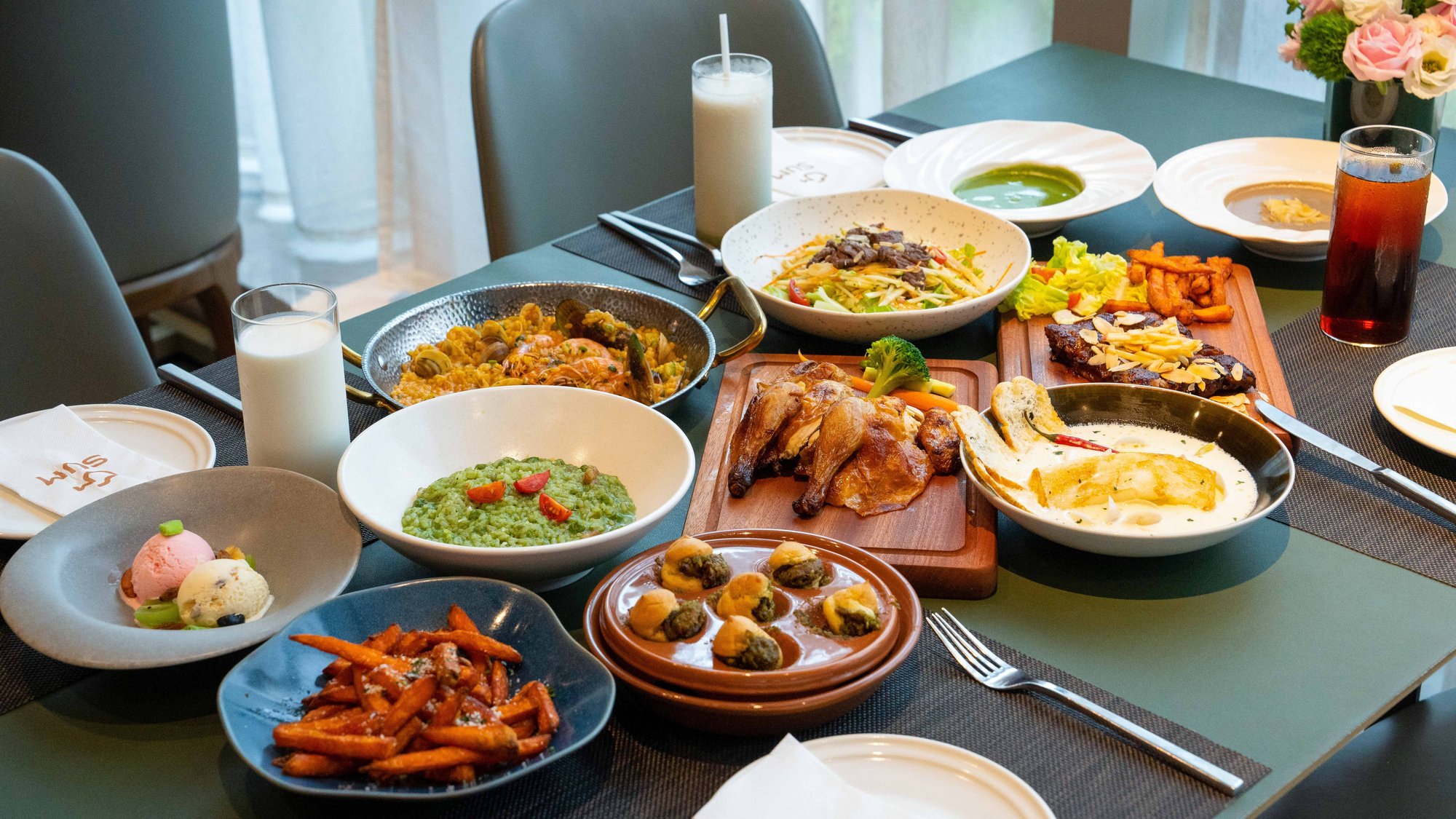
About Lao Bian Jin jia
Lao Bian Jin jia holds a Black Pearl 1 Diamond (2025), placing it among the recognised dining addresses in Shenyang's Dadong District at 77 Pangjiang Street. The restaurant draws on northeastern Chinese culinary tradition in a city where that heritage carries genuine weight. Advance planning is advisable given the award recognition.
Northeastern China's Table: What the Black Pearl Tells You About Shenyang Dining
Shenyang occupies a specific position in China's culinary geography that often gets flattened in broader national conversation. The city is the historic and commercial centre of Liaoning province, and its food culture carries the imprint of northeastern China (dongbei) cooking: flour-based staples, preserved and fermented vegetables, braised meats, and a directness of flavour that contrasts sharply with the delicacy-forward traditions of Jiangnan or the heat of Sichuan. When the Black Pearl Restaurant Guide — Meituan's independently judged dining authority — awards a Diamond rating in this city, it is validating a venue's standing within that tradition, not against an imported benchmark.
Lao Bian Jin jia, located at 77 Pangjiang Street in Dadong District, holds a Black Pearl 1 Diamond for 2025. That designation places it in recognisable company: across China, the Black Pearl programme judges on ingredient sourcing, kitchen consistency, and cultural authenticity as much as presentation or innovation. In Shenyang, where the dining establishment has historically been defined by communal, generous portions rather than tasting-menu architecture, a 1 Diamond award signals reliable quality at scale rather than rarefied minimalism.
Dongbei Cooking and Why This Cuisine Demands a Different Critical Frame
Understanding what Lao Bian Jin jia represents requires some grounding in what northeastern Chinese cooking actually is. Dongbei cuisine developed under conditions of harsh winters, agricultural rhythms shaped by sorghum and soybean cultivation, and a population history that blends Han Chinese, Manchu, Korean, and Mongolian influences. The results are a cuisine built for sustenance and sociability: dishes that travel well across a large table, flavours that hold up against the cold, and preparations that reflect centuries of fermenting, pickling, and smoking as preservation methods.
Jiaozi (dumplings) are perhaps the most internationally recognised element of this tradition, but the category runs deep. Regional variations in filling ratios, wrapper thickness, and cooking method (boiled, pan-fried, steamed) carry real meaning to local diners. Stewed pork with vermicelli, pickled cabbage hot pot, and corn-based staples round out the table in a way that reflects a genuine agricultural heritage rather than a curated regional identity. Restaurants that hold this tradition with seriousness occupy a different position than those that merely replicate it for nostalgia or tourism.
For further context on how Taizhou-origin culinary houses operate at a regional and national level, the trajectory of Xinrongji in Taizhou, and the expansion model visible in Xin Rong Ji (Xinyuan South Road) in Beijing and Xin Rong Ji in Chengdu, illustrate how coastal Chinese culinary identity travels and adapts. Dongbei cooking follows a different logic: it tends to consolidate rather than expand, with the leading addresses remaining deeply embedded in their home cities.
Dadong District and the Geography of Shenyang's Dining Scene
Pangjiang Street in Dadong District sits within a part of Shenyang that has historically been associated with older commercial patterns and working-class food culture. This is not the city's luxury hotel corridor or its new-development restaurant strip. Venues here earn recognition through consistency and community trust rather than design investment or media positioning. That context matters when reading a Black Pearl award in this location: it reflects an audience that knows the cuisine well and judges it accordingly.
The broader Shenyang dining scene operates somewhat separately from China's coastal prestige circuit. Cities like Shanghai, Guangzhou, and Beijing dominate the leading tiers of the Black Pearl and Michelin guides, and their restaurants are embedded in the international travel conversation. Shenyang's recognised venues reach a more regional audience, which means the quality threshold is measured against genuine local knowledge rather than international expectation management. Comparatively, award-recognised addresses in Chinese provincial capitals, from Ru Yuan in Hangzhou to Dingshan·Jiangyan (Xiangcheng) in Suzhou, each carry the weight of their regional identity in a similar way.
How to Approach a Visit
Specific operational details for Lao Bian Jin jia, including hours, pricing, and booking method, are not confirmed in current records, so direct verification before visiting is advisable. What the Black Pearl 1 Diamond status does indicate is that the restaurant operates at a level of consistency that supports a planned visit rather than a walk-in gamble. Award-recognised venues in Chinese provincial cities at this tier frequently experience demand that outpaces casual drop-in capacity, particularly at lunch and dinner peaks on weekends. Arriving without a reservation at a recognised Dadong District address during peak hours carries real risk.
Shenyang is accessible by high-speed rail from Beijing in under three hours, and Shenyang Taoxian International Airport connects to most major Chinese cities. Dadong District is a manageable distance from the central areas of the city. For readers planning a broader northeastern China itinerary, pairing Shenyang dining with the city's Manchu cultural sites and its well-documented architectural heritage from the early Qing dynasty adds a coherent cultural frame to the table.
For broader planning across the region, our full Taizhou restaurants guide provides comparable regional context, alongside our full Taizhou hotels guide, our full Taizhou bars guide, our full Taizhou wineries guide, and our full Taizhou experiences guide. For reference points across China's award-recognised Chinese dining tier, Imperial Treasure Fine Chinese Cuisine in Guangzhou, Dai Yuet Heen in Nanjing, and Chef Tam's Seasons in Macau each occupy their own regional tier and offer a sense of the range within Chinese fine dining recognition. Further afield, 102 House in Shanghai and KeLongYiHao illustrate the spectrum from coastal urban prestige to regional tradition. For international comparison, Le Bernardin in New York City and Atomix in New York City represent how tasting-format precision operates in a different critical context entirely, while Fleurs Et Festin in Xiamen shows how European-influenced formats embed within Chinese coastal cities.
Frequently Asked Questions
- What dish is Lao Bian Jin jia famous for?
- Lao Bian Jin jia operates within the northeastern Chinese (dongbei) culinary tradition, where dumplings (jiaozi) and braised meat preparations carry particular cultural weight. The Black Pearl 1 Diamond (2025) recognition indicates strong kitchen consistency, though specific signature dishes are not confirmed in current records. For verified menu detail, direct contact with the restaurant before visiting is the most reliable approach.
- Do I need a reservation for Lao Bian Jin jia?
- Given the restaurant's Black Pearl 1 Diamond status for 2025, demand at peak periods is a reasonable expectation. Shenyang dining venues at this recognition level, particularly in residential commercial districts like Dadong, tend to fill during weekend meal services. Booking ahead is the prudent approach, though the specific reservation method is not confirmed; direct enquiry is advised.
- What's the standout thing about Lao Bian Jin jia?
- The restaurant's Black Pearl 1 Diamond award for 2025 is the clearest external signal of its standing. Within Shenyang's dining scene, that recognition reflects consistency in a cuisine, northeastern Chinese cooking, that is judged by a local audience with deep familiarity. That combination of award validation and regional culinary authenticity defines its position.
- Can Lao Bian Jin jia handle vegetarian requests?
- Northeastern Chinese cooking does include vegetable-based preparations, pickled and fermented sides, and some flour-based dishes that can be prepared without meat, but the tradition is not structured around vegetarian menus in the way that, say, a dedicated vegetarian house like Fu He Hui operates. Specific dietary accommodation details for Lao Bian Jin jia are not confirmed in current records. Contacting the restaurant directly, or checking current listings, is advisable before visiting with strict dietary requirements. No phone or website is listed in current data.
- How does Lao Bian Jin jia's Black Pearl recognition compare to other award tiers in China?
- The Black Pearl Restaurant Guide, operated by Meituan, is one of China's most widely consulted independent dining authorities alongside the Michelin Guide's Chinese city editions. A 1 Diamond award sits at the entry recognition tier within the Black Pearl system, indicating consistent quality and cultural relevance rather than the multi-Diamond designation reserved for the guide's most rarefied addresses. In Shenyang, where northeastern culinary tradition is the dominant reference point, this recognition carries genuine local weight and positions Lao Bian Jin jia as a reliable address within its city's dining hierarchy.
Recognized By

Related editorial
- Best Fine Dining Restaurants in ParisFrom three-Michelin-star icons to the next generation of Parisian chefs pushing boundaries, these are the restaurants that define fine dining in the world's culinary capital.
- Best Luxury Hotels in RomeFrom rooftop terraces overlooking ancient ruins to Michelin-starred hotel dining, these are the luxury hotels that make Rome unforgettable.
- Best Cocktail Bars in KyotoFrom sleek lounges to hidden speakeasies, Kyoto's cocktail scene blends Japanese precision with global influence in ways you won't find anywhere else.
Save or rate Lao Bian Jin jia on Pearl
Keep this venue in your Pearl passport, rate it after you visit, and track it alongside every other place you collect.