
Restaurant in East Greenwich, United States
La Masseria
100ptsEstate-Tradition Italian
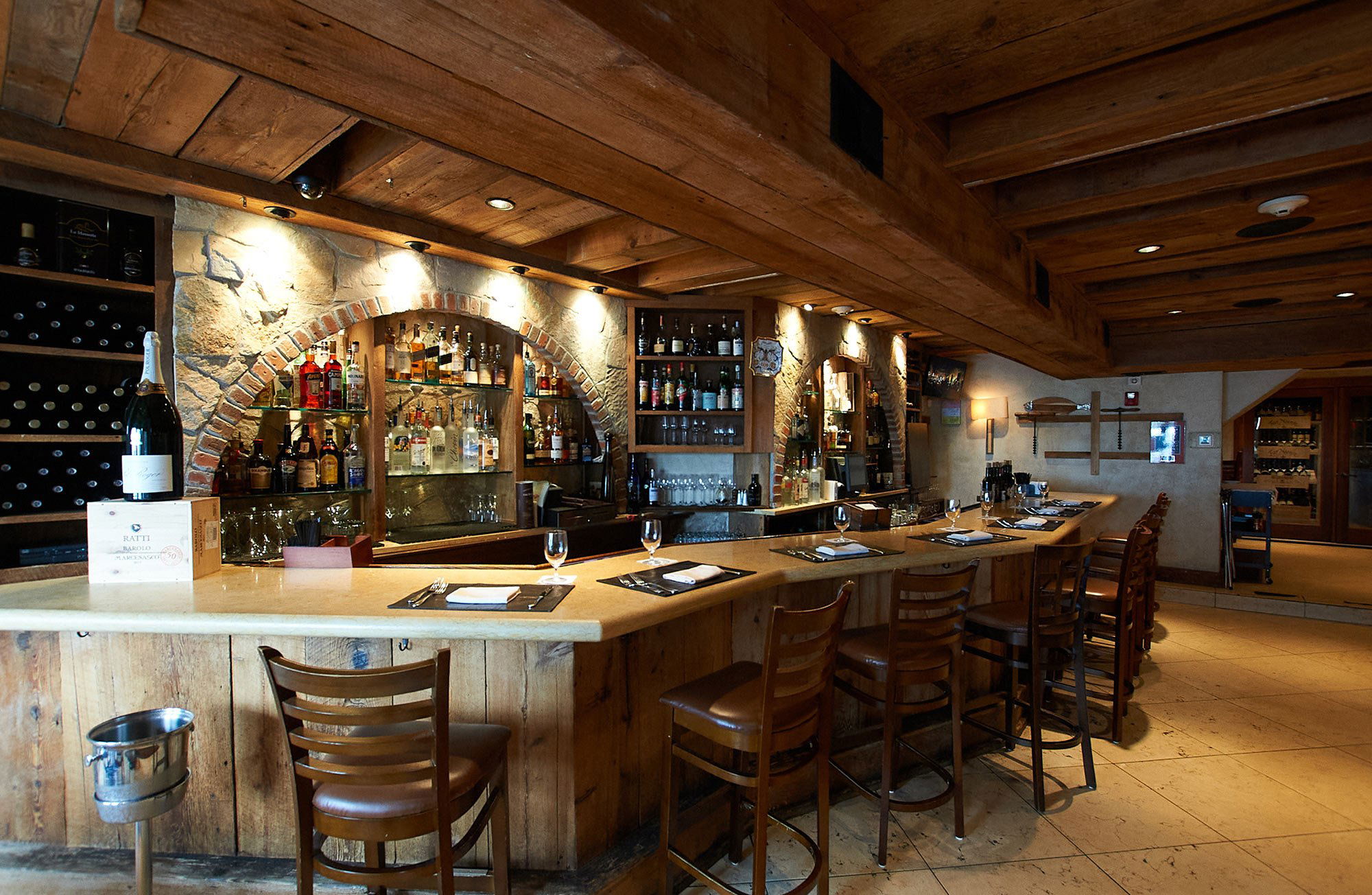
About La Masseria
La Masseria occupies a prominent address on East Greenwich's Main Street dining corridor, bringing an Italian-rooted kitchen to a Rhode Island town increasingly defined by its table. The restaurant sits within a local dining scene that now includes serious competition from seafood, steakhouse, and global formats, making its particular focus on sourcing and regional Italian tradition a distinct position on the strip.
Main Street, Set for Dinner
East Greenwich's Main Street has a particular quality at the dinner hour: the storefronts narrow, the foot traffic thins, and the restaurants take over the street's rhythm in a way that feels more New England village than suburban Rhode Island. At 223 Main St, La Masseria occupies a spot in that corridor alongside a dining scene that has grown more ambitious over the past decade. Blackstone Steakhouse East Greenwich holds down the steakhouse end of the market, Blu On The Water pulls toward waterfront seafood, and Circe East Greenwich offers a cocktail-forward format with modern American leanings. La Masseria's name signals something different: a masseria is a southern Italian farmhouse, a working agricultural estate where the kitchen draws directly from surrounding land. That framing matters as a sourcing philosophy, not just a decorative reference.
The Logic of the Masseria Tradition
In southern Italy, the masseria format historically meant cooking from what the estate produced: olive oil pressed on-site, vegetables from the kitchen garden, cured meats from animals raised locally. The culinary tradition that developed around it was ingredient-first, with technique serving to express the raw material rather than transform it beyond recognition. Rhode Island gives that tradition an interesting local corollary. The state's agricultural and fishing resources, compact as the geography is, are genuinely strong: Narragansett Bay seafood, East Bay farms, and proximity to New England's wider produce networks give a kitchen oriented around sourcing real material to work with.
The masseria concept, when applied seriously, represents a particular editorial position in a dining scene otherwise organized around format: the steakhouse, the oyster bar, the new-American tasting menu. Where those formats are defined by their structure, the masseria tradition is defined by its supply chain. That emphasis on ingredient provenance rather than procedural ambition places La Masseria in a different conversation from venues like Alinea in Chicago or Lazy Bear in San Francisco, where the technique itself is the primary argument. It sits closer in spirit to the sourcing-led philosophy practiced at Blue Hill at Stone Barns in Tarrytown or Single Thread Farm in Healdsburg, where the kitchen's identity is tied to what comes in through the back door rather than what happens on the pass.
Where East Greenwich Italian Fits the Broader Picture
Italian regional cooking in smaller American cities tends to flatten out into a broadly recognizable format: pasta, protein, wine list weighted toward Tuscany and Piedmont, tiramisu at the end. The masseria tradition pushes against that consolidation. Southern Italian cooking, particularly from Puglia, Basilicata, and Calabria, operates with a different pantry: orecchiette and cavatelli rather than tagliatelle, fava beans and chicory rather than spinach, 'nduja and caciocavallo rather than prosciutto and parmigiano. If La Masseria is applying its name with any seriousness, the menu logic should reflect those regional distinctions rather than collapsing back into the generic Italian-American register that dominates most of the category at this price tier.
For context, the Italian dining room at serious American addresses has been moving in two directions. At the high end, places like 8 1/2 Otto e Mezzo Bombana treat Italian cuisine as a vehicle for luxury ingredient expression. At the neighborhood end, a revival of regional specificity has produced more focused menus tied to particular Italian provinces rather than the peninsula as a whole. East Greenwich, with its Main Street density and relatively affluent dining demographic, can support that specificity if a kitchen commits to it. Scotti's Salumeria nearby operates in the Italian-provisions register, which creates a complementary rather than competitive dynamic: the salumeria handles the retail and casual end while a proper dining room like La Masseria can hold the sit-down, composed-course territory.
Ingredient Sourcing as the Central Argument
The masseria tradition's emphasis on sourcing is not merely a marketing positioning device in the Italian context, it is the structural reason the food tastes the way it does. Olive oil quality, for instance, determines flavor in a way that cannot be corrected at the stove. Aged cheeses from specific regional producers carry lactic and umami complexity that generic equivalents cannot approximate. Fresh pasta made with local eggs changes texture and color in ways that dried imports do not replicate. A kitchen genuinely committed to this logic will be making decisions about suppliers that precede and shape every decision about the menu itself.
Rhode Island's proximity to Boston's import markets and the Northeast's Italian-American importing infrastructure means sourcing the right regional Italian ingredients is practically achievable. The question for any kitchen operating under this banner is whether the sourcing discipline extends beyond a few headline items to the full pantry. The venues that do this credibly, from Providence in Los Angeles to Le Bernardin in New York City on the seafood side of ingredient-led cooking, share one characteristic: the sourcing story is legible in the cooking itself, not just in the menu description.
Booking and Practical Planning
La Masseria is located at 223 Main St in East Greenwich, Rhode Island, 02818, making it a direct destination for diners arriving from Providence (approximately 15 miles north via I-95) or from the broader East Bay and South County areas. East Greenwich's Main Street is walkable once you arrive, and the concentration of restaurants means a backup option is never far if plans change. For reservation information, current hours, and menu details, checking the restaurant directly is advisable, as specific booking policies and seasonal hours were not available at the time of publication. East Greenwich dining tends to run at full capacity on Friday and Saturday evenings, particularly in warmer months when the town draws additional visitors from coastal communities nearby. Planning ahead, particularly for weekend tables, applies across most of the Main Street venues, including Rasa, which occupies the globally-inflected end of the same dining corridor. For a fuller picture of what the town's restaurant scene offers across formats and price points, our full East Greenwich restaurants guide covers the range in detail.
Frequently Asked Questions
What's the signature dish at La Masseria?
Specific menu items and signature dishes were not confirmed in our current venue data, and we do not publish dish descriptions without verified sourcing. What the masseria tradition implies, drawing on southern Italian kitchen logic and the restaurant's stated identity, is a menu organized around a small number of core ingredients treated with regional specificity rather than a broad pan-Italian repertoire. For current menu details, contacting the restaurant directly will give you the most accurate picture. For reference points on what ingredient-driven Italian cooking can look like at serious addresses, The French Laundry in Napa and Addison in San Diego show how sourcing-led kitchens communicate their pantry through the structure of the menu itself.
Is La Masseria reservation-only?
Confirmed booking policies were not available in our data at time of publication. In East Greenwich's Main Street dining corridor, most full-service restaurants at this format tier recommend or require reservations for dinner service, particularly on weekend evenings when the street reaches capacity. Given the town's profile and the broader pattern at peer venues like Atomix in New York City and The Inn at Little Washington where advance booking is standard for serious Italian and prix-fixe formats, treating La Masseria as a reservation-required destination is the safer planning assumption. Contact the restaurant directly to confirm current policy and availability.
How does La Masseria compare to other Italian dining options in Rhode Island?
Rhode Island's Italian-American dining culture runs deep, particularly in Providence, where Federal Hill has been the state's Italian restaurant corridor for generations. La Masseria's East Greenwich address and its masseria framing position it differently from the Federal Hill standard: it is operating at a Main Street fine-dining register rather than within a legacy neighborhood-Italian context. That distinction matters for diners choosing between a historically rooted Italian-American dining room and a kitchen organized around southern Italian sourcing principles. Emeril's in New Orleans offers a useful analogy in the American context: a chef-driven room with regional sourcing commitments that separates it from the legacy neighborhood format it superficially resembles.
Related editorial
- How travel will be redefined by 2040The Death of Tourism as We Know It: Why 2040 Will Demand a Completely Different Kind of Traveler Let me be direct: the version of travel most of us grew up dreaming about — cheap flights, crowded lan
- Asia's 50 Best Restaurants 2026: The Chairman and Wing Go 1-2 from the Same BuildingThe Chairman takes No. 1 and Wing climbs to No. 2 at Asia's 50 Best Restaurants 2026. Both operate from the same Hong Kong building. Here's what it means.
- Four Seasons Yachts Debut: 95 Suites, 11 Restaurants, and a March 2026 Maiden VoyageFour Seasons I launches March 20, 2026, with 95 suites, a one-to-one staff ratio, and 11 onboard restaurants. Worth tracking if you want hotel-grade service at sea.
Save or rate La Masseria on Pearl
Keep this venue in your Pearl passport, rate it after you visit, and track it alongside every other place you collect.