
Restaurant in Pirot, Serbia
KRČMA LADNA VODA
100ptsSoutheastern Serbian Krčma
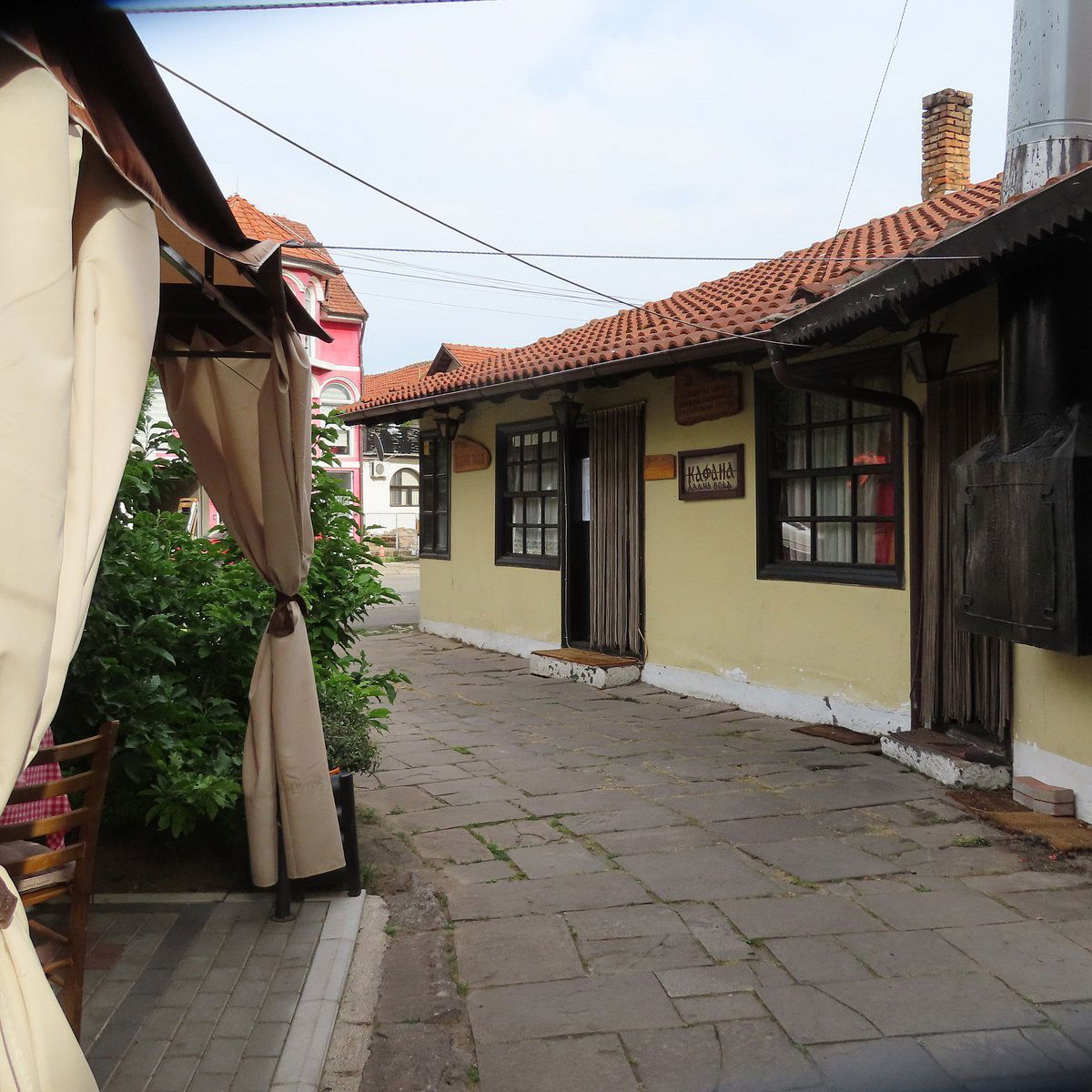
About KRČMA LADNA VODA
Krčma Ladna Voda sits on Nikole Pašića in central Pirot, operating in the krčma tradition that has anchored Serbian tavern culture for centuries. The format favors slow meals, local spirit, and the kind of unpretentious hospitality that defines this corner of southeastern Serbia. For visitors exploring Pirot's dining scene, it represents the krčma format in its most grounded local expression.
The Krčma Tradition in Southeastern Serbia
The word krčma carries more cultural weight in Serbia than a direct translation to "tavern" can convey. For centuries, these establishments functioned as the social infrastructure of Serbian towns: places where locals settled disputes over plum brandy, where traveling merchants broke their journeys, and where the rhythms of rural and small-city life were collectively processed over food and drink. Pirot, a city in the far southeastern corner of Serbia near the Bulgarian border, retains that tradition more intact than most. Its dining scene has not been remade by international hotel groups or chef-driven tasting menus. The krčme here still function largely as they always have, and Krčma Ladna Voda, addressed at 40 Nikole Pašića, sits within that lineage.
To understand what Ladna Voda represents, it helps to map where Pirot sits culinarily. The city's food identity draws from two overlapping traditions: the broader Serbian kitchen of roasted meats, grilled minced-meat sausages known as ćevapi, slow-cooked bean soups, and pickled vegetables, and the more specifically southeastern Serbian inflection shaped by proximity to Bulgaria and North Macedonia. Spicing runs slightly warmer here than in Belgrade or Vojvodina; paprika appears more aggressively; lamb and mutton are more common on menus than in the north. Pirot is also the city that gives its name to the Pirot kilim, one of Serbia's most recognized textile traditions, and the same regional specificity that characterizes the weaving also appears in the food. This is a city that has cultivated its own character across multiple domains.
Where Ladna Voda Sits in the Pirot Dining Scene
Pirot's restaurant options split roughly between spots that lean into the ethnographic aesthetic, places like ETNO KOMPLEKS NIŠAVSKA DOLINA, which frames its offer around a more constructed vision of Serbian rural heritage, and those that simply operate as neighborhood fixtures without curatorial ambition. The krčma format belongs to the latter category. Venues like KAFANA DUKAT and KOD PIROĆANCA occupy similar terrain: unpretentious rooms, menus organized around Serbian staples, and a local clientele that treats the space as a regular rather than a destination. Krčma Ladna Voda operates in this same register.
The distinction between a kafana and a krčma is worth noting for visitors unfamiliar with the Serbian hospitality vocabulary. A kafana, as represented by establishments like Cafe Boem, typically implies a café-restaurant hybrid with a stronger coffee and drinks emphasis, often with live music programming. A krčma skews slightly more toward food and the meal itself, with the social dimension present but secondary. In practice the categories blur considerably, but the naming of a venue as a krčma signals something about its self-understanding: this is a place for eating first, drinking second, and sitting long after both.
Serbian Tavern Food and What to Expect
The food tradition that krčme like Ladna Voda draw from is not one of refinement or scarcity. It is a cuisine of abundance and directness: whole roasted pigs and lambs prepared in the sač (a bell-shaped lid buried under embers), pljeskavica patties pressed wide and grilled over open flame, prebranac (slow-baked beans with caramelized onion) served cold as a starter, and čorba broths built from hours of simmering offal or vegetables. Seasonal pickles, ajvar, and kaymak appear as condiments and sides across the menu in any serious Serbian tavern. The cooking rewards patience and a tolerance for pork fat.
Across Serbia's southeastern corridor, places like Vitina Iža in Pirot and comparable venues in other regional cities, including Kod Brana in Cacak and Lovački dom in Valjevo, operate from a similar pantry and culinary logic. The krčma format scales up that tradition to accommodate the unhurried lunch or dinner that Serbian hospitality culture prizes. In contrast to Belgrade's more cosmopolitan restaurant scene, where venues like Langouste operate in an entirely different register, the regional tavern remains anchored to local rather than international reference points.
Planning a Visit to Pirot
Pirot sits approximately 180 kilometers southeast of Belgrade along the E80 motorway, making it accessible as a day trip or an overnight stop for travelers moving between Serbia and Bulgaria via the Dimitrovgrad crossing. The drive from Niš, the nearest major city, covers roughly 70 kilometers. Pirot's compact central area concentrates most of its dining options within walking distance of the main square, and Nikole Pašića, where Krčma Ladna Voda is addressed, runs through the city center.
No phone number or website is listed in available records for Ladna Voda, which is characteristic of krčme operating primarily for local regulars. For travelers, this means planning a walk-in visit rather than a confirmed reservation, a reasonable approach for most krčme outside of peak holiday weekends. Summer and the Christmas-New Year period can see higher demand across Pirot's dining establishments. Those building a broader itinerary through Serbia's smaller cities might also consider venues such as Etno Kuća Dinar in Vrsac or Aleksandar Gold in Uzice as reference points for regional Serbian dining outside the capital. For mountain-adjacent options, Grand **** in Kopaonik covers a different but comparable tradition of Serbian hospitality. Our full Pirot restaurants guide maps the city's dining options across categories and price points.
The broader Serbian regional dining scene, from Kafe Restoran Maša in Novi Sad to ČARDA ZLATNA KRUNA in Apatin and Windmill in Pancevo, demonstrates how consistently the country's smaller cities maintain their own dining identities separate from the capital's more internationally influenced restaurant culture. Pirot, and venues like Krčma Ladna Voda, represent that continuity in the southeast. For travelers accustomed to evaluating restaurants against globally recognized benchmarks, as with New York institutions like Le Bernardin or Atomix, the Serbian krčma operates by an entirely different value system: one where the measure of a good meal is not technique or innovation, but time spent at the table and food that delivers exactly what it promises. Ladna Voda, as its name (meaning "cold water") implies, makes no grand claims. It simply offers the enduring proposition of the Serbian tavern, served from an address in the center of a city that has been doing this for a long time. Equally, Kod poštara in Aran Elovac offers a useful comparison for travelers interested in how village-adjacent Serbian tavern culture differs from its small-city equivalent.
Frequently Asked Questions
- What's the must-try dish at Krčma Ladna Voda?
- No verified menu data is available for Krčma Ladna Voda. As a krčma in southeastern Serbia, the kitchen almost certainly draws from the Serbian tavern repertoire: roasted meats, grilled ćevapi and pljeskavica, slow-cooked bean dishes, and seasonal sides including ajvar and kaymak. Dishes prepared under the sač are a regional touchstone worth asking about on arrival.
- How far ahead should I plan for Krčma Ladna Voda?
- No booking records or reservation system details are available for this venue. Krčme in Serbian regional cities typically operate on a walk-in basis for most of the year. Peak periods around major Serbian holidays and summer weekends may require arriving earlier in the meal period to secure a table.
- What do critics highlight about Krčma Ladna Voda?
- No published critical reviews or editorial coverage are available in current records for Krčma Ladna Voda. The venue's significance within Pirot's dining scene is leading understood through its format and address rather than through critical recognition: it operates in the krčma tradition that defines casual, community-anchored dining in this part of Serbia.
- What does the name Ladna Voda mean and does it tell us anything about the venue?
- Ladna Voda translates directly from Serbian as "cold water," a name with practical resonance in a region where freshwater springs have historically marked resting and gathering points along travel routes. Many Serbian krčme and mehanas in rural and semi-rural areas were established near natural water sources, and the name signals a venue oriented toward the traveler's rest-stop tradition. This naming convention places Krčma Ladna Voda within a long lineage of Serbian roadside and village hospitality, a category of establishment that prioritized refreshment and shelter over culinary spectacle.
Related editorial
- Asia's 50 Best Restaurants 2026: The Chairman and Wing Go 1-2 from the Same BuildingThe Chairman takes No. 1 and Wing climbs to No. 2 at Asia's 50 Best Restaurants 2026. Both operate from the same Hong Kong building. Here's what it means.
- Four Seasons Yachts Debut: 95 Suites, 11 Restaurants, and a March 2026 Maiden VoyageFour Seasons I launches March 20, 2026, with 95 suites, a one-to-one staff ratio, and 11 onboard restaurants. Worth tracking if you want hotel-grade service at sea.
- LA Michelin Guide 2026: Seven New Restaurants from Tlayudas to Uzbek DumplingsMichelin's March 2026 California Guide update adds six LA restaurants and one Montecito newcomer, spanning Oaxacan tlayudas, Uzbek manti, and Korean-Italian pasta.
Save or rate KRČMA LADNA VODA on Pearl
Keep this venue in your Pearl passport, rate it after you visit, and track it alongside every other place you collect.