
Restaurant in Fuzine, Croatia
Konoba Volta
100ptsGorski Kotar Table Cooking
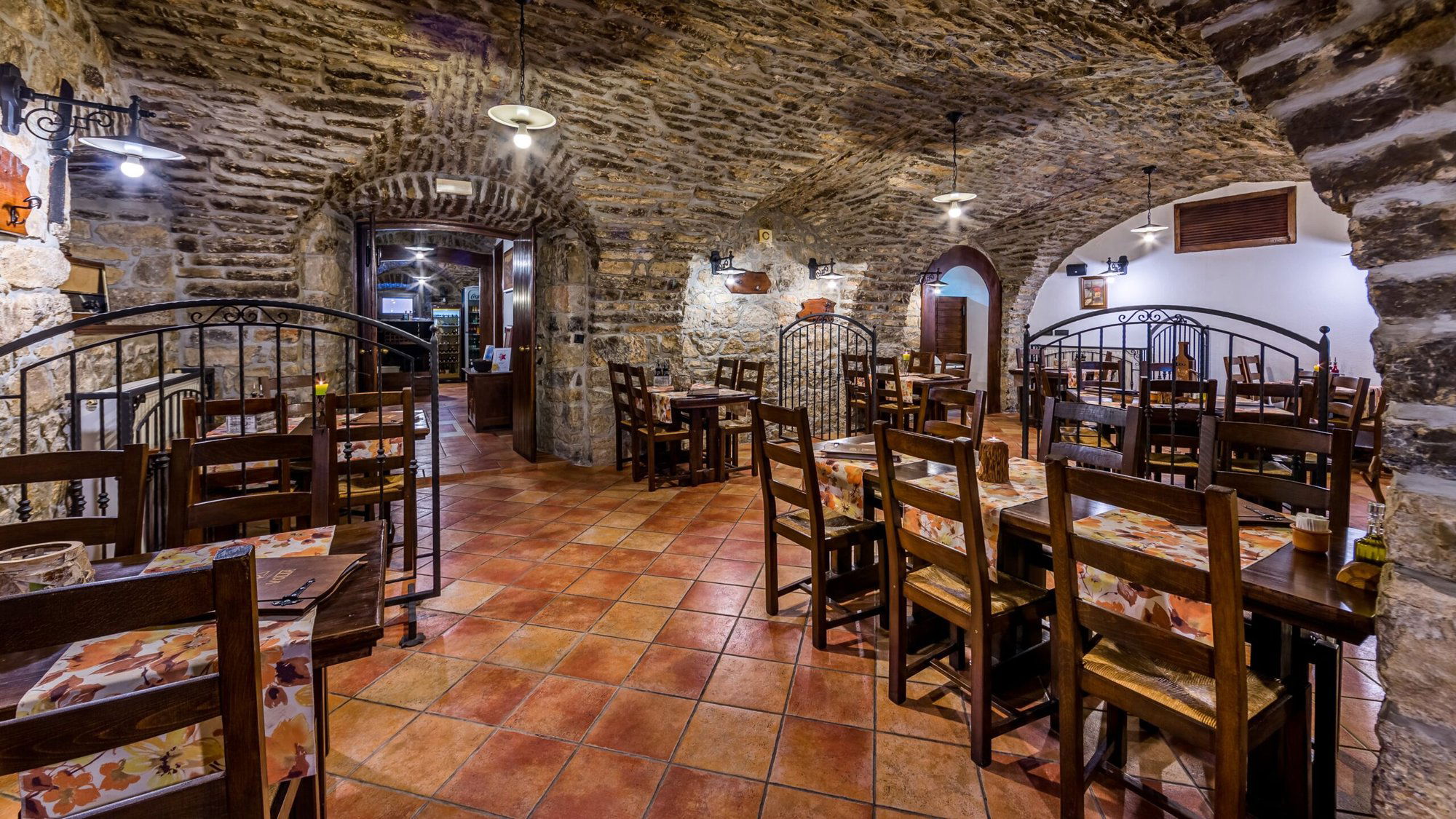
About Konoba Volta
Konoba Volta sits in Fužine, a small mountain town in the Gorski Kotar region of Croatia, where the dining tradition leans heavily on forest and highland ingredients rather than the Adriatic pantry that defines most Croatian restaurant writing. The konoba format here signals a particular kind of cooking: unfussy, locally anchored, and structured around what the surrounding landscape reliably produces. For visitors coming from the coast, it offers a clear counterpoint to seafood-forward menus.
Mountain Table: What Gorski Kotar Puts on the Plate
Croatia's restaurant conversation spends most of its time at sea level. The Dalmatian coast pulls the attention, and venues like Pelegrini in Sibenik or Restaurant 360 in Dubrovnik set the reference point for what serious Croatian dining looks like internationally. That framing, while earned, leaves an entire highland tradition underexamined. Gorski Kotar, the forested mountain county that stretches inland from the Kvarner coast, operates on different culinary logic: game, mushrooms, freshwater fish, and dairy from small producers replace the bream, octopus, and olive oil that anchor menus along the Adriatic. Fužine sits inside that tradition, and Konoba Volta, on Dr. Franje Račkog 8, is one of the places where it is expressed at a table.
The konoba designation matters here. Across Croatia, the word has been applied loosely, sometimes to restaurants that share little with the form beyond the name. In inland and highland contexts, though, the konoba format has historically meant something more specific: a room that is close to its supply chain, where the menu reflects what is seasonally available from the immediate area rather than what can be sourced nationally or imported. Whether any given konoba in Fužine still holds to that discipline is the question worth asking before you sit down.
The Gorski Kotar Ingredient Argument
The case for eating in Gorski Kotar rather than simply passing through it on the road between Zagreb and Rijeka rests on ingredients that do not travel well and are not widely found on coastal menus. Wild mushrooms from the beech and fir forests around Fužine, particularly porcini in late summer and autumn, are the clearest example. The region's elevation, humidity, and forest density produce conditions that foragers in other parts of Croatia cannot replicate. Game, similarly, reflects local ecology rather than centralised supply: venison and wild boar from managed hunting grounds in the area appear on highland menus in preparations that owe more to Central European tradition than to the Mediterranean cooking that dominates Croatian restaurant writing abroad.
Freshwater fish from the lakes and streams of the Gorski Kotar area, including the Fužine reservoir itself, represent another category that the coastal menu largely ignores. Trout cooked simply, without the olive oil and herb framework that would follow it on a Dalmatian table, is a direct marker of where you are and what the kitchen is working with. For visitors arriving from the coast after eating through seafood menus, the shift is more noticeable than it might appear on paper. This is also what separates the dining logic of a place like Fužine from the Croatian restaurants that attract international attention. Venues such as Agli Amici Rovinj in Rovinj or Nebo by Deni Srdoč in Rijeka work within broadly Mediterranean frameworks; highland Gorski Kotar kitchens do not.
Fužine as a Dining Destination
Fužine is a small resort town, functioning primarily as a base for hikers, cyclists, and winter visitors using the Gorski Kotar trails. Its restaurant offer is modest in scale. That modesty is not a failing; it reflects the town's size and its relationship to the surrounding region. The dining options that do exist tend toward the functional end of the spectrum, serving visitors and locals rather than positioning themselves within the kind of critical conversation that shapes reservations at, say, Boskinac in Novalja or LD Restaurant in Korčula.
That context is relevant for calibrating expectations. Konoba Volta is not competing with the Croatian venues that attract international press coverage or Michelin attention. It operates in a local register, and the value of eating there is tied to the specificity of the ingredients and the tradition rather than to formal ambition. For a fuller picture of what Fužine offers across its restaurant options, the full Fužine restaurants guide maps the broader scene. The closest comparable venue in town is Bitoraj, which operates in a similar highland konoba tradition and draws on the same regional ingredient base.
The wider Croatian inland dining scene has been developing gradually, with venues like Dubravkin Put in Zagreb and Korak in Jastrebarsko building cases for Croatian continental cooking that does not defer entirely to coastal frameworks. Gorski Kotar, sitting between the two geographic logics, represents a distinct strand of that argument.
Seasonal Timing and the Mushroom Window
The most consequential timing decision for anyone considering Fužine is whether to visit during mushroom season. Late August through October is when porcini and other wild mushrooms appear in volume from the surrounding forests, and the menus at highland konobas reflect that availability directly. A visit in this window offers access to ingredients that are both genuinely local and genuinely seasonal in the strictest sense: picked from specific forests, served within days. Outside that window, the ingredient profile shifts toward game (stronger through autumn and winter), dairy, and preserved preparations. Spring brings different mushrooms and early forage ingredients. Summer is the lightest period for distinctly highland larder items, though the town is busiest with visitors. The comparison to coastal dining calendars is instructive: while Adriatic-focused restaurants in Dalmatia organise themselves around fish seasons and summer tourist volume, the Gorski Kotar highland calendar runs on a different axis entirely.
For visitors building a broader Croatian itinerary that takes in both coastal and inland eating, the contrast between a Fužine konoba and venues like Krug in Split or Burin in Crikvenica is part of the point. Other regional options worth considering alongside Fužine include Bodulo in Pag, BioMania Bistro Bol in Bol, and Cantilly Garden Restaurant in Samobor, each anchored in a different regional tradition. For those arriving from further afield with high-end reference points, venues like Alfred Keller in Mali Lošinj represent the more formally ambitious end of the broader Kvarner region. And for international comparison points at the far end of the formality spectrum, restaurants like Le Bernardin in New York City or Atomix in New York City operate in an entirely different register, useful mainly as a reminder of how wide the spectrum of serious eating actually runs.
Planning a Visit
Fužine is reachable by car from Rijeka in under an hour, making it a viable day trip from the coast or an overnight stop on a road journey between Zagreb and the Kvarner littoral. The town's small size means restaurant availability is unlikely to be a significant constraint outside of peak summer weekends, but arriving with a plan rather than assuming walk-in availability is the sensible approach for any specific konoba. Specific hours, booking methods, and current pricing for Konoba Volta are leading confirmed directly, as these details are not reliably published. The address at Dr. Franje Račkog 8 places the restaurant within the central village area, within easy walking distance of the main lakeside promenade.
Frequently Asked Questions
- Is Konoba Volta a family-friendly restaurant?
- In Fužine, a small highland town with an informal dining culture, konoba-style venues are typically accessible to families. The relaxed format and modest price environment of the Gorski Kotar dining scene make this a reasonable assumption, though specific facilities are leading confirmed when booking.
- What should I expect atmosphere-wise at Konoba Volta?
- If you are arriving from Croatia's coastal restaurant circuit, where venues like Agli Amici Rovinj or Restaurant 360 set a formal tone, calibrate accordingly. Fužine operates at a different register: the konoba format signals an informal room, closer in spirit to a traditional highland inn than to a destination dining venue. There are no awards on record to suggest formal ambition beyond local hospitality.
- What should I eat at Konoba Volta?
- Order whatever reflects the season's highland larder. In autumn, that means wild mushroom preparations, particularly if porcini are available from the surrounding forests. Game dishes and freshwater fish from the local lakes are the ingredients most specific to Gorski Kotar, and the most instructive contrast to what coastal Croatian menus offer. These are the categories where a highland konoba earns its visit.
- What's the leading way to book Konoba Volta?
- In a town the size of Fužine, with no awards profile and a local rather than destination-dining positioning, peak summer weekends are the most constrained period. Visiting mid-week or outside the July-August peak reduces any booking friction. Current contact information is not published centrally, so a direct approach on arrival or via local accommodation is the practical route.
- What's Konoba Volta leading at?
- The clearest argument for Konoba Volta is the same argument for eating in Gorski Kotar rather than the Dalmatian coast: ingredient specificity tied to a forested highland region that most Croatian restaurant coverage ignores. Wild mushrooms, game, and freshwater fish are the categories where the regional larder diverges most sharply from the Adriatic framework that dominates Croatian dining internationally.
- Is Fužine worth visiting specifically for the food, and how does Konoba Volta fit into that decision?
- Fužine is not a food destination in the way that certain Croatian towns have become known for a single landmark restaurant. The case for eating here is built on the Gorski Kotar ingredient tradition as a whole, not on any individual venue. Konoba Volta represents that tradition at a local, informal level; visitors with a specific interest in highland Croatian cooking and the regional larder of mushrooms, game, and freshwater fish will find the detour from the coast worthwhile, particularly in the September to November window when the ingredient calendar is at its most distinct.
Related editorial
- Best Fine Dining Restaurants in ParisFrom three-Michelin-star icons to the next generation of Parisian chefs pushing boundaries, these are the restaurants that define fine dining in the world's culinary capital.
- Best Luxury Hotels in RomeFrom rooftop terraces overlooking ancient ruins to Michelin-starred hotel dining, these are the luxury hotels that make Rome unforgettable.
- Best Cocktail Bars in KyotoFrom sleek lounges to hidden speakeasies, Kyoto's cocktail scene blends Japanese precision with global influence in ways you won't find anywhere else.
Save or rate Konoba Volta on Pearl
Keep this venue in your Pearl passport, rate it after you visit, and track it alongside every other place you collect.