
Restaurant in Ise, Japan
Komada
100ptsShrine-City Counter Cooking
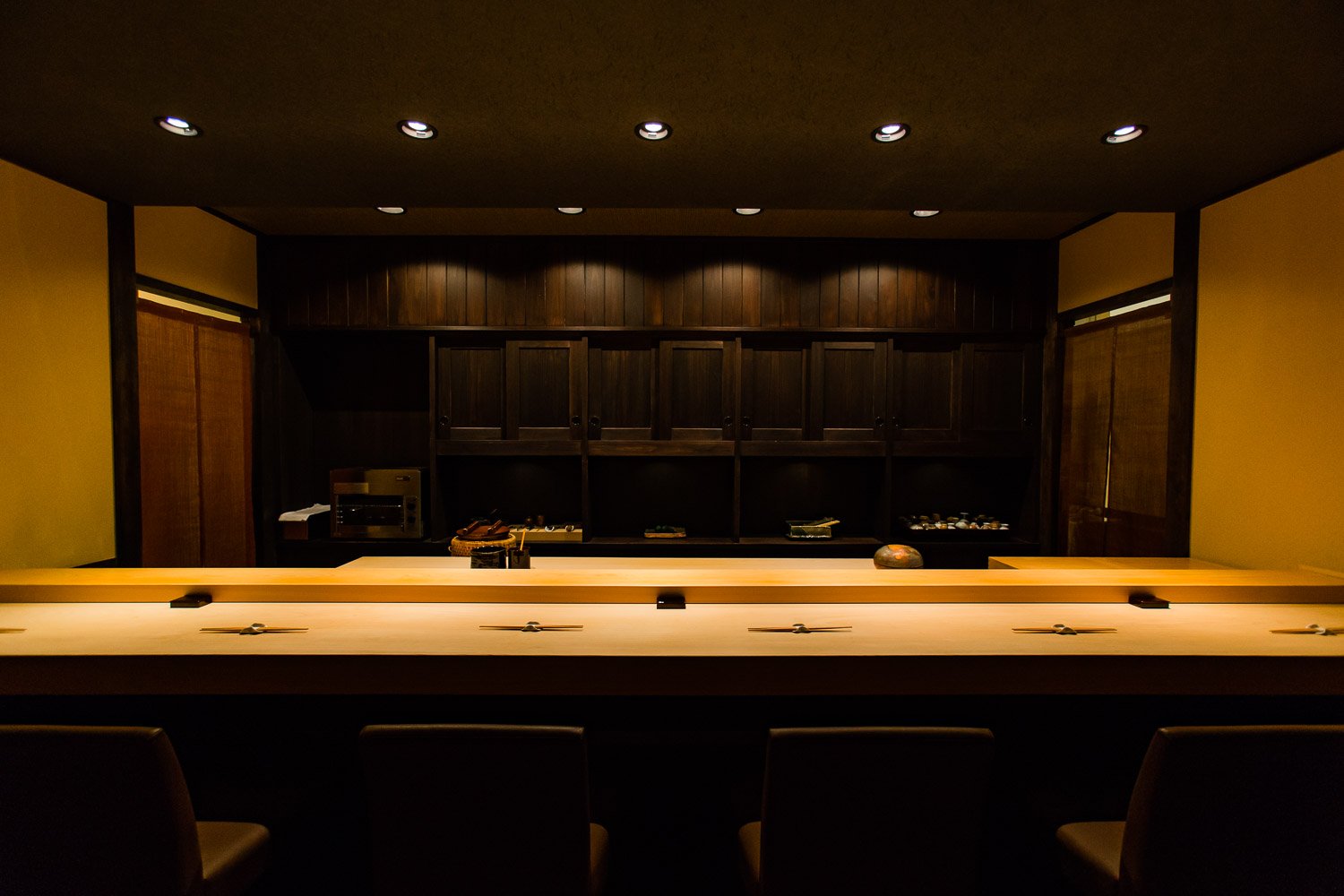
About Komada
Komada occupies a quiet address in Kawasaki, Ise — a city whose proximity to the Ise Grand Shrine and the Mie coastline makes it one of Japan's most ingredient-rich dining territories. The restaurant sits within a regional tradition where access to Ise-ebi lobster, Pacific abalone, and Matsusaka beef shapes what ends up on the counter. For travellers already planning a visit to Ise Jingu, it represents a direct connection between pilgrimage geography and the food that geography produces.
Where the Shrine Road Meets the Plate
Approaching the Kawasaki district of Ise on foot, the city's culinary identity announces itself before any menu does. This is a town built around movement: millions of pilgrims have passed through for centuries en route to Ise Jingu, Japan's most sacred Shinto shrine complex, and the provisioning culture that grew up to feed them never disappeared. It evolved. The fish markets, the Matsusaka cattle routes, the abalone diving communities of the Shima Peninsula — all of these supply chains converge on a small city that punches well above its size in raw ingredient quality. Komada, at 2 Chome-14-18 Kawasaki, sits inside that geography rather than apart from it.
Mie Prefecture as a Sourcing Argument
Few prefectures in Japan make a stronger case for ingredient-led cooking than Mie. The Pacific coast delivers Ise-ebi, the spiny lobster that carries the city's name and commands a premium at counters from Tokyo to Osaka. The ama divers of Toba and Shima have harvested abalone, turban shells, and sea urchin from these waters for over two thousand years, using breath-hold techniques that leave the seabed undisturbed. Inland, the Matsusaka cattle lineage — female Japanese Black cows raised within a defined zone of the prefecture , produces beef with a marbling profile that has influenced how Japan thinks about premium wagyu. A kitchen in Ise that sources honestly from its own prefecture has access to a larder that restaurants in major cities pay significant import premiums to replicate. That proximity is not incidental; it is the structural advantage that shapes what serious cooking here can aspire to.
This sourcing reality also frames how Komada sits relative to peers in the region. Restaurants such as Kamimura, Yamatoan kuroishi, 伏藁 三ツ星, and ボン ヴィヴァン all operate within the same ingredient ecosystem. The differentiation between them lies in how each kitchen interprets what the prefecture provides , which relationships with producers they prioritise, which techniques they apply, and which seasonal windows they build their menus around.
The Regional Counter in Context
Japan's most-discussed dining is concentrated in Tokyo, Osaka, and Kyoto, where Michelin density and international visibility create a self-reinforcing reputation cycle. Counters such as Harutaka in Tokyo and Gion Sasaki in Kyoto operate inside that system, where critic attention and allocation demand compound over time. The restaurants of Ise operate outside it , not because the cooking is lesser, but because the city's population base and tourism model are different. Pilgrimage traffic is high-volume but often day-trip driven; the traveller who stays for dinner and thinks carefully about where to eat remains a smaller subset. That dynamic means serious Ise restaurants draw a more local and regionally committed clientele alongside the informed visitor, a guest profile that tends to reward consistency over spectacle.
Across Japan's secondary cities, this pattern repeats: Goh in Fukuoka and akordu in Nara both operate in markets where the absence of metropolitan pressure allows a different kind of focus. Ingredient sourcing becomes more explicit when the supply chain is shorter. The restaurant doesn't need to explain provenance through a menu story , the diner often already knows the fisherman's name, or at least the port.
Placing Komada on the Ise Map
The Kawasaki address puts Komada within the older commercial fabric of the city, a district that has retained a working, lived-in character distinct from the more tourist-oriented corridors closer to Oharai-machi. Restaurants in this part of Ise tend to draw on a consistent local clientele rather than relying on pilgrimage-season spikes alone, which typically translates into a more stable and considered kitchen rhythm.
For the traveller calibrating expectations against other Japan destinations covered in the EP Club network, the reference point is less the three-star omakase tier represented by HAJIME in Osaka and more the focused regional specialist model , comparable in intent, if not in international profile, to venues like 一本木 石川製 in Nanao or 湖畔荘庵 in Takashima, where the sourcing story is inseparable from the dining proposition. Internationally, the approach rhymes with what Le Bernardin in New York City does with Atlantic seafood provenance, or what Atomix in New York City demonstrates about regional Korean ingredients filtered through technical precision.
Planning a Visit
Ise is accessible by limited express from Nagoya in approximately ninety minutes and from Osaka's Tsuruhashi via the Kintetsu line in around two hours , logistical facts worth fixing before building an itinerary. The city's restaurant scene is relatively compact, which makes combining Komada with other Kawasaki-district dining or a morning visit to the Naiku precinct of Ise Jingu genuinely practical rather than aspirational. Because specific booking channels, hours, and price information for Komada are not confirmed in our current data, we recommend cross-referencing with our full Ise restaurants guide for current operational detail before planning. Venues in this tier in Japan's secondary cities often operate on limited seatings with shorter notice booking windows than comparable counters in Tokyo , arrival during peak pilgrimage months (January, October, and the Golden Week period in late April to early May) warrants earlier enquiry.
For broader regional comparison while building a Kansai or Tokai itinerary, the EP Club covers adjacent dining territories including Bistro Ange in Toyohashi, Birdland in Sakai, 古代山乃井 in Sapporo, and 庄羽屋 in Nishikawa Machi.
Frequently Asked Questions
- What's the leading thing to order at Komada?
- Specific menu details for Komada are not confirmed in our current data. What is clear from the regional context is that Mie Prefecture's Ise-ebi lobster, ama-harvested abalone, and Matsusaka beef represent the ingredient tier that serious local kitchens build around. Ordering with that provenance framework in mind, and asking the kitchen what is in season on the day, is the most reliable approach at a regionally focused counter in this city.
- How far ahead should I plan for Komada?
- Confirmed booking lead times are not available in our current data. As a general calibration: specialist restaurants in Ise's secondary dining tier tend to operate with shorter booking windows than their counterparts in Osaka or Tokyo, but peak pilgrimage periods , particularly Golden Week and the autumn shoulder season , compress availability. Checking availability at least two to three weeks ahead during those windows is a reasonable starting point, and contacting the restaurant directly in Japanese will typically yield faster responses.
- What's the standout thing about Komada?
- The geographic position is the argument. Ise sits at the intersection of Pacific coastal fishing, ama diving tradition, and Matsusaka beef country , an ingredient convergence that restaurants in major cities can only approximate through supply chains. A kitchen operating in Kawasaki, Ise has structural access to that larder that is worth understanding before the meal begins.
- Is Komada suitable as a standalone dinner destination from Nagoya or Osaka, or does it work better as part of a longer Ise stay?
- The Kintetsu limited express makes Ise reachable from Nagoya in roughly ninety minutes and from Osaka in around two hours, which puts a same-day return trip within reach for a committed diner. However, the Kawasaki district's character and the density of the Ise Jingu precinct both reward an overnight stay, which allows a morning at the shrine and an unhurried evening at the counter , a more coherent itinerary than a rushed day trip allows. Consult our full Ise restaurants guide for broader planning context.
Related editorial
- Best Fine Dining Restaurants in ParisFrom three-Michelin-star icons to the next generation of Parisian chefs pushing boundaries, these are the restaurants that define fine dining in the world's culinary capital.
- Best Luxury Hotels in RomeFrom rooftop terraces overlooking ancient ruins to Michelin-starred hotel dining, these are the luxury hotels that make Rome unforgettable.
- Best Cocktail Bars in KyotoFrom sleek lounges to hidden speakeasies, Kyoto's cocktail scene blends Japanese precision with global influence in ways you won't find anywhere else.
Save or rate Komada on Pearl
Keep this venue in your Pearl passport, rate it after you visit, and track it alongside every other place you collect.