
Restaurant in Ypres, Belgium
Klaver
100ptsWest Flemish Road-Edge Dining
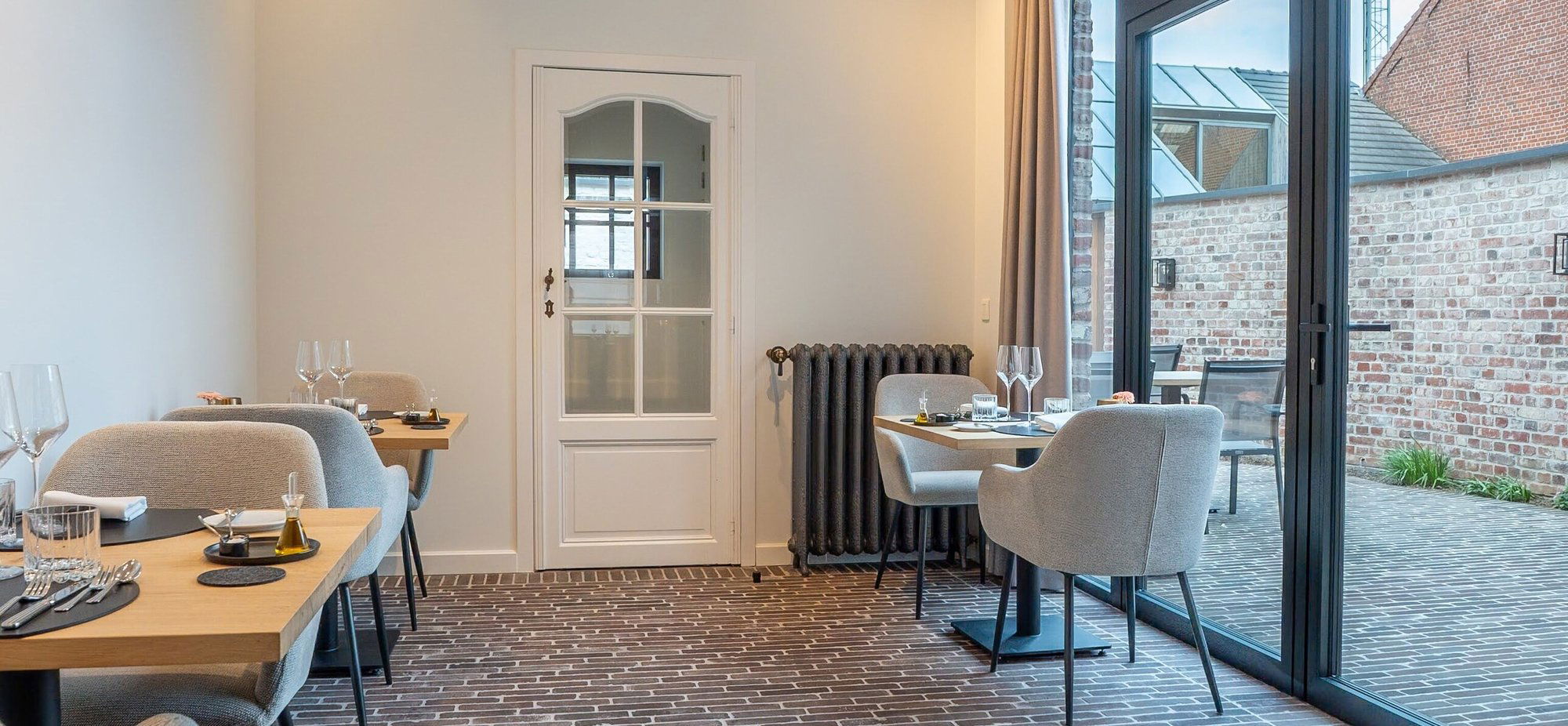
About Klaver
Klaver sits on Poperingseweg on the western edge of Ypres, a city where the weight of history shapes how residents and visitors alike approach a meal. The restaurant occupies a position within a small but serious local dining scene that includes Calinor, Klei, and VEST. Limited public data makes advance contact advisable before visiting.
West Flanders at the Table: Dining in the Shadow of Ypres
There are cities where the act of sitting down to eat carries an unusual gravity. Ypres is one of them. The Flemish city rebuilt almost entirely from scratch after the First World War retains a civic seriousness that filters into its hospitality culture. Restaurants here are not lifestyle accessories. They are places where the region's agricultural traditions, its hop-growing heritage from nearby Poperinge, and its proximity to the North Sea coastline converge on the plate. Klaver, addressed at Poperingseweg 230 on the western approach to the city, sits within that context, in a part of Ypres where the urban edge gives way to the flat, productive farmland that has defined West Flemish cooking for generations.
The Poperingseweg corridor runs toward Poperinge, a market town whose hop yards supplied Belgian brewers long before craft beer made hops fashionable. That geographic axis matters for understanding how a restaurant in this location positions itself. West Flemish cuisine draws on a larder that is both humble and precise: white asparagus from Proven, grey shrimps from the coast, chicory grown in the dark, potatoes that hold their shape. The cooking tradition is not showy, but it rewards technical attention. Across the wider Belgian fine-dining scene, from Hof van Cleve in Kruishoutem to Boury in Roeselare, the most serious kitchens in Flanders have built reputations by treating that regional larder with the same rigour applied elsewhere to more glamorous ingredients.
A City's Dining Scene in Proportion
Ypres has a population of around 35,000 and a dining scene sized accordingly. It is not a restaurant city in the way that Ghent or Bruges draw food-focused visitors as a primary activity. What it has instead is a set of addresses that serve a local population with specific expectations: cooking that acknowledges where it is, that prices sensibly against local incomes, and that does not import a metropolitan sense of theatre that would feel out of place on the Grote Markt. Within that peer set, Klaver occupies the Poperingseweg address alongside a handful of other neighbourhood-level establishments. The broader Ypres dining picture also includes Calinor, Klei, and VEST, each with a distinct format and register. For a fuller map of where to eat across the city, the EP Club Ypres restaurants guide covers the scene in detail.
Belgian restaurant culture outside the major cities tends to favour the neighbourhood dining room over the destination-led tasting counter. That model, sometimes called the restaurant de terroir, places produce sourcing and seasonal rhythm above chef-driven spectacle. It is a format with deep roots in Flemish hospitality, one that connects smaller addresses in West Flanders to a broader tradition visible at a different scale in places like Willem Hiele in Oudenburg or Bartholomeus in Heist, both of which draw on coastal and agricultural Flemish identity at award level. Klaver operates in a quieter register within the same cultural tradition.
The Cultural Roots of Flemish Cooking
To understand any restaurant on the western edge of Ypres, it helps to understand what Flemish cooking actually is, beyond the clichés of frites and moules. The tradition is rooted in a peasant agriculture that made virtue of preservation, fermentation, and slow cooking. Waterzooi, the brothed stew that survives in both chicken and fish versions, reflects a time when nothing was wasted. Stoemp, the mash of root vegetables and potato that accompanies braised meats, is the product of a cold climate and a practical kitchen. These are not historical curiosities. They remain reference points for how cooks in this part of Belgium think about comfort, texture, and the relationship between a dish and the season in which it is served.
The hop-growing culture of the Poperinge region adds another layer. Hops flavour more than beer in this part of Flanders: hop shoots, harvested briefly in spring, appear on menus as a luxury green with a short season and a price to match. Their availability signals a kitchen paying attention to the agricultural calendar rather than operating from a static menu. That seasonal attentiveness is the cultural marker that separates a serious Flemish table from a generic one, regardless of price point or scale. Comparable seriousness about regional product, applied at a higher technical register, is visible in the programmes at Castor in Beveren and De Jonkman in Sint-Kruis.
Belgium's Broader Dining Architecture
Klaver sits within a country that has, over the past two decades, built one of the most densely decorated restaurant ecosystems in Europe relative to its size. Belgium holds more Michelin stars per capita than France. That concentration does not sit only in Brussels or Antwerp: it spreads through Flanders into smaller cities and the countryside, which means that a restaurant in a market town or on the outskirts of Ypres exists within a competitive peer set that takes cooking seriously at every level. The reference points are not abstract. Bozar Restaurant in Brussels, Zilte in Antwerp, L'air du Temps in Liernu, and d'Eugénie à Emilie in Baudour all represent different facets of that national ambition, from fine-dining formality to produce-led informality. International comparison is equally telling: the produce-first ethic found across Flemish cooking has parallels in the seafood rigour of Le Bernardin in New York City or the fermentation-led depth of Atomix, even if the scale and context differ entirely. La Durée in Izegem and La Table de Maxime in Our further illustrate how Belgian cooking extends its ambitions beyond the obvious urban centres.
Planning a Visit
Klaver is located at Poperingseweg 230, 8908 Ieper, on the western edge of Ypres heading toward Poperinge. Current public data on opening hours, pricing, booking method, and format is not available through EP Club's verified channels, which means the practical information that usually guides a reservation decision is absent here. Given that smaller Flemish restaurants frequently keep limited covers and irregular hours, contacting the venue directly before travelling is the sensible approach. Ypres is most easily reached by car from Bruges in approximately 45 minutes or from Ghent in under an hour, making it a viable day or evening excursion from either city.
Frequently Asked Questions
What's the leading thing to order at Klaver?
EP Club does not hold verified menu data for Klaver, so a specific dish recommendation is not possible here. In the broader context of West Flemish cooking, kitchens in this area tend to anchor their menus to seasonal produce from the immediate region: hop shoots in spring, white asparagus through early summer, North Sea fish year-round. Any dish that reflects the current agricultural season at this address is likely to represent the kitchen's priorities. For a fuller picture of what the Ypres dining scene offers, the EP Club Ypres guide and profiles of Calinor and Klei provide additional context.
Should I book Klaver in advance?
If you are travelling specifically to dine at Klaver, advance contact is advisable. Smaller Belgian restaurants outside major cities frequently operate with limited covers, and weekend evenings in particular fill quickly. The absence of a published online booking system in EP Club's data suggests reservations may be handled by phone or email directly with the venue. Ypres draws a steady flow of visitors connected to its First World War memorials, which can affect restaurant availability in peak commemorative periods, particularly around November.
Is Klaver suitable for visitors exploring the broader West Flemish dining scene?
Klaver's address on the Poperingseweg places it on the agricultural western edge of Ypres, which gives it natural proximity to the hop-growing country around Poperinge and the produce traditions that define this part of Flanders. For visitors building a longer West Flemish itinerary, the restaurant sits within a region that rewards sequential exploration: Ypres, Roeselare, and the coast between Heist and Oudenburg each add a different dimension to how Flemish cooking connects to its landscape. Combining a visit to Klaver with the other Ypres addresses covered in our full Ypres restaurants guide gives a reasonable cross-section of what the city currently offers at the table.
Related editorial
- Best Fine Dining Restaurants in ParisFrom three-Michelin-star icons to the next generation of Parisian chefs pushing boundaries, these are the restaurants that define fine dining in the world's culinary capital.
- Best Luxury Hotels in RomeFrom rooftop terraces overlooking ancient ruins to Michelin-starred hotel dining, these are the luxury hotels that make Rome unforgettable.
- Best Cocktail Bars in KyotoFrom sleek lounges to hidden speakeasies, Kyoto's cocktail scene blends Japanese precision with global influence in ways you won't find anywhere else.
Save or rate Klaver on Pearl
Keep this venue in your Pearl passport, rate it after you visit, and track it alongside every other place you collect.