
Restaurant in Jakarta, Indonesia
Kaum
100ptsArchipelago-Sourced Regionalism

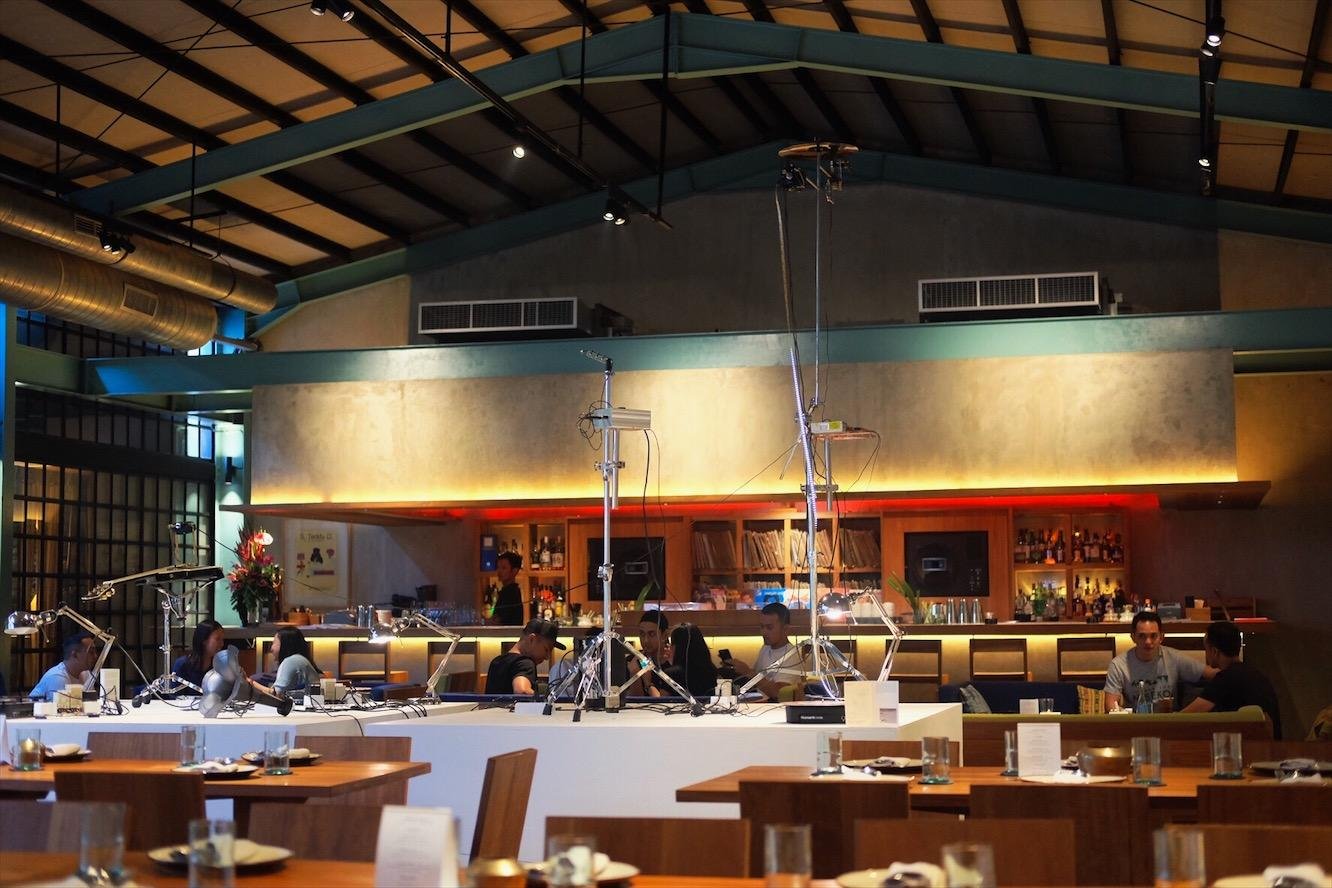
About Kaum
Kaum sits in Menteng, Jakarta's most composed colonial-era neighbourhood, and focuses its menu on Indonesian regional ingredients and cooking traditions that rarely surface in the capital's mainstream dining scene. Ranked #466 on Opinionated About Dining's 2025 Asia list, it represents a specific strand of Indonesian culinary preservation that sets it apart from the city's abundant international options. Chef Wayan Kresna Yasa leads the kitchen.
A Menteng Address, a Nationwide Pantry
Menteng carries a particular weight in Jakarta's geography. The neighbourhood's wide tree-lined streets and Dutch colonial architecture sit at a remove from the glass-tower energy of Sudirman or the mall density of Senayan, and restaurants here tend to reflect that composure. Kaum occupies a heritage building on Jl. Dr. Kusuma Atmaja, and the setting frames the kitchen's project before a single dish arrives: this is a restaurant interested in Indonesian food as a subject of serious documentation, not as a backdrop for international fusion.
The word kaum translates loosely to community or people, and that orientation runs through the sourcing logic that defines the kitchen's approach. Indonesia's 17,000-island archipelago contains one of the most biodiverse agricultural and coastal food systems on earth, yet Jakarta's fine-dining circuit has historically tilted toward Japanese, European, and pan-Asian formats. Kaum sits in a smaller, more deliberate strand of the city's restaurant culture, one that treats regional Indonesian produce, spice routes, and indigenous cooking techniques as the primary material rather than the aesthetic wrapper.
What Sourcing-Led Indonesian Cooking Actually Looks Like
The sourcing argument in Indonesian cuisine is not abstract. Across the archipelago, distinct ingredient cultures developed in relative isolation: the fermented shrimp pastes of Sulawesi differ materially from those of West Sumatra; the long pepper of Java reads differently from the cubeb varieties found further east; palm sugars vary by island and pressing method. Restaurants that engage with this complexity at the sourcing level are doing something categorically different from those that apply a generalised Indonesian aesthetic to standard kitchen ingredients.
Chef Wayan Kresna Yasa's position in the kitchen places a specific cultural lens on the menu. Balinese culinary tradition, with its emphasis on spice-forward ceremonial cooking and a different protein and herb palette than Javanese cuisine, informs how the kitchen approaches sourcing and recipe research. This is not a Balinese restaurant, but the lineage is present as one of several regional reference points rather than a uniform style applied across every plate. The effect is a menu with geographic range that requires the kitchen to maintain relationships with producers across multiple islands, not just local Jakarta suppliers.
This model has a counterpart in Bali itself. Nusantara By Locavore in Ubud and Locavore NXT in Ubud have built international recognition around similar sourcing discipline applied to the tasting menu format. Kaum operates from a different city, a different format register, and a different competitive context, but the underlying commitment to archipelago-wide ingredient literacy places it in the same conversation about what serious Indonesian cooking looks like in the 2020s.
Where Kaum Sits in Jakarta's Restaurant Structure
Jakarta's premium restaurant market is large and segmented. The international tier, covering Japanese omakase, European tasting menus, and upscale steakhouses like Meatguy Steakhouse, competes on global luxury signals. A distinct creative Indonesian tier, smaller and more recent in its current form, competes on cultural authority and ingredient knowledge. Kaum occupies the latter space, and its 2025 Opinionated About Dining Asia ranking at #466 places it on the same ranked list as restaurants operating across Tokyo, Hong Kong, Bangkok, and Singapore, contexts where competition for inclusion is considerably more compressed than in most Southeast Asian markets.
For comparison, the OAD Asia list reflects critic-led polling from food professionals across the region. An entry at any rank signals consistent recognition from a peer community that eats widely and holds documented standards. Restaurants like August, another Jakarta entry in the EP Club database, occupy a different format tier but operate within the same awards ecosystem. The presence of Jakarta on this list at all reflects how seriously the city's restaurant scene has developed over the past decade.
The Indonesian diaspora has also generated a set of reference restaurants internationally that provide useful comparison points. Cumi Bali in Singapore, Lucky Indonesia in Hong Kong, Feria in Treviso, and Dija Mara in Oceanside each interpret Indonesian cooking for non-Indonesian audiences, often with the sourcing compromises that come with operating outside the archipelago. Eating at Kaum in Jakarta means encountering the cuisine in conditions where the full ingredient chain is accessible, which is a material difference from diaspora versions, however skilled their kitchens.
Other Indonesia-based reference points include Kahyangan in Gondangdia, Rumari in Jimbaran, Sarong Bali in Canggu, and The Legian in Seminyak, each working within a different format and audience context across the Bali-Jakarta axis. Sate House in Taipei extends the regional comparison further into East Asia. Kaum belongs to the Jakarta end of this extended network, with the capital city's scale and supplier access as structural advantages.
Planning a Visit
Kaum is located at Jl. Dr. Kusuma Atmaja No. 77 in Menteng, Jakarta Pusat, a neighbourhood most easily reached by private car or ride-hailing given Jakarta's traffic patterns. Menteng sits roughly central within the city, and the restaurant's colonial-building setting makes the address direct to locate on standard map applications. Given the restaurant's recognition profile and the relatively small number of serious Indonesian-format restaurants in the city, booking ahead is advisable; walk-in availability at peak dinner hours on weekends is unlikely. Specific hours and current booking channels are leading confirmed directly through the venue, as neither phone nor website data is available in current public records. The restaurant's neighbourhood character, a quieter residential-commercial precinct rather than a nightlife corridor, means the visit has a specific register: considered, residential, composed rather than scene-driven.
For readers building a broader Jakarta trip, the EP Club guides cover the full range of the city's options: our full Jakarta restaurants guide, our full Jakarta hotels guide, our full Jakarta bars guide, our full Jakarta wineries guide, and our full Jakarta experiences guide map the city's options across categories.
Frequently Asked Questions
- Does Kaum work for a family meal?
- In Jakarta, where Indonesian food spans every price point, Kaum's position as a recognition-ranked restaurant in a heritage Menteng address makes it better suited to an adult dining occasion than a casual family outing.
- What's the overall feel of Kaum?
- If you arrive expecting the energy of Jakarta's newer hospitality districts, Menteng will reorient you quickly. For a restaurant that holds a position on Opinionated About Dining's 2025 Asia list, the neighbourhood sets a composed, heritage tone. The feel is deliberate and specific rather than fashionable, which suits the sourcing-focused menu well. Price range data is not publicly available, but the awards context places it in Jakarta's serious dining tier.
- What should I order at Kaum?
- Without verified dish data it would be misleading to name specific plates, but the kitchen's focus on regional Indonesian sourcing under Chef Wayan Kresna Yasa, recognised on the OAD Asia 2025 ranking, means the menu's most interesting choices are likely those that reference specific island-sourced ingredients or preparation traditions rather than familiar pan-Indonesian standards. Ask the floor team which dishes are drawing on the most specific regional sourcing at the time of your visit.
Recognized By

Related editorial
- Best Fine Dining Restaurants in ParisFrom three-Michelin-star icons to the next generation of Parisian chefs pushing boundaries, these are the restaurants that define fine dining in the world's culinary capital.
- Best Luxury Hotels in RomeFrom rooftop terraces overlooking ancient ruins to Michelin-starred hotel dining, these are the luxury hotels that make Rome unforgettable.
- Best Cocktail Bars in KyotoFrom sleek lounges to hidden speakeasies, Kyoto's cocktail scene blends Japanese precision with global influence in ways you won't find anywhere else.
Save or rate Kaum on Pearl
Keep this venue in your Pearl passport, rate it after you visit, and track it alongside every other place you collect.