
Restaurant in Bandung, Indonesia
Kakkoii All You Can Eat Japanese BBQ & Shabu - Shabu, Bandung
100ptsDual-Format Tabletop AYCE
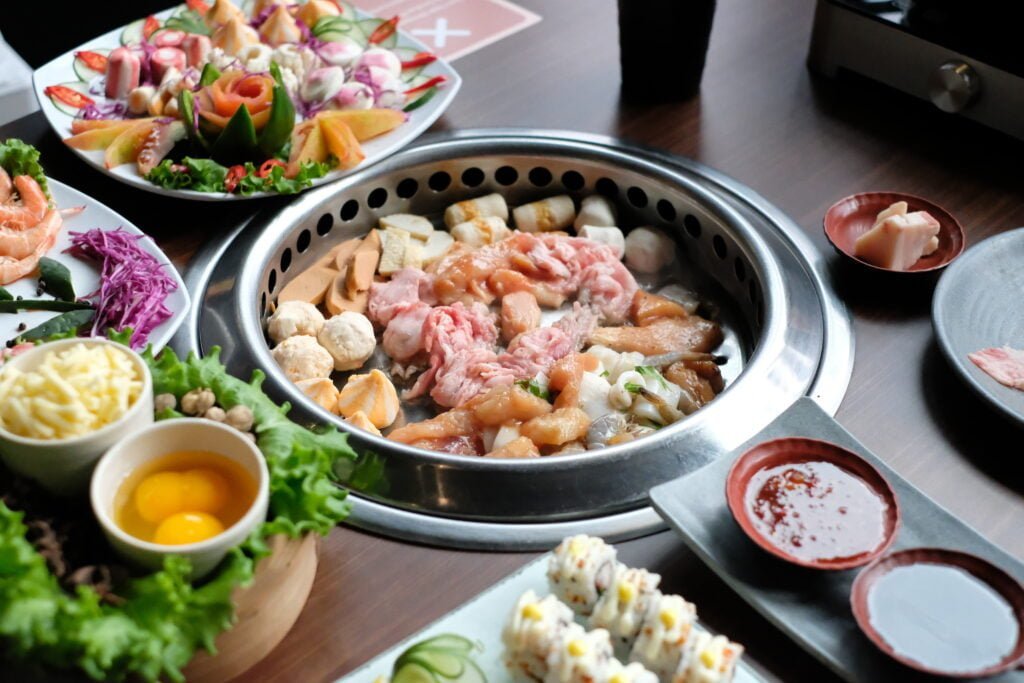
About Kakkoii All You Can Eat Japanese BBQ & Shabu - Shabu, Bandung
Kakkoii All You Can Eat Japanese BBQ and Shabu-Shabu sits on Jalan Karangsari in Bandung's Pasteur district, bringing the interactive grill-and-broth format that defines izakaya group dining in Japan to a city with a growing appetite for communal Japanese cooking. The all-you-can-eat structure places it in a competitive mid-range tier that has expanded considerably in Bandung over the past several years, alongside grills and hotpot specialists competing for the same table.
The Ritual Before the First Bite
There is a particular rhythm to Japanese tabletop cooking that sets it apart from almost any other communal dining tradition in Southeast Asia. At a yakiniku or shabu-shabu table, the meal does not arrive — it unfolds. Proteins are selected, heat is managed, dipping sauces are layered, and the pace is entirely in the hands of the people seated around the grill. This is a format that resists rushing. It also resists indifference: if you are not paying attention to what is on the grate, something burns.
Kakkoii All You Can Eat Japanese BBQ and Shabu-Shabu, located at Jalan Karangsari No. 14 in Bandung's Pasteur area within the Sukajadi district, operates inside this tradition. The dual format — charcoal or gas grill for yakiniku alongside the simmering broth pot for shabu-shabu , means the table effectively becomes a kitchen, and the etiquette governing that kitchen is what shapes the experience from the first selection to the last.
Two Cooking Methods, One Table Logic
The coexistence of yakiniku and shabu-shabu under one roof is more common in Indonesian Japanese restaurant chains than it might appear on the surface. Both formats share a structural similarity: they are built for groups, they require active participation, and they reward diners who understand the sequencing. In shabu-shabu, thin-sliced meat is swished briefly through simmering dashi or kombu broth , the name itself is onomatopoeic, mimicking the sound of the swishing motion. The broth gradually absorbs the protein's flavour as the meal progresses, so the soup eaten at the end of a shabu-shabu session tastes markedly different from the clean stock poured at the start.
Yakiniku, by contrast, is about direct heat and the Maillard reaction: the caramelisation of the meat's surface against a grill, timed carefully to avoid overcooking cuts that are often thin enough to cook in under a minute. The dipping sauce , typically a sesame-based tare or ponzu , is not an afterthought but a calibrated component of each bite. Knowing which cuts suit high heat versus lower, indirect heat is the kind of knowledge that separates a confident yakiniku diner from one who ends up with grey, overcooked protein.
For Indonesian diners who grew up with sate culture and the communal grilling habits embedded in the archipelago's food traditions, this format is not entirely foreign. The act of gathering around a heat source and managing one's own cooking is culturally legible in a way that a plated Western tasting menu is not. That crossover probably explains why the all-you-can-eat yakiniku and hotpot category has grown so quickly in cities like Bandung. For comparison, formats built on interactive tabletop cooking , from Sichuan hotpot at places like Chongqing Liuyishou Hotpot in South Jakarta to the theatrical service at Hai Di Lao in Central Jakarta , have demonstrated consistent demand across Indonesian urban markets.
Bandung's Japanese BBQ Tier
Bandung has developed a reasonably dense cluster of Japanese grill and hotpot options over the past decade, particularly in the Pasteur and Sukajadi corridors where Kakkoii operates. The city's position as a weekend destination for Jakarta visitors , a roughly three-hour drive or under two hours by certain train services , has historically pushed restaurant operators toward formats that work for groups and feel like an event rather than a functional weekday meal. All-you-can-eat Japanese BBQ fits that brief.
Within Bandung's broader grill category, Kakkoii sits alongside venues like Hachi Grill Sutami Bandung and Bonfire Roast and Grill, each operating in slightly different format registers. The Japanese specialist options in the city also extend to venues like Musouya, which approaches Japanese dining from a different angle. For diners wanting Indonesian cooking alongside these options, Kunyit Restaurant and Purnawarman Restaurant represent the local end of the spectrum. A fuller picture of what Bandung's dining options look like across categories is available in our full Bandung restaurants guide.
The all-you-can-eat pricing model that Kakkoii uses is the dominant format for this category in Indonesian cities. It functions partly as a democratising mechanism: it removes the per-cut anxiety that can make a la carte yakiniku feel expensive, and it encourages diners to pace themselves through multiple rounds of different proteins and vegetables rather than anchoring to a single order. The model also places the kitchen's job on a different footing , consistency and throughput matter more than individual dish precision.
The Pace and Etiquette of the Meal
Japanese tabletop cooking formats carry their own unspoken rules. In shabu-shabu specifically, the broth pot is shared, which means the sequencing of what goes in first matters: delicate items like tofu and vegetables before pungent or heavily marinated cuts. The dipping sauces , typically ponzu for a citrus-acidic note and goma dare (sesame sauce) for richness , are prepared at the table and adjusted to taste, meaning two people at the same table can end up with meaningfully different flavour experiences from the same ingredients.
At yakiniku tables, the grill surface itself requires management. Grease accumulates, and grates need to be changed periodically to prevent bitterness from carbonised residue affecting the meat. This is the kind of practical knowledge that rewards repeat visitors to the format more than first-timers, and it is worth noting that the all-you-can-eat structure actively encourages that experimentation , there is less cost pressure on any single attempt at the grill.
For diners who want to situate this kind of experience within Indonesia's broader premium dining scene, points of comparison might include the Korean-Japanese crossover formats in Jakarta, or the more composed Japanese cooking at venues like Kita Restaurant and Bar in Menteng. For those tracking Indonesian fine dining more broadly, August in Jakarta and Locavore NXT in Ubud represent the more chef-driven end of the national restaurant spectrum, while Bali's casual options like Bikini Restaurant Bali and Jungle Fish Bali occupy a different price and format tier altogether. Internationally, the precision of tabletop hospitality at a counter-service level is explored in venues like Atomix in New York City, though that comparison illuminates how far the format can travel in either direction from its casual roots.
Planning Your Visit
Kakkoii is located in the Pasteur area of Sukajadi, Bandung, at Jalan Karangsari No. 14. The Pasteur corridor is a commercially active zone in the city's northwest, with good road access from the Pasteur toll gate connecting to the Jakarta-Bandung highway. For weekend visitors arriving from Jakarta, the restaurant sits relatively close to the main entry point into the city, making it a practical early stop before pushing further into central Bandung. Given the all-you-can-eat format, the meal is leading suited to a group of three or more who can make the most of the selection range. Phone and booking information are not available in our current data; checking via Google Maps or local platforms like GoFood or GrabFood before visiting is advisable, particularly on weekend evenings when group dining demand in Bandung is highest. Additional dining options nearby worth considering include Hwang Fu Dimsum in Tangerang for a different slice of Chinese-Indonesian dining, or Agreya Coffee Bogor for a quieter stop if you are passing through Bogor on the way back. And for a completely different kebab-forward experience in eastern Indonesia, Istanbul Kebab in Lombok Utara illustrates how far the region's informal dining options stretch.
Frequently Asked Questions
- What should I eat at Kakkoii All You Can Eat Japanese BBQ and Shabu-Shabu, Bandung?
- The venue's dual format means you are choosing between two interactive cooking traditions at the same table: yakiniku grilling and shabu-shabu hot broth. In shabu-shabu, thin-sliced beef and vegetables passed through a simmering kombu broth are the structural anchors of the meal, with ponzu and sesame dipping sauces adjusted to personal preference. For yakiniku, fatty cuts that render quickly over direct heat tend to perform better than lean cuts, which can tighten up if left on the grill a few seconds too long. Given the all-you-can-eat format, the practical approach is to begin with one cooking method to establish your pace before switching to the other, rather than attempting both simultaneously across a smaller group.
- Is Kakkoii All You Can Eat Japanese BBQ and Shabu-Shabu, Bandung reservation-only?
- Current booking policy data for this venue is not available through our records. In Bandung's group dining category more broadly, all-you-can-eat Japanese BBQ restaurants tend to operate without strict advance reservation requirements on weekdays but can fill quickly on Friday and Saturday evenings, particularly during school holiday periods when the city sees higher visitor volumes from Jakarta. Checking via Google Maps, GoFood, or GrabFood for current operating hours and any walk-in queue information before visiting on a weekend is a practical precaution.
- How does the dual BBQ and shabu-shabu format at Kakkoii compare to other Japanese dining options in Bandung?
- The combination of yakiniku grilling and shabu-shabu broth cooking under one all-you-can-eat structure positions Kakkoii in a group-dining format that is distinctly different from single-focus Japanese restaurants in the city. Venues like Musouya and Hachi Grill Sutami Bandung approach Japanese dining from different angles and price points. The all-you-can-eat model at Kakkoii removes per-item pricing pressure, making it a practical choice for larger groups who want to cover both cooking formats in a single sitting without committing to individual order decisions.
Related editorial
- Best Fine Dining Restaurants in ParisFrom three-Michelin-star icons to the next generation of Parisian chefs pushing boundaries, these are the restaurants that define fine dining in the world's culinary capital.
- Best Luxury Hotels in RomeFrom rooftop terraces overlooking ancient ruins to Michelin-starred hotel dining, these are the luxury hotels that make Rome unforgettable.
- Best Cocktail Bars in KyotoFrom sleek lounges to hidden speakeasies, Kyoto's cocktail scene blends Japanese precision with global influence in ways you won't find anywhere else.
Save or rate Kakkoii All You Can Eat Japanese BBQ & Shabu - Shabu, Bandung on Pearl
Keep this venue in your Pearl passport, rate it after you visit, and track it alongside every other place you collect.