
Restaurant in Campos, Spain
Kairiku
110ptsKaiseki in the Mallorcan Interior

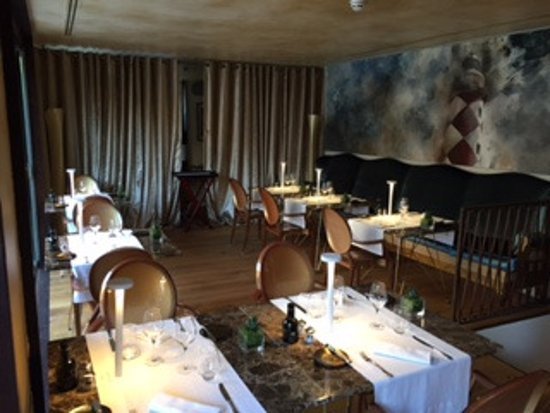
About Kairiku
A Michelin Plate-recognised Japanese restaurant in the Mallorcan interior, Kairiku occupies rare ground: kaiseki-influenced precision applied far from the island's coastal tourism circuit. With a 4.6 Google rating from 73 reviews and a price point at the top of Campos's dining tier, it represents a specific and considered bet on what serious Japanese cooking can mean in rural Spain.
Japanese Precision in the Mallorcan Interior
Campos sits at the southern end of Mallorca's agricultural plain, a town whose identity is shaped more by salt flats, dry-stone walls, and weekly markets than by the coastal resort economy that dominates the island's reputation. Arriving here for Japanese food — serious Japanese food, at the €€€€ price tier, recognised in 2024 by Michelin's Plate distinction — requires a recalibration. This is not a beach-adjacent fusion concept positioned at tourists moving between Palma and the coves. It is something more deliberate: a restaurant whose placement in a small inland town signals that its audience is choosing it specifically, not stumbling upon it.
Kairiku earns a 4.6 from 73 Google reviews, a score that carries more weight at this sample size than it might at several hundred reviews, where regression to the mean tends to flatten the signal. At a table count and booking format that the available data doesn't confirm precisely, the working assumption from that review distribution is a small, controlled operation running at near-capacity when it operates. That is the shape of Japanese restaurants with serious intent in European settings: limited covers, deliberate pacing, a format that does not try to scale beyond what the kitchen can execute with discipline.
The Kaiseki Framework and Why It Travels
Kaiseki, in its classical form, is a multi-course structure built around seasonal ingredients, the aesthetic principles of Japanese cuisine , balance of colour, temperature, texture, cooking method , and a progression that treats each course as both an individual statement and a movement in a longer composition. The tradition emerged from the tea ceremony, where small dishes were served before the bitter matcha to settle the palate and the mind. Its formal expression in Kyoto ryotei is one of the most codified dining experiences in the world: every element , the lacquerware, the folded napkin, the ceramic choice for a given course , carries meaning.
What happens when that framework is applied outside Japan, and specifically outside the network of ingredient suppliers, seasonal signals, and cultural reference points that give kaiseki its grammar, is one of the more interesting questions in contemporary fine dining. The answer, in the leading cases, is not imitation but translation: the structural logic and aesthetic discipline of kaiseki applied to local produce, Mediterranean seasonality, and a European dining tempo. Restaurants in this mode are working in a productive tension , borrowing rigour from a tradition while adapting its vocabulary to a different geography. For a fuller view of how that tension resolves at the most technically accomplished end of Japanese cooking, Myojaku in Tokyo and Azabu Kadowaki in Tokyo offer reference points from within the tradition itself.
Mallorca's Fine Dining Context
Mallorca's high-end restaurant scene is concentrated in Palma and, to a lesser extent, in the northeast. The island's Michelin footprint has grown steadily in the past decade, with a cluster of recognitions for modern Mediterranean cooking that draws on the island's produce , almonds, sobrassada, sea urchin from local waters, tomàtiga de ramellet , as primary material. Within that context, a Japanese restaurant operating at the €€€€ tier in the interior is a genuinely unusual positioning. The Michelin Plate distinction in 2024 confirms that the kitchen is operating at a level of technical seriousness that Michelin's inspectors found worth noting, even if the full-star conversation is a different threshold.
For comparison, the Spanish mainland's top-tier Japanese-influenced creative restaurants , DiverXO in Madrid, which holds three Michelin stars and works explicitly with Asian references in a progressive European frame , demonstrate how Japanese technique and aesthetic thinking have infiltrated the upper tier of Spanish fine dining. Kairiku is operating at a different scale and with a different geographical logic, but it sits within the same broader pattern: Japanese cooking as a serious reference point in Spanish restaurant culture, not an exotic addition to it.
The Campos fine dining scene is small enough that Kairiku occupies a distinct position in it. Tess de Mar, the other address at the leading of the Campos dining tier, works in modern cuisine with a different set of references. Together they represent the breadth of what serious cooking looks like in a town that most visitors would pass through rather than plan around. That is changing, and restaurants like Kairiku are part of the reason.
Spanish Fine Dining at the Leading Level: The Wider Context
Positioning Kairiku within Mallorca's dining scene is one frame. Another is the broader Spanish fine dining circuit, where restaurants at the three-star level , El Celler de Can Roca in Girona, Arzak in San Sebastián, Azurmendi in Larrabetzu, Martin Berasategui, Mugaritz in Errenteria, Cocina Hermanos Torres in Barcelona, Quique Dacosta in Dénia, Aponiente in El Puerto de Santa María, and Ricard Camarena in València , define the national frame of reference. Spain's most decorated restaurants are, almost without exception, expressions of regional identity and local produce at technical extremes. Kairiku is not in that conversation, nor is it trying to be. Its reference tradition is Japanese, its geography is Mallorcan, and its ambition appears to be the execution of that particular combination at the level of seriousness that Michelin's 2024 recognition confirms.
Planning a Visit
Campos is roughly thirty kilometres south of Palma, accessible by car in under forty minutes from the capital or from most of the island's major resort areas. A restaurant at this price tier in a town of this size operates on a different logic than Palma's high-visibility dining addresses: reservations should be treated as mandatory, and the booking window is likely to be longer than guests accustomed to urban walk-in culture might expect. The €€€€ pricing places Kairiku at the leading of Mallorca's interior dining tier, where the expectation is a multi-course format with a progression that justifies the price and the journey. For anyone building a serious Mallorca itinerary around food rather than around beaches, the town warrants a stop on its own terms. Our full Campos restaurants guide covers the broader dining picture, while our Campos hotels guide, bars guide, wineries guide, and experiences guide map out everything else the area offers.
FAQ
What do regulars order at Kairiku?
The available data does not confirm specific dishes or a fixed menu format at Kairiku. What the Michelin Plate recognition, the €€€€ pricing, and the 4.6 Google rating collectively suggest is a kitchen operating with enough consistency and technical seriousness that the multi-course format , whatever its current expression , is the appropriate way to experience it. At this price point and with this level of recognition, ordering à la carte where a tasting menu is available would likely mean missing the structural logic that makes the cooking coherent. The kaiseki-influenced approach, if present in the kitchen's thinking, rewards commitment to the full sequence rather than selection from it.
Recognized By

Related editorial
- Best Fine Dining Restaurants in ParisFrom three-Michelin-star icons to the next generation of Parisian chefs pushing boundaries, these are the restaurants that define fine dining in the world's culinary capital.
- Best Luxury Hotels in RomeFrom rooftop terraces overlooking ancient ruins to Michelin-starred hotel dining, these are the luxury hotels that make Rome unforgettable.
- Best Cocktail Bars in KyotoFrom sleek lounges to hidden speakeasies, Kyoto's cocktail scene blends Japanese precision with global influence in ways you won't find anywhere else.
Save or rate Kairiku on Pearl
Keep this venue in your Pearl passport, rate it after you visit, and track it alongside every other place you collect.