
Restaurant in Pirot, Serbia
KAFANA DUKAT
100ptsOld-Guard Serbian Kafana
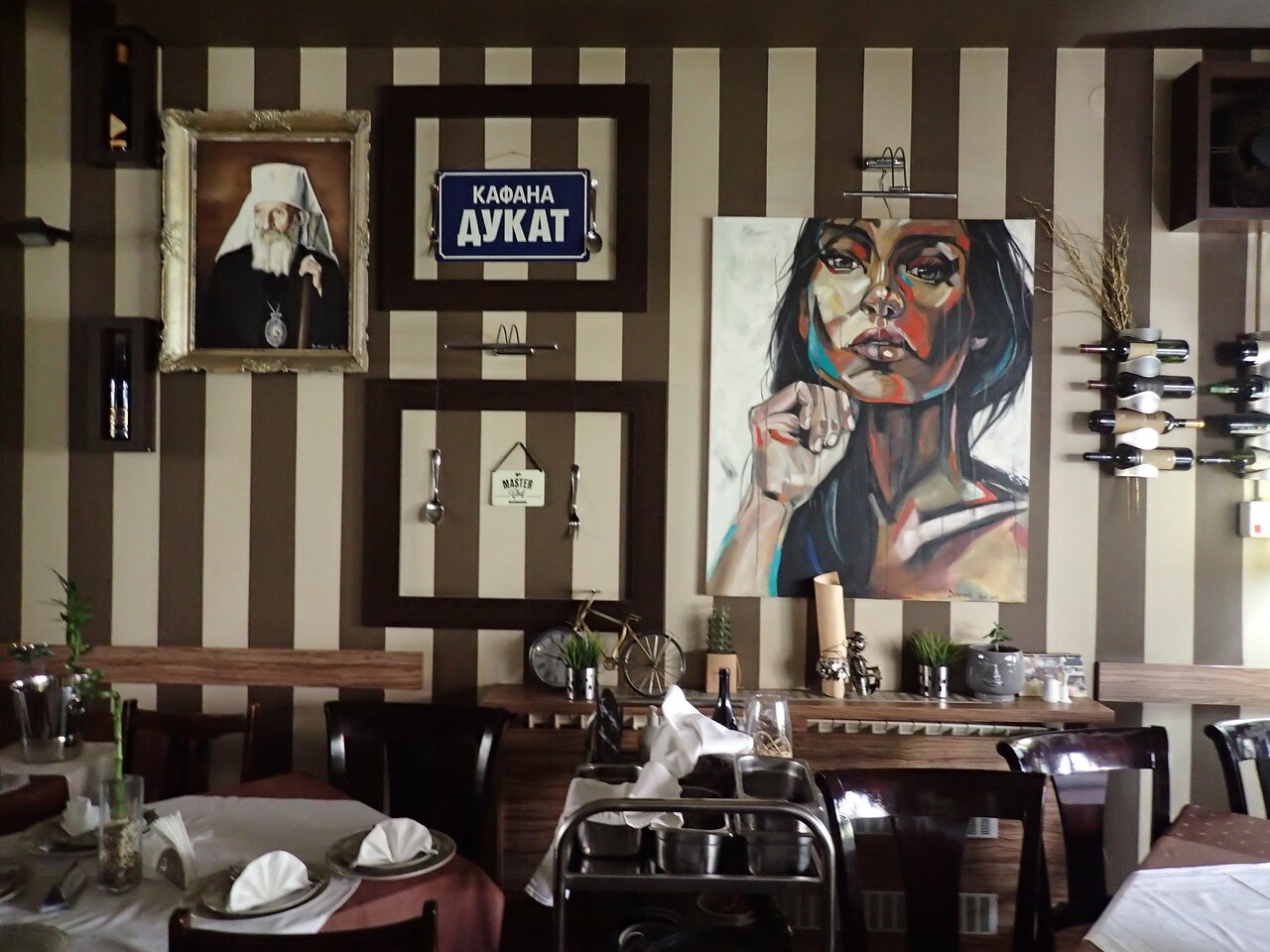
About KAFANA DUKAT
SoÄan miks mesa i kobasice uz prepeÄeni hleb
Where the Kafana Tradition Still Has Weight
There is a particular quality to a Serbian kafana that no amount of concept dining can replicate: the sense that the room has absorbed decades of argument, celebration, and ordinary Tuesday evenings in roughly equal measure. Kafana Dukat, on Vuka Pantelića in Pirot, operates within that tradition. The address alone tells you something. Pirot sits in Serbia's southeast corner, close to the Bulgarian border, in a region where the cooking is shaped by proximity to the Balkan interior rather than by the westernized urban menus spreading outward from Belgrade. That geographical position is the context for everything on the table here.
What the Region Puts on the Plate
Southeastern Serbia has its own culinary logic, and it differs meaningfully from the Vojvodina-influenced kitchens of the north or the more international registers appearing in Novi Sad and Belgrade. The Pirot area is defined by highland grazing, river valley agriculture, and a pastoral economy that kept industrialized food supply at a distance for much longer than the major urban centers. In practice, that means a cuisine oriented around slow-cooked meats, preserved vegetables, and dairy from animals raised on terrain that produces a distinct fat composition and flavor profile in the final product.
Kafana cooking in this part of Serbia treats ingredient provenance not as a marketing concept but as a practical matter: the lambs, pigs, and cattle that appear on plates in this region are raised locally because that is how it has always been organized. The same applies to the vegetable side of the menu, which shifts with the season in ways that a kitchen dependent on centralized distribution would not. For visitors arriving from metropolitan dining cultures where farm-to-table positioning is a choice, the contrast is instructive. Here, sourcing locally is structural rather than aspirational.
The broader Pirot dining scene offers several reference points for understanding where Kafana Dukat sits. ETNO KOMPLEKS NIŠAVSKA DOLINA and KRČMA LADNA VODA both occupy the ethnographic-experience end of the spectrum, where rustic setting and folkloric presentation are part of the proposition. KOD PIROĆANCA and Vitina Iža lean toward a similar register. The kafana format, by contrast, is less staged. It is a working room where the food is the main event rather than one element inside a broader heritage performance. Cafe Boem operates closer to the urban café end of the Pirot spectrum. Kafana Dukat belongs to a different tier: the traditional tavern with a serious kitchen, operating within a format that has remained consistent across several generations.
The Kafana Format Itself
It is worth understanding what a kafana is, because the word does not translate cleanly into Western hospitality vocabulary. It is not quite a pub, not quite a restaurant, and not quite a social club, though it functions as all three. The format arrived in the Balkans during the Ottoman period and evolved across the nineteenth and twentieth centuries into a specifically Serbian institution: a room with tables, a kitchen producing substantial food, a bar running domestic spirits and local wine, and a social atmosphere that discourages both speed and pretension. In its mature form, the kafana expects you to stay, not to turn the table. The food service is secondary to the social contract.
This matters for sourcing because the kafana kitchen has always been organized around predictability and volume rather than constant innovation. The dishes that have persisted are the ones that work: slow-braised meats that tolerate holding, grilled cuts from animals that local suppliers deliver reliably, soups built from stocks made in-house over long periods, and the preserves, pickles, and fermented dairy products that arrive from producers within the region. The supply chain is short because the menu demands it. Rotating exotic ingredients into a kafana kitchen would break the format's internal logic.
Pirot in the Broader Serbian Context
Visitors planning a circuit through Serbian regional cuisine will find Pirot considerably less trafficked than the Zlatibor area, the Fruška Gora wine region, or the established restaurant corridor in Belgrade. That lower visibility is partly a function of infrastructure: Pirot sits on the E80 corridor toward the Bulgarian border, which generates transit traffic but not the kind of purposeful food tourism that accumulates around mountain resort towns or the Danube wine route.
The comparison point is useful. Venues like Etno Kuća Dinar in Vrsac or Lovački dom in Valjevo operate within similar regional-traditional frameworks in towns that also sit outside the main tourist infrastructure. In each case, the quality of the food is calibrated to a local clientele that knows what it should taste like, not to visitors who can be satisfied with approximations. That dynamic tends to produce more honest cooking than the heritage-tourism circuit, where theatrics can substitute for substance. Places like Kod poštara in Aran Elovac and Aleksandar Gold in Uzice operate within that same calibration logic across different Serbian towns.
The contrast with Belgrade's contemporary dining tier, where venues like Langouste operate in an entirely different register, is significant. Pirot's kafana circuit is not competing with urban fine dining any more than the traditional kafana format is competing with tasting menu formats globally. The two sets of values are simply different. For a sense of how far that distance extends internationally, the comparison to Le Bernardin in New York City or Atomix clarifies the axis: ingredient sourcing, in those contexts, is a prestige signal and a price driver. In Pirot's kafana tradition, it is simply how the supply chain was always organized.
Planning a Visit to Pirot
Pirot is approximately 180 kilometers southeast of Belgrade on the E80 motorway, making it a plausible day trip from the capital or a stop on a route toward Niš or the Bulgarian border. The town has enough to justify an overnight stay if the goal is to take the dining pace seriously, which the kafana format actively encourages. Kafana Dukat's address on Vuka Pantelića is central and walkable from the town's main square. Specific hours and booking arrangements are not published in available records, so confirming in advance, either by direct visit or through local inquiry, is the practical approach. The broader Pirot scene is covered in our full Pirot restaurants guide, which contextualizes the town's dining options across different formats and price registers. For comparable regional experiences elsewhere in Serbia, Grand in Kopaonik, Windmill in Pancevo, ČARDA ZLATNA KRUNA in Apatin, and Kafe Restoran Maša in Novi Sad each offer a different regional inflection on the same tradition of substantial, locally sourced cooking in social settings. Kod Brana in Cacak operates in a format closely aligned with the kafana tradition.
Frequently Asked Questions
- What do people recommend at Kafana Dukat?
- The kafana tradition in southeastern Serbia centers on slow-cooked meats, grilled cuts from locally raised animals, and preserved seasonal vegetables. Visitors familiar with Serbian kafana cooking tend to focus on the meat-centered dishes, which in this region reflect highland grazing traditions specific to the Pirot area. The kitchen's sourcing logic, built on short local supply chains, shapes what appears on the menu more than any single dish or chef decision.
- How far ahead should I plan for Kafana Dukat?
- No published booking data is available for Kafana Dukat. In the kafana format generally, reservations are less formalized than in urban fine dining, but confirming availability is practical, particularly on weekends or during local events. Pirot's position on a major transit corridor means the town sees variable traffic, and a call or direct visit ahead of time is the sensible approach given the absence of an online booking system in available records.
- What is the defining dish or idea at Kafana Dukat?
- The defining idea is the kafana format itself: a room organized around sustained social dining rather than efficient table turns, with a kitchen built on local supply chains and recipes calibrated for a local clientele that has consistent expectations. In southeastern Serbia's culinary tradition, that means slow-cooked and grilled meats from regional producers, seasonal vegetable accompaniments, and domestic spirits and wine served as part of the same extended meal. The dish is less the point than the logic behind it.
- Is Kafana Dukat allergy-friendly?
- No allergy or dietary accommodation information appears in available records for Kafana Dukat. The kafana kitchen is traditionally built around meat-centered dishes, animal fats, and dairy, which limits options for guests with significant dietary restrictions. Directly contacting the venue before visiting is the only reliable way to establish what adjustments, if any, the kitchen can accommodate. No website or published phone number is available in current records, making in-person inquiry or local assistance the practical route.
- Is a meal at Kafana Dukat worth the investment?
- The kafana format operates at price points calibrated to local incomes rather than tourist or fine-dining markets, which in southeastern Serbian towns like Pirot typically means a substantial meal at a cost significantly below what comparable regional cooking commands in Belgrade or in heritage-tourism venues. The value proposition is in the authenticity of the format: a kitchen working within a tradition that predates the concept of ingredient sourcing as a premium signal, in a town where the local clientele enforces quality through repeat patronage rather than review platforms.
- Is Kafana Dukat a good base for exploring Pirot's wider food and drink scene?
- Pirot's food scene has enough range that a half-day of serious eating is achievable within walking or short driving distance of the town center. Kafana Dukat's address on Vuka Pantelića places it within reach of the town's other traditional venues, including the ethno-complex formats and the café tier. For visitors building a regional itinerary around southeastern Serbian cooking, Pirot warrants more than a single meal stop, and the kafana format is the appropriate starting point for understanding how the region's food culture is organized.
Related editorial
- Best Fine Dining Restaurants in ParisFrom three-Michelin-star icons to the next generation of Parisian chefs pushing boundaries, these are the restaurants that define fine dining in the world's culinary capital.
- Best Luxury Hotels in RomeFrom rooftop terraces overlooking ancient ruins to Michelin-starred hotel dining, these are the luxury hotels that make Rome unforgettable.
- Best Cocktail Bars in KyotoFrom sleek lounges to hidden speakeasies, Kyoto's cocktail scene blends Japanese precision with global influence in ways you won't find anywhere else.
Save or rate KAFANA DUKAT on Pearl
Keep this venue in your Pearl passport, rate it after you visit, and track it alongside every other place you collect.