
Restaurant in Paris, France
Jòia par Hélène Darroze
110ptsSouth West French Regionalism

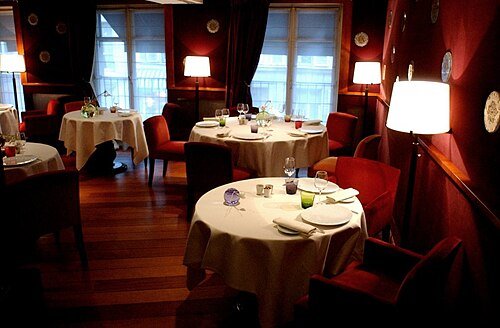
About Jòia par Hélène Darroze
Jòia par Hélène Darroze sits at a more accessible price point than Paris's three-star French houses, carrying a 2024 Michelin Plate and a Google rating of 3.8 from over 1,400 reviews. Located in the 2nd arrondissement on Rue des Jeuneurs, it channels the cooking traditions of South West France into a central Paris address. For those weighing value against prestige, it occupies a distinct tier from comparable €€€€ peers like Le Cinq or L'Ambroisie.
South West France in the 2nd Arrondissement
Paris's relationship with regional French cooking has always been complicated. The capital imports techniques and chefs from every corner of the country, then reframes them through a Parisian lens that can flatten or sharpen depending on the kitchen. The cooking of South West France, with its duck fat, Armagnac, cured meats, foie gras, and the deep vegetable traditions of the Landes and Gascony, tends to survive this process better than most. It is food with enough structural conviction to resist dilution.
Jòia par Hélène Darroze, at 39 Rue des Jeuneurs in the 2nd arrondissement, represents one of the more deliberate attempts to bring that regional identity into central Paris. The address places it within easy reach of the Grands Boulevards and the Sentier neighbourhood, an area that in recent years has shifted from wholesale trade to a mix of design studios, media offices, and a food scene that runs from serious bistros to destination-level dining rooms. In that context, Jòia operates at a €€€ price point that sits below the city's three-star tier while carrying a 2024 Michelin Plate, a recognition that signals kitchen competence rather than transformative ambition. A Google score of 3.8 from 1,473 reviews reflects a broad and mixed audience, the kind of number that suggests the restaurant draws both neighbourhood regulars and destination visitors, with opinions splitting on value rather than execution.
The Lunch and Dinner Split
In Paris, the gap between a restaurant's lunch service and its dinner service is often wider than the menu difference suggests. Lunch in the French tradition carries specific social weight: it is the meal where professionals eat seriously, where set-formula menus offer the clearest window into a kitchen's range, and where the room operates at a pace that dinner rarely matches. Dinner tends to shift the dynamic, drawing visitors and occasion diners who expect a more theatrical pace and a longer spend.
At a €€€ level in Paris, the lunch formula is almost always where value concentrates. For regional French restaurants operating below the three-star tier, the midday set menu frequently functions as the most honest expression of the kitchen's priorities, with fewer course options but tighter sourcing and better price-to-ingredient ratios than an à la carte dinner. South West French cooking in particular suits this format: the cuisine is built around produce and preservation traditions that reward a shorter, more focused menu over an extended tasting architecture.
Dinner at this tier, by contrast, often fills with a different demographic. The Rue des Jeuneurs location, not far from major theatre and cinema venues around the Grands Boulevards, means evening covers likely include a larger proportion of pre- or post-event diners who are less focused on cuisine specificity and more on convenience and atmosphere. For a reader with a serious interest in South West French cooking, the midday service will generally offer a better ratio of kitchen attention to cost. For those more interested in the room, the evening service will carry its own character.
Where Jòia Sits in the Paris Hierarchy
Positioning matters when you are trying to decide how Jòia fits into a Paris dining itinerary. The three-star houses that define the upper end of Parisian French cooking, including Alléno Paris au Pavillon Ledoyen, Kei, L'Ambroisie, and Le Cinq at the Four Seasons George V, operate at €€€€ and price against each other in a peer set where the expectation is total technical mastery and extended service. Jòia at €€€ is a tier below that, and the 2024 Michelin Plate confirms it is recognised for quality without being placed in contention with those rooms.
That gap is not a criticism. It describes a different purpose. Regional French cooking at a Michelin Plate level in central Paris is a relatively specific offer, and it sits differently in an itinerary than a Arpège-style destination visit. Readers building a week in Paris who want to cover the full range of the country's cooking traditions might use Jòia alongside a single three-star reservation rather than as a substitute for one. For a broader view of how South West French cooking operates outside Paris, Bras in Laguiole sits in a different but related regional tradition, and Flocons de Sel in Megève shows how a strong regional identity can hold at altitude.
Internationally, the French restaurant tradition that Jòia draws from has deep influence. Le Bernardin in New York City is the most discussed French export in that market, operating at a different cuisine focus entirely but reflecting how South West lineage has distributed through global fine dining. Closer to home, Le Saint Boniface in Ixelles brings South West French cooking into Brussels at a different register. The comparison clarifies what Paris specifically offers: a version of this regional tradition filtered through the expectations of a capital city audience.
For context on what the upper end of French regional cooking achieves at its most refined, Auberge de l'Ill in Illhaeusern, Troisgros in Ouches, and Paul Bocuse in Collonges-au-Mont-d'Or each represent the benchmark against which French regional cooking in Paris is implicitly measured, and Mirazur in Menton shows how a southern French address can reach the leading of global rankings when regional specificity is pushed to its furthest point.
Planning Your Visit
Jòia par Hélène Darroze is located at 39 Rue des Jeuneurs, 75002 Paris. The 2nd arrondissement is well served by metro, with Bonne Nouvelle and Grands Boulevards both within a short walk. Budget: €€€, placing it below the four-star Parisian tier and within range for a considered midday meal without the full-evening commitment of a tasting menu. Awards: Michelin Plate 2024. Reservations: Booking ahead is advisable given the restaurant's recognition and central location; specific booking method is not confirmed in current records, so check directly with the venue. Dress: Not formally specified, but a €€€ Michelin-recognised room in central Paris generally expects smart casual at minimum.
For a fuller picture of where to eat, drink, and stay in the city, see our full Paris restaurants guide, Paris hotels guide, Paris bars guide, Paris wineries guide, and Paris experiences guide.
FAQ
What dish is Jòia par Hélène Darroze famous for?
The kitchen's focus is cuisine from South West France, a tradition built around ingredients such as foie gras, duck confit, and the preserved and cured products of Gascony and the Landes. The restaurant holds a 2024 Michelin Plate, which signals consistent kitchen quality rather than a single signature dish. Specific menu items are not confirmed in current records, and the menu is likely to reflect seasonal availability; the most current picture will come directly from the restaurant. What the Michelin Plate and the South West French cuisine designation together indicate is a kitchen anchored in regional product rather than technique-forward abstraction.
Recognized By

More restaurants in Paris
- ArpègeArpège is the strongest case in Paris for a milestone dinner built around vegetables. Alain Passard's three-Michelin-star kitchen sources daily from three biodynamic farms, and the menu shifts with the seasons — meaning no two visits are identical. At €€€€, it is worth booking if this specific philosophy excites you; if you need protein at the centre of the plate, look elsewhere.
- La GrenouillèreLa Grenouillère is a destination, not a Paris dinner option — two hours north in the Pas-de-Calais, Alexandre Gauthier runs a 2-Michelin-Star, Green Star kitchen ranked #77 on the World's 50 Best in 2024. Book well in advance, plan to stay overnight, and go if creative, place-rooted French cooking is your priority. If you need €€€€ ambition in the city, look elsewhere.
- Pierre GagnairePierre Gagnaire holds three Michelin stars and a La Liste score of 98 points (2026), making it one of Paris's most decorated creative French restaurants. At €€€€ and near-impossible to book, it is best reserved for milestone occasions or high-stakes business meals. Plan four to six weeks ahead minimum and contact the restaurant directly.
- Le TailleventLe Taillevent holds two Michelin stars, a La Liste score of 94 points, and one of Europe's deepest wine cellars — 3,800 selections across 40,000 bottles. Book 4–6 weeks out minimum; the restaurant closes weekends and availability is tight. The wine list is the deciding factor: engage with it fully and the $$$$-per-head spend is justified. Skip it and you're paying grande table prices for food alone.
- Guy SavoyGuy Savoy scores 99 points on La Liste 2026 and holds two Michelin stars, making it one of Paris's most decorated classical French kitchens. Dinner-only, Wednesday through Sunday, with a 34,000-bottle wine cellar and a Seine-side address on the Quai de Conti. Book six to eight weeks out at minimum — ideally three months for weekend dates.
- PlénitudePlénitude at Cheval Blanc Paris holds three Michelin stars, 99 points from La Liste, and the #1 ranking in Opinionated About Dining's Classical Europe list for 2025. Chef Arnaud Donckele's sauce-centred tasting menu, paired with Maxime Frédéric's award-winning pastry work and a dining room overlooking the Seine, makes it one of the strongest cases for a splurge meal in Paris — if you can secure the near-impossible reservation.
Related editorial
- Best Fine Dining Restaurants in ParisFrom three-Michelin-star icons to the next generation of Parisian chefs pushing boundaries, these are the restaurants that define fine dining in the world's culinary capital.
- Best Luxury Hotels in RomeFrom rooftop terraces overlooking ancient ruins to Michelin-starred hotel dining, these are the luxury hotels that make Rome unforgettable.
- Best Cocktail Bars in KyotoFrom sleek lounges to hidden speakeasies, Kyoto's cocktail scene blends Japanese precision with global influence in ways you won't find anywhere else.
Save or rate Jòia par Hélène Darroze on Pearl
Keep this venue in your Pearl passport, rate it after you visit, and track it alongside every other place you collect.