
Restaurant in Ballarat, Australia
Jaani Street Food
100ptsIngredient-Led Street Food
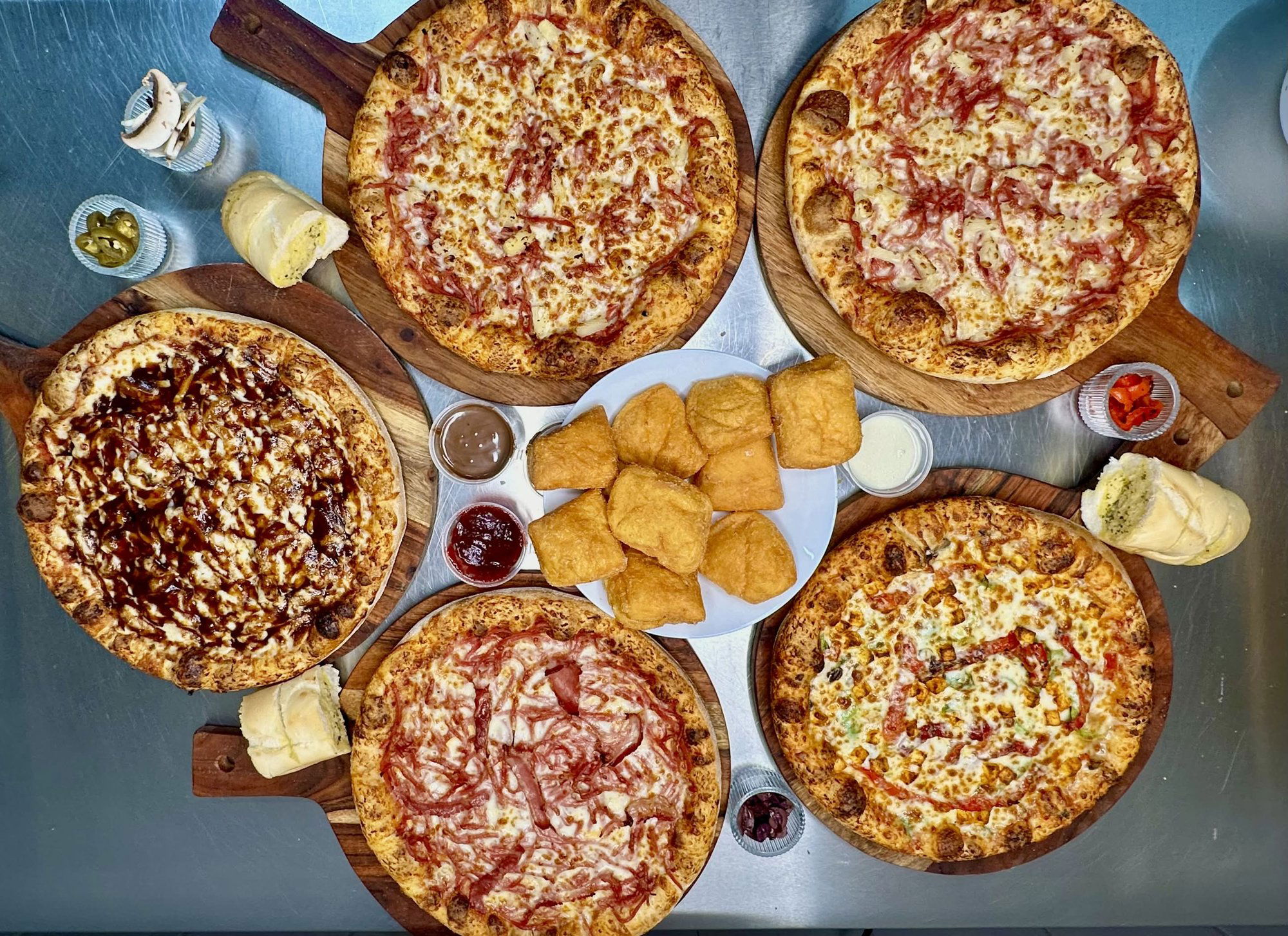
About Jaani Street Food
Street Food on Sturt Street Ballarat's main commercial spine, Sturt Street, has long carried a certain civic weight: wide boulevard, heritage bluestone, the slow accumulation of a regional city's social life played out in its cafes and...
Street Food on Sturt Street
Ballarat's main commercial spine, Sturt Street, has long carried a certain civic weight: wide boulevard, heritage bluestone, the slow accumulation of a regional city's social life played out in its cafes and shopfronts. In recent years, the strip has diversified well beyond the coffee-and-brunch formula that once defined it. Jaani Street Food, at number 807, sits within that shift. The address places it firmly in Ballarat Central, walkable from the city's core, and the format signals something distinct from the white-tablecloth dining that dominates local conversation about food.
Street food as a category carries specific expectations in Australia's regional cities: quick, informal, often misunderstood as a lesser register of cooking. The better argument is the opposite. Street food traditions across South Asia, the Middle East, and Southeast Asia represent some of the most technically demanding and ingredient-sensitive cooking in the world, where sourcing quality matters precisely because there is nowhere to hide behind elaborate saucing or long preparation windows. That discipline, when applied rigorously in a regional Australian context, produces something the area's more formal dining rooms rarely attempt.
Where the Ingredients Lead
The sourcing question is the right one to ask of any street food operation. The genre's economies can push toward commodity ingredients and speed, or they can anchor in the logic of the original tradition, where the produce itself determines the dish. Ballarat has a meaningful agricultural context: the Grampians region to the west, the Macedon Ranges to the east, and the Victorian High Country within reasonable supply distance all contribute to what is available to a kitchen that chooses to look locally. Regional Victoria's producers have increasingly found their way onto restaurant menus in Ballarat's more attentive dining rooms, and the street food category is not exempt from that broader shift.
Globally, the street food model at its most serious operates on short menus with high turnover, which concentrates quality pressure on a small number of core ingredients rather than diffusing it across a lengthy offering. That approach suits regional sourcing particularly well: it allows a kitchen to commit to seasonal produce cycles and to build supplier relationships with smaller-scale growers who cannot supply at volume. How Jaani specifically navigates that sourcing question is worth investigating directly with the venue, as detailed menu and supplier information is not publicly available at time of writing.
Ballarat's Dining Context
To understand where Jaani Street Food sits in Ballarat's current dining picture, it helps to map the broader field. The city has developed a genuinely varied scene for a regional centre of its size, with venues spanning formal European-influenced dining through to casual all-day formats. Renard and Meigas occupy the more considered end of the spectrum, while Cafe Lekker and Cobb's Coffee represent Ballarat's strong all-day cafe culture. Jaani operates in a different register from all of them, bringing an informal format to a street that could use more variety at the accessible, fast-casual end.
That positioning has parallels elsewhere in Australia. In Melbourne, the shift toward serious informal dining has been underway for over a decade, with venues like Barry Cafe in Northcote showing how neighbourhood informality and culinary rigour can coexist. Further afield, bills in Bondi Beach established a template for how casual format and quality sourcing reinforce rather than undermine each other. In Sydney's north, Johnny Bird in Crows Nest demonstrates a similar appetite for informal dining done with attention. The regional cities are catching up, and Ballarat's Sturt Street is one of the places where that is visible.
The comparison extends to how other Australian cities handle the street food category at a more ambitious level. Kulcha Restaurant Wollongong in Wollongong has made a case for South Asian-influenced cooking outside the metropolitan centres. Hungry Wolfs Italian Restaurant in Newcastle shows how a regional city can sustain a distinct culinary identity. These precedents matter because they confirm that quality at the informal end of the market is not a metropolitan monopoly. For the fuller picture of where Jaani fits within Ballarat's current offering, our full Ballarat restaurants guide maps the city's dining by format, price tier, and neighbourhood.
The Broader Register: Ingredient-Led Informality
Australian dining at its most considered, whether at Attica in Melbourne or Brae in Birregurra, has made provenance and local sourcing central to its identity. The argument those venues make at the formal end of the price spectrum is actually easier to make at the street food level, where the ingredient is the centrepiece rather than a component within a complex preparation. The discipline required to let a simply cooked ingredient carry a dish is not less than what formal kitchens demand; it is different, and in some respects more demanding. Bar Carolina in South Yarra demonstrates that casual-format venues can anchor their credibility in sourcing transparency. Lenzerheide Restaurant in Adelaide shows similar discipline applied to a European register. The principle transfers across genres.
The international reference points are instructive too. At the highest end of formal cooking, venues like Le Bernardin in New York City and Atomix in New York City have built reputations on ingredient primacy above all else. That is not a direct comparison to a Ballarat street food venue, but the underlying principle, that sourcing quality determines cooking quality before technique enters the equation, applies at every price point. Rockpool in Sydney and Bayly's Bistro in Kirribilli have each made similar arguments within their own formats. Jaani, operating in a different tier and a different city, is navigating the same fundamental question about what the food is built on.
Planning Your Visit
Jaani Street Food is located at 807 Sturt Street, Ballarat Central, which places it along the main thoroughfare of the city centre and accessible on foot from the majority of Ballarat's accommodation and key landmarks. Given the street food format, the venue is leading suited to a relaxed, walk-in approach rather than a reservation-first mindset, though confirming current hours and any booking requirements directly with the venue before visiting is advisable, as operating details are subject to change. For visitors building a broader Ballarat itinerary, the Sturt Street precinct concentrates a number of the city's dining and cafe options within a compact area, making it practical to combine visits across formats in a single afternoon or evening.
Frequently Asked Questions
- What should I eat at Jaani Street Food?
- Specific menu information is not publicly available at time of writing, so the most reliable approach is to visit and ask the kitchen directly what is freshest that day. Street food formats at their most disciplined tend to build around a short, rotating selection rather than a fixed lengthy menu, so flexibility on arrival is an advantage. For context on what Ballarat's dining scene offers across formats, see our full Ballarat restaurants guide.
- What is the leading way to book Jaani Street Food?
- Booking details, including phone and website, are not publicly listed at the time of publication. Given the street food format and Ballarat Central location, a walk-in approach is likely appropriate for most visits, but confirming directly before arrival is recommended, particularly during peak weekend periods when Sturt Street sees heavier foot traffic.
- What has Jaani Street Food built its reputation on?
- Detailed award history and public critical record are not available in our current data. In the street food category broadly, reputations in regional Australian cities tend to be built on a combination of consistent quality, accessible pricing, and a clear identity in a specific cuisine tradition. Jaani's position on Sturt Street, Ballarat's primary commercial corridor, suggests a degree of local establishment, and the format itself places it in a category with limited direct competition in the immediate area.
- Is Jaani Street Food good for vegetarians?
- Menu composition details are not confirmed in publicly available data. Street food traditions across South Asia and the Middle East typically include a substantial proportion of plant-based dishes by default, which often makes this category more vegetarian-accessible than European-format restaurants. Contacting the venue directly before visiting is the most reliable way to confirm current options, particularly if dietary requirements are specific.
- How does Jaani Street Food compare to other casual dining options on Sturt Street?
- Sturt Street's casual dining segment covers a range of formats, from all-day cafes like Cafe Lekker and Cobb's Coffee through to more formal evening options. Jaani operates in the street food register, which is a distinct category on the street: faster in pace, typically lower in price point, and drawing on a different culinary tradition from the European-influenced venues that dominate the area. For visitors who want to compare options across the full range before deciding, our full Ballarat restaurants guide sets out the current field in detail.
Related editorial
- Best Fine Dining Restaurants in ParisFrom three-Michelin-star icons to the next generation of Parisian chefs pushing boundaries, these are the restaurants that define fine dining in the world's culinary capital.
- Best Luxury Hotels in RomeFrom rooftop terraces overlooking ancient ruins to Michelin-starred hotel dining, these are the luxury hotels that make Rome unforgettable.
- Best Cocktail Bars in KyotoFrom sleek lounges to hidden speakeasies, Kyoto's cocktail scene blends Japanese precision with global influence in ways you won't find anywhere else.
Save or rate Jaani Street Food on Pearl
Keep this venue in your Pearl passport, rate it after you visit, and track it alongside every other place you collect.