
Restaurant in Bilje, Croatia
Čingi Lingi Čarda
100ptsFloodplain Čarda Cooking
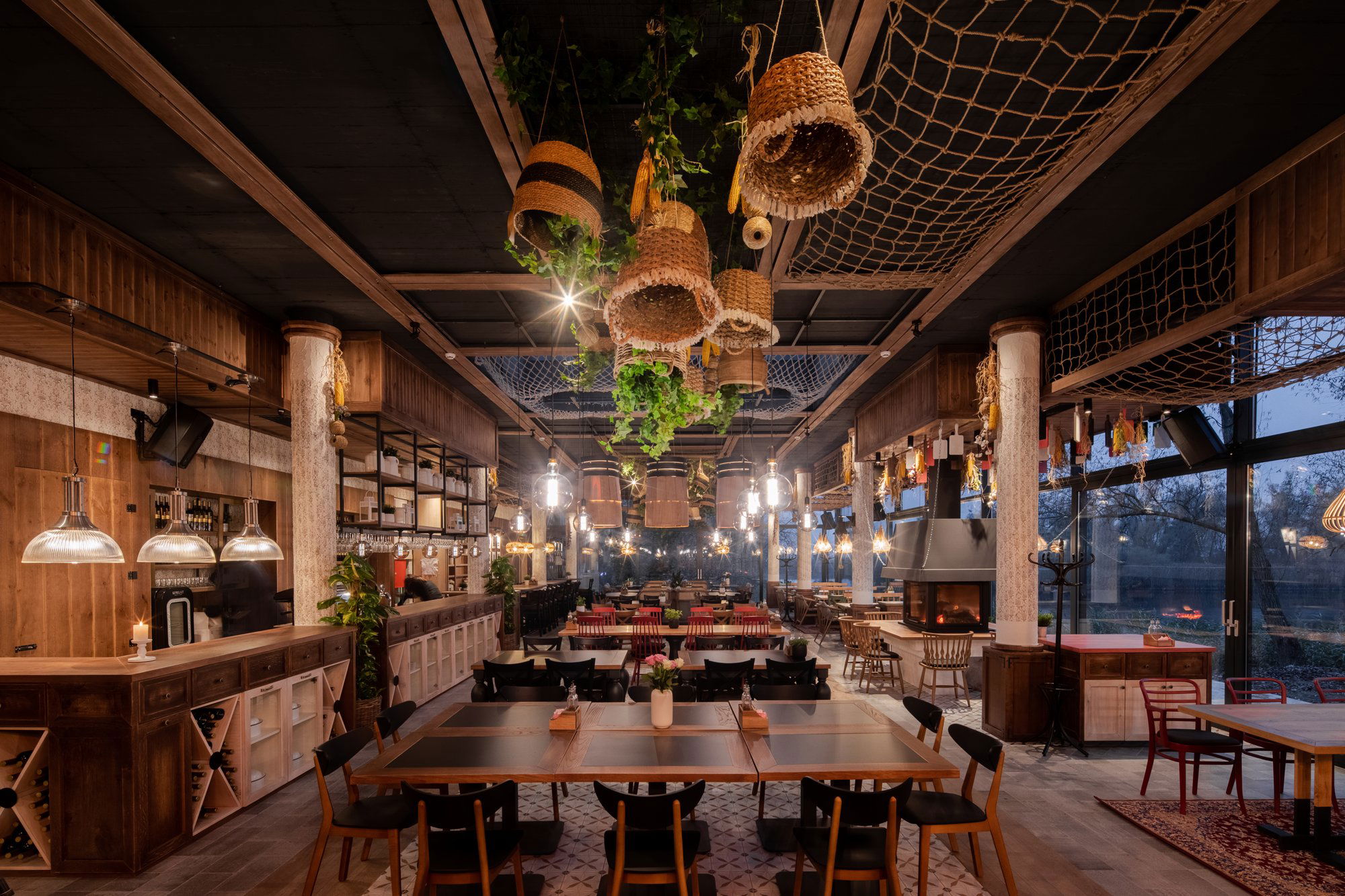
About Čingi Lingi Čarda
Čingi Lingi Čarda sits along the Drava and Danube corridor in Bilje, a village where Slavonian and Baranjian cooking traditions converge around freshwater fish, wild game, and paprika-heavy preparations. The čarda format — a riverside inn rooted in this corner of Croatia — places the kitchen firmly in local ingredient cycles rather than imported culinary fashions. For visitors to the Kopački Rit nature reserve area, it represents a direct line to regional cooking as it has long been practised.
Where the Floodplain Feeds the Kitchen
The čarda is one of Central Europe's more honest restaurant formats. Originally roadside or riverside inns serving travellers along the Danube and Drava trade routes, these establishments built their menus around whatever the surrounding land and water produced. In Baranja, the flat agricultural region stretching north of Osijek toward the Hungarian border, that has always meant freshwater fish pulled from the Drava and Danube, paprika-braised meats slow-cooked over open flame, and seasonal game from the reed-bed margins of Kopački Rit. Čingi Lingi Čarda, on Ulica kralja Zvonimira in Bilje, operates inside that tradition. The building's position in a village that functions as the gateway settlement to one of Europe's larger freshwater wetlands is not incidental — it is the source logic of the kitchen.
Arriving in Bilje, the geography becomes immediately legible. The land flattens, the sky widens, and the road runs through agricultural plots before the landscape opens into the reed corridors and oxbow lakes of the protected reserve. This is Baranja's defining characteristic: a working ecosystem that still shapes what people eat here, not as a marketing decision but as a practical reality. The čarda format, at its most grounded, reflects that relationship between terrain and table. For context on other dining options in the area, our full Bilje restaurants guide maps the broader picture.
The Ingredient Logic of a Freshwater Kitchen
Croatian dining, from the Adriatic coast to the continental interior, splits along a clear geographic fault line. Coastal kitchens in places like Dubrovnik and Šibenik build around sea bass, Adriatic shellfish, and olive oil; restaurants like Pelegrini in Sibenik and Restaurant 360 in Dubrovnik operate at the premium end of that coastal idiom. The Slavonian and Baranjian interior works from an entirely different pantry. Carp, catfish, and pike-perch replace sea bream. Lard and rendered duck fat take the place of olive oil. Paprika, in both sweet and sharp forms, provides the chromatic and flavour backbone that olive oil and herbs supply on the coast.
The čarda kitchen depends on this local sourcing not as an affectation but as a structural fact. Kopački Rit, one of the largest floodplain wetlands in Europe and a UNESCO-designated biosphere reserve, sits directly adjacent to Bilje. It produces the freshwater fish that have defined Baranjian cooking for centuries. Fiš paprikaš, the region's defining dish, is a slow-cooked fish stew built from multiple species — typically carp and catfish together , simmered with onion, tomato, and a quantity of paprika that turns the broth a deep, burnished red. The preparation is communal and unhurried; a dish that rewards time rather than precision. It is the reference point against which any čarda kitchen in this region is measured.
Game also enters the Baranjian equation in ways that few other Croatian regions can match. The wetland margins and surrounding agricultural land sustain pheasant, wild boar, and deer populations. A čarda operating close to Kopački Rit has access to seasonal wild game that a coastal kitchen in Rovinj or Korčula simply does not. This is the ingredient geography that gives the format its specificity. For comparison, contemporary Croatian kitchens further along the coast, such as Agli Amici Rovinj in Rovinj or LD Restaurant in Korčula, are drawing from an entirely separate regional pantry.
Atmosphere and Setting
The čarda atmosphere in Baranja is distinct from the cosmopolitan dining rooms of Zagreb or Split. Croatia's urban restaurant scene has moved toward international reference points; kitchens like Dubravkin Put in Zagreb or Krug in Split are building menus that engage with contemporary European cooking. The čarda format points in the opposite direction: toward regional specificity, communal tables, long cooking times, and a kitchen calendar that follows the wetland seasons rather than global produce networks.
Bilje itself is a quiet settlement. There is no tourist infrastructure on the scale of the Dalmatian coast or Istria. What draws visitors here is primarily Kopački Rit, and the dining that follows a day in the reserve naturally gravitates toward traditional preparations. The atmosphere at a čarda of this type is informal and rooted in the local social fabric. These are not restaurants designed for destination dining in the way that, say, Nebo by Deni Srdoč in Rijeka or Boskinac in Novalja function. They serve a community and its visitors, and the room reflects that.
Planning a Visit
Bilje sits roughly eight kilometres north of Osijek, the largest city in eastern Croatia, making it accessible as a day trip or as part of a wider Slavonian itinerary. The regional cooking tradition is worth experiencing across more than a single meal; the Baranjian table, with its layered reliance on paprika, cured meats, and freshwater fish, rewards time spent in the area rather than a single hurried stop. Visitors combining Kopački Rit with a meal in Bilje should allow a full day. Nearby, Didin Konak offers another reference point within the same village for those comparing the local dining offer. The contrast between a čarda and a konoba-style operation reflects the range within Baranjian hospitality itself. For those building a wider Croatian itinerary that takes in regional cooking across the country, the continental interior and the Adriatic coast represent genuinely distinct experiences, from Baranja's fiš paprikaš to Istrian preparations at places like EatIstria in Pluj, San Rocco in Brtonigla, or Humska Konoba in Hum.
Frequently Asked Questions
- Is Čingi Lingi Čarda a family-friendly restaurant?
- The čarda format in Baranja is broadly inclusive by tradition. These are communal, informal dining settings where extended family meals are the norm rather than the exception. Bilje, as a village rather than a tourist-heavy destination, keeps its restaurant culture relaxed and accessible. Families visiting Kopački Rit as a day trip from Osijek or further afield would find the čarda a natural fit for a post-reserve meal.
- What is the atmosphere like at Čingi Lingi Čarda?
- The atmosphere reflects the čarda format's regional roots: informal, unhurried, and oriented around communal eating rather than fine dining ceremony. Bilje lacks the cosmopolitan energy of Croatia's larger cities, and the restaurant sits within a village setting close to one of Croatia's premier natural reserves. Expect a kitchen calendar shaped by local seasons rather than imported produce, and a room that serves the local community as much as passing visitors.
- What should I eat at Čingi Lingi Čarda?
- The Baranjian kitchen's reference point is fiš paprikaš, the paprika-heavy freshwater fish stew that defines čarda cooking across the Drava-Danube corridor. Carp and catfish are the traditional species used. Wild game preparations and cured meat boards also appear across regional menus in this area, particularly in autumn and winter when hunting seasons align with the wetland calendar. Istrian or Dalmatian seafood comparisons do not apply here; this is a continental kitchen built on freshwater and paprika.
- How does Čingi Lingi Čarda connect to the Kopački Rit ecosystem?
- Bilje serves as the main village entry point to Kopački Rit, a UNESCO biosphere reserve and one of the largest freshwater wetland systems in Central Europe. The freshwater fish central to Baranjian cooking, including carp and catfish, are drawn from the same river systems that feed the reserve. For a čarda operating in Bilje, this proximity is not incidental. Visiting Čingi Lingi Čarda as part of a Kopački Rit itinerary places the meal in direct relationship with the ingredient source, which is the logic the čarda format was built around from the outset.
Related editorial
- Best Fine Dining Restaurants in ParisFrom three-Michelin-star icons to the next generation of Parisian chefs pushing boundaries, these are the restaurants that define fine dining in the world's culinary capital.
- Best Luxury Hotels in RomeFrom rooftop terraces overlooking ancient ruins to Michelin-starred hotel dining, these are the luxury hotels that make Rome unforgettable.
- Best Cocktail Bars in KyotoFrom sleek lounges to hidden speakeasies, Kyoto's cocktail scene blends Japanese precision with global influence in ways you won't find anywhere else.
Save or rate Čingi Lingi Čarda on Pearl
Keep this venue in your Pearl passport, rate it after you visit, and track it alongside every other place you collect.