
Restaurant in Siena, Italy
Il Pomodorino
100ptsSienese Trattoria Tradition
About Il Pomodorino
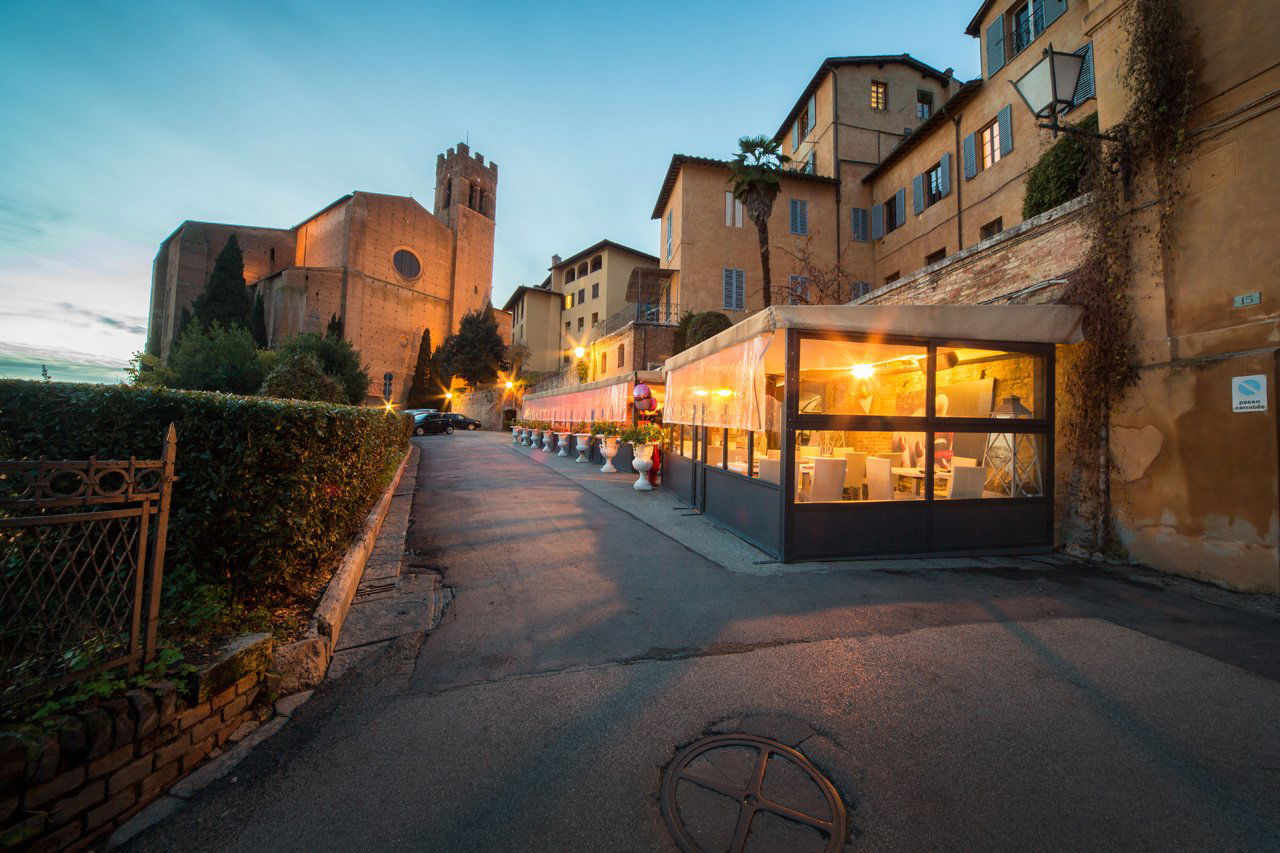
On a quiet side street off Siena's medieval core, Il Pomodorino operates within a dining tradition that prizes local produce and unhurried meals over spectacle. The address on Via Camporegio places it close to the city's historic centre, accessible on foot from the Campo. For visitors who want to eat in the Sienese register rather than the tourist one, this is a practical and honest option.
Eating in Siena: The Trattoria Tradition Behind the Name
Siena's restaurant scene divides more cleanly than most Italian cities. On one side sit the rooms facing the Piazza del Campo, where menus are written in five languages and the price of a view is built into every first course. On the other side, streets like Via Camporegio quietly sustain a different kind of operation: smaller, more ingredient-focused, less interested in performing for the camera. Il Pomodorino sits on that second side of the divide, on a lane that runs close to the city's medieval core without submitting entirely to its tourist economy. Arriving on foot from the Campo takes only a few minutes, but the shift in atmosphere is immediate.
That address matters more than it might appear. Siena is compact enough that proximity to the historic centre does not guarantee a tourist-facing operation. What matters is whether a kitchen is sourcing for the neighbourhood or sourcing for the coach party, and the two produce noticeably different plates. In Tuscany's hill-town dining tradition, the measure of a trattoria is not its awards or its star count but its relationship to local producers: the cheesemakers south toward Pienza, the pork butchers in the Crete Senesi, the market gardens that follow the seasonal calendar without apology.
What Tuscany Puts on the Plate
The ingredient logic of Sienese cooking is worth understanding before you sit down anywhere in the city. Unlike Florence, which has absorbed more cosmopolitan influence over decades of tourism, Siena has maintained a kitchen vocabulary that stays closer to its agricultural hinterland. Pici, the thick hand-rolled pasta native to the province, needs almost nothing: a cacio e pepe variant or a slow ragù made from cinghiale (wild boar) hunted in the surrounding hills. Ribollita, the bread-thickened bean soup, is a dish defined entirely by the quality of its cavolo nero and the age of its bread. Neither dish performs well with shortcuts.
This is the culinary context in which a small trattoria on Via Camporegio operates. The produce networks that feed Siena's better kitchens are some of the most coherent in central Italy. Pecorino di Pienza carries DOP status, meaning its production geography and method are legally defined. Lardo di Colonnata, sourced from the Apuan Alps northwest of the city, arrives in translucent sheets with a flavour that cured meat from the supermarket cannot approximate. Chianina beef, raised in the Val di Chiana not far east, is the default choice for bistecca when a menu takes that cut seriously. These are not decorative references; they are the structural ingredients of honest Sienese cooking.
Visitors comparing Siena's mid-tier dining to what they would pay at Il Canto, which operates at the high end of the city's restaurants, or at the more ambitious end of places like Alle Logge di Piazza, will find that smaller trattorie represent a genuinely different proposition rather than a lesser one. The format is different, the service register is different, and the claim being made about the food is different. A bowl of well-made pici all'aglione from a kitchen sourcing locally is not competing with a six-course tasting menu; it is answering a different question about what dinner in a Sienese hill town should feel like.
How Il Pomodorino Fits the Siena Picture
Within the city's broader dining pattern, places like La Taverna di San Giuseppe and Osteria il Vinaio represent a well-established trattoria tier that draws a local and repeat-visitor following rather than relying on walk-in tourist traffic. Il Pomodorino belongs to that same general tier, defined less by formal recognition than by a consistent connection to the produce networks and cooking methods that define the province. For an overview of how the city's dining divides, our full Siena restaurants guide maps the field from trattorias to the city's more ambitious rooms.
The name itself is telling. Il Pomodorino refers to the cherry tomato, a humble ingredient that runs through Italian cooking from Naples northward. In a Sienese context, that choice of name signals a kitchen more interested in the quality of a single ingredient than in the construction of elaborate dishes. Whether the kitchen fully delivers on that implied promise is something each visit will answer differently, but the positioning is readable. This is not the kind of room where you come for technical ambition; you come because you want to eat in a way that feels connected to where you are.
For context on what Italian restaurants look like when technical ambition does enter the picture, compare the approach taken at Osteria Francescana in Modena, Piazza Duomo in Alba, or Enoteca Pinchiorri in Florence. Each of those operates in a demonstrably different register, building long wine lists and multi-course menus around produce sourcing that is just as serious but presented through an entirely different lens. The supply chains feeding serious Italian kitchens, from Dal Pescatore in Runate to Uliassi in Senigallia to Reale in Castel di Sangro, share the same underlying logic as the trattoria tier: proximity to good ingredients, seasonal restraint, regional identity. The scale and price point differ; the sourcing principle does not.
Planning a Visit
Via Camporegio is reachable on foot from the Campo in under five minutes, making Il Pomodorino a practical option for anyone staying in or near the historic centre. Siena's ZTL (zona a traffico limitato) restrictions mean that driving into the centro storico carries fines for most visitors, so arriving on foot or from a car park on the periphery is the standard approach. Booking ahead is advisable, particularly in summer and during the Palio weeks in July and August, when the city's accommodation fills and restaurant pressure increases across the board. For a lighter format before dinner or as a standalone stop, La Prosciutteria Crudi e Bollicine Siena offers cured meats and sparkling wine in a format that does not require a full sit-down commitment.
Dress code expectations at this level of Italian trattoria are relaxed by the standards of, say, Le Bernardin in New York or Le Calandre in Rubano, but Siena is not a beach town. Smart casual reads well and avoids the slight friction that can accompany very casual dress in a room that takes its food seriously. The meal itself, at trattoria pricing, should sit comfortably below the tariffs of the city's more formal rooms, though specific pricing is not confirmed in current data and should be verified directly with the venue.
Frequently Asked Questions
- Can I bring kids to Il Pomodorino?
- Trattorie in Siena generally operate in a relaxed format that accommodates families more easily than formal dining rooms. At this price tier and in this city, a child-friendly atmosphere is more the rule than the exception. That said, Via Camporegio is a relatively quiet street with limited space for pushchairs, so families arriving with very young children should factor in the practicalities of the approach and the likely room size before committing to a booking.
- What's the vibe at Il Pomodorino?
- The address on Via Camporegio, away from the most heavily trafficked tourist routes in central Siena, suggests a room that skews toward neighbourhood regulars and informed visitors rather than first-time walk-ins. Siena's trattoria tier tends toward unhurried, convivial service in rooms that prioritise the food over the setting. This is not the format of Siena's more formal rooms, nor the relaxed-but-watched environment of the Campo-facing restaurants. The register is closer to a working local lunch room that also handles dinner with some seriousness.
- What do regulars order at Il Pomodorino?
- In the Sienese kitchen tradition, pici with a slow-cooked sauce and dishes built around Chianina beef or local pork represent the obvious reference points for any regulars. Without confirmed signature dish data from the venue, ordering around the regional staples is the surest approach: pasta made in-house, seasonal vegetables from the surrounding countryside, and whatever the kitchen is treating as its main protein that week. Asking the room what is freshest that day is standard practice in this format and usually produces a better answer than the printed menu alone.
- Is Il Pomodorino part of a recognisable dining tradition that connects it to wider Italian restaurant culture?
- Yes, and understanding that tradition is useful context for setting expectations. The Tuscan trattoria format, built around locally sourced ingredients, seasonal menus, and a limited but coherent wine list anchored in Chianti Classico and Morellino di Scansano, is the same underlying model that informs more celebrated Italian kitchens at higher price points. Places like Atelier Moessmer Norbert Niederkofler in Brunico, Quattro Passi in Marina del Cantone, and Enrico Bartolini in Milan all draw on the same Italian produce logic, amplified through technique and investment. At the trattoria level, the technique is simpler and the investment is smaller, but the sourcing ethic connects the two tiers more than the price gap might suggest. Similarly, the chef-driven format seen at Lazy Bear in San Francisco reflects a broader global fascination with exactly the kind of regional produce identity that Sienese trattorias have maintained without fanfare for generations.
Related editorial
- Best Fine Dining Restaurants in ParisFrom three-Michelin-star icons to the next generation of Parisian chefs pushing boundaries, these are the restaurants that define fine dining in the world's culinary capital.
- Best Luxury Hotels in RomeFrom rooftop terraces overlooking ancient ruins to Michelin-starred hotel dining, these are the luxury hotels that make Rome unforgettable.
- Best Cocktail Bars in KyotoFrom sleek lounges to hidden speakeasies, Kyoto's cocktail scene blends Japanese precision with global influence in ways you won't find anywhere else.
Save or rate Il Pomodorino on Pearl
Keep this venue in your Pearl passport, rate it after you visit, and track it alongside every other place you collect.