
Restaurant in Hirosaki, Japan
Il Filo
100ptsNorthern Honshu Ingredient Precision
About Il Filo
Il Filo occupies a second-floor address on Dotemachi in Hirosaki, a city better known for its castle and apple orchards than its restaurant scene. The setting places it inside a quieter tier of Japanese regional dining, where ingredient provenance and local agricultural identity carry more weight than urban spectacle. For visitors already planning time in Aomori Prefecture, it warrants attention alongside the broader Hirosaki dining circuit.
Second Floor, Dotemachi: Where Hirosaki's Agricultural Identity Meets the Plate
Climbing to a second-floor restaurant in a Japanese regional city carries a particular set of expectations. The street level belongs to ramen counters and izakayas; the upper floors, especially along a commercial strip like Dotemachi, tend to house the quieter, more considered rooms that serve a local clientele with specific tastes and a preference for discretion. Il Filo's address at 107 2F Dotemachi in Hirosaki places it in that upper-floor category, the kind of space that requires a deliberate decision to seek out rather than a spontaneous walk-in. Hirosaki itself sets the terms: this is a city in Aomori Prefecture, in Japan's far north, where the agricultural calendar defines civic life more than the restaurant calendar does.
Aomori Prefecture is Japan's leading apple-producing region, accounting for roughly half of the country's total apple output, and Hirosaki sits at the center of that identity. But the agricultural breadth extends well beyond fruit. The Tsugaru plain produces rice with a distinctive cold-climate sweetness, the waters off the Aomori coast supply some of the most prized scallops and sea urchin in the country, and the mountains behind the city yield foraged ingredients that appear on seasonal menus across Japan's premium dining tier. Any restaurant operating in this environment has access to a sourcing context that Tokyo kitchens spend considerable resources to replicate through supply chains. The question, for a regional room like Il Filo, is how that proximity to ingredient origin translates to what arrives at the table.
The Ingredient Logic of Northern Honshu
Italian cuisine, which the name Il Filo signals, has established a durable presence in Japanese regional cities over the past three decades. The genre fits the regional dining pattern well: it allows kitchens to build menus around local produce and protein without requiring the rigid seasonal architecture of kaiseki or the technical orthodoxy of French haute cuisine. A trattoria or osteria format in a place like Hirosaki can pivot naturally around what Aomori's farms and waters are producing in a given month, using pasta and olive oil as the structural framework while the actual flavors come from the region.
This sourcing logic explains why Italian has become a vehicle of choice for ingredient-focused restaurants in provincial Japan. At the premium end of the national scene, venues like HAJIME in Osaka and akordu in Nara demonstrate how European culinary frameworks can carry Japanese ingredient narratives to international recognition. In Fukuoka, Goh does something similar through kaiseki. The regional iteration of that pattern, operating without the infrastructure of a major city's dining press or awards circuit, tends to run on local reputation and repeat business rather than on external validation. Il Filo, given what the Dotemachi address and format suggest, likely sits in that quieter tier: cooking that earns its standing through ingredient fidelity and consistency rather than through award cycles.
What Hirosaki Offers the Serious Eater
Hirosaki's restaurant scene is small by any metropolitan standard, but it is not thin. The city's culinary identity has been shaped by a tradition of careful, produce-led cooking that reflects Aomori's agricultural wealth rather than chasing urban trends. 齋 and オステリア・エノテカ・ダ・サスィーノ represent other nodes on that circuit, each approaching the city's ingredient base from a different angle. Taken together, these rooms form a compact but coherent dining map for a city of Hirosaki's scale. For anyone building an itinerary around the region, our full Hirosaki restaurants guide provides the broader picture.
The comparison set for a venue like Il Filo extends beyond the city. Across Japan's regional dining scene, second-tier cities have quietly developed rooms that compete on ingredient quality and kitchen discipline rather than on ambiance or celebrity. 一本杉川島 in Nanao, 夕仙山乃 in Sapporo, and 鷹羽屋 in Nishikawa Machi each operate within that regional-but-serious register. At the international level, the discipline of letting sourcing lead the menu is visible at very different price points, from Le Bernardin in New York City to Atomix in New York City, where ingredient provenance is argued as a primary credential rather than a supporting detail.
Planning a Visit to Il Filo
Hirosaki is accessible by shinkansen to Shin-Aomori Station followed by a local train or bus to the city center; the journey from Tokyo takes approximately three hours. Dotemachi is within the walkable core of Hirosaki, close to the castle park that draws visitors in spring for the cherry blossom season, typically late April to early May, and in autumn for the apple harvest festivals. Those seasonal peaks represent the most natural windows for combining a Hirosaki trip with dining exploration, though the city's quieter winter months offer a different kind of access to Aomori's cold-climate larder. Because specific booking methods, hours, and pricing for Il Filo are not confirmed in our current data, contacting the venue directly or consulting a local concierge service is the appropriate first step for reservations. Regional Italian rooms at this address type in Japan often run evening seatings only, with a preference for advance booking over walk-ins, though that should be verified before arrival. Visitors interested in the broader regional circuit should also consider other produce-led rooms nearby: 湖辺庵 in Takashima and Bistro Ange in Toyohashi each represent the kind of quiet, ingredient-led cooking that travels well across Japan's regional Italian format. For Japanese fine dining comparisons at the national level, Harutaka in Tokyo and Gion Sasaki in Kyoto provide useful reference points for what serious regional-sourced cooking looks like at its most formalized. Additional context from the broader Japanese regional dining map can be found through Birdland in Sakai, Blue Ocean Steak in Nakagami District, and bodai in 那智勝浦町.
Frequently Asked Questions
- Is Il Filo a family-friendly restaurant?
- Given the second-floor setting on Dotemachi and the considered dining format typical of this address type in Hirosaki, Il Filo reads as a room oriented toward adult diners rather than families with young children.
- What should I expect atmosphere-wise at Il Filo?
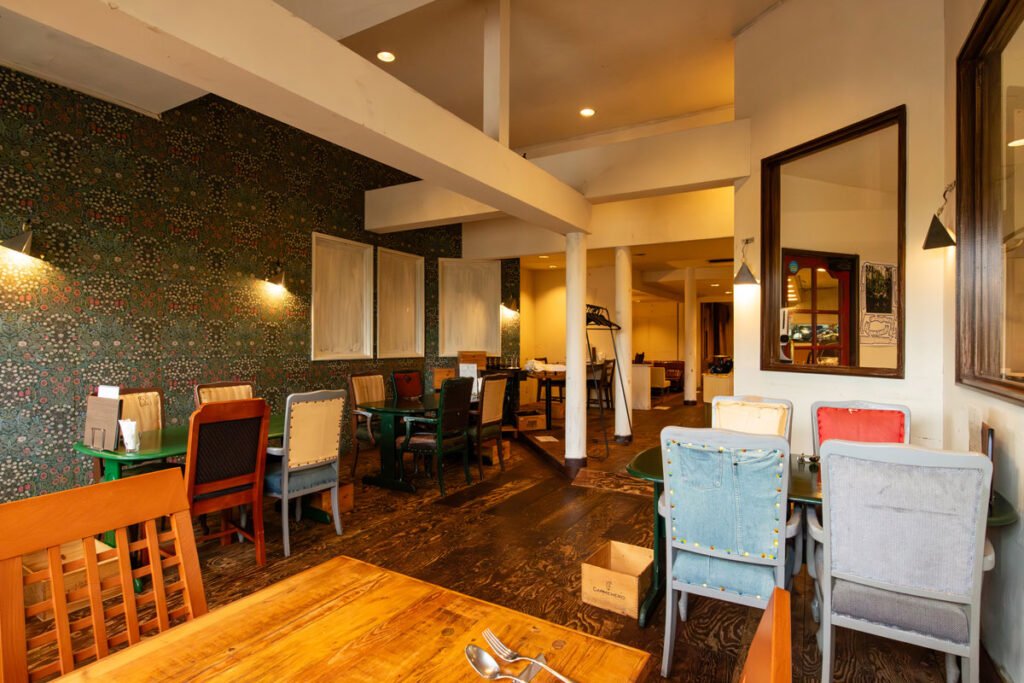
- The second-floor Dotemachi address in Hirosaki positions Il Filo within the quieter, room-above-the-street register that characterizes considered regional dining in Japanese provincial cities. Expect a setting built around focus and proportion rather than volume or spectacle, consistent with what the city's dining scene tends to value over urban theatrics.
- What do regulars order at Il Filo?
- Without confirmed menu data, it is not possible to name specific dishes. What the Italian format in an Aomori context strongly implies is that regulars return for whatever the kitchen is doing with the region's signature produce: Tsugaru apples, cold-water seafood, and seasonal foraged ingredients that shift with the agricultural calendar.
- Do they take walk-ins at Il Filo?
- If Il Filo follows the pattern of second-floor, reservation-oriented rooms in Japanese regional cities, walk-ins are likely possible on quieter weeknights but not reliable during Hirosaki's peak periods, specifically cherry blossom season in late April and the apple harvest festivals in autumn. Booking ahead is the lower-risk approach, particularly for visitors traveling specifically to dine there.
- What's the signature at Il Filo?
- Confirmed signature dishes are not in our current data. The Italian framework in an Aomori sourcing context suggests that pasta preparations built around local seafood and seasonal produce are the natural focal point, but this should be verified with the venue directly before visiting.
- What distinguishes Il Filo from other Italian restaurants in northern Japan?
- Il Filo's location in Hirosaki, rather than in a larger northern city like Sapporo or Aomori, places it inside one of Japan's most concentrated agricultural zones, where apple orchards, cold-water fisheries, and mountain forage are all within close geographic reach. That ingredient density is not something most Italian rooms in Japan can claim at the same proximity. Whether the kitchen fully converts that sourcing advantage into a distinctive menu is something that direct experience, rather than external data, would need to confirm.
Related editorial
- Best Fine Dining Restaurants in ParisFrom three-Michelin-star icons to the next generation of Parisian chefs pushing boundaries, these are the restaurants that define fine dining in the world's culinary capital.
- Best Luxury Hotels in RomeFrom rooftop terraces overlooking ancient ruins to Michelin-starred hotel dining, these are the luxury hotels that make Rome unforgettable.
- Best Cocktail Bars in KyotoFrom sleek lounges to hidden speakeasies, Kyoto's cocktail scene blends Japanese precision with global influence in ways you won't find anywhere else.
Save or rate Il Filo on Pearl
Keep this venue in your Pearl passport, rate it after you visit, and track it alongside every other place you collect.