
Restaurant in Tampere, Finland
Huber
100ptsMeat-Serious, Wine-Curious

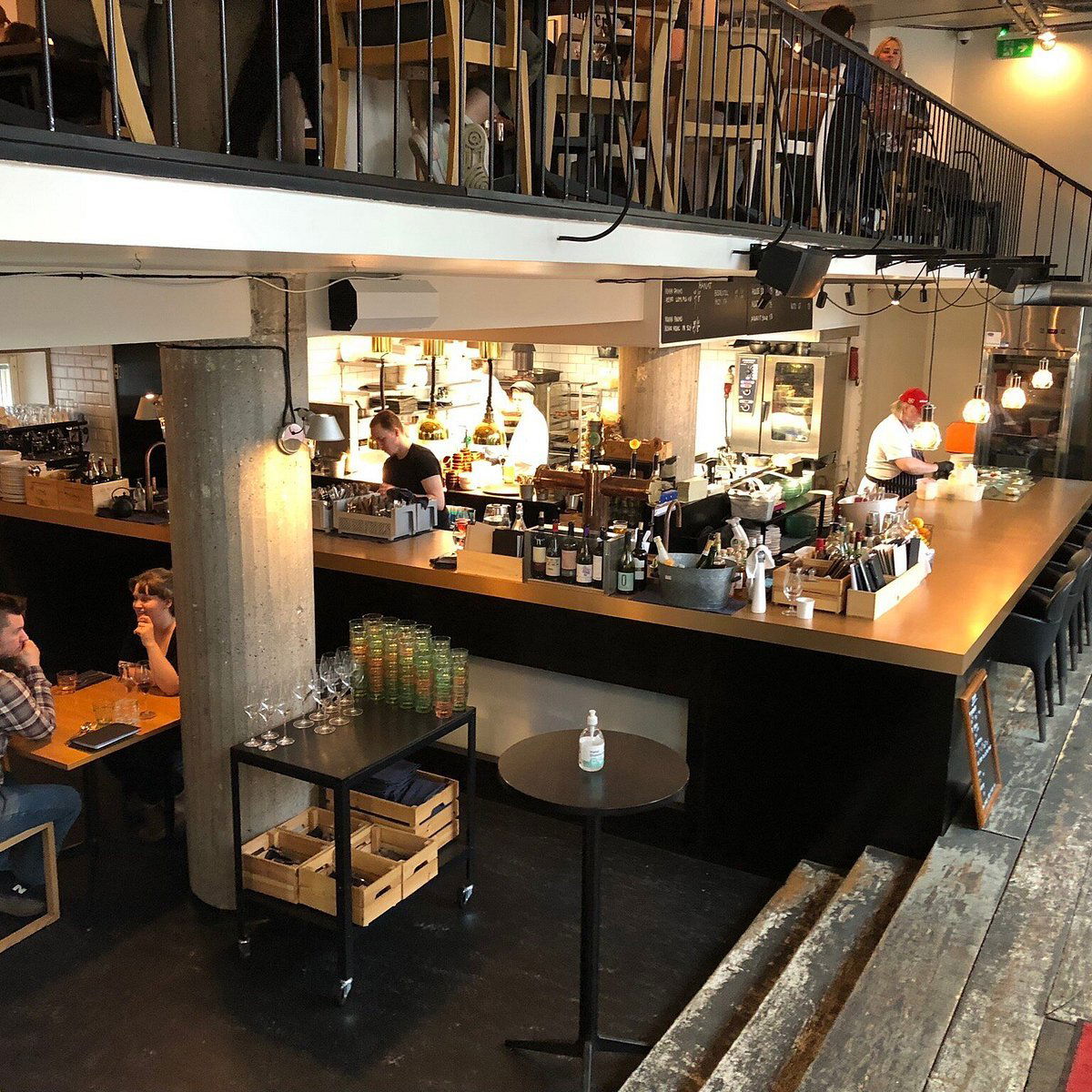
About Huber
Huber occupies a focused position in Tampere's premium dining scene, built around serious meat cookery and a wine list that draws on the same importing relationships behind sister restaurant Bertha. The result is a room where the sourcing is the story — premium cuts paired with a considered selection of grower-focused bottles that skew toward the natural and the obscure.
Meat-Serious, Wine-Curious: Tampere's Other Agenda
Finland's restaurant culture has spent the last decade splitting cleanly between two poles. At one end, the New Nordic tasting-menu format — defined by foraged herbs, fermented dairy, and hyper-local sourcing — has come to represent the country's fine dining identity abroad, exported through names like Kaskis in Turku and Palace in Helsinki. At the other end, a smaller and less-discussed cohort of restaurants has been building a different argument: that premium ingredient-led cooking, centred on the quality of the primary product rather than the complexity of the technique, has an equally legitimate claim on the Finnish table. Huber, on Aleksis Kiven katu in central Tampere, sits in that second category.
The focus here is premium meat, handled with the confidence that comes from a kitchen that doesn't feel obliged to disguise what it's working with. That orientation places Huber in a peer set that includes serious meat-focused addresses across Scandinavia, where provenance and cut selection do the argumentative work that garnishes and plating techniques do elsewhere. In a city where creative Finnish cooking , represented by addresses like Kajo , gets much of the editorial attention, Huber represents a different discipline, one where the animal itself is the point.
The Bertha Connection and What It Signals
Huber shares ownership with Bertha, another Tampere address, and the relationship is more than administrative. The same importing relationships that shape Bertha's wine program feed directly into Huber's list, meaning that bottles sourced through the owners' own import channels appear on both menus. This kind of vertical integration , where the restaurant group controls part of the supply chain , is a structural feature of some of the most wine-coherent restaurant programs in Europe. When a house is importing its own selections rather than buying from a distributor's catalogue, the list tends to reflect genuine conviction rather than commercial availability.
The practical effect for the diner is a wine list with an identifiable character: grower-focused, attentive to the less-trafficked corners of the wine map, and shaped by the same sensibility that built the importing program. For a city that doesn't have the depth of specialist wine bars found in Helsinki, this matters. Tampere's wine scene is developing, and Huber's list represents one of the more considered programs in the room. Diners interested in how Finnish wine culture compares to the broader Nordic picture should also look at VÅR in Porvoo, which operates its own wine-forward approach in a comparable regional context.
Meat Cookery and Cultural Framing
Premium meat restaurants occupy a specific cultural register in Northern European dining. The Finnish relationship with high-quality animal protein is long and unsentimental: game, beef, and cured meats have been foundational to the table here for centuries, shaped by a geography where animal husbandry adapted to climate rather than abundance. Contemporary restaurants that take meat seriously in Finland are, in a meaningful sense, working within that tradition even when the cooking references international technique.
What distinguishes the better addresses in this category is procurement discipline. Sourcing at this level means selecting for breed, feed, ageing, and butchery approach rather than simply purchasing from a premium tier of a standard food service supplier. The premise at Huber, based on the premium-meat positioning that defines the menu, places it in a conversation with meat-forward programs internationally , including the kind of focused, product-driven approach you find at places like Lazy Bear in San Francisco, where the quality of the primary ingredient sets the ceiling for everything else. In a domestic Finnish context, the comparison set includes similarly ingredient-led addresses such as Musta Lammas in Kuopio and Pöllöwaari in Jyväskylä.
Where Huber Sits in Tampere's Eating Map
Tampere is Finland's third-largest city and has, over the past decade, developed a restaurant culture with more range than its size might suggest. The city supports both the kind of accessible neighbourhood dining represented by Gastropub Tuulensuu and the more ambitious format that Huber occupies. Aleksis Kiven katu sits in a central position, accessible from the main hotel and transport nodes without being in the obvious tourist corridor. The address is residential enough to feel like a local choice rather than a visitor convenience.
For those building a broader picture of what the city offers, EP Club's full Tampere restaurants guide covers the range from casual to serious. For context on where to stay, the Tampere hotels guide is the right starting point, and the bars guide maps the city's drinking options if you want to extend an evening beyond dinner. Those with a particular interest in wine should also note the wineries guide and the experiences guide for the wider regional picture. Regional Finnish dining beyond Tampere is well-documented through addresses like Popot in Lahti, Lucy in the Sky in Espoo, and Viinitupa Vuorenmaja in Mänttä, each operating with a distinct regional identity.
Planning Your Visit
Huber is located at Aleksis Kiven katu 13, 33200 Tampere. Booking in advance is sensible for a restaurant operating at this tier in a mid-sized Finnish city; the combination of a focused menu, a wine list with genuine identity, and a room that isn't built for volume means tables move quickly on evenings when the city is busy. Tampere draws visitors year-round, but the shoulder seasons , spring and early autumn , tend to offer the most settled dining conditions. Current hours, pricing, and reservation availability are leading confirmed directly with the restaurant, as these details are not published in EP Club's current data record for Huber.
Frequently Asked Questions
What should I eat at Huber?
The menu at Huber is built around premium meat as its central argument. The kitchen's orientation is toward high-quality primary ingredients handled with confidence rather than elaborate technique. On the wine side, the list draws from the same import relationships that shape sister restaurant Bertha's program, which means there is a coherent selection of grower-focused bottles that pair logically with the meat-led menu. For a broader sense of what serious Finnish cooking looks like in the same region, Kajo offers a creative counterpoint to Huber's more product-centred approach.
Should I book Huber in advance?
Given Huber's premium positioning in Tampere and the city's status as Finland's third-largest urban centre, advance booking is the sensible approach. Restaurants operating at this level in Finnish regional cities , comparable in tier to addresses like Palace in Helsinki or Kaskis in Turku , rarely hold significant walk-in capacity. If your travel dates are fixed, booking as early as possible reduces the risk of missing out, particularly on weekends and during Tampere's busier cultural calendar periods.
What do critics highlight about Huber?
The aspects of Huber that distinguish it editorially are the ownership connection to Bertha and the resulting wine list, which benefits from direct import sourcing rather than standard distributor stock. The premium meat focus is the other consistent signal: this is a kitchen that has made a deliberate choice to foreground the quality of the primary ingredient over the complexity of the dish. In the context of Finnish fine dining, which skews toward tasting-menu formats and Nordic-ingredient narratives, that positioning is a considered departure. For international reference points in the meat-serious, wine-attentive category, Le Bernardin in New York City and Emeril's in New Orleans represent how product conviction at the ingredient level can anchor a restaurant's identity across decades.
Recognized By

Similar venues by awards
Related editorial
- Best Fine Dining Restaurants in ParisFrom three-Michelin-star icons to the next generation of Parisian chefs pushing boundaries, these are the restaurants that define fine dining in the world's culinary capital.
- Best Luxury Hotels in RomeFrom rooftop terraces overlooking ancient ruins to Michelin-starred hotel dining, these are the luxury hotels that make Rome unforgettable.
- Best Cocktail Bars in KyotoFrom sleek lounges to hidden speakeasies, Kyoto's cocktail scene blends Japanese precision with global influence in ways you won't find anywhere else.
Save or rate Huber on Pearl
Keep this venue in your Pearl passport, rate it after you visit, and track it alongside every other place you collect.