
Restaurant in Sint-Truiden, Belgium
Hoeve Roosbeek
100ptsHaspengouw Farmstead Table
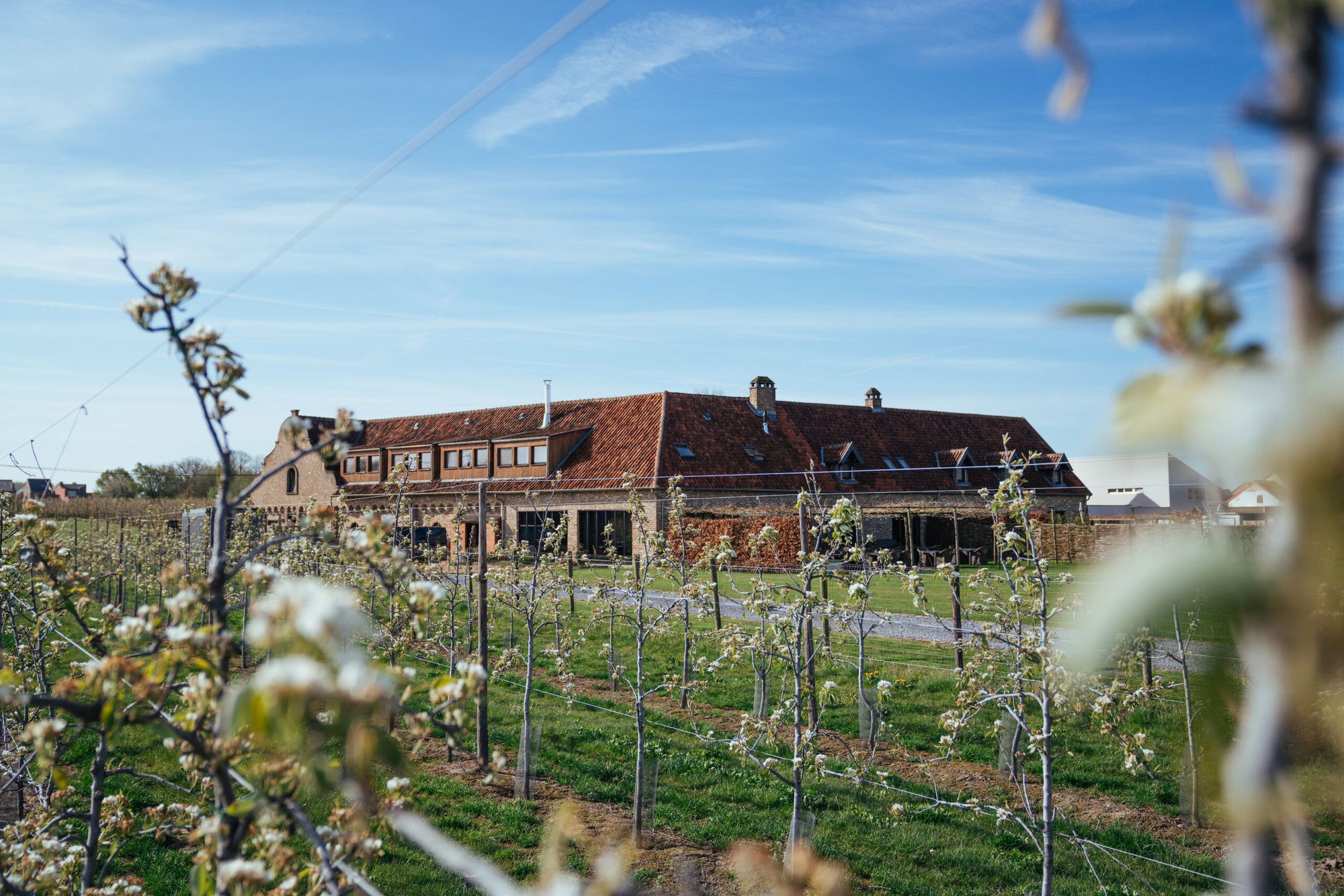
About Hoeve Roosbeek
Hoeve Roosbeek sits on Roosbeekstraat in Sint-Truiden, a town whose agricultural hinterland and Flemish culinary tradition shape the broader dining scene here. The venue occupies a setting that reflects Limburg's farm-rooted hospitality culture, placing it within a regional conversation about produce-led cooking and rural character. Visitors to Sint-Truiden will find Hoeve Roosbeek positioned alongside a small cluster of locally focused addresses worth knowing.
Roosbeek and the Limburg Farmstead Tradition
The road between Sint-Truiden's market square and the Roosbeek district passes through the kind of Limburg countryside that has defined Belgian rural hospitality for generations: fruit orchards, flat-topped fields, and farm buildings that have doubled as gathering places for as long as anyone can remember. Hoeve Roosbeek, at Roosbeekstraat 76, sits within that inherited landscape. The Flemish word hoeve means farmstead, and in this part of Belgium that designation carries real cultural weight. Farms in the Hageland and Haspengouw subregions have long served as anchors for community dining, seasonal celebration, and the kind of table that gets longer as the evening goes on.
Belgium's farm-to-table tradition predates the phrase by centuries. Long before the terminology arrived from California restaurant culture, Flemish farm kitchens were already organising meals around what the land produced that week. Haspengouw in particular, the agricultural zone that stretches across southern Limburg and into Flemish Brabant, is known across Belgium for its fruit harvests, its chicory, and its proximity to producers whose output ends up in the kitchens of addresses far more formally recognised than anything in Sint-Truiden itself. That regional agricultural depth is the cultural backdrop against which a venue like Hoeve Roosbeek operates.
Sint-Truiden's Dining Position Within Belgium
Sint-Truiden is not where Belgium's most-discussed restaurant tables are found. The country's culinary conversation tends to cluster around Ghent, Bruges, Brussels, and a handful of rural communes with outsized reputations: Kruishoutem, where Hof van Cleve - Floris Van Der Veken operates, or Liernu, home to L'air du temps. Urban anchors like Zilte in Antwerp and Bozar Restaurant in Brussels pull the critical attention toward the cities. Further along the Flemish coast, Bartholomeus in Heist and Willem Hiele in Oudenburg represent a different kind of recognition, one tied to terroir and coastline. Boury in Roeselare and De Jonkman in Sint-Kruis add to the picture of a country where destination dining often happens at distance from the major urban centres.
Sint-Truiden sits in the Limburg province, about equidistant between Liège and Hasselt, and its dining scene is smaller and less internationally documented than those reference points. What it does have is a coherent local character: a cluster of addresses that reflect Flemish and Limburg cooking without performing for an outside audience. The comparison set here includes 3Sense, which occupies the contemporary fine-dining tier at the upper end of local pricing, and Bistro Zutt and Chez Prospère, which serve the mid-market with more casual intent. De Fakkels (Farm to table) occupies a €€€ price point with an explicit farm-to-table framework, and Coco Pazzo handles the Italian side of local appetite. Hoeve Roosbeek's address on Roosbeekstraat puts it slightly outside the town centre, which is consistent with the farmstead format rather than a limitation of it.
The Cultural Logic of the Belgian Farmstead Table
In the Haspengouw region, farm hospitality tends to follow a rhythm set by the agricultural calendar. Spring brings the first asparagus from the sandy soils around Sint-Truiden; summer means cherry and strawberry harvests that are specific enough to attract buyers from across the country; autumn tilts toward apple and pear varieties that Limburg growers have cultivated for generations. A venue operating within the hoeve tradition would logically anchor its offer to that calendar, because the season is the menu in this part of Belgium. That is not a marketing position here so much as a practical inheritance.
Elsewhere in Belgium, the farm-and-table format has produced some of the country's most discussed addresses. Castor in Beveren and d'Eugénie à Emilie in Baudour represent the range of what Belgian rural dining can look like when the format is taken seriously. Internationally, the conversation about produce-rooted cooking at establishments like Le Bernardin in New York City or Atomix in New York City shows how regional identity and ingredient sourcing have become the dominant framework for serious dining globally, not just in northern Europe. Limburg is well-positioned within that conversation by virtue of its agricultural output, even if individual venues there are rarely the ones leading it in print.
Planning a Visit to Hoeve Roosbeek
The venue database record for Hoeve Roosbeek does not currently include published hours, a confirmed booking method, or verified price-tier information, which makes pre-visit planning require direct contact. The physical address, Roosbeekstraat 76 in Sint-Truiden, is confirmed. Sint-Truiden is accessible by train from both Hasselt (roughly 20 minutes) and Liège-Guillemins (roughly 35 minutes), with the station sitting in the town centre and the Roosbeek district reachable from there by local transport or car. For visitors building a broader Limburg itinerary, Sint-Truiden functions as a half-day or evening addition rather than a sole destination, pairing naturally with Hasselt's restaurant scene or the fruit-growing villages of the surrounding countryside.
Given the farmstead context and the rural address, visiting with the expectation of a formal urban dining room would be a category error. The hoeve format across this region runs toward communal tables, seasonal fixed offerings, and a pace set by the kitchen rather than the clock. Confirming format, capacity, and booking terms directly before travel is the practical starting point here. For a comprehensive picture of what Sint-Truiden's dining scene currently offers, the full Sint-Truiden restaurants guide covers the city's active addresses with current detail.
Frequently Asked Questions
What is the atmosphere like at Hoeve Roosbeek?
The hoeve designation signals a farmstead setting, which in Limburg typically means an agricultural building repurposed for hospitality rather than a purpose-built restaurant interior. Sint-Truiden's surrounding countryside, with its fruit orchards and flat rural roads, shapes the physical approach to the venue. Without confirmed interior details in the current record, the most accurate framing is that the address and building type suggest rural character rather than urban formality, consistent with the broader farmstead-dining tradition in this part of Belgium.
What should I eat at Hoeve Roosbeek?
Specific menu details and signature dishes are not confirmed in the current venue record. Within the broader hoeve and farm-to-table tradition of the Haspengouw region, seasonal produce from the Limburg agricultural belt tends to anchor menus of this type. Asparagus in spring, stone fruit in summer, and root vegetables in autumn are part of the regional rhythm that kitchens in this area have followed for generations. Confirming the current offer directly with the venue before visiting is the practical approach given the seasonal variability typical of this format.
What's the leading way to book Hoeve Roosbeek?
Booking details, including phone, website, and reservation method, are not confirmed in the current venue record. Direct outreach to the venue at its Roosbeekstraat 76 address is the starting point. For rural farmstead addresses in this price tier across Sint-Truiden and the wider Limburg region, advance booking is generally advisable, particularly on weekends and during the regional harvest seasons when local demand is higher.
Can I bring kids to Hoeve Roosbeek?
Family suitability details are not confirmed in the venue record. In the broader Flemish farmstead-dining tradition, venues of this type in rural Limburg tend toward informal enough formats to accommodate families, though the specific policy here would need direct confirmation. Sint-Truiden's price tier for comparable addresses ranges from €€ to €€€, which also affects the practicality of a family visit. Checking directly with the venue is the reliable step before planning.
Is Hoeve Roosbeek connected to the local Limburg fruit-growing tradition?
The Roosbeek address places the venue in the Haspengouw agricultural zone, one of Belgium's most productive fruit-growing regions and the source of produce that reaches kitchens across the country. The hoeve name and rural Sint-Truiden location are consistent with that agricultural context, though the specific sourcing approach and menu structure would need confirmation directly from the venue. For Sint-Truiden addresses that explicitly frame their offer around local produce, De Fakkels is the confirmed farm-to-table reference point in the current local dining set.
Related editorial
- Asia's 50 Best Restaurants 2026: The Chairman and Wing Go 1-2 from the Same BuildingThe Chairman takes No. 1 and Wing climbs to No. 2 at Asia's 50 Best Restaurants 2026. Both operate from the same Hong Kong building. Here's what it means.
- Four Seasons Yachts Debut: 95 Suites, 11 Restaurants, and a March 2026 Maiden VoyageFour Seasons I launches March 20, 2026, with 95 suites, a one-to-one staff ratio, and 11 onboard restaurants. Worth tracking if you want hotel-grade service at sea.
- LA Michelin Guide 2026: Seven New Restaurants from Tlayudas to Uzbek DumplingsMichelin's March 2026 California Guide update adds six LA restaurants and one Montecito newcomer, spanning Oaxacan tlayudas, Uzbek manti, and Korean-Italian pasta.
Save or rate Hoeve Roosbeek on Pearl
Keep this venue in your Pearl passport, rate it after you visit, and track it alongside every other place you collect.