
Restaurant in Amersfoort, Netherlands
Het Bloemendaeltje
100ptsMedieval-Quarter Dutch Table
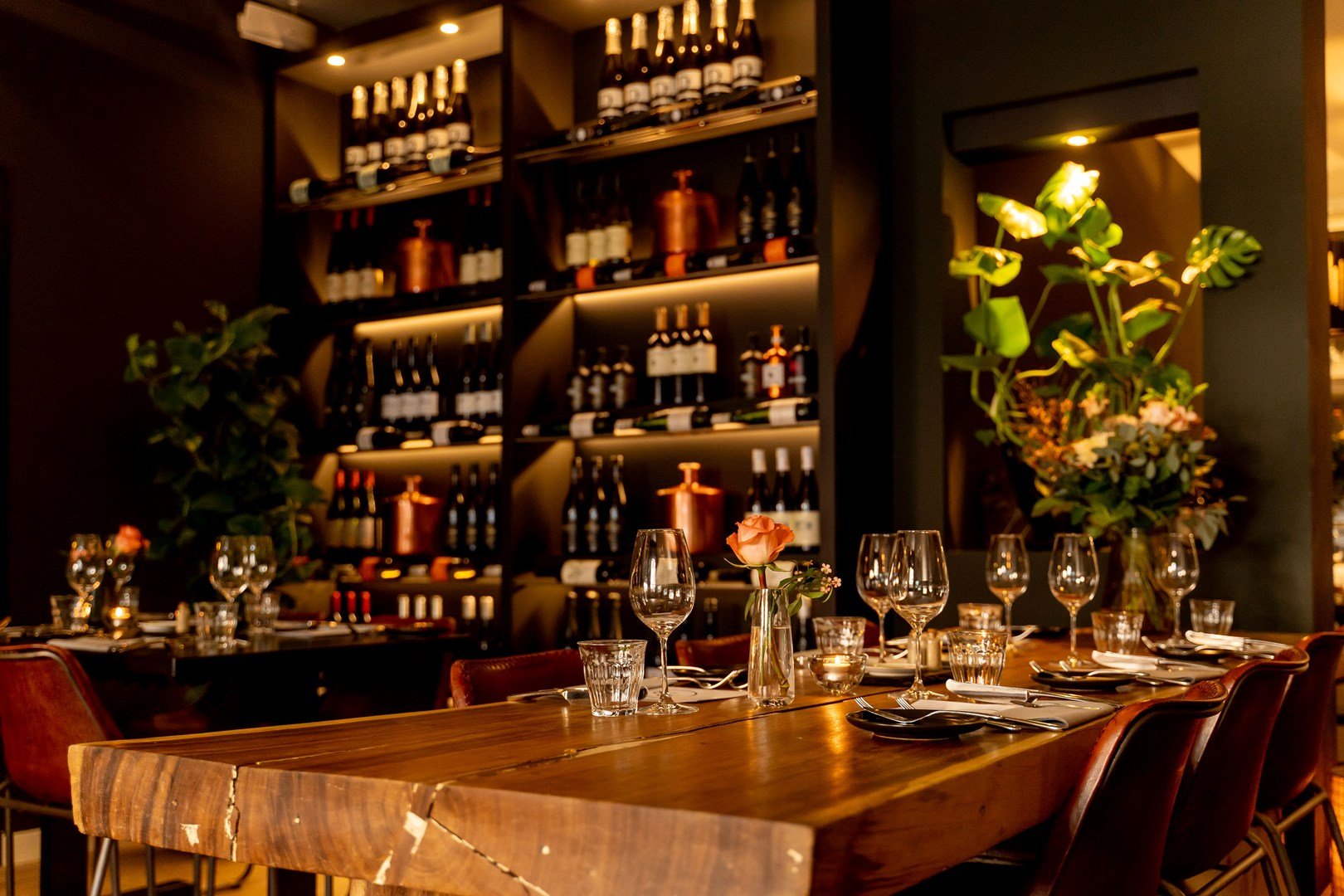
About Het Bloemendaeltje
Het Bloemendaeltje occupies a historic address on Bloemendalsestraat in Amersfoort's medieval centre, placing it within a concentrated pocket of the city's most serious dining. With limited public data on format and menu, the restaurant operates with the quiet discretion common to the smaller, independently run Dutch dining rooms that define the Netherlands' provincial fine-dining scene. Visitors are advised to verify hours and booking directly before visiting.
A Street That Earns Its Reputation
Amersfoort's dining identity is built less on spectacle than on continuity. The medieval centre, with its canal ring and intact guild-era streetscape, has quietly accumulated a tier of independently run restaurants that compete on craft rather than concept. Bloemendalsestraat sits inside that radius, and Het Bloemendaeltje at number 3 occupies one of the more intimate positions on a street where small rooms and focused menus are the operating standard. Walking toward it, you are already inside the logic of Dutch provincial dining: close buildings, soft light, the sense that serious cooking happens here because the neighbourhood expects nothing less.
That context matters more than it might initially appear. The Netherlands' culinary scene has, over the past two decades, shifted its centre of gravity away from Amsterdam and toward the provinces. Cities like Zwolle, with De Librije, and smaller towns such as Giethoorn, with De Lindenhof, have demonstrated that Dutch regional cooking can operate at the highest international register without the overhead of a major city. Amersfoort, positioned between Amsterdam and the eastern provinces, has absorbed some of that energy. Its better restaurants function within a peer set that includes Aan de Poel in Amstelveen and De Bokkedoorns in Overveen: independently minded, technically grounded, and valued precisely because they are not trying to be metropolitan.
The Character of Amersfoort's Table
Understanding where Het Bloemendaeltje sits requires understanding what Amersfoort's dining tier actually looks like. The city supports a range of serious independents across price points and register. At the €€ level, De Aubergerie and De Monnikendam anchor the French-contemporary and modern-cuisine category, while Bergpaviljoen holds the classic-cuisine corner. Moving up, De Saffraan operates at the €€€ creative tier, signalling the kind of tasting-menu ambition that places it in conversation with restaurants like De Nieuwe Winkel in Nijmegen and Brut172 in Reijmerstok. The city also makes room for distinct cultural voices: Awazé Ethiopisch Restaurant on Bloemendalsestraat represents the kind of specialist cuisine that anchors a neighbourhood's cultural range.
Within this pattern, smaller restaurants on Bloemendalsestraat operate with the discretion that tends to characterise the Dutch approach to independent dining. There is no tradition here of aggressive self-promotion or high-volume marketing. Reputation travels by word of mouth and repeat visit. The name Het Bloemendaeltje, rooted in the street's own identity, suggests a restaurant that sees itself as part of the neighbourhood rather than apart from it. That positioning has its own logic in a city where longevity and local credibility carry weight that awards and press coverage do not always replicate.
Dutch Provincial Dining and Its Cultural Roots
The broader Dutch dining tradition that shapes restaurants in cities like Amersfoort draws on a culinary culture that is often misread from outside. Dutch cooking is not defined by a single dominant technique or ingredient category in the way that French or Japanese cuisine tends to be summarised. It is, instead, characterised by a relationship with seasonal produce, North Sea ingredients, and a regional vegetable and dairy culture that has become increasingly prominent in international fine dining. The influence of that tradition is visible across the Dutch restaurant scene, from the plant-forward approach at venues like De Nieuwe Winkel to the classical French foundations adapted to Dutch ingredients at restaurants comparable to Ciel Bleu in Amsterdam.
Provincial restaurants in the Netherlands have historically served as the practical carriers of that tradition. Away from the pressure to perform for international critics, the kind of cooking that happens in a city like Amersfoort often reflects what Dutch diners actually want: technically sound execution, seasonal grounding, and a room that feels like it belongs to the city rather than to a global hospitality brand. The contrast with international fine dining at the level of, say, Le Bernardin in New York or Atomix is instructive: scale, spectacle, and global recognition are not the metrics by which a restaurant on Bloemendalsestraat measures itself. Longevity and neighbourhood fit are.
That cultural grounding also explains why restaurants in this part of Amersfoort tend to resist easy categorisation. Cuisine type, format, and price point are rarely displayed as marketing signals; they emerge from the food itself and from the habits of the room. For the traveller approaching Het Bloemendaeltje, the most reliable preparation is knowing the street and the city, rather than expecting a venue profile to tell the whole story. The full Amersfoort restaurants guide provides the wider context for planning a visit.
Planning Your Visit
Practical information for Het Bloemendaeltje is limited in the public record. The address is Bloemendalsestraat 3, 3811 EP Amersfoort, in the heart of the medieval centre within comfortable walking distance of the main train station. Hours, booking method, price range, and dress code are not confirmed in available data, which itself signals the kind of low-profile operation that characterises many of Amersfoort's more personal dining rooms. Visitors should contact the restaurant directly to confirm availability, format, and any reservation requirements before travelling. For comparable dining in the region, 't Nonnetje in Harderwijk and De Lindehof in Nuenen offer points of reference for the kind of serious independent dining that defines this part of the Netherlands.
Frequently Asked Questions
- What's the must-try dish at Het Bloemendaeltje?
- Specific menu details and signature dishes are not confirmed in available sources. The restaurant's position on Bloemendalsestraat, within Amersfoort's most concentrated dining corridor, suggests a kitchen aligned with the seasonal and regional character that defines Dutch provincial cooking. For dish-level recommendations, contacting the venue directly before your visit is the most reliable approach.
- Is Het Bloemendaeltje reservation-only?
- Booking policy is not confirmed in public records for Het Bloemendaeltje. Given the scale and character typical of independently run restaurants in Amersfoort's medieval centre, advance reservation is a reasonable assumption and advisable before visiting. Confirming directly with the restaurant will also clarify current hours and availability.
- What is Het Bloemendaeltje leading at?
- Without confirmed awards, cuisine classification, or verified critical assessments in the public record, a specific strength cannot be stated with authority. What the restaurant's address and independent character suggest is alignment with the Dutch provincial dining tradition: technically grounded cooking in a room that prioritises neighbourhood fit over international visibility. Peer context from venues like De Saffraan and De Monnikendam gives a sense of the standard Amersfoort's independent dining scene holds itself to.
- How does Het Bloemendaeltje fit into Amersfoort's broader dining scene?
- Het Bloemendaeltje sits on Bloemendalsestraat in the medieval centre, a street that has become one of Amersfoort's more concentrated dining addresses. The city's independent restaurant culture spans from casual modern cuisine at the €€ tier through to creative tasting-menu formats at €€€, with the full range documented in the Amersfoort restaurants guide. Restaurants in this part of the city tend to build reputation through longevity and local credibility rather than through awards or press cycles, a pattern consistent with Dutch provincial dining more broadly.
Related editorial
- Asia's 50 Best Restaurants 2026: The Chairman and Wing Go 1-2 from the Same BuildingThe Chairman takes No. 1 and Wing climbs to No. 2 at Asia's 50 Best Restaurants 2026. Both operate from the same Hong Kong building. Here's what it means.
- Four Seasons Yachts Debut: 95 Suites, 11 Restaurants, and a March 2026 Maiden VoyageFour Seasons I launches March 20, 2026, with 95 suites, a one-to-one staff ratio, and 11 onboard restaurants. Worth tracking if you want hotel-grade service at sea.
- LA Michelin Guide 2026: Seven New Restaurants from Tlayudas to Uzbek DumplingsMichelin's March 2026 California Guide update adds six LA restaurants and one Montecito newcomer, spanning Oaxacan tlayudas, Uzbek manti, and Korean-Italian pasta.
Save or rate Het Bloemendaeltje on Pearl
Keep this venue in your Pearl passport, rate it after you visit, and track it alongside every other place you collect.