
Restaurant in Seoul, South Korea
Halmaejip
125ptsJongno Trotters Tradition

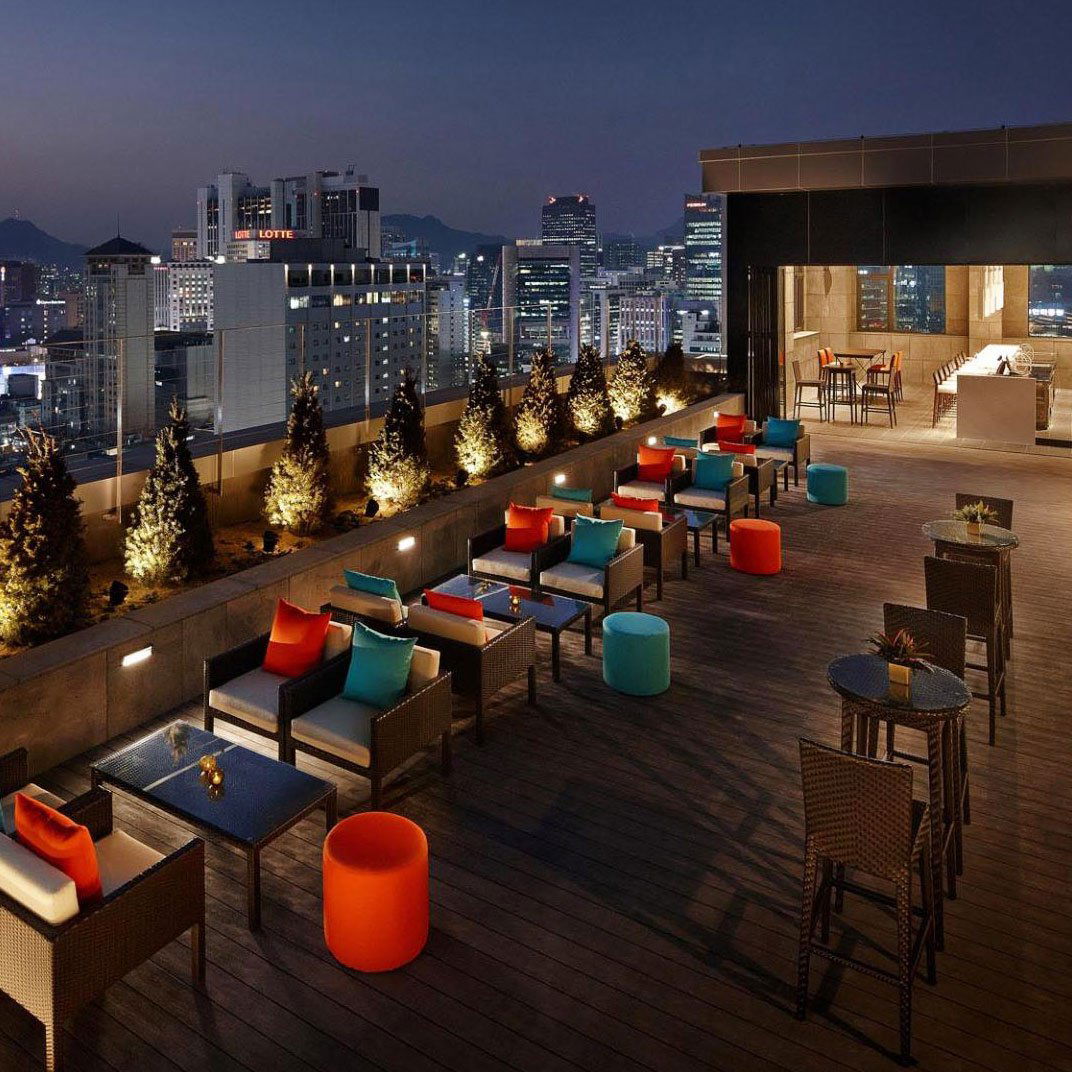
About Halmaejip
A Michelin Bib Gourmand jokbal specialist in Jongno District, Halmaejip sits at the affordable end of Seoul's recognized dining scene, earning its 2025 Bib Gourmand for quality that punches well above its single-₩ price point. With a Google rating of 4.1 across nearly 600 reviews, it represents the kind of working-class Korean tradition that Michelin inspectors have increasingly chosen to recognize alongside the city's tasting-menu tier.
Jongno's Braised Pork Tradition, Priced for Everyone
Seoul's Jongno District holds a particular kind of culinary authority that has nothing to do with tasting menus or reservation queues measured in months. This is the part of the city where working-class eating traditions have remained intact through decades of rapid modernization, where a single dish done with consistency over many years carries more weight than a seasonal concept refresh. Jokbal, the slow-braised pig's trotters seasoned with soy, ginger, and aromatics, is exactly that kind of dish: rooted, technically demanding in its own way, and deeply embedded in Korean communal eating culture. Halmaejip, operating from a narrow address on Sajik-ro 12-gil, belongs to this tradition without apology.
The 2025 Michelin Bib Gourmand designation frames the venue accurately. Bib Gourmand, Michelin's category for quality at a modest price, is not a consolation bracket below the starred tier. In cities like Seoul, where the inspectors have built one of the most carefully stratified guides in Asia, a Bib Gourmand for a single-dish specialist in Jongno is a specific editorial statement: this is the format done at the level it should be done, at a price that reflects the dish's historical position in Korean food culture. Halmaejip sits firmly in that bracket.
What the Price Point Actually Signals
At a single-₩ price level, Halmaejip occupies a completely different tier from Seoul's recognized contemporary Korean restaurants. Venues like Mingles, Jungsik, and Kwonsooksoo operate at ₩₩₩₩ with multi-course formats and wine programs that push per-head costs into the territory of a mid-range European dinner. alla prima and Gaon occupy similarly expensive, reservation-intensive positions. None of that applies here. Halmaejip's value proposition is direct: a Michelin-recognized preparation of one of Korea's most enduring pork dishes, at a price point accessible to anyone eating in Seoul, not just those with a corporate expense account or a tasting-menu budget.
This matters because the Bib Gourmand creates a rare alignment. In most international cities, recognized restaurants drift upmarket over time as demand and prestige compound into higher prices. Seoul's jokbal specialists, including both Halmaejip and its Jongno-area peer Manjok Ohyang Jokbal, have maintained pricing that reflects the dish's origins rather than its recognition. The economics of braised pork, with its accessible raw ingredients and high-volume throughput, allow that positioning to hold in a way that simply would not work for an ingredients-intensive tasting menu.
Jokbal as a Culinary Category
Understanding what Halmaejip does requires understanding what jokbal is and is not. It is not a quick preparation. The pig's trotters are cleaned, blanched, and then slow-braised in a soy-based liquid with garlic, ginger, and often doenjang or rice wine, until the collagen breaks down into a gelatinous, yielding texture and the skin achieves a lacquered, almost mahogany finish. The result is rich without being aggressive, layered with the sweetness of the braising liquid and the slight funk of fermented seasoning. It is typically served sliced, cold or at room temperature, accompanied by fermented kimchi, shrimp paste (saeujeot), and thin sheets of perilla leaf or lettuce for wrapping.
The dish has deep roots in post-war Korean food culture, when pork offal and trotters, inexpensive and widely available, fed urban working-class communities around the markets and pojangmacha stalls of central Seoul. Jongno, with its history as a hub of street commerce and traditional market life, is one of the natural homes of this tradition. A jokbal specialist in this district is not a nostalgic gesture or a culinary revival project; it is a continuation of something that never stopped.
For context on how Korea's braised and preserved food traditions compare internationally, the slow-cooked collagen-forward format has obvious parallels in French pot-au-feu or Cantonese soy-master-stock preparations, but the Korean version's reliance on fermented accompaniments gives it a profile entirely its own. Diners accustomed to the fine dining end of Korean cooking, whether at Kwon Sook Soo or at Korean-influenced international tables, will find jokbal simultaneously familiar in its fermented-pork logic and distinct in its directness.
Seoul's Bib Gourmand Tier in Context
Seoul's Michelin Guide has developed one of the more extensive Bib Gourmand sections of any major city's edition, partly because Korean food culture has always placed extraordinary value on affordable, precise, single-dish eating. The same inspection rigour that awards stars to multi-course Korean restaurants applies to the naengmyeon specialist, the sundubu-jjigae house, and the jokbal table. Halmaejip's inclusion in the 2025 edition places it in a peer set defined not by price similarity to starred venues, but by quality consistency within its own format.
Visitors who have spent time at Seoul's higher-end tables and want to move across the price spectrum without leaving Michelin-recognized territory will find Jongno's specialist restaurants a logical next step. The neighbourhood also sits within reach of Gyeongbokgung Palace and the Bukchon Hanok Village area, making it a natural lunch or early evening stop during a cultural day in the northern part of the city.
For those building a broader Seoul food itinerary, our full Seoul restaurants guide maps the city's dining scene across all price tiers and formats. Additional planning resources are available through our Seoul hotels guide, bars guide, wineries guide, and experiences guide. For comparison across the Korean peninsula, see also Mori in Busan and Baegyangsa Temple in Jangseong-gun for regional contrast. Internationally, the value-to-recognition argument at Halmaejip finds loose parallels at places like Emeril's in New Orleans, where a specific culinary tradition anchors a recognizable, accessible experience. The technical opposite end of the spectrum is illustrated by Le Bernardin in New York City or Atomix, where the price-to-format ratio is structured entirely differently. The contrast is instructive: Michelin recognition covers a wider range than most diners assume. Also worth noting for pork-forward dining outside Seoul: The Flying Hog in Seogwipo on Jeju Island offers a different register of the same broad tradition.
Know Before You Go
Address: 1-5 Sajik-ro 12-gil, Jongno District, Seoul, South Korea
Cuisine: Jokbal (braised pig's trotters)
Price range: ₩ (single tier, accessible pricing)
Recognition: Michelin Bib Gourmand 2025
Google rating: 4.1 based on 591 reviews
Hours: Not confirmed; verify directly before visiting
Booking: Not confirmed; walk-in likely given format and price tier, but check ahead during peak tourist periods around Gyeongbokgung
Nearest landmark: Jongno District, within the broader Gyeongbokgung and Bukchon area of central Seoul
Frequently Asked Questions
Is Halmaejip okay with children?
At a single-₩ price point in a traditional Seoul neighbourhood restaurant, Halmaejip is a low-pressure, informal environment where children fit comfortably — jokbal's communal, sharing-plate format translates well for family tables.
What's the vibe at Halmaejip?
If you come expecting the polished minimalism of Seoul's Michelin-starred tasting rooms, adjust your expectations: in Jongno, a Bib Gourmand at this price tier means a direct, no-frills dining room where the dish and the company are the event, not the decor or service choreography. The 4.1 Google rating across nearly 600 reviews suggests consistent delivery rather than high-concept theatre.
What do people recommend at Halmaejip?
Order the jokbal — the Bib Gourmand recognition is specifically for this preparation, and the entire operation is built around it; exploring other options here would miss the point of what Michelin's inspectors recognized in the first place.
Recognized By

More restaurants in Seoul
- MinglesMingles is Seoul's most credentialed modern Korean restaurant: three Michelin stars, World's 50 Best number 29 in 2025, and a tasting menu built around Chef Mingoo Kang's in-house fermented jangs. Book six to eight weeks ahead — availability is near impossible — and budget for ₩₩₩₩ food pricing plus wine. The best single splurge for a food-focused visit to Seoul.
- OnjiumRanked #57 on the World's 50 Best Restaurants 2025 and holding a Michelin star, Onjium is one of Seoul's hardest reservations and one of its most justified. Chef Cho Eun-hee's research-driven Korean tasting menus draw from centuries-old recipe books, with a strong vegetable focus and techniques including fermentation and drying. Open Tuesday to Friday only; book as far ahead as possible.
- EvettEvett holds two Michelin stars and one of Seoul's most serious wine lists — 2,170 selections with a World's Best Wine List 3-Star Accreditation. Chef Joseph Lidgerwood's innovative Korean-influenced tasting menu in Gangnam is near-impossible to book; lunch is your best entry point. At ₩₩₩₩, it is one of the few Seoul addresses where the cellar matches the kitchen.
Related editorial
- Best Fine Dining Restaurants in ParisFrom three-Michelin-star icons to the next generation of Parisian chefs pushing boundaries, these are the restaurants that define fine dining in the world's culinary capital.
- Best Luxury Hotels in RomeFrom rooftop terraces overlooking ancient ruins to Michelin-starred hotel dining, these are the luxury hotels that make Rome unforgettable.
- Best Cocktail Bars in KyotoFrom sleek lounges to hidden speakeasies, Kyoto's cocktail scene blends Japanese precision with global influence in ways you won't find anywhere else.
Save or rate Halmaejip on Pearl
Keep this venue in your Pearl passport, rate it after you visit, and track it alongside every other place you collect.