
Restaurant in Mount Laurel, United States
Haldi Fine Indian Cuisine
100ptsIngredient-Led Indian
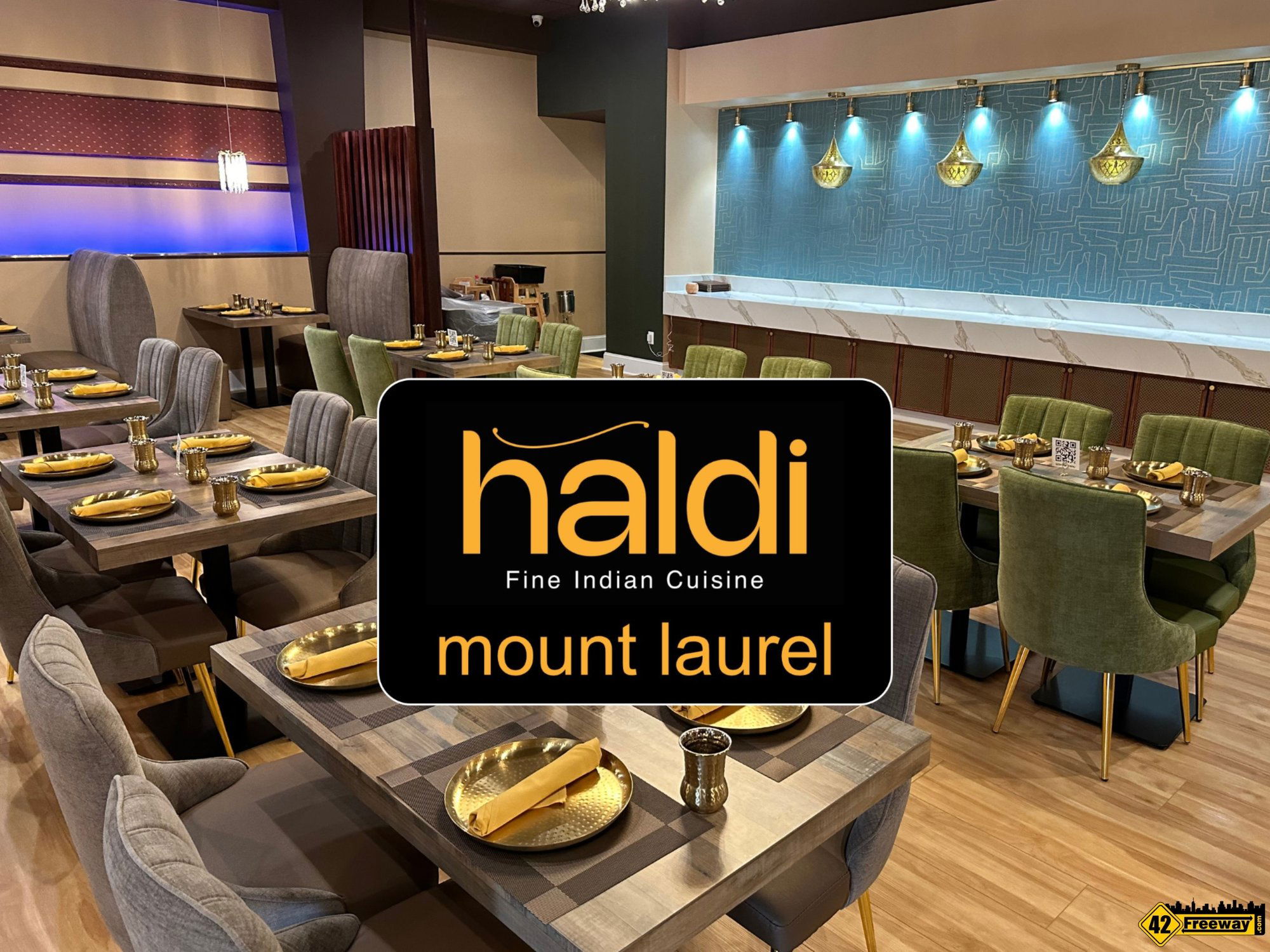
About Haldi Fine Indian Cuisine
Fine Indian cooking in suburban New Jersey occupies a narrower tier than most diners expect, and Haldi in Mount Laurel positions itself at that upper end. The address on Dearborn Circle places it within easy reach of Philadelphia's northern commuter belt, making it a practical option for those who want careful, ingredient-led Indian cooking without crossing the bridge. The kitchen draws on subcontinental sourcing traditions that reward attention.
Where Suburban New Jersey Meets Serious Indian Cooking
The stretch of Mount Laurel that runs along Dearborn Circle is not the kind of address that announces itself. Strip-mall geometry, parking lots, the visual grammar of American suburban commerce. Which is precisely why the dining room at Haldi registers as a deliberate counterpoint: a space that signals intent through restraint rather than spectacle. Fine Indian cooking in the American suburbs tends to default toward buffet-format volume or aggressively Americanized spice levels. Haldi's positioning inside that scene is worth understanding before you arrive.
South Jersey's restaurant corridor sits in an interesting geography. Philadelphia is close enough that diners have access to a genuinely competitive Indian dining market across the river, where BYOB culture and dense South Asian communities in neighborhoods like West Philadelphia and the western suburbs create real pressure on kitchens to perform. Mount Laurel, by contrast, operates at lower density. That lower density can produce lazy cooking, or it can produce something more focused, a kitchen that knows its regulars expect consistency rather than novelty. Haldi appears to have chosen the latter posture. For the fuller picture of what Mount Laurel's dining scene looks like across categories, our full Mount Laurel restaurants guide maps the terrain.
Ingredient-Led Indian: What That Actually Means Here
The phrase "fine Indian cuisine" carries significant baggage in the American context. For decades, it signaled little more than tablecloths and higher prices applied to the same tikka masala template. The shift happening across serious Indian kitchens in the United States over the past fifteen years is a different proposition: sourcing specificity, regional differentiation, and a return to technique that doesn't flatten everything into a generic subcontinental baseline.
At its most rigorous, ingredient-led Indian cooking means treating spice procurement the way farm-to-table American restaurants treat vegetable sourcing. Whole spices sourced by region of origin, freshly milled in-house, used at volumes calibrated to the dish rather than the palate of a lowest-common-denominator customer. It means ghee quality matters, that the provenance of dairy affects the flavor of a korma in ways most diners don't notice until they compare it to something made with commodity inputs. These considerations sit at the heart of what separates a kitchen treating Indian cuisine as a serious discipline from one using it as a format for throughput.
Haldi's name is the Hindi and Urdu word for turmeric, a choice that functions as a kind of quiet editorial statement. Turmeric is foundational, unglamorous, and deeply functional in South Asian cooking: anti-inflammatory, intensely pigmented, and the base note beneath dozens of masalas. Naming a restaurant after it rather than after a Mughal emperor or a romantic abstraction is a signal about where the kitchen's priorities sit. The spice rack, not the chandelier.
The Scene Around the Table
Mount Laurel's dining character is shaped by its position as a corporate suburb, with a significant professional population and proximity to both Philadelphia and the New Jersey Turnpike corridor. That demographic tends to support a particular kind of restaurant: places that function well for business dinners and family occasions, that don't require the commitment of a destination experience, and that reward repeat visits rather than one-time pilgrimages.
In that context, Haldi occupies a different tier from the casual Indian takeaway operations that dominate the surrounding area, and a different tier from the high-ceremony tasting-menu format that defines places like Atomix in New York City or Lazy Bear in San Francisco. It is not in the business of theatrical progression or omakase-adjacent ritual. The comparison set is closer to what Bacchanalia in Atlanta does for Southern-inflected American: serious cooking in a format that doesn't demand the full ceremony of a special-occasion destination, but that rewards diners who pay attention.
Other Mount Laurel addresses worth knowing include Carlucci's Waterfront and Cucina Carini, both of which anchor the Italian-American end of the local market. The regional diversity across the suburb's dining options is modest relative to a major urban center, which makes a kitchen with genuine subcontinental range relatively significant in the local context.
Sourcing and the Broader American Fine Dining Conversation
The ingredient-sourcing conversation in American fine dining has been dominated, for the better part of two decades, by European-influenced kitchens. The ur-texts of the movement, from Blue Hill at Stone Barns in Tarrytown to Single Thread Farm in Healdsburg to The French Laundry in Napa, have framed provenance through the lens of Northern California produce culture or European terroir. Le Bernardin in New York City applies similar rigor to seafood sourcing at the French haute cuisine level.
What's less discussed is that Indian culinary tradition has always operated inside a sophisticated sourcing framework, because spice quality is non-negotiable. A kitchen cutting corners on cumin origin or using pre-ground coriander from a bulk supplier produces a dish that is instantly recognizable as lesser by anyone who has eaten the real version. That internal pressure on sourcing quality is, in some ways, more demanding than the vegetable provenance standards that define American farm-to-table, because the difference is less about aesthetic preference and more about whether the food actually works.
Kitchens like Addison in San Diego, Providence in Los Angeles, and The Inn at Little Washington in Washington have built significant reputations on sourcing discipline within their respective culinary frameworks. The equivalent discipline in Indian cooking remains undervalued in most American critical conversations, which means kitchens that practice it seriously tend to be underrated relative to their European-influenced peers at similar price points. Causa in Washington, D.C. and Brutø in Denver demonstrate how non-European culinary traditions are gaining sharper critical recognition when the technique and sourcing commitments are legible to diners.
Planning Your Visit
Haldi sits at 4180 Dearborn Circle in Mount Laurel, NJ 08054, accessible by car from Philadelphia in roughly twenty to thirty minutes depending on traffic and bridge crossing. The address is suburban and parking is not a constraint. Given the absence of a listed booking platform in publicly available data, direct contact with the restaurant is the prudent approach for reservations, particularly on weekend evenings when suburban dining rooms at this tier fill predictably. Arriving without a reservation on a Friday or Saturday carries real risk of a wait. Weekday visits tend to offer easier access and, often, more attentive service when the room is running below capacity.
Frequently Asked Questions
Is Haldi Fine Indian Cuisine good for families?
For families in the Mount Laurel area, it is a practical option: Indian cuisine at this register tends to accommodate varied preferences across a table, and the suburban setting removes the formality pressure that might make a younger diner uncomfortable.
What is the atmosphere like at Haldi Fine Indian Cuisine?
Relative to the casual Indian restaurants that populate most of South Jersey's strip-mall corridors, Haldi operates at a noticeably more considered register. Without an equivalent to the Michelin-rated Indian rooms in New York or Chicago, Mount Laurel diners looking for a step above the buffet-format baseline will find the room calibrated toward a quieter, more deliberate dining experience.
What dish is Haldi Fine Indian Cuisine famous for?
Specific signature dishes are not documented in available sources. As a general principle, kitchens that name themselves after turmeric tend to center their identity on masala construction and spice-forward cooking rather than tandoor showmanship or dessert spectacle. Order according to what the kitchen's evident priorities signal.
How hard is it to get a table at Haldi Fine Indian Cuisine?
At the Mount Laurel price point and in a suburban format without a documented awards profile, the restaurant is unlikely to require weeks of advance planning. Weekend evenings are the realistic pressure point; midweek visits typically present no difficulty. Contact the restaurant directly to confirm current reservation availability.
What makes Haldi Fine Indian Cuisine worth seeking out?
In a suburb where the Indian dining options skew toward volume and Americanized spice levels, a kitchen that signals ingredient seriousness through its name and positioning fills a specific gap. The relevant comparison is not to Alinea in Chicago or 8 1/2 Otto e Mezzo Bombana in Hong Kong, but to what is available within a twenty-minute drive for a diner who wants subcontinental cooking treated as a discipline rather than a delivery format.
Does Haldi Fine Indian Cuisine cover regional Indian cooking styles, or does it focus on a single tradition?
Indian cuisine spans dozens of distinct regional traditions, from the rice and coconut-based cooking of Kerala to the wheat and dairy-heavy dishes of Punjab and the aromatic Mughal-influenced preparations of Lucknow. A kitchen operating under the "fine Indian" designation in the American market typically draws from the Mughal and North Indian canon, where the techniques are most recognizable to a broad dining public, though the name Haldi suggests attention to spice fundamentals that could extend across multiple traditions. For specifics on current menu scope, direct inquiry with the kitchen is the reliable route given limited publicly available documentation.
Related editorial
- Best Fine Dining Restaurants in ParisFrom three-Michelin-star icons to the next generation of Parisian chefs pushing boundaries, these are the restaurants that define fine dining in the world's culinary capital.
- Best Luxury Hotels in RomeFrom rooftop terraces overlooking ancient ruins to Michelin-starred hotel dining, these are the luxury hotels that make Rome unforgettable.
- Best Cocktail Bars in KyotoFrom sleek lounges to hidden speakeasies, Kyoto's cocktail scene blends Japanese precision with global influence in ways you won't find anywhere else.
Save or rate Haldi Fine Indian Cuisine on Pearl
Keep this venue in your Pearl passport, rate it after you visit, and track it alongside every other place you collect.