
Restaurant in Toyama, Japan
Hagiwara
100ptsToyama Bay Provenance
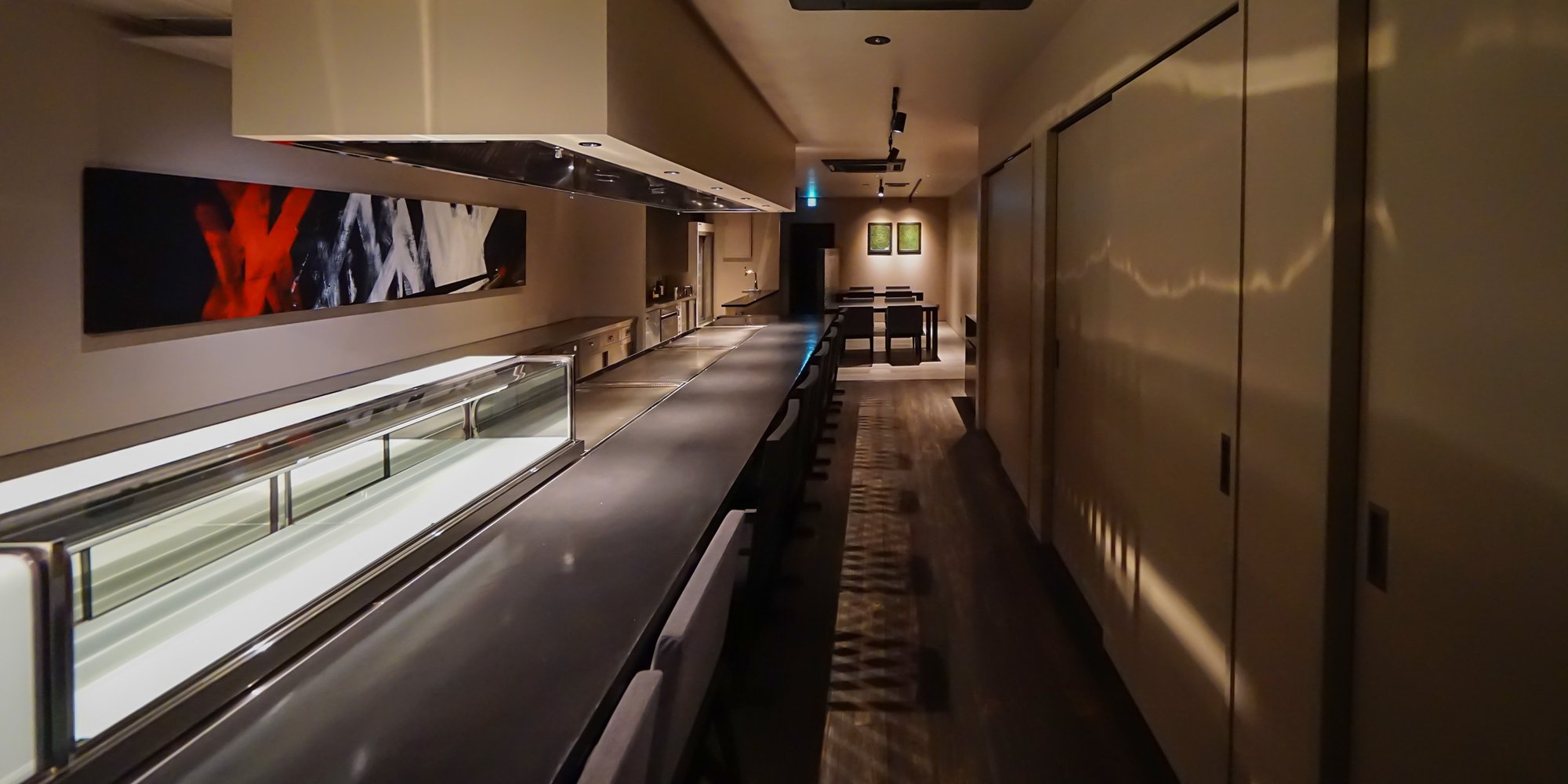
About Hagiwara
Hagiwara occupies a quiet address in Horihatamachi, one of Toyama's more understated dining pockets, where the prefecture's exceptional seafood and mountain-sourced ingredients define what arrives at the table. The restaurant sits within a regional dining scene increasingly recognised for its direct access to Toyama Bay's cold-water catch and the produce corridors running from the Tateyama highlands. For visitors building a serious itinerary around Japan's Sea of Japan coast, Hagiwara belongs on the shortlist.
Where Toyama Bay Meets the Table
Toyama's address at the base of the Tateyama mountain range and along one of Japan's deepest bays is not incidental to its food culture — it is the food culture. The prefecture sits at a convergence point that few Japanese cities can match: cold, deep water from Toyama Bay delivering white shrimp (shiro ebi), firefly squid (hotaru ika), and yellowtail (buri) of unusual quality, while the mountain corridors above supply root vegetables, mountain herbs, and fresh water that regional kitchens have built their identities around for generations. Restaurants at Horihatamachi, a quieter residential-commercial quarter in central Toyama, tend to draw on these sources with less ceremony than the city's more prominent dining addresses — and often with greater fidelity to the ingredients themselves.
Hagiwara, at 1-11 Horihatamachi, operates in that tradition. The address places it within easy reach of Toyama Station on foot or by local transit, which matters for visitors arriving on the Hokuriku Shinkansen from Kanazawa, Kyoto, or Tokyo. The neighbourhood itself is not a dining destination the way Kanazawa's Katamachi district is , it is a local quarter, and that grain is reflected in how the kitchen approaches its sourcing rather than its presentation.
The Sourcing Logic of Toyama's Kitchen
To understand what makes the better restaurants along the Sea of Japan coast compelling, it helps to understand the supply chain they are working with. Toyama Bay reaches depths exceeding 1,000 metres within a short distance of the shoreline, producing cold-water conditions that support species found in very few other Japanese prefectures at the same volume or consistency. White shrimp , harvested almost exclusively in Toyama Bay , arrives in city kitchens within hours of landing. Firefly squid, which gather in extraordinary concentrations along the bay's surface from March through June, create a seasonal peak that draws serious diners to the prefecture during those months specifically.
This is the supply context that shapes restaurants across Toyama's price spectrum, from standing sushi counters near Toyama fish market to the kaiseki-adjacent formats that have attracted national attention. Venues like Ebitei Bekkan and Daimon represent different expressions of this same sourcing advantage, each calibrated to a different dining register. KAWAZ approaches local product through a more contemporary format, while Himawari Shokudo 2 applies an Italian framework , priced in the JPY 20,000–29,999 range , to many of the same regional ingredients. The pattern across this group is consistent: Toyama's sourcing advantage is the premise, and the kitchen's job is to honour or reframe it.
Hagiwara sits within that broader pattern. The Horihatamachi address, quieter than the central restaurant corridors, signals a kitchen oriented toward a local clientele rather than tourist traffic , a positioning that, in Japan's provincial dining culture, often correlates with sourcing relationships built over years rather than assembled for marketing purposes.
Toyama in the National Dining Picture
Toyama's dining reputation has grown substantially since the Hokuriku Shinkansen extension connected the city to Kanazawa and the broader Kansai corridor in 2015. That access changed the economics of serious dining investment in the prefecture, making it viable for more ambitious kitchens to open or expand. The comparison with Kanazawa , often the first city visitors associate with Sea of Japan cuisine , is instructive: Kanazawa's dining scene is more established and better documented internationally, but Toyama's direct bay access gives local kitchens a distinct sourcing edge for certain species, particularly white shrimp and the cold-water fish that concentrate in deeper water.
At the national level, the Sea of Japan coast now figures in conversations about Japan's most ingredient-driven dining regions alongside better-known circuits. Kitchens in Kyoto , like Gion Sasaki , draw extensively on Toyama and Ishikawa seafood for their kaiseki programs, which is itself a signal of the prefecture's status as a supply source for demanding kitchens far outside its borders. Osaka restaurants such as HAJIME and Tokyo counters like Harutaka similarly source from Japan's north-facing coasts when the seasonal window is right. The fact that Toyama ingredients travel outward to feed those kitchens underscores what restaurants operating locally, with direct port relationships, have access to.
Regional parallels elsewhere in Japan follow a similar logic. Goh in Fukuoka and akordu in Nara each illustrate how prefectural identity and hyper-local sourcing have become the organising principle for serious kitchens operating outside Tokyo. Across the Sea of Japan corridor specifically, venues including a counter in Nanao and a kitchen in Takashima demonstrate that the region's ingredient culture extends well beyond any single city. Further north, a Sapporo address and a restaurant in Nishikawa Machi reflect the same cold-water sourcing logic operating at Hokkaido latitudes.
Planning a Visit
Hagiwara's location at 1-11 Horihatamachi puts it within the central Toyama grid, accessible from Toyama Station , the main Hokuriku Shinkansen stop , without requiring a taxi for most visitors. The neighbourhood is residential in character, which means the kind of ambient noise and foot traffic familiar from Kanazawa's central districts is largely absent here. Diners arriving from Tokyo via the Shinkansen reach Toyama in roughly two hours from Kanazawa and just over two and a half hours direct; those coming from Osaka or Kyoto connect through Kanazawa.
Because specific hours, booking methods, and current pricing for Hagiwara are not confirmed in EP Club's verified data, contacting the restaurant directly before planning travel is the appropriate step. For context on how Toyama's dining tier is priced: the mid-to-upper range in the city, as illustrated by Himawari Shokudo 2's JPY 20,000–29,999 bracket, gives a working reference point for what serious dinner formats in the prefecture typically cost. Comparable neighbourhood restaurants in Japanese cities of Toyama's scale rarely operate without advance reservations, particularly for dinner; assuming a reservation is required and planning accordingly is the practical approach. See our full Toyama restaurants guide for the broader picture, including additional options such as Boteyan and context on the city's seasonal dining calendar. For reference points at a global scale, Le Bernardin in New York and Atomix illustrate what seafood-focused and Korean fine dining look like at the leading of their respective categories , a useful calibration before approaching Toyama's quieter but ingredient-serious dining circuit.
Frequently Asked Questions
What do people recommend at Hagiwara?
Specific dish recommendations for Hagiwara are not available in EP Club's verified data, and publishing unconfirmed menu details would be a disservice to readers planning around them. What the restaurant's location in Toyama reliably signals is access to the prefecture's defining seasonal ingredients: white shrimp and firefly squid from Toyama Bay, and cold-water fish that the region's kitchens have built reputations on. For a broader view of how Toyama kitchens approach these same ingredients across different formats and price points, the Toyama city guide covers venues including Ebitei Bekkan and KAWAZ.
Do I need a reservation for Hagiwara?
Current booking policy for Hagiwara is not confirmed in EP Club's verified data. In practice, restaurants at this address type in Japanese provincial cities , particularly those drawing on a local regular clientele , operate with limited covers and assume advance bookings for dinner service. Visiting Toyama without a confirmed reservation at any serious dining address, including Hagiwara, carries real risk of unavailability, especially during the firefly squid season between March and June when demand across the city's better kitchens increases sharply. Contacting the restaurant directly, or working through a hotel concierge in Toyama, is the recommended approach for securing a table.
Is Hagiwara a good option for first-time visitors to Toyama's dining scene?
Hagiwara's Horihatamachi address places it in a quieter, more local part of central Toyama rather than along the city's more visible dining corridors , a positioning that often suits returning visitors or those with a specific interest in how the prefecture's ingredients are handled in neighbourhood-scale formats. First-time visitors to the city might benefit from building context through our Toyama guide first, which maps the full range of dining registers available, from the kaiseki-adjacent formats to contemporary options like Birdland-style specialist kitchens operating elsewhere in the region. That framing makes it easier to assess where Hagiwara fits within a broader Toyama itinerary.
Related editorial
- Best Fine Dining Restaurants in ParisFrom three-Michelin-star icons to the next generation of Parisian chefs pushing boundaries, these are the restaurants that define fine dining in the world's culinary capital.
- Best Luxury Hotels in RomeFrom rooftop terraces overlooking ancient ruins to Michelin-starred hotel dining, these are the luxury hotels that make Rome unforgettable.
- Best Cocktail Bars in KyotoFrom sleek lounges to hidden speakeasies, Kyoto's cocktail scene blends Japanese precision with global influence in ways you won't find anywhere else.
Save or rate Hagiwara on Pearl
Keep this venue in your Pearl passport, rate it after you visit, and track it alongside every other place you collect.