
Restaurant in Honolulu, United States
Fumi's Kahuku Shrimp
100ptsAquaculture-Direct Plate
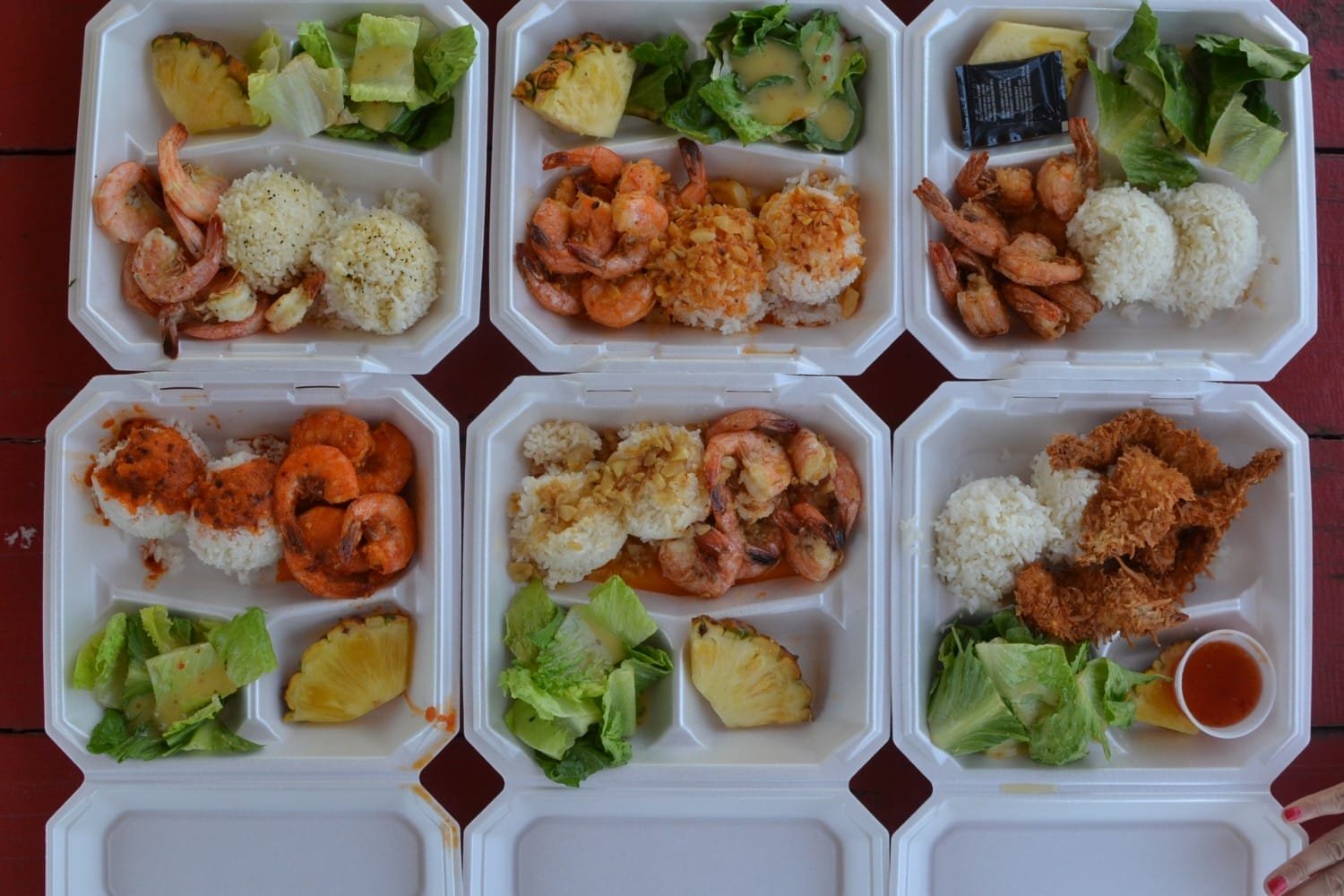
About Fumi's Kahuku Shrimp
On Oahu's North Shore, Fumi's Kahuku Shrimp operates from a roadside truck at 56-777 Kamehameha Highway, serving garlic butter shrimp raised in the aquaculture ponds that define this stretch of coastline. The format is deliberately simple: outdoor seating, paper plates, and shrimp harvested from farms within a few miles of the truck. It is the kind of place where the sourcing is the story.
The North Shore Shrimp Belt and Why Kahuku Is Its Center
Driving the Kamehameha Highway north from Honolulu, the landscape shifts from suburban sprawl to sugarcane remnants and aquaculture ponds before you reach Kahuku. This narrow coastal corridor on Oahu's northeastern tip has been producing farm-raised shrimp since the 1990s, when commercial prawn farming replaced plantation agriculture as the dominant land use. The result is a food geography that has no real parallel elsewhere in Hawaii: a cluster of shrimp trucks and stands operating within direct proximity of the ponds that supply them. Fumi's Kahuku Shrimp, at 56-777 Kamehameha Highway, sits inside that tradition rather than performing it for tourists.
The Kahuku shrimp truck circuit now draws visitors from across Oahu and beyond, but the underlying logic remains agricultural. The freshwater prawn and Pacific white shrimp raised in these ponds require minimal transit between harvest and plate, which is a material advantage in a state where most protein arrives by container ship. That proximity to source shapes everything about the format: the menu is short, the preparation styles are few, and the product itself carries most of the weight.
A Format Built Around the Ingredient
Roadside shrimp trucks in Kahuku operate on a model that strips away restaurant infrastructure in favor of product focus. No reservations, no dining room, no wine list. What you get instead is shrimp cooked to order, served outdoors, typically on paper plates with rice. The cooking methods that have defined the format across the Kahuku corridor — garlic butter, lemon pepper, coconut preparations — exist precisely to frame rather than overwhelm the sweetness of locally raised prawns.
This is a different kind of ingredient-sourcing argument than the one made by tasting-menu restaurants like Single Thread Farm in Healdsburg or Blue Hill at Stone Barns in Tarrytown, where hyper-local sourcing arrives with ceremony and narration. In Kahuku, the sourcing is self-evident and unremarked upon. The ponds are visible from the road. The trucks do not need to explain where the shrimp comes from because the answer is obvious to anyone who has driven through.
Fumi's fits squarely in that ethos. The address places it in the heart of the Kahuku corridor, and the format aligns with what has made this stretch of highway a reference point for a certain kind of Hawaii food experience: accessible, produce-driven, and geographically specific in a way that restaurant dining rarely achieves.
Kahuku Shrimp in the Context of Oahu's Food Scene
Honolulu's restaurant scene has moved substantially toward chef-driven dining over the past two decades. Places like Fête (New American) and 3660 On the Rise represent a more composed tier of Hawaii cooking, where technique and plating carry as much weight as sourcing. 53 By The Sea and Ahaaina Luau occupy ceremonial and experiential registers. 855-ALOHA pulls in a different direction again. The Kahuku shrimp trucks sit entirely outside that competitive set. They are not competing with fine dining; they are operating in a category where the sourcing story is the format.
That category has gained credibility nationally in recent years. Sourcing-forward restaurants from Smyth in Chicago to Providence in Los Angeles have built serious reputations on the argument that where food comes from matters as much as how it is cooked. Addison in San Diego and Le Bernardin in New York City extend that argument into different culinary languages. The Kahuku trucks make the same fundamental argument in the plainest possible register: when the product is this close to the source, elaborate preparation is optional. The shrimp trucks of the North Shore would not be out of place in conversation with Emeril's in New Orleans or Lazy Bear in San Francisco as expressions of regionalism, even if the format is entirely different.
For a fuller sense of how Fumi's sits within Oahu's wider dining scene, the full Honolulu restaurants guide maps the range from North Shore trucks to downtown Honolulu tables.
The Aquaculture Ponds as Context
The Kahuku ponds operate as commercial aquaculture facilities, producing freshwater prawns and Pacific white shrimp for local consumption. Hawaii's geography makes this significant: the state imports an estimated 85 to 90 percent of its food, a dependency that applies to seafood as much as produce. The Kahuku corridor represents one of the few places on Oahu where a primary protein is grown, harvested, and consumed within a compact geographic radius. For shrimp specifically, the farms here supply a product that would otherwise arrive frozen from Southeast Asian or Central American operations.
That distinction matters for flavor. Fresh, never-frozen shrimp from temperate aquaculture ponds has a texture and sweetness that differs from commodity shrimp, and the short supply chain means the product reaches the cooking surface faster than in almost any other American setting outside of the Gulf Coast. The Kahuku trucks exploit that advantage directly, cooking shrimp with minimal processing in preparations designed to let the base product speak.
Getting There and What to Expect
Fumi's is located at 56-777 Kamehameha Highway in Kahuku, approximately 35 miles north of downtown Honolulu by road. The drive via H-2 and the Kamehameha Highway takes roughly an hour from Waikiki depending on traffic, and the route through the North Shore passes the Dole Plantation and the surf beaches at Haleiwa and Sunset before reaching the shrimp corridor. The format is walk-up and outdoor: no reservations, no indoor seating, and no dress expectation beyond practical comfort in the open air. Timing matters more than most visitors anticipate. Lunch hours on weekends draw the longest queues, and arriving early or later in the afternoon typically means shorter waits. The shrimp trucks in this corridor operate on variable schedules, so confirming hours before making the drive from Honolulu is advisable.
The experience operates in a register that other sourcing-focused destinations at the international level, from Atelier Moessmer Norbert Niederkofler in Brunico to The Inn at Little Washington or Atomix in New York City, share in principle but express in entirely different ways. The common thread is that geography and sourcing determine the menu. At Fumi's and its North Shore neighbors, that principle operates without infrastructure, ceremony, or price premium beyond the baseline product quality.
Frequently Asked Questions
- What is the signature dish at Fumi's Kahuku Shrimp?
- Garlic butter shrimp is the format that defines the Kahuku corridor and the preparation most associated with Fumi's. The dish is built around locally farmed shrimp cooked in a heavily seasoned butter-and-garlic sauce and served with steamed rice. Across the North Shore trucks, this preparation has become the reference point against which visitors compare the other stands.
- Is Fumi's Kahuku Shrimp reservation-only?
- No. Like other shrimp trucks along the Kamehameha Highway, Fumi's operates on a walk-up basis with no reservation system. Oahu visitors should account for potential queues during peak weekend lunch periods and consider timing their visit to the early morning opening or mid-afternoon lull. Confirming current hours before the drive from Honolulu is practical given the roughly one-hour transit each way.
- What do critics highlight about Fumi's Kahuku Shrimp?
- Coverage of the Kahuku shrimp corridor consistently focuses on the proximity of the aquaculture ponds to the serving trucks as the defining quality factor. Fumi's is cited within that broader North Shore context as a longtime presence on the highway, with the garlic butter preparation drawing particular mention. No formal award designations are on record for Fumi's specifically.
- How does Fumi's Kahuku Shrimp handle allergies?
- No formal allergen policy is published in available records for Fumi's. Given the walk-up, open-air format and shrimp-focused menu, visitors with shellfish allergies or other dietary restrictions should contact the stand directly before visiting. The menu is narrow enough that substitutions may be limited.
- How does the Kahuku shrimp truck experience differ from eating shrimp at a Honolulu restaurant?
- The primary distinction is supply chain. Honolulu restaurants typically source seafood through distribution networks that may include mainland or international suppliers, while the Kahuku trucks draw from the aquaculture ponds located directly along the Kamehameha Highway corridor. That difference in transit time and product handling produces shrimp with a texture and freshness profile that differs from what most Honolulu dining rooms serve. The format is also categorically different: outdoor, walk-up, and without the service infrastructure of a seated restaurant.
Related editorial
- Best Fine Dining Restaurants in ParisFrom three-Michelin-star icons to the next generation of Parisian chefs pushing boundaries, these are the restaurants that define fine dining in the world's culinary capital.
- Best Luxury Hotels in RomeFrom rooftop terraces overlooking ancient ruins to Michelin-starred hotel dining, these are the luxury hotels that make Rome unforgettable.
- Best Cocktail Bars in KyotoFrom sleek lounges to hidden speakeasies, Kyoto's cocktail scene blends Japanese precision with global influence in ways you won't find anywhere else.
Save or rate Fumi's Kahuku Shrimp on Pearl
Keep this venue in your Pearl passport, rate it after you visit, and track it alongside every other place you collect.