
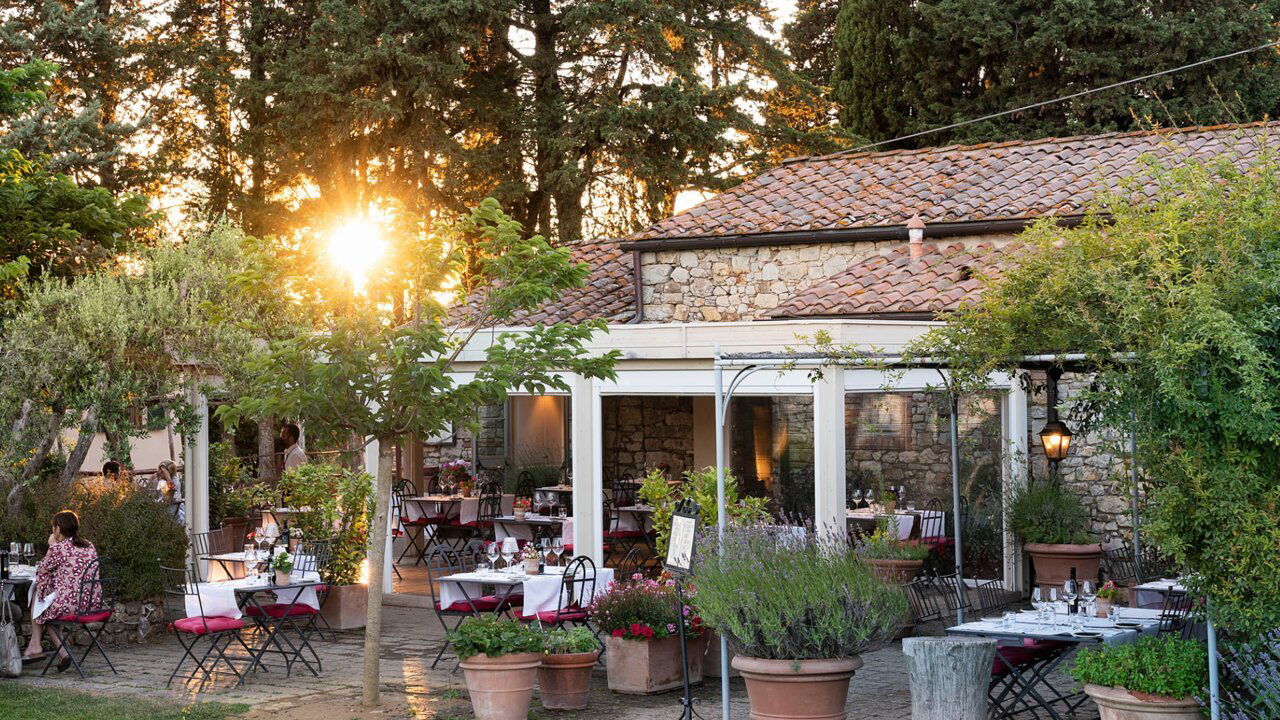
Restaurant in Castellina in Chianti, Italy
Fonterutoli
100ptsRidge-Grown Chianti Classico
About Fonterutoli
Fonterutoli sits in the heart of Chianti Classico country, in Castellina in Chianti, where the agricultural logic of the land shapes everything on the table. The estate's position within one of Tuscany's most consequential wine-producing zones gives it a context that few Sienese addresses can match. For those moving through the region's serious dining circuit, it belongs on the itinerary alongside the better-known stops in Florence and Siena.
Where the Land Sets the Terms
Castellina in Chianti sits on a ridge between the Elsa and Arbia valleys, roughly halfway between Florence and Siena, and the light here does something particular to the late afternoon. The stone buildings absorb it, the cypress lines hold it, and the vineyards below catch it at an angle that makes the whole scene look constructed rather than natural. This is estate country, and in estate country, the provenance of what you eat and drink is not a marketing position — it is a structural fact. The farms, the orchards, and the cellars that surround Fonterutoli are not decorative. They are the supply chain.
That distinction matters when you are assessing where this address sits in the broader Tuscan dining conversation. Much of what passes for farm-to-table dining in the region involves sourcing from within a loosely defined local radius. Here, the radius contracts further. Chianti Classico estates of this scale and historical depth typically operate their own olive groves, kitchen gardens, and in some cases small-scale livestock operations. The table becomes a direct extension of the land, not an interpretation of it. For the reader deciding between Castellina and a more urban Florentine option — say, Enoteca Pinchiorri in Florence , the difference is precisely this: one offers a wine list and a kitchen in a city; the other offers a territory.
The Chianti Classico Context
Fonterutoli the estate is among the better-documented names in Chianti Classico, a zone that has spent the past three decades clarifying its own identity. The appellation's Gran Selezione category, introduced in 2014, pushed leading producers toward single-vineyard expression and longer aging requirements. Estates with deep historical roots in Castellina , and Fonterutoli's documented presence in the area dates back centuries , found themselves in an advantageous position: they already had the vineyard data, the cellar infrastructure, and the reputation to compete at that upper tier.
Within the Italian fine dining circuit, territory-driven addresses like this one occupy a different competitive set from the ambitious urban restaurants that define the country's critical conversation. Places such as Osteria Francescana in Modena, Enrico Bartolini in Milan, or Piazza Duomo in Alba compete on technical ambition and critical recognition. Estate-based Tuscan dining competes on coherence , the degree to which the wine, the food, the setting, and the agricultural reality align into a single, legible experience. That alignment is harder to achieve than a starred tasting menu and, for certain travellers, more satisfying.
Comparable estate-rooted approaches exist elsewhere in Italy , Dal Pescatore in Runate and Quattro Passi in Marina del Cantone both demonstrate how a strong regional identity can anchor a serious table , but the Chianti Classico zone adds a wine dimension that few Italian territories can match in terms of international recognition and collector interest.
What Ingredient Sourcing Means in Practice
In the Chianti hills, sourcing is not a trend but a default condition of geography. The growing season, the altitude (Castellina sits at around 578 metres), and the galestro and alberese soils that define Chianti Classico's subzones all shape what can be grown and when. Olive oil production is central to the Fonterutoli estate's identity , Chianti Classico's DOP olive oil designation runs parallel to the wine appellation and reflects the same terroir logic. A table at an address like this, at the right time of year, means oil pressed from trees on the property, grapes harvested from named plots, and vegetables grown at altitudes that slow ripening and concentrate flavour.
This is not a claim unique to Fonterutoli but a structural advantage of the Chianti Classico estate model more broadly. What distinguishes individual addresses within that model is execution: how the kitchen translates agricultural proximity into something that reads as a meal rather than a farm visit. The two other serious tables in Castellina , Albergaccio di Castellina and Tavola di Guido , approach the same raw material from different culinary positions, giving the town a small but genuinely interesting dining triangle for visitors spending more than a single night.
For the wider Italian dining context, addresses that push creative or technical boundaries , Reale in Castel di Sangro, Uliassi in Senigallia, or Atelier Moessmer Norbert Niederkofler in Brunico , represent a different register entirely. Fonterutoli is not in that conversation, nor does it need to be. Its register is coherence and rootedness, which attracts a different kind of traveller: one who wants the wine and the food and the landscape to feel like a single argument rather than separate performances.
Planning Your Visit
Castellina in Chianti is most practically reached by car from Florence (approximately 45 minutes) or Siena (around 25 minutes), which is worth factoring into any itinerary built around the wider Chianti Classico zone. The village itself is compact and walkable, but the surrounding estates require transport. Harvest season, running from late September into October, brings the most atmospheric conditions for a visit , olive pressing follows in November, which represents a second window for those whose interest runs to oil as much as wine. For those building a longer Italian itinerary around serious dining, the region pairs logically with a stay in Florence or Siena, from which side trips to addresses like Le Calandre in Rubano, Casa Perbellini 12 Apostoli in Verona, or Da Vittorio in Brusaporto become feasible. Internationally, the calibre of Chianti Classico estate dining compares most directly with destination-driven addresses in the United States such as Lazy Bear in San Francisco or technically accomplished seafood-focused rooms like Le Bernardin in New York City , different in register but similar in the degree to which the surrounding context informs the plate. Our full Castellina in Chianti restaurants guide covers the wider picture for anyone spending multiple days in the zone. Booking logistics for estate dining in the Chianti Classico area should be arranged at least several weeks in advance during the spring and autumn high seasons, when the overlap of wine tourism and culinary travel creates genuine demand pressure. Specific booking details for Fonterutoli are leading confirmed directly with the estate, as availability and format vary by season. Also consider Villa Crespi in Orta San Giulio if your Italy trip extends further north.
Frequently Asked Questions
- Is Fonterutoli a family-friendly restaurant?
- Estate dining in Castellina in Chianti tends toward a relaxed, rural pace rather than the formal codes of a city fine dining room. That said, the Chianti Classico experience is oriented primarily toward adult guests with an interest in wine and agricultural heritage. Families with older children who appreciate long, unhurried meals in a countryside setting will find the environment appropriate; those with very young children should weigh the format against simpler village options in Castellina.
- What is the atmosphere like at Fonterutoli?
- The atmosphere in Chianti Classico estate settings is defined by the architecture and the agricultural surroundings rather than by designed interior theatrics. Stone, cypress, and vineyard views set the register , calm, rooted, and distinctly Sienese. It sits at a considerable distance from the formal urban atmosphere of Florence's serious tables, and closer in spirit to the estate-country dining of the Maremma or the Langhe in Piedmont.
- What do people recommend at Fonterutoli?
- In estate-based Tuscan dining, the pairing of local wine with locally sourced ingredients is almost always the core recommendation. The Fonterutoli estate produces Chianti Classico across several tiers, and any meal here is most coherently experienced alongside those wines rather than a broader Italian list. The seasonal alignment of the menu with what the estate and surrounding area produce at any given moment is the detail that repeat visitors tend to cite.
- How hard is it to get a table at Fonterutoli?
- During the Chianti Classico high seasons , April through June and September through October , estate dining in the zone books up faster than the relatively quiet location might suggest. Wine tourism drives considerable traffic to Castellina, and properties with historic estate credentials attract visitors from across Europe and North America. Booking several weeks in advance for peak periods is prudent; the shoulder months of early spring and late autumn offer more flexibility.
- What makes dining at a Chianti Classico estate like Fonterutoli different from visiting a standalone restaurant in the region?
- Estate addresses embed the table within a complete agricultural system: the wine, the olive oil, and often the vegetables and herbs come from the same property or its immediate surroundings. That vertical integration is what separates an estate visit from a restaurant meal , the narrative of the land is not constructed for the dining room but is simply the operational reality of the address. For travellers already engaged with the Chianti Classico wine zone, this coherence is the central draw, and it places Fonterutoli in a distinct category from even the leading standalone restaurants in nearby Siena or Florence.
Related editorial
- Asia's 50 Best Restaurants 2026: The Chairman and Wing Go 1-2 from the Same BuildingThe Chairman takes No. 1 and Wing climbs to No. 2 at Asia's 50 Best Restaurants 2026. Both operate from the same Hong Kong building. Here's what it means.
- Four Seasons Yachts Debut: 95 Suites, 11 Restaurants, and a March 2026 Maiden VoyageFour Seasons I launches March 20, 2026, with 95 suites, a one-to-one staff ratio, and 11 onboard restaurants. Worth tracking if you want hotel-grade service at sea.
- LA Michelin Guide 2026: Seven New Restaurants from Tlayudas to Uzbek DumplingsMichelin's March 2026 California Guide update adds six LA restaurants and one Montecito newcomer, spanning Oaxacan tlayudas, Uzbek manti, and Korean-Italian pasta.
Save or rate Fonterutoli on Pearl
Keep this venue in your Pearl passport, rate it after you visit, and track it alongside every other place you collect.