
Restaurant in Stellenbosch, South Africa
Delheim Wine Estate
100ptsFarm-Rooted Cellar Hospitality
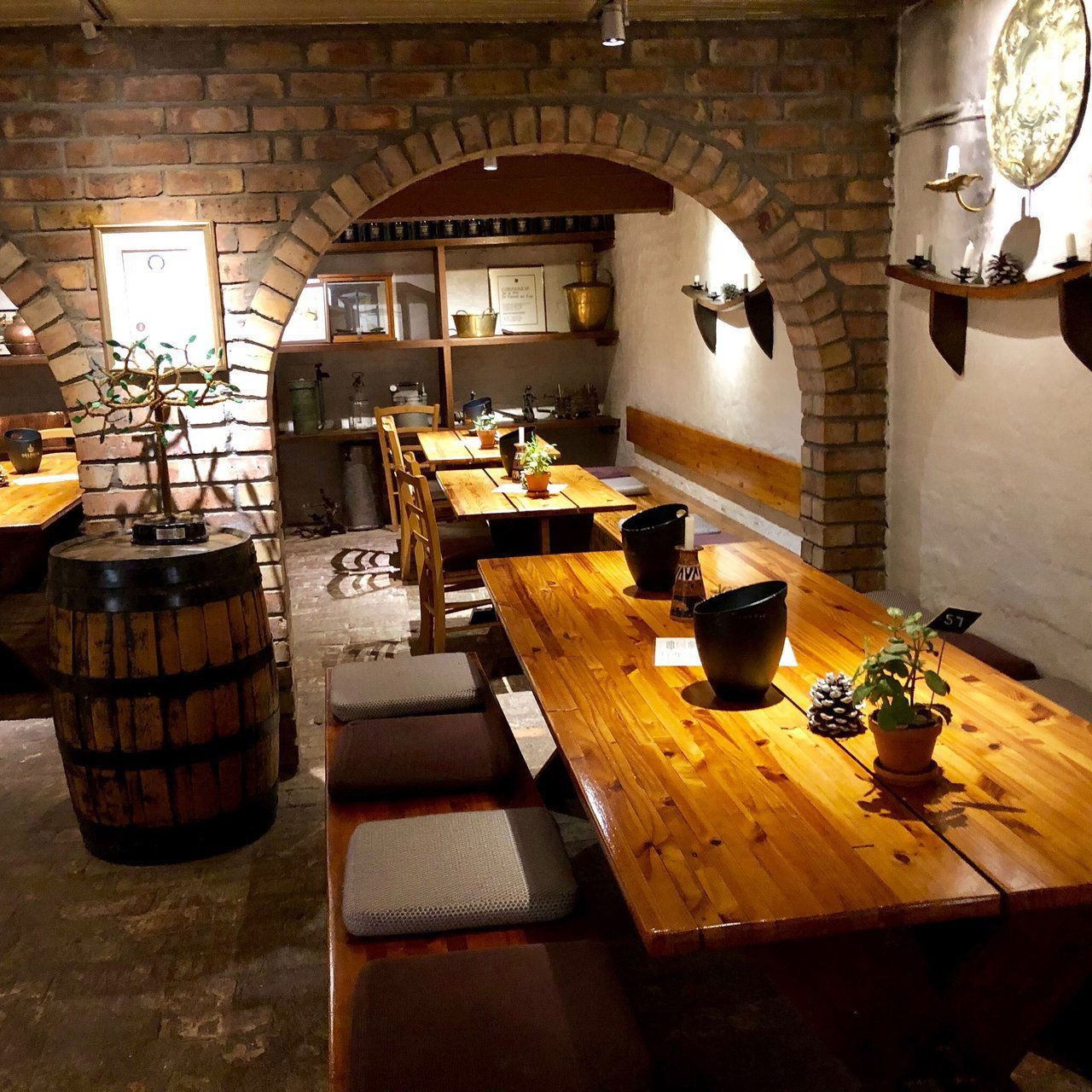
About Delheim Wine Estate
Delheim Wine Estate sits on Knorhoek Road in the Simonsberg foothills above Stellenbosch, where the estate's farming roots shape both what ends up in the glass and what arrives at the table. The property operates within the older tradition of Cape winery hospitality, where the vineyard itself is the context for the meal rather than a backdrop for it. For visitors tracing the Winelands at a deliberate pace, it earns a place on the itinerary.
The Simonsberg Slope and What It Tells You About the Wine
The approach to Delheim along Knorhoek Road already frames the experience before you reach the cellar door. The Simonsberg massif rises behind the estate, and the altitude gain from the valley floor is enough to shift both temperature and soil character in ways that serious Stellenbosch producers have long understood. This is not an incidental location. The Simonsberg-Stellenbosch ward, where elevations and granitic-derived soils produce wines with a cooler edge than the lower valley, has historically attracted estates that prioritise structure over early approachability. Delheim sits within that tradition, in a ward where the farming calendar and the vineyard's physical conditions carry more weight than any single stylistic decision made in the cellar.
That context matters when you consider what wine-estate dining in the Cape actually represents at its most coherent. Across the Winelands, the stronger table experiences are the ones that treat the surrounding farmland as a live ingredient source rather than scenic framing. At the leading end of that spectrum, you find places like Bread & Wine Vineyard Restaurant and Boschendal at Oude Bank, both of which have made farm provenance the organising principle of their menus. Delheim operates within the same general tradition, one that has its roots in the Cape's older wine-farm hospitality culture before that culture became a formal dining category.
Farming Roots as a Menu Philosophy
The relationship between what an estate grows and what it serves has become a defining axis in Winelands dining. In the most considered examples, the kitchen draws directly from the surrounding farm: seasonal produce, estate-raised proteins, herbs from on-site gardens. This sourcing logic is not simply a marketing posture in the Cape context. It reflects the original function of the wine farm as a working agricultural unit, where the cellar, the orchard, and the kitchen were interdependent parts of the same operation.
Delheim's position in Stellenbosch places it within driving distance of what is arguably South Africa's most concentrated cluster of farm-to-table dining. The region's broader restaurant scene has developed considerably, with urban Stellenbosch now offering everything from Japanese precision at HŌSEKI to the contemporary South African cooking at Dusk and the produce-led tasting format at Eike by Bertus Basson. Estate dining, though, occupies a different register from those town restaurants. The logic is slower, more anchored to place, and the wine pairing is built into the structure of the visit rather than offered as an add-on.
When pairing wine-estate visits across the Winelands, the pattern worth noting is that estates with genuine agricultural depth tend to produce more coherent dining experiences than those where the restaurant was grafted onto an existing visitor operation. The physical evidence of farming at Delheim, visible in the working landscape on the approach, places it within the former category.
Where Delheim Sits in the Stellenbosch Visitor Hierarchy
Stellenbosch's wine estate visitor circuit is stratified more than it appears from the outside. At one tier, you have large-volume estates with polished visitor centres and high-throughput tasting rooms oriented around retail sales. At another, smaller estates with limited hospitality infrastructure run appointment-only experiences that reward advance planning. Delheim has historically operated as an estate with genuine hospitality depth, positioned for visitors who want more than a pour-and-purchase format without necessarily requiring the tight curation of a booking-only specialist.
That positioning puts it in direct conversation with the broader Winelands hospitality tradition that extends beyond Stellenbosch. The same sourcing-led, estate-anchored dining logic drives some of the most discussed experiences elsewhere in the region, from Le Quartier Français in Franschhoek to the hyperlocal marine focus of Wolfgat in Paternoster. In Cape Town proper, Fyn approaches South African ingredient sourcing from an urban, fine-dining angle, which only underlines how distinctive the wine-estate format remains as a category. Visitors building a broader South Africa itinerary might also consider how estate dining in the Winelands compares with the bush-lodge dining tradition at properties like Silvan Safari Lodge in Kruger or Londolozi Game Reserve, where sourcing constraints and setting similarly shape what arrives at the table.
Planning a Visit
Knorhoek Road runs off the R44 north of Stellenbosch town, making Delheim accessible as part of a longer Simonsberg loop that can also take in neighbouring estates on the same morning or afternoon. The estate's address places it outside the immediate Stellenbosch town cluster, so a car is the practical mode of transport, and combining it with two or three other estate visits in the same corridor is the most efficient way to use the day. Given the estate's profile, visitors should check current opening times and dining availability directly before arrival; Winelands estates in this tier often adjust hospitality operations seasonally, and weekend capacity in particular can fill faster than first-time visitors expect. For a fuller picture of what the town itself offers across price tiers, EP Club's Stellenbosch restaurants guide covers the complete range. Those arriving from or continuing to Cape Town might cross-reference the Ellerman House in Bantry Bay for urban luxury dining that complements the Winelands experience.
Frequently Asked Questions
What should I order at Delheim Wine Estate?
Delheim's dining operates within the estate's agricultural context, so dishes that draw directly from the farm's seasonal production tend to represent the most coherent expression of what the kitchen is doing. In the Stellenbosch wine-estate tradition, that typically means produce-forward dishes that pair logically with the estate's own wines. Without confirmed current menu data, the most reliable approach is to ask which dishes the kitchen sources directly from the estate on the day of your visit, a question that most estate kitchens in this category are equipped to answer clearly.
Do they take walk-ins at Delheim Wine Estate?
Winelands estates at Delheim's level of hospitality depth generally accept walk-ins for tasting room visits but may require bookings for seated dining, particularly on weekends. In Stellenbosch specifically, weekend demand across the estate circuit is high enough that walk-in availability for lunch cannot be assumed during peak season. Contacting the estate directly before arrival is the practical safeguard, especially if your visit falls on a Saturday or during the summer harvest period when the valley operates at capacity.
What's the signature at Delheim Wine Estate?
Delheim's most discussed wine is the Spatzendreck, a late-harvest dessert wine that has been produced on the estate for decades and sits within a narrow tradition of German-influenced sweet wines that reflects the estate's founding heritage. At the table, the wines produced on the Simonsberg slopes form the natural pairing framework, with the estate's red blends and single-variety releases typically anchoring the food-and-wine matching across the menu.
Do they accommodate allergies at Delheim Wine Estate?
Cape wine-estate kitchens in this category generally accommodate dietary requirements when notified in advance, though the specifics of what Delheim's kitchen can accommodate should be confirmed directly with the estate before booking. Given the farm-sourcing orientation of estate dining in this region, kitchens tend to have more flexibility around substitutions than a fixed urban tasting-menu format would allow. Direct contact ahead of arrival is the only reliable way to confirm current allergy protocols.
Is eating at Delheim Wine Estate worth the cost?
The value question at any Winelands estate comes down to what you are comparing against. Estate dining in this category bundles setting, provenance, and wine access in a way that urban Stellenbosch restaurants, however accomplished, cannot replicate. If you are measuring purely against food quality per rand, a town restaurant like Eike by Bertus Basson or Dusk will likely score higher on cooking precision. If the estate context, the vineyard setting, and direct access to the producer's wine range are part of what you are paying for, the calculus shifts, and Delheim's Simonsberg position gives it a genuine landscape credential that the price reflects.
What makes Delheim Wine Estate worth visiting specifically for wine rather than just the food?
Delheim's position in the Simonsberg-Stellenbosch ward places it in one of the Cape's more altitude-influenced growing zones, where cooler ripening conditions produce wines with a structural profile distinct from lower-valley estates. The estate has a documented history of producing wines that reflect that terroir rather than chasing a generic Stellenbosch house style, with the Spatzendreck late-harvest bottling representing a category that few Cape producers maintain with any consistency. For visitors interested in understanding how geography shapes wine character across Stellenbosch's sub-wards, Delheim offers a useful reference point on the Simonsberg slope. Cross-referencing it with what Boschendal at Oude Bank produces further along the mountain range adds comparative depth to the tasting experience.
Related editorial
- Asia's 50 Best Restaurants 2026: The Chairman and Wing Go 1-2 from the Same BuildingThe Chairman takes No. 1 and Wing climbs to No. 2 at Asia's 50 Best Restaurants 2026. Both operate from the same Hong Kong building. Here's what it means.
- Four Seasons Yachts Debut: 95 Suites, 11 Restaurants, and a March 2026 Maiden VoyageFour Seasons I launches March 20, 2026, with 95 suites, a one-to-one staff ratio, and 11 onboard restaurants. Worth tracking if you want hotel-grade service at sea.
- LA Michelin Guide 2026: Seven New Restaurants from Tlayudas to Uzbek DumplingsMichelin's March 2026 California Guide update adds six LA restaurants and one Montecito newcomer, spanning Oaxacan tlayudas, Uzbek manti, and Korean-Italian pasta.
Save or rate Delheim Wine Estate on Pearl
Keep this venue in your Pearl passport, rate it after you visit, and track it alongside every other place you collect.