
Restaurant in Chamonix, France
Crémerie du Glacier
100ptsSavoyard Dairy Counter
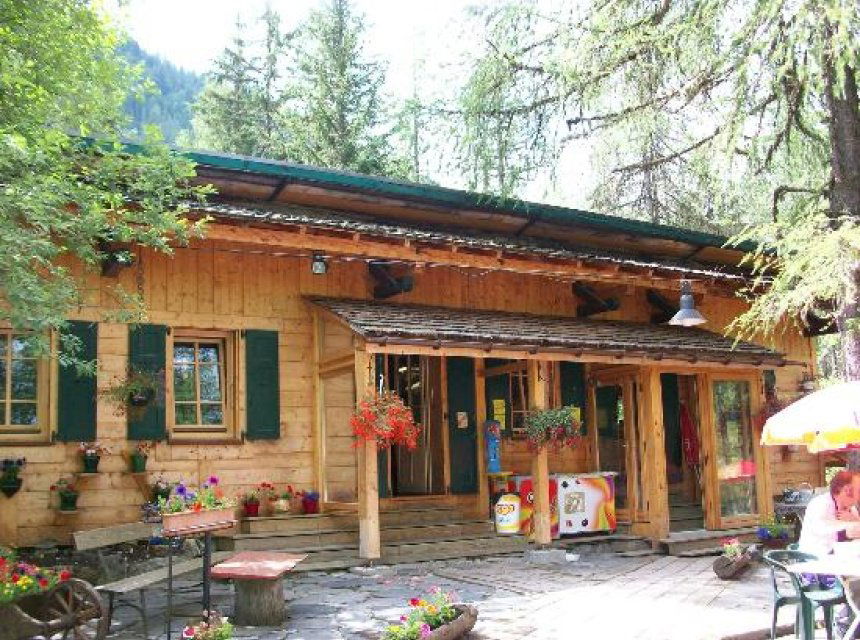
About Crémerie du Glacier
"A special place at the bottom of the mountain," describes Tony. "croute with morilles, and cream, lots of cream....farcante: a big, heavy, albeit thoroughly delicious loaf of potato, bacon, dried fruit, and cream slowly steamed in a bain marie."
Alpine Dairy Tradition in the Shadow of Mont Blanc
Chamonix has always occupied a specific position in the French Alpine imagination: a town built around extremity, where the vertical ambitions of the mountain press hard against the horizontal rhythms of village life below. The eating and drinking culture that has developed here reflects that tension. On one side, you have the high-altitude dining experience, restaurants like Le 3842 perched at the edge of what the cable car can reach. On the other, you have the older, slower tradition of the crémerie, the dairy shop and its adjacent eating culture that predates ski tourism by centuries.
Crémerie du Glacier sits inside that second tradition. The crémerie format, which combines the sale of dairy products with informal eating, has deep roots in the French Alpine valleys. These were not restaurants in the modern sense. They were provisioners that evolved, over time, into places where you could eat what you had just purchased or what had been prepared from the day’s dairy stock. The tradition draws directly from the transhumance economy, where cheese-making at altitude was a primary agricultural activity and the products that came down from the mountain pastures shaped what people ate at every meal.
What Crémerie Eating Means in the Alpine Context
Understanding the crémerie format requires some distance from the modern restaurant framework. French Alpine cheese culture is specific and regional in a way that can surprise visitors arriving from cities. Reblochon, Beaufort, Tomme de Savoie, and Abondance are not interchangeable commodities here. Each carries a geographic designation and a production method that reflects particular valley conditions, particular herds, and particular seasonal rhythms. The crémerie, at its leading, is where that specificity is made legible and edible.
This is a different kind of credentialing from what you find at, say, Flocons de Sel in Megève, where Michelin recognition and haute cuisine technique are the primary signals. The crémerie tradition operates on terroir authority rather than kitchen authority. The quality signal is in the provenance and handling of the product, not in what transformation is applied to it. For travellers accustomed to framing French dining through the lens of Paris institutions like Alléno Paris au Pavillon Ledoyen, this requires a recalibration. The crémerie is not trying to compete on those terms.
Chamonix’s dining scene runs a wide spectrum. Informal mountain-facing spots like La Cabane Des Praz and Le Sérac hold the middle register, while hearty Savoyard restaurants like La Calèche anchor the traditional end. The crémerie occupies a distinct category: less a restaurant than a format rooted in how this region has always fed itself.
The Savoyard Cheese Tradition as Dining Context
Beaufort, sometimes called the “prince of Gruyères,” is the prestige product of the Savoie region. It is an AOC cheese, produced under strict geographic and method rules, with an aged summer version (Beaufort d’Alpage) that commands a premium even within the category. A good crémerie in this valley should be a reliable source for this kind of product, with the seasonal variation that reflects real agricultural cycles rather than year-round commodity supply.
The broader French cheese canon, traceable through institutions like Auberge de l’Ill in Illhaeusern or across the formal dining traditions that Paul Bocuse helped codify, depends on a supply chain that runs through exactly this kind of specialist producer and retailer. The crémerie is infrastructure, in the leading sense. It is where the farm meets the table before the kitchen gets involved.
This connects to a broader pattern in French regional food culture. Whether you look at the fermented traditions in Alsace, visible through venues like Au Crocodile in Strasbourg, or the land-driven menus at Bras in Laguiole, the argument is the same: the product’s origin is the first fact, and everything else follows from it. The crémerie format in Chamonix makes that argument in its most direct, unmediated form.
Planning Your Visit
Crémerie du Glacier is located in Chamonix at 74400. For visitors building a broader Chamonix eating itinerary, it fits logically into a morning or midday slot, before the mountain excursions that define the afternoon schedule. It is worth consulting our full Chamonix restaurants guide to map it against the town’s other eating options, particularly if you are splitting time between on-mountain eating and valley dining. Options like Burger “Poco Loco” offer a more casual counterpoint for evenings when a lighter, less structured meal fits better.
Specific hours, booking requirements, and current pricing are not confirmed in our data at time of writing. For the most current operating information, checking directly with the venue before visiting is advisable, particularly during shoulder season when Alpine businesses frequently adjust hours.
For travellers who want to situate this kind of regional eating within a wider French context, the progression from terroir-driven producers to technically ambitious restaurants is visible across the country. The contrast between a Chamonix crémerie and a three-star operation like Mirazur in Menton or the precision cooking at Assiette Champenoise in Reims is instructive. Both ends of the spectrum depend on the same underlying quality of French regional production. The crémerie is simply closer to the source.
For context outside France altogether, the move from product-forward eating to chef-driven transformation is a global pattern. It is visible in how venues like Le Bernardin in New York City or Atomix in New York City approach sourcing. The crémerie tradition is the inverse of that model, and understanding both helps calibrate what each kind of eating is actually for. Similarly, the terrain-driven approach at Troisgros in Ouches or the marine intensity at AM par Alexandre Mazzia in Marseille each reflect regional specificity processed through high technique. The crémerie skips the processing step and makes that specificity available directly.
Frequently Asked Questions
- What is the signature dish at Crémerie du Glacier?
- Specific dish information is not confirmed in our current data. Given the crémerie format and the dairy tradition of the Savoie region, expect the offering to centre on local cheeses, including AOC-designated products like Beaufort and Reblochon, rather than a composed restaurant menu. Confirm current specifics directly with the venue before visiting.
- How hard is it to get a table at Crémerie du Glacier?
- Booking demand information is not available in our current records. In Chamonix, peak season runs from mid-December through February for winter, and July through August for summer, when the town’s full visitor pressure applies to all eating establishments. In those windows, arriving early or confirming availability in advance is a reasonable precaution regardless of format.
- What is the standout thing about Crémerie du Glacier?
- The crémerie format itself is the distinguishing factor. In a Chamonix dining scene that includes modern Alpine restaurants and international influences, a venue rooted in the traditional dairy provisioner model occupies a specific and relatively rare position. It represents an older eating logic, one organised around product provenance rather than kitchen transformation.
- Can Crémerie du Glacier accommodate dietary restrictions?
- Dietary accommodation details are not confirmed in our data. Given the dairy-centred format, this is a venue where lactose intolerance or dairy-free requirements would present a structural limitation rather than a menu adjustment. Visitors with specific requirements should contact the venue directly, and Chamonix’s wider restaurant options provide alternatives for those where dairy-forward eating does not fit.
- Is Crémerie du Glacier a good choice for visitors unfamiliar with French Alpine cheese culture?
- The crémerie format is arguably one of the more accessible entry points into Savoyard dairy tradition precisely because it is less formal than a restaurant. The Savoie region produces some of France’s most geographically specific cheeses, including Beaufort d’Alpage and Abondance, both carrying AOC status, and a visit to a specialist retailer in Chamonix is a more direct encounter with that tradition than encountering the same products on a restaurant cheese course.
Related editorial
- Best Fine Dining Restaurants in ParisFrom three-Michelin-star icons to the next generation of Parisian chefs pushing boundaries, these are the restaurants that define fine dining in the world's culinary capital.
- Best Luxury Hotels in RomeFrom rooftop terraces overlooking ancient ruins to Michelin-starred hotel dining, these are the luxury hotels that make Rome unforgettable.
- Best Cocktail Bars in KyotoFrom sleek lounges to hidden speakeasies, Kyoto's cocktail scene blends Japanese precision with global influence in ways you won't find anywhere else.
Save or rate Crémerie du Glacier on Pearl
Keep this venue in your Pearl passport, rate it after you visit, and track it alongside every other place you collect.